The Story of Ty Sao, a Beautiful Cambodian Dancer in King Norodom’s Reign
 The Story of Ty Sao, a Beautiful Cambodian Dancer in King Norodom’s Reign
PHNOM PENH, Sept. 22, 2026 — A historical account has brought renewed attention to the story of Ty Sao, a Cambodian dancer described in historical records as a young woman known for her beauty during the reign of King Norodom.
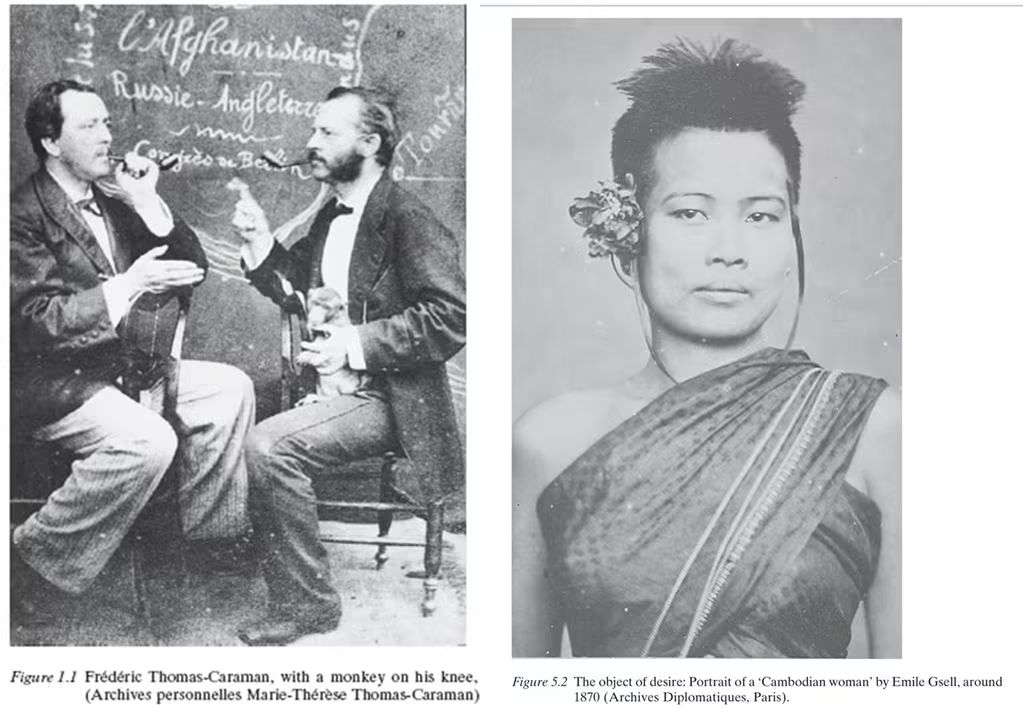
According to a post by Dr IN Sophalpost by Dr IN Sophal citing the records of French merchant and writer Thomas Caraman, Ty Sao was 18 years old and lived in the Phsar Daek area. Some historical documents reportedly identify her by another name, Neang Sok.
The account says a senior French official named Virrier became deeply attached to Ty Sao and later took her as his wife.
Caraman, who was associated with the Cambodian royal court and had commercial dealings with King Norodom, reportedly recorded that Virrier provided Ty Sao’s family with 30 Indochinese piastres per month. According to the account, this was around three times the salary of a government official at the time and significantly improved the family’s living conditions.
The historical figure of Caraman is documented in scholarship on colonial Cambodia. Historian Milton Osborne described Caraman as one of the early French settlers in Cambodia who maintained a long and complicated association with King Norodom, supplying European goods to the royal court while also becoming involved in commercial disputes with the king.
Caraman’s own 1874 report on Cambodia also demonstrates his close commercial relationship with the royal court. In the report, he referred to a contract with King Norodom and discussed economic and commercial matters concerning Cambodia.
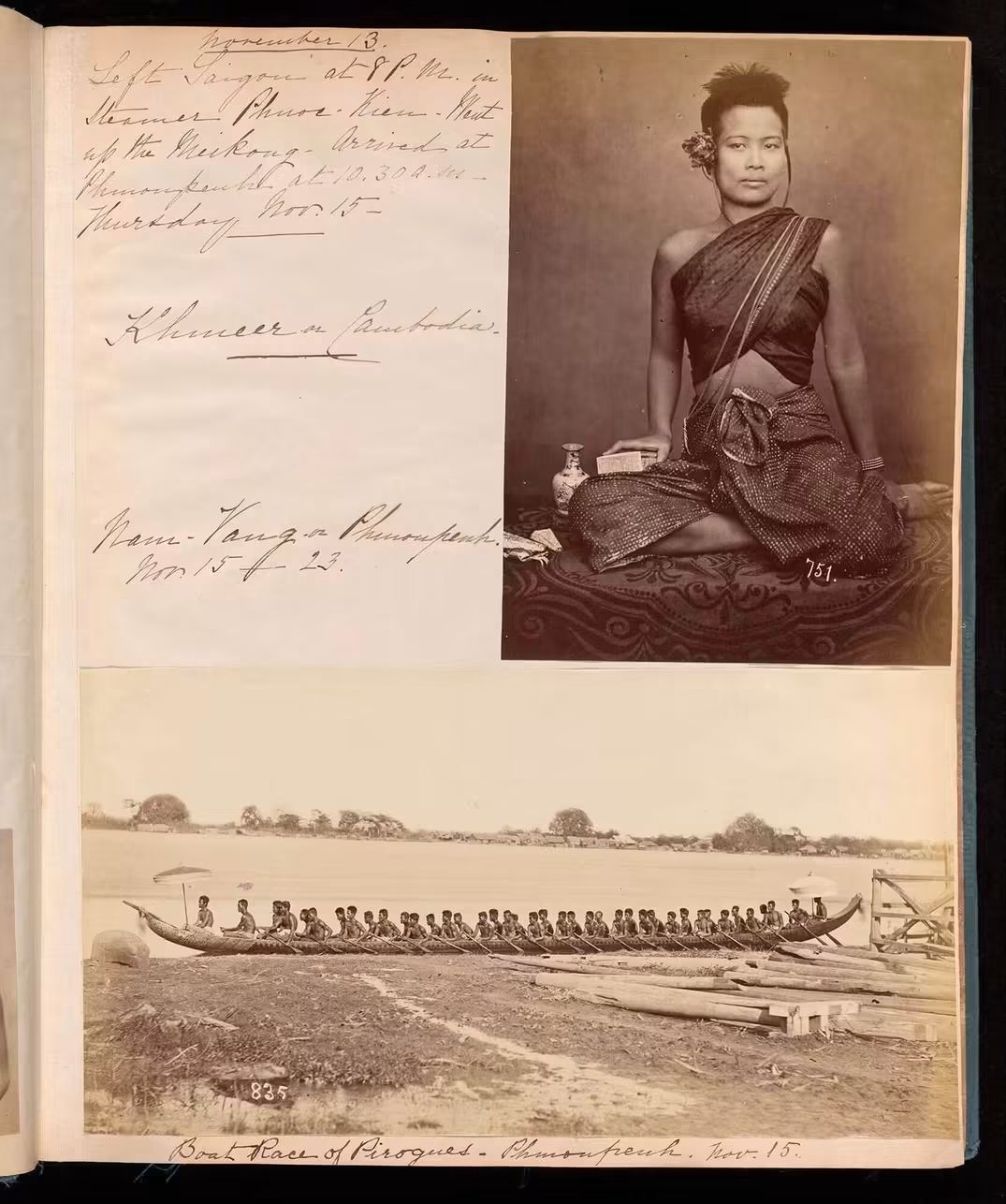
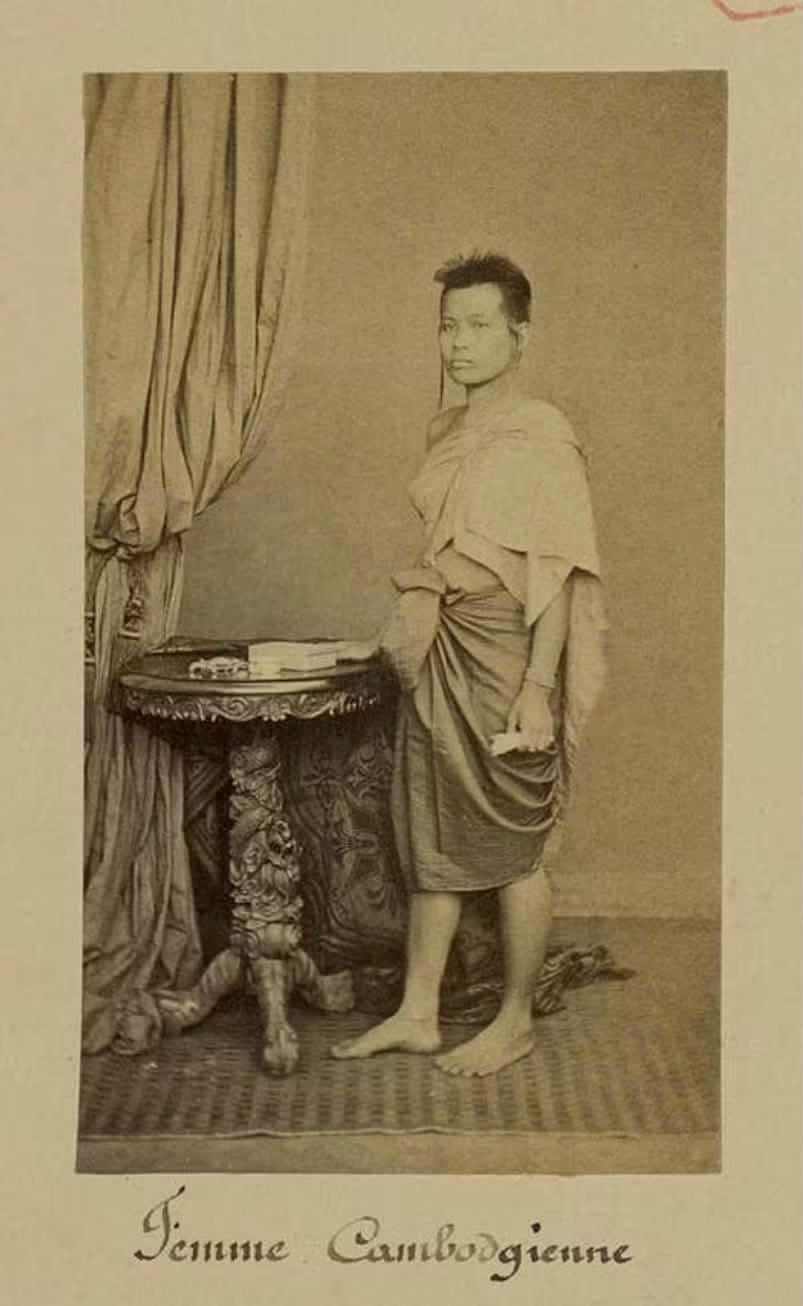
A Cambodian historical source has previously identified a surviving photograph as depicting Ty Sao, while noting that the image has sometimes been incorrectly associated with the legendary figure Teav from the Tum Teav story. The identification was attributed to Gregor Müller’s research on Frédéric Thomas-Caraman and his book on the early French presence in Cambodia.
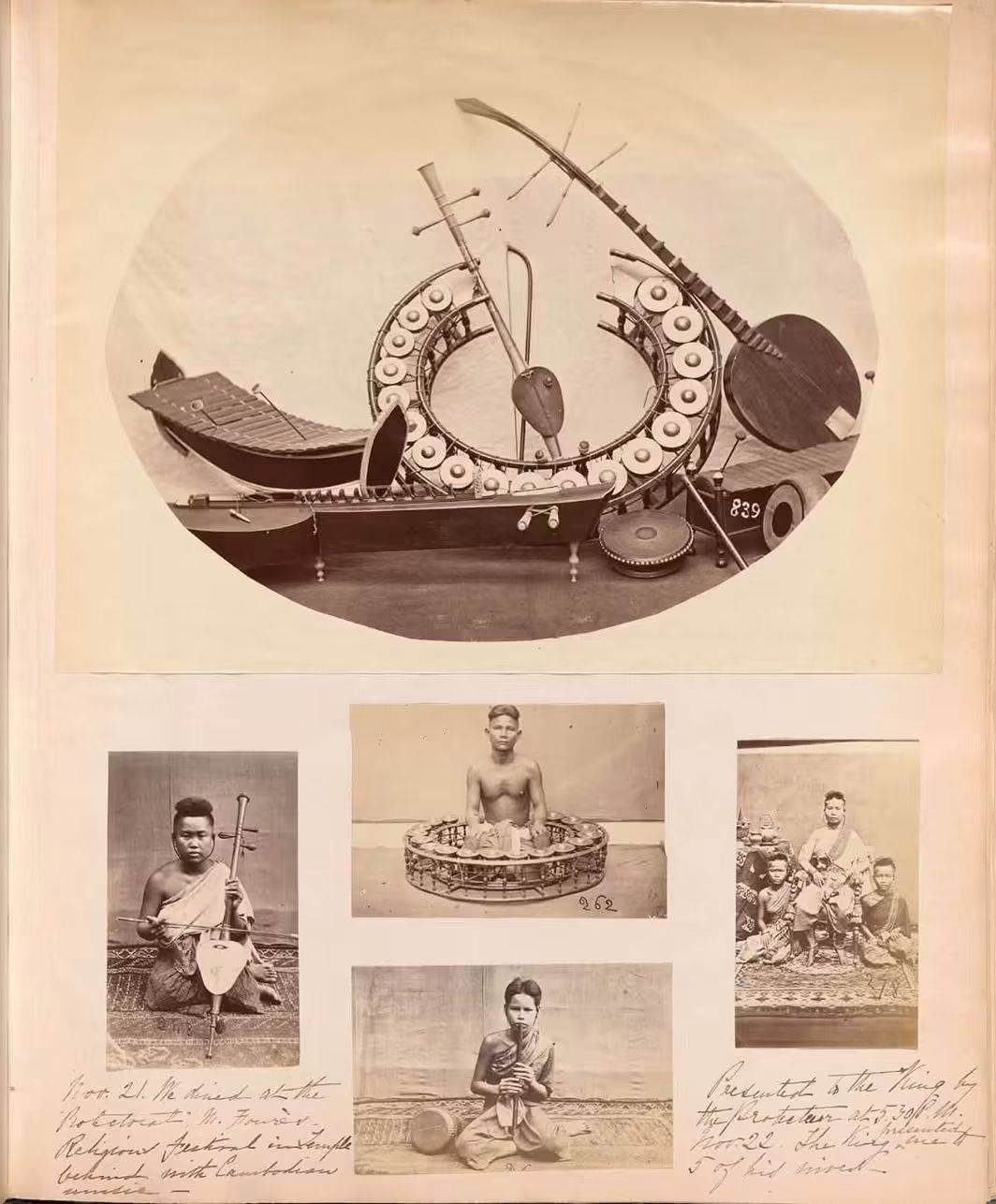
The broader history of Cambodian royal dancers during the 19th and early 20th centuries is also documented in French sources. George Groslier’s study of Cambodian dancers, published in 1913, describes the organization of the royal ballet and records payments made to dancers during the reign of King Sisowath. It also notes that under King Norodom, the royal dance establishment comprised hundreds of dancers divided into several groups.
The story of Ty Sao offers a glimpse into the lives of Cambodian women connected to the royal and colonial worlds during a period of major political and social change.
Dr IN Sophal recommended the book Cambodia Between Siam, Vietnam, and French Colonialism for readers seeking a broader understanding of Cambodia’s history during the reign of King Norodom.
Because some details concerning Ty Sao’s identity and biography derive from historical accounts and later scholarly interpretations, individual claims should be read in the context of the surviving archival record rather than treated as independently verified modern biographical facts.