UN Envoy to Examine Humanitarian Impact of Cambodia-Thailand Border Conflict
 UN Envoy to Examine Humanitarian Impact of Cambodia-Thailand Border Conflict
PHNOM PENH, 22 July 2026 — United Nations Special Rapporteur on the situation of human rights in Cambodia, Thomas Andrews, will visit Cambodia’s border provinces to assess the conditions of civilians displaced by the Cambodia-Thailand border conflict, according to Cambodian officials.
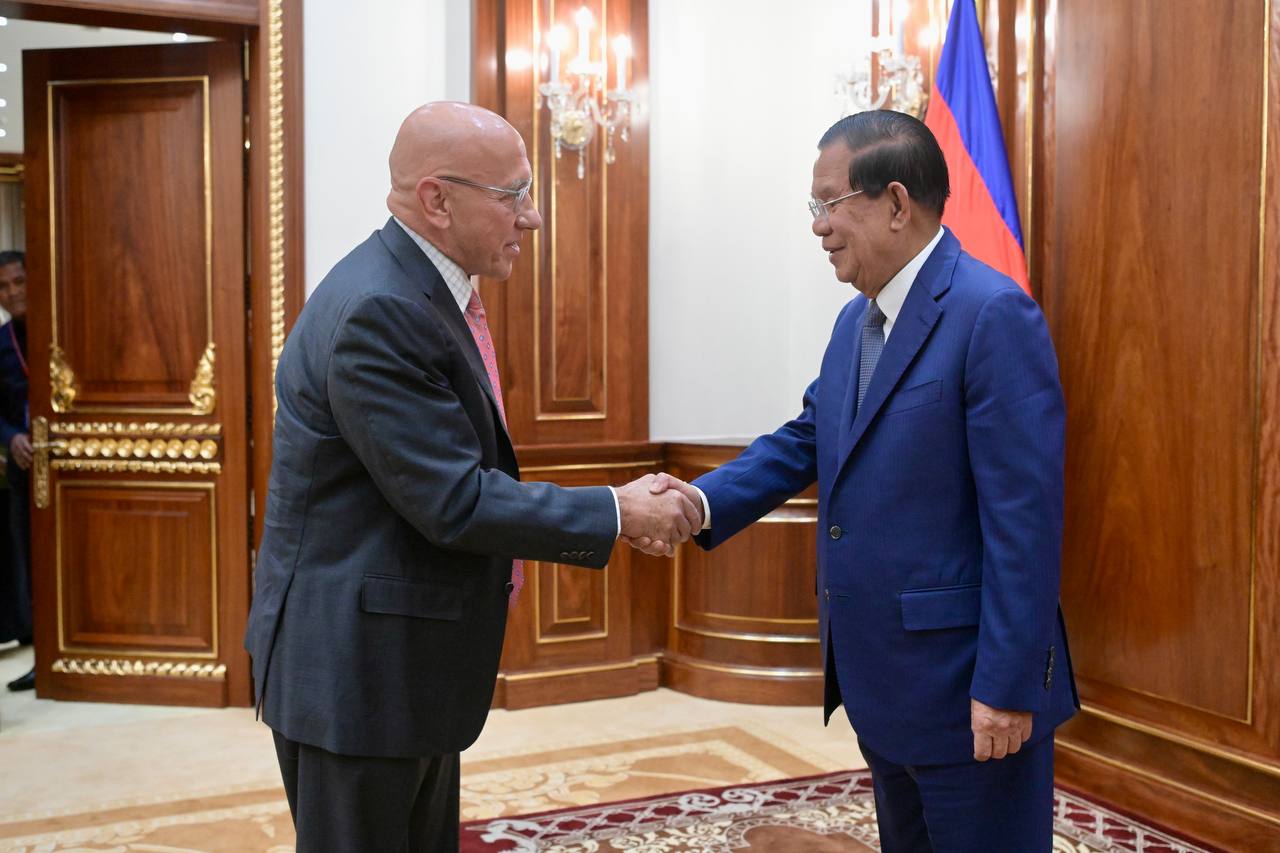
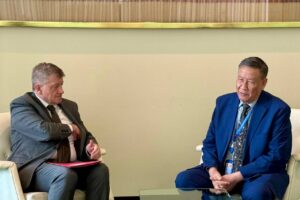
The planned visit was announced during Andrews’ courtesy meeting with Cambodian Senate President Hun Sen in Phnom Penh on Wednesday.
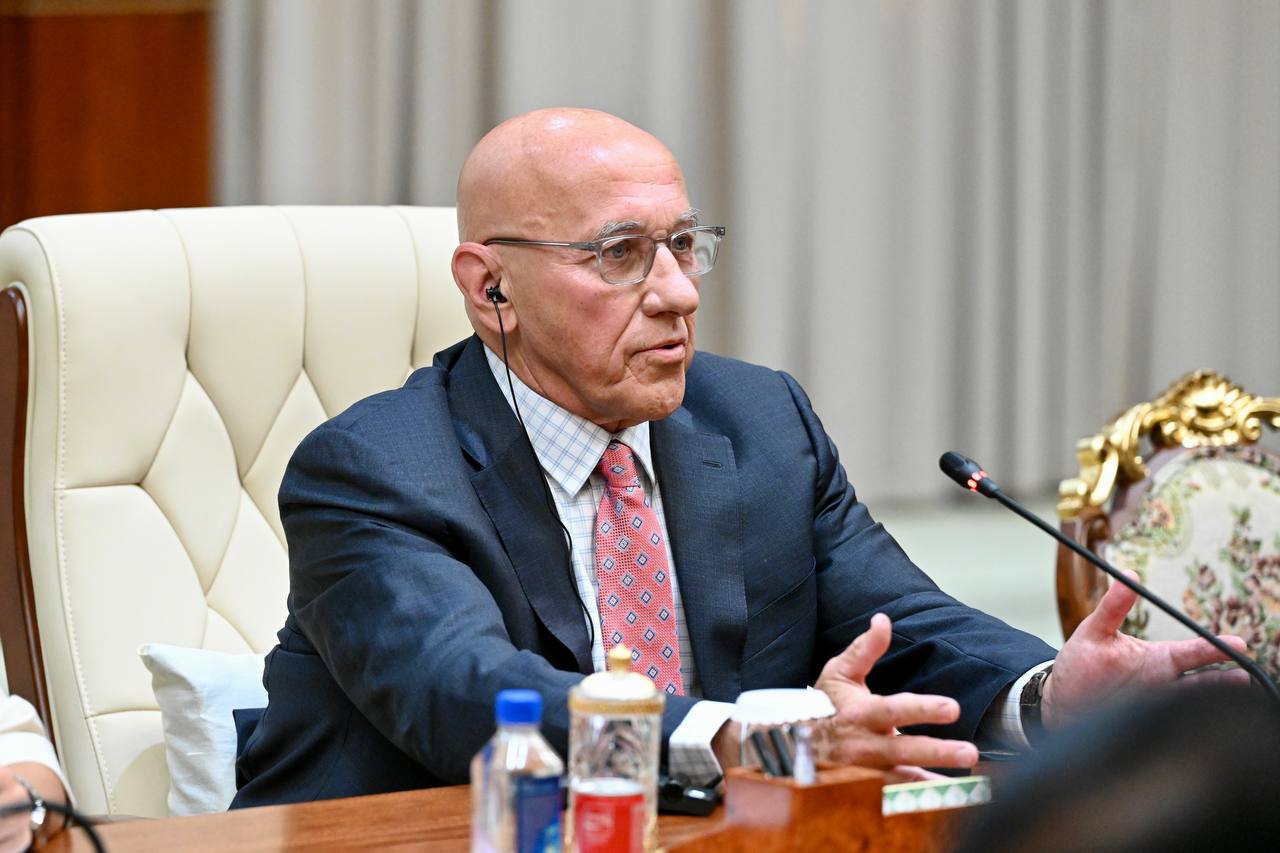
According to Senate spokesman Chea Thyrith, Andrews said he had been closely monitoring developments along the Cambodia-Thailand border and intended to visit displaced Cambodian civilians affected by the conflict to gain a first-hand understanding of their living conditions and humanitarian challenges.
The UN human rights expert said he wanted to observe directly the situation facing displaced families and better understand the difficulties they have experienced as a result of the conflict.
Hun Sen thanked Andrews for his interest in the Cambodia-Thailand border situation and welcomed his decision to travel to the affected areas.
The Senate president said he hoped the visit would allow the UN rapporteur to witness first-hand the conditions faced by Cambodian civilians displaced by the conflict and the impact it has had on their lives.
During the meeting, Hun Sen also provided Andrews with Cambodia’s account of the historical background to the border dispute between Cambodia and Thailand.
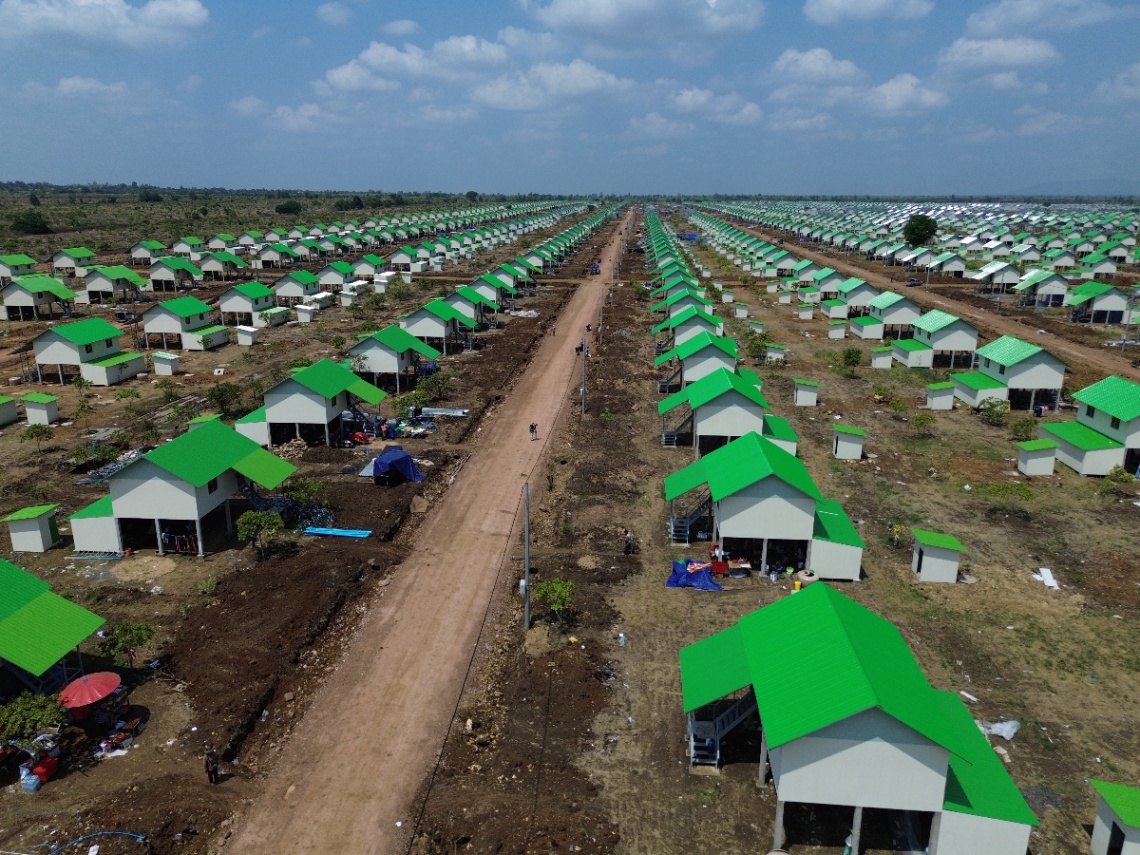
According to the Cambodian government, the armed conflict that began in July 2025 forced nearly one million Cambodian civilians to flee their homes. Although fighting ended following a ceasefire in late December 2025, officials said more than 3,000 families have yet to return because their homes and land remain under what Cambodia describes as illegal occupation by Thai forces.
The planned border visit forms part of Andrews’ mission to assess the human rights situation in Cambodia, including the humanitarian impact of the border conflict on affected civilian communities.