Thomas Andrews Highlights Cambodia’s Human Rights Commitment and Plight of Displaced Civilians
 Thomas Andrews Highlights Cambodia’s Human Rights Commitment and Plight of Displaced Civilians
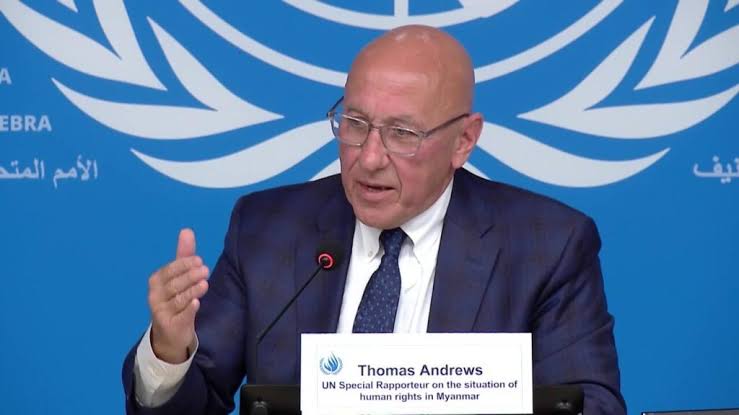
United Nations, Oct. 3, 2026 — United Nations Special Rapporteur on the situation of human rights in Cambodia Thomas Andrews has highlighted Cambodia’s cooperation with UN human rights mechanisms while drawing attention to the plight of Cambodian civilians who remain unable to return to their homes following the Cambodia-Thailand border conflict.
Speaking during his first official mission to Cambodia, Andrews acknowledged what he described as important steps and commitments by Cambodia in the field of human rights. He noted that Cambodia has ratified eight of the nine core international human rights treaties and has accepted approximately 84 percent of the recommendations made under the Universal Periodic Review process.
Andrews also expressed appreciation for the Cambodian government’s cooperation during his July 20–31 mission, which allowed him to meet government officials, civil society representatives and other stakeholders, as well as visit detention centres and communities affected by the border conflict.
He said such engagement provided an opportunity to assess human rights conditions directly and to discuss both progress and continuing challenges.
Civilians Still Unable to Return Home
A major concern raised by Andrews was the situation of Cambodian civilians displaced by the conflict along the border with Thailand.
During his field visit, Andrews said he met families who described the losses they had suffered, including the destruction of homes and damage to their communities. He also said he personally observed barriers, shipping containers and barbed wire that were preventing residents from accessing areas where they lived.
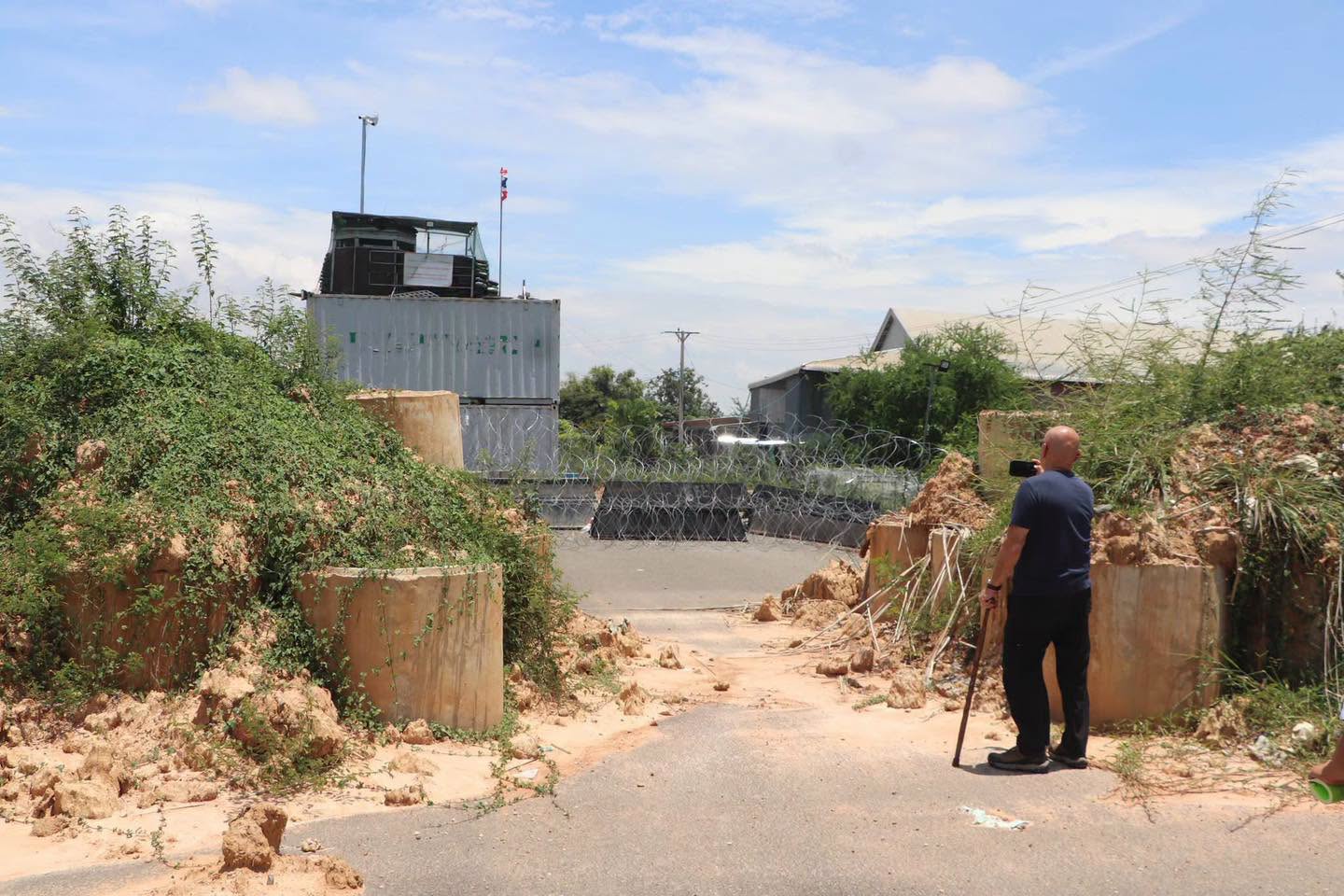
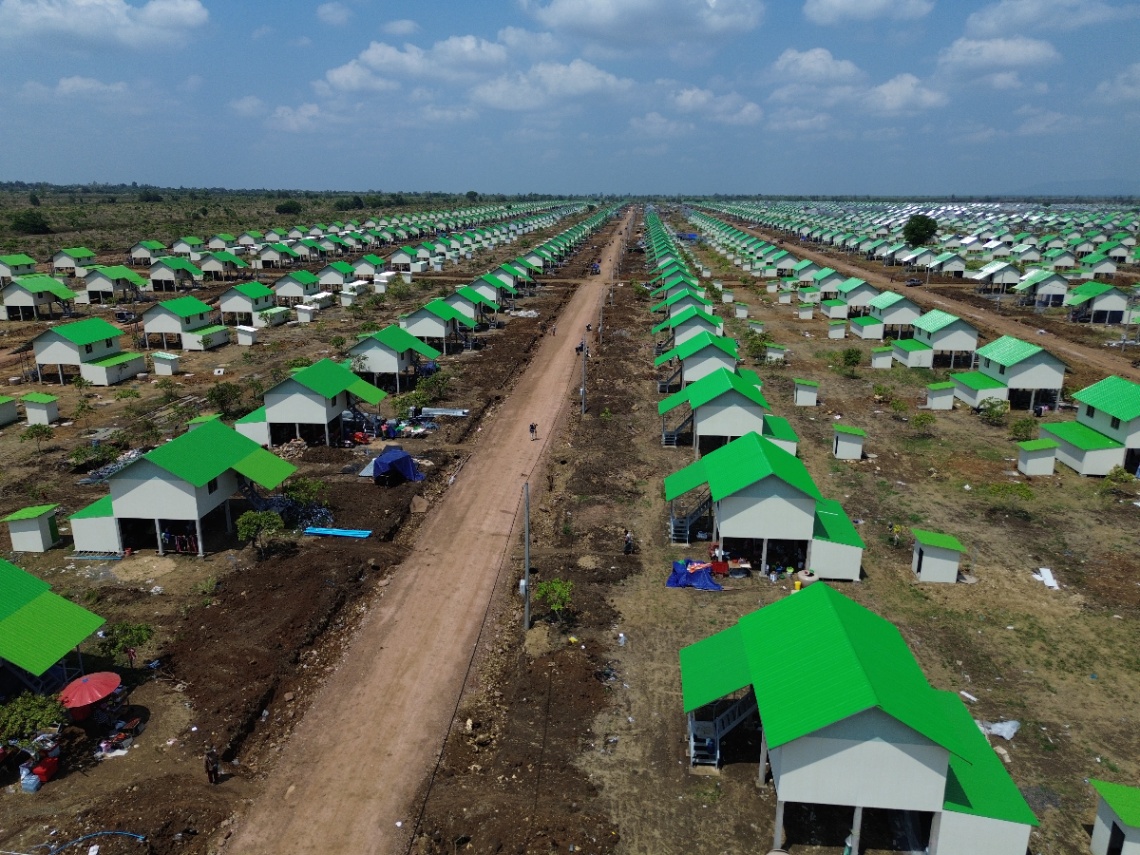
According to Andrews, more than 20,000 Cambodian civilians remained displaced after approximately 650,000 people had been displaced in border regions during the conflict.
“I spoke to civilians who told me that they were unable to return to their homes,” Andrews said, describing what he observed at the border and the accounts provided by affected residents.
He stressed that the issue was not simply a matter of territorial or political disagreement, but also a human rights and humanitarian concern, because displaced families must be able to return to their homes and livelihoods safely and with dignity.
Andrews also pointed to the December 27 ceasefire agreement between Cambodia and Thailand, which provides for civilians to return to their homes and livelihoods safely and without obstruction. He urged both sides to work together to expedite the return of displaced people.
Human Rights and the Border Crisis
Andrews’ comments placed the situation of displaced civilians within the broader human rights discussion surrounding Cambodia.
While acknowledging Cambodia’s cooperation with UN mechanisms, he also said his mission left him with serious concerns about displaced people along the Thai border, people affected by trafficking and individuals detained after exercising fundamental rights. At the same time, he said the mission gave him hope through meetings with human rights defenders, journalists and other Cambodians working to promote human rights.
Cambodian authorities have separately reaffirmed their commitment to working with UN human rights mechanisms and resolving outstanding border issues through peaceful means, dialogue and international law.
For the civilians still unable to return, however, Andrews stressed that a lasting resolution must include the ability to return home safely, voluntarily and with dignity.
His findings are expected to form part of his reporting to the UN Human Rights Council.