Thailand Orders Traffic Police to Stop Hiding Faces and Using Surprise Roadside Checks
 Thailand Orders Traffic Police to Stop Hiding Faces and Using Surprise Roadside Checks
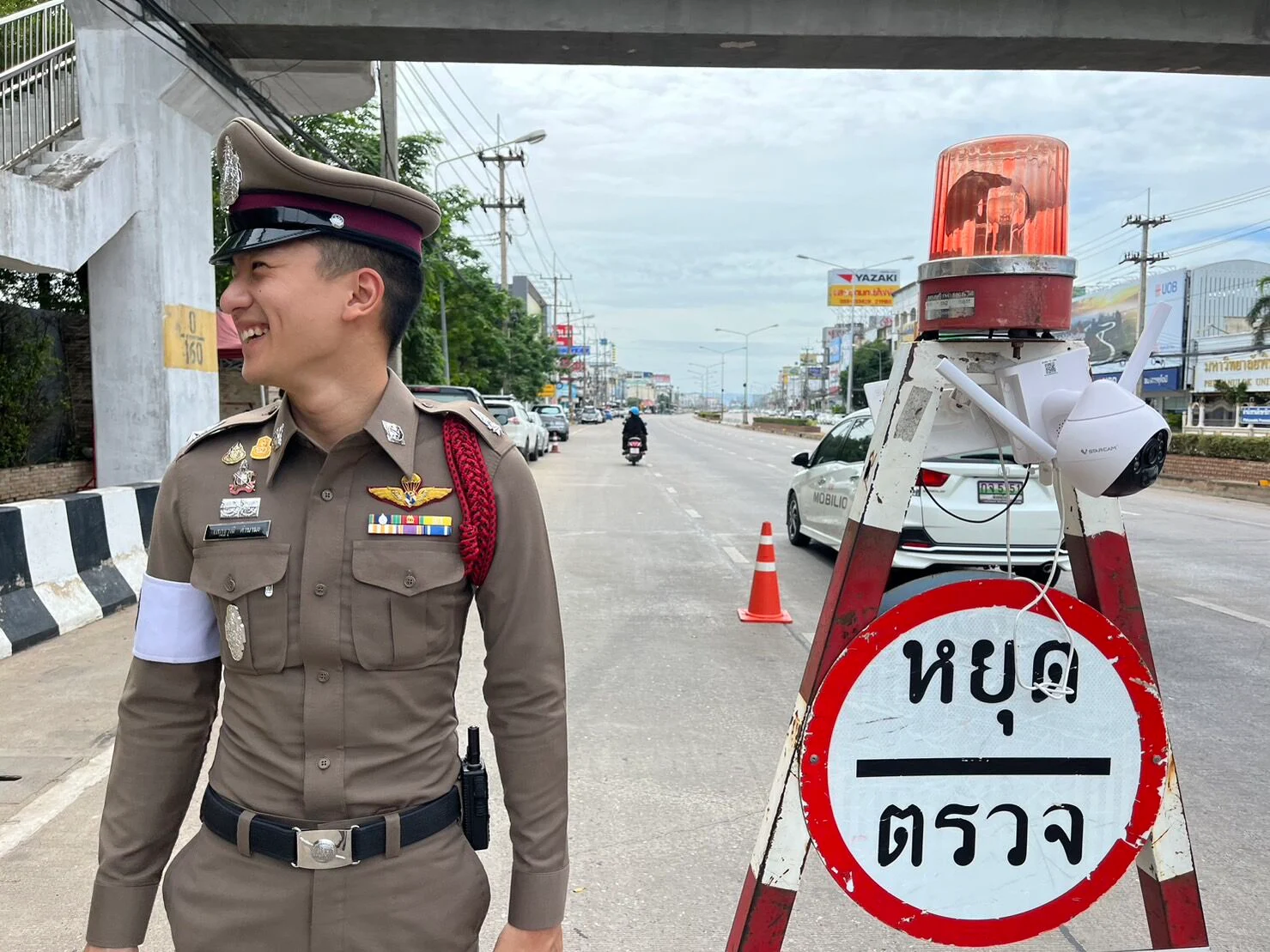
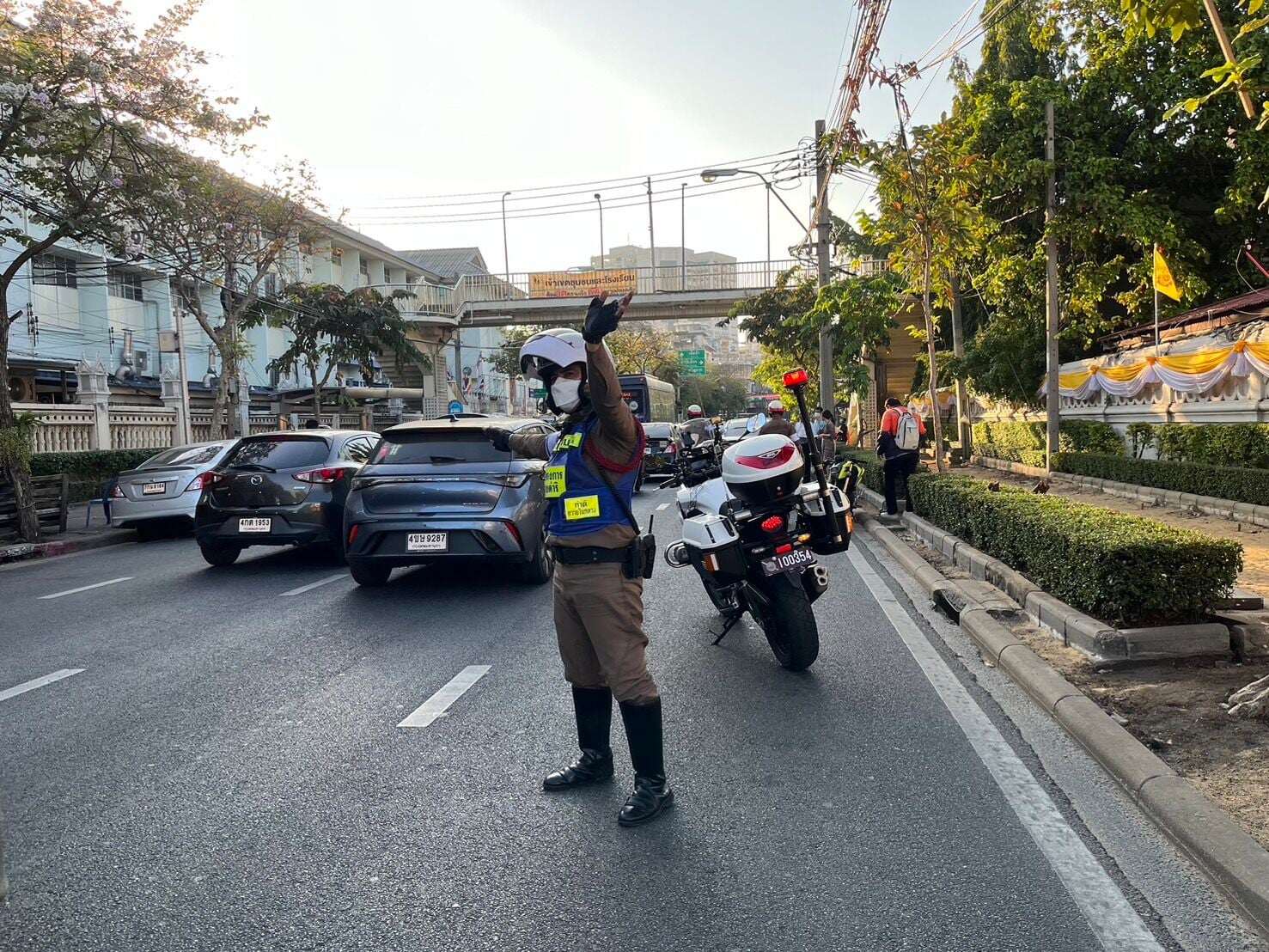
BANGKOK, October 15, 2026 — Thailand’s Royal Thai Police has ordered traffic officers not to conceal their faces while on duty or conduct surprise roadside checks, as authorities seek to improve transparency, road safety and public confidence in traffic enforcement.
The directive was discussed at a meeting on October 14 for the 2027 fiscal year, chaired by Deputy National Police Chief Pol Gen Itthipol Atchariyapradit. It follows policy guidance issued by National Police Chief Pol Gen Samran Nuanma.
Pol Maj Gen Worawit Yanjinda, deputy spokesman for the Royal Thai Police, said officers must not wear balaclavas or other face coverings while performing traffic duties or communicating with members of the public.
Officers concerned about air pollution may wear plain white medical masks at other times, he said. Traffic police have also been instructed not to conduct roadside inspections designed to catch motorists by surprise.
Warnings before fines in most cases
Under the new approach, officers will generally check a motorist’s record through the Police Ticket Management (PTM) system before deciding how to proceed. In most cases, they are expected to issue a warning before imposing a fine, allowing drivers an opportunity to correct their behaviour.
Repeat offenders will face progressively higher fines in accordance with the law, with penalties potentially reaching the maximum level for continued violations.
However, the warning-first approach will not apply automatically to every offence. Officers retain discretion, particularly when violations threaten lives or property.
Dangerous driving, including running red lights or ignoring traffic signals in circumstances that cause a crash or lead to another vehicle having an accident, will trigger immediate legal action.
Street racing and drink-driving will also remain subject to prosecution because of the risks they pose to drivers and other road users.
The policy therefore does not guarantee warnings for all traffic violations. Serious offences and behaviour that endangers public safety may still result in immediate enforcement.
Six priorities for traffic services
The October 14 meeting also outlined six areas for developing traffic services:
- Easing traffic congestion and improving traffic flow.
- Preventing and reducing road accidents.
- Providing assistance to the public.
- Ensuring fair law enforcement.
- Improving public communication and road-discipline education.
- Strengthening cooperation with all sectors.
The meeting was attended by Assistant National Police Chief Pol Lt Gen Nithithorn Jintakanon and representatives of relevant agencies at Royal Thai Police headquarters in Bangkok.
Police said the broader objective was to improve road discipline and reduce traffic accidents while ensuring that enforcement procedures remain polite, transparent and open to scrutiny.
Senior officers at all levels have been instructed to ensure compliance with the policy, provide necessary equipment, monitor implementation, address operational problems and support the welfare and morale of traffic personnel.
For motorists in Thailand, the changes are intended to make roadside encounters more transparent and predictable. However, drivers should continue to observe traffic laws, as serious or dangerous violations may still lead to immediate legal consequences.