Cambodia Calls for Ceasefire Compliance and Peaceful Border Resolution at AIPA
 Cambodia Calls for Ceasefire Compliance and Peaceful Border Resolution at AIPA
MANILA, November 18, 2026 — Cambodian National Assembly President Khuon Sudary has called on Thailand to respect the ceasefire, peace agreements and international law, while urging the international community to urgently address the humanitarian and human rights situation along the Cambodia-Thailand border.
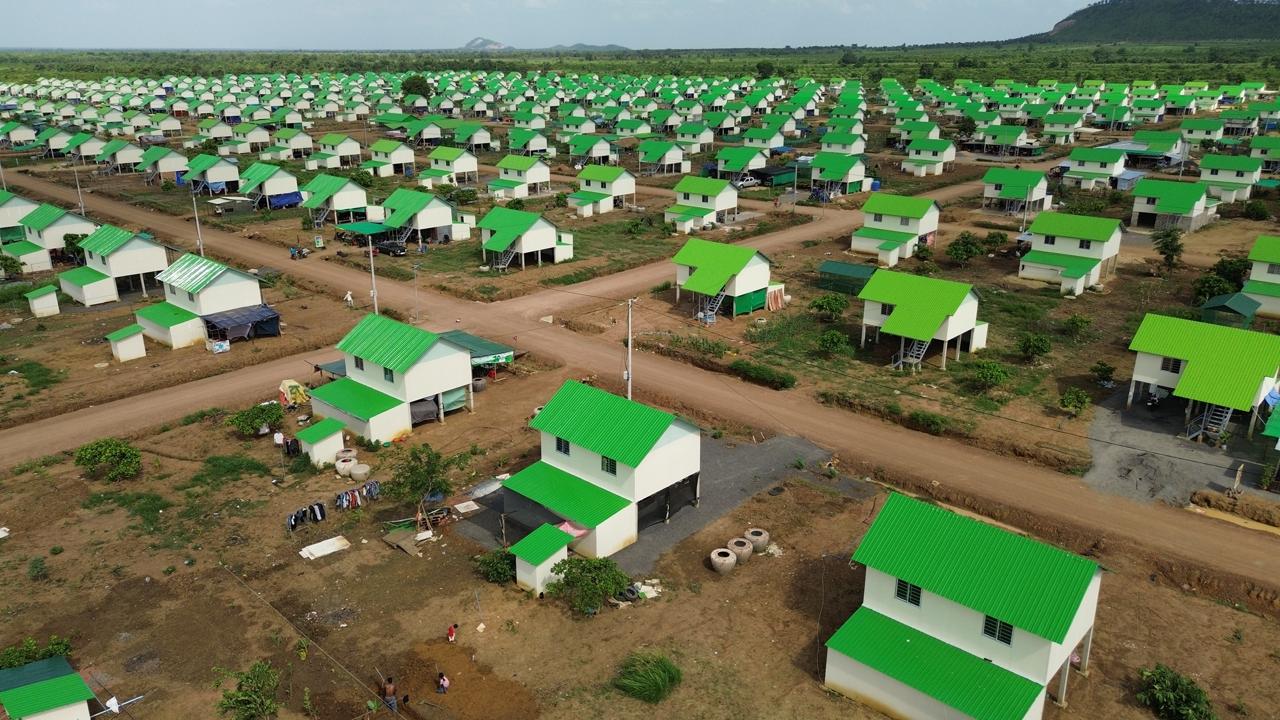
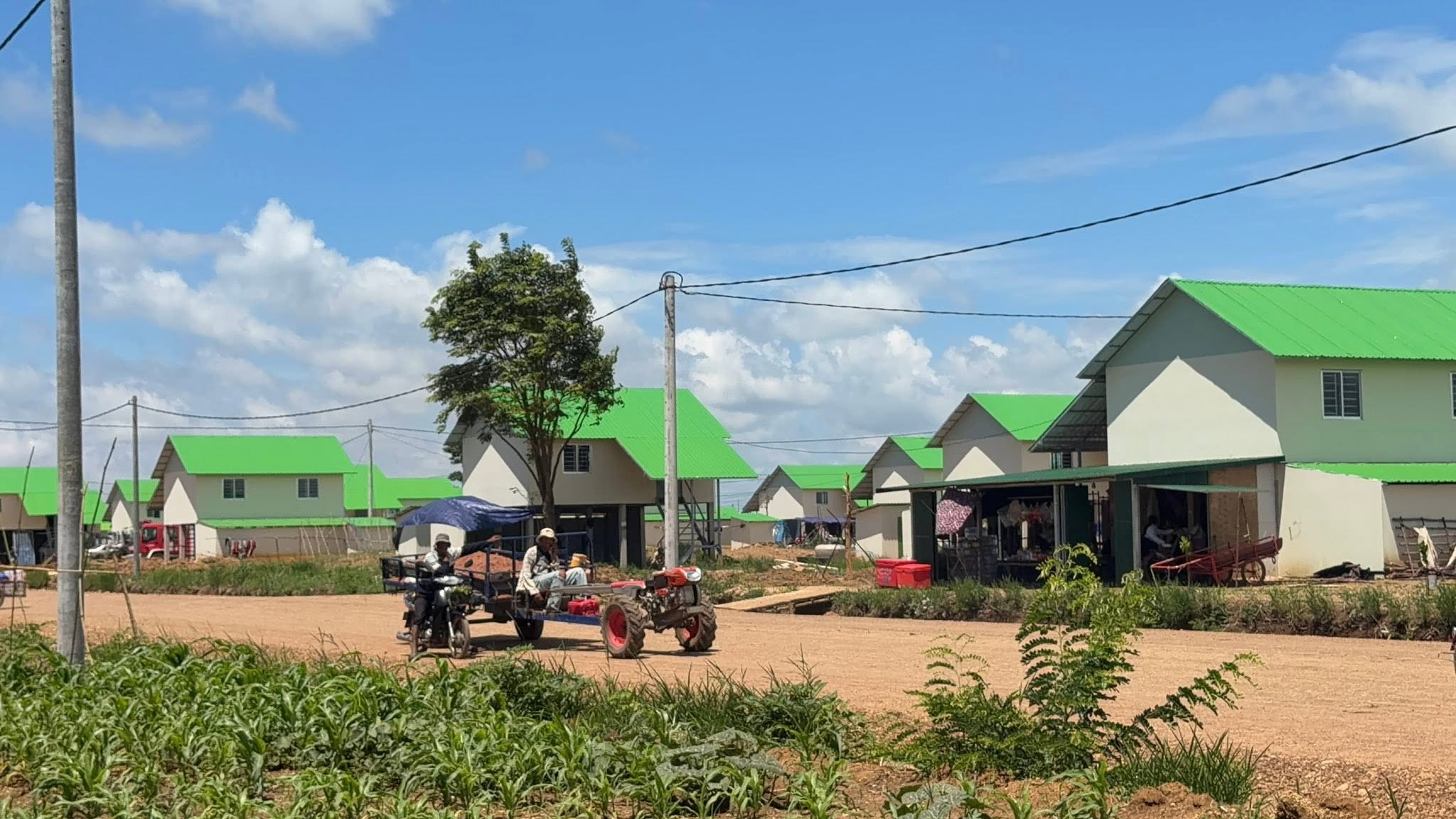
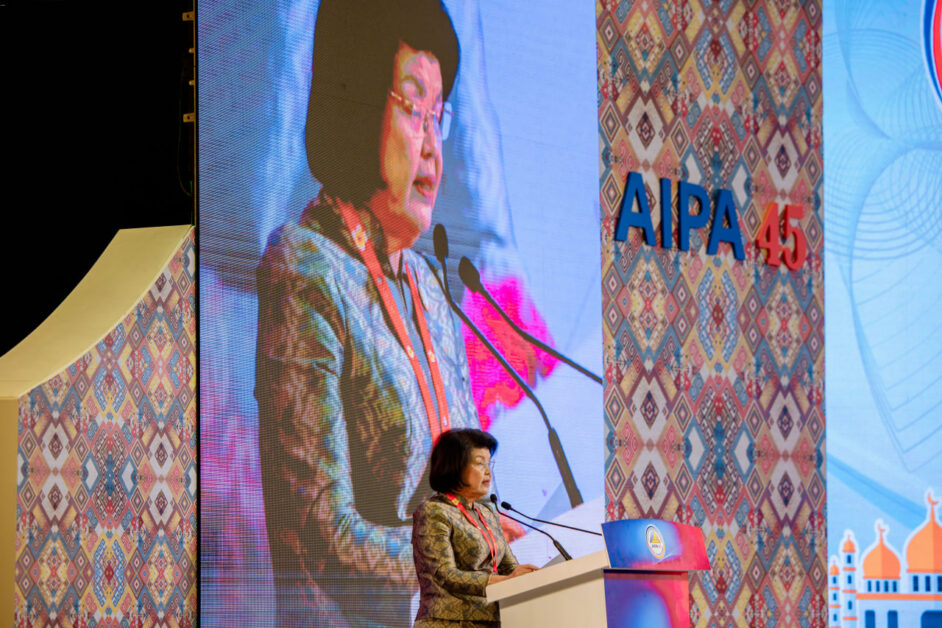
Speaking at the 47th ASEAN Inter-Parliamentary Assembly (AIPA) in the Philippines, attended by parliamentary delegations from ASEAN member states and observer countries representing around 30 nations, Khuon Sudary said more than 20,000 Cambodian civilians remained displaced in temporary shelters and were still unable to return to their homes.
She cited observations made by a United Nations Special Rapporteur during a visit to affected areas in July, who noted that the displaced civilians “need to and deserve to return home.” Khuon Sudary stressed that this commitment must be fulfilled without further delay.
While the ceasefire remains in effect, she expressed Cambodia’s deep concern over continued actions by Thai military forces in certain areas, which Cambodia says involve the unlawful occupation of its territory. She said such actions violate international law, treaties and bilateral agreements.
Cambodia strongly rejects and condemns unilateral attempts to alter international border lines through the use of force or by creating faits accomplis before any legally agreed joint mechanism reaches a decision.
Khuon Sudary called for an immediate end to what Cambodia describes as the unlawful occupation of its sovereign territory and urged the faithful implementation of the Kuala Lumpur Peace Agreement of October 26, 2025, the Joint Statement of December 27, 2025, the Fuxian Consensus of December 29, 2025, and the spirit of the Cebu understanding of May 7, 2026.
She also called for the prompt resumption of border surveying and demarcation activities under the framework of the Joint Boundary Commission (JBC).
Regarding maritime issues, she said Cambodia had chosen a legal path by invoking compulsory conciliation under the United Nations Convention on the Law of the Sea (UNCLOS), describing Thailand’s participation in the process as a hopeful sign.
Khuon Sudary reaffirmed Cambodia’s commitment to international law, peaceful dispute resolution and the implementation of agreements through meaningful international engagement.
Addressing broader regional challenges, she said the world was facing declining strategic trust, intensifying geopolitical competition, economic fragmentation and the weaponisation of interdependence. In this context, she said AIPA member parliaments had an important role in ensuring ASEAN remained relevant in promoting peace, stability and prosperity for its people.
She stressed that a peaceful ASEAN must be built on trust, respect for international law, preventive diplomacy and effective mechanisms for managing crises and resolving disputes peacefully.
Trust between states, she said, rests fundamentally on respect for sovereignty and territorial integrity, as well as the peaceful settlement of disputes. While building trust can take decades, it can be lost in an instant.
She also emphasised the importance of open regionalism, deeper economic integration, improved connectivity and economic interdependence as foundations for regional peace, resilience and prosperity.
“Our efforts are all aimed at serving our people, their security, rights, dignity and well-being. Therefore, we must further promote good governance and build a people-centred regional community,” she said.
AIPA serves as a parliamentary platform for ASEAN member states, providing lawmakers with opportunities to exchange views, engage in dialogue and develop strategies to address regional challenges, while contributing to ASEAN’s vision of achieving the ASEAN Community 2045 through sustainable, inclusive development and shared prosperity.