Scottish Journalist Slams Khaosod English Over Report on Cambodian Refugees
 Scottish Journalist Slams Khaosod English Over Report on Cambodian Refugees
PHNOM PENH, November 18, 2026 — Scottish journalist Andrew MacGregor Marshall has strongly criticised Thai media outlet Khaosod English over its coverage of Cambodian refugees in 1979, accusing the publication of presenting a misleading account of Thailand’s treatment of Cambodian refugees.
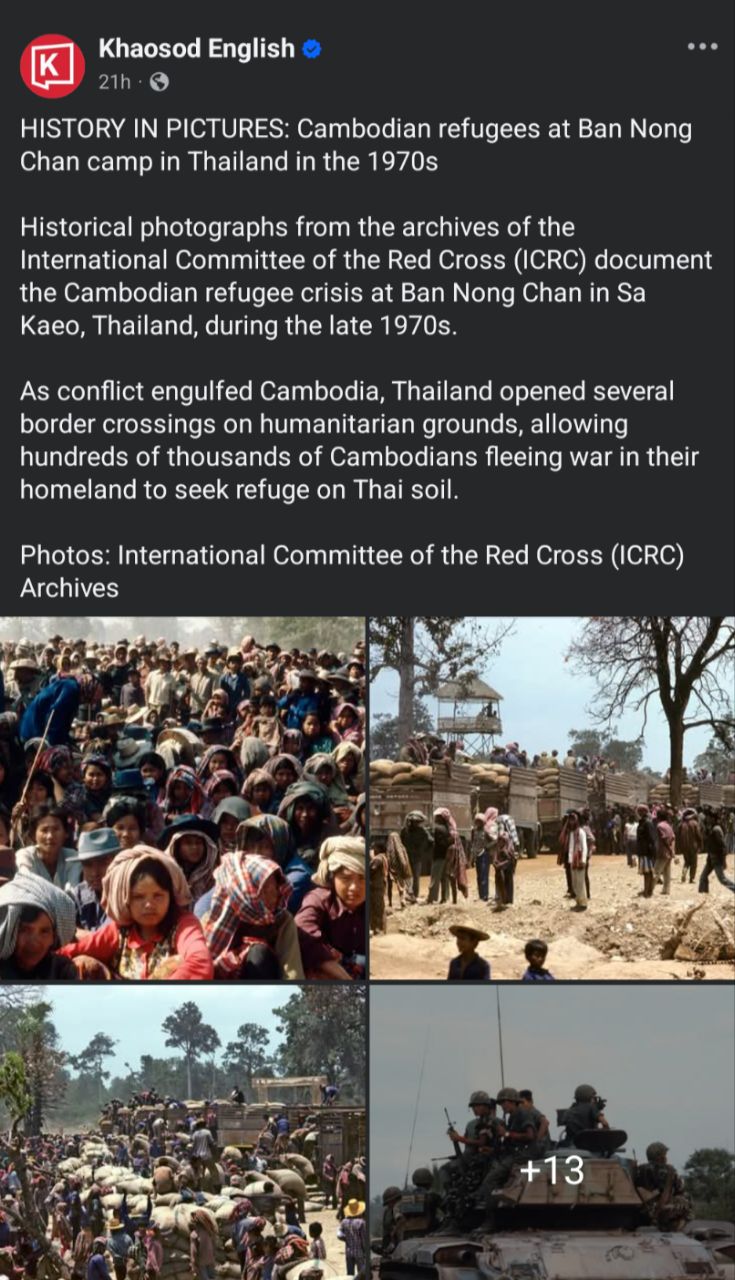
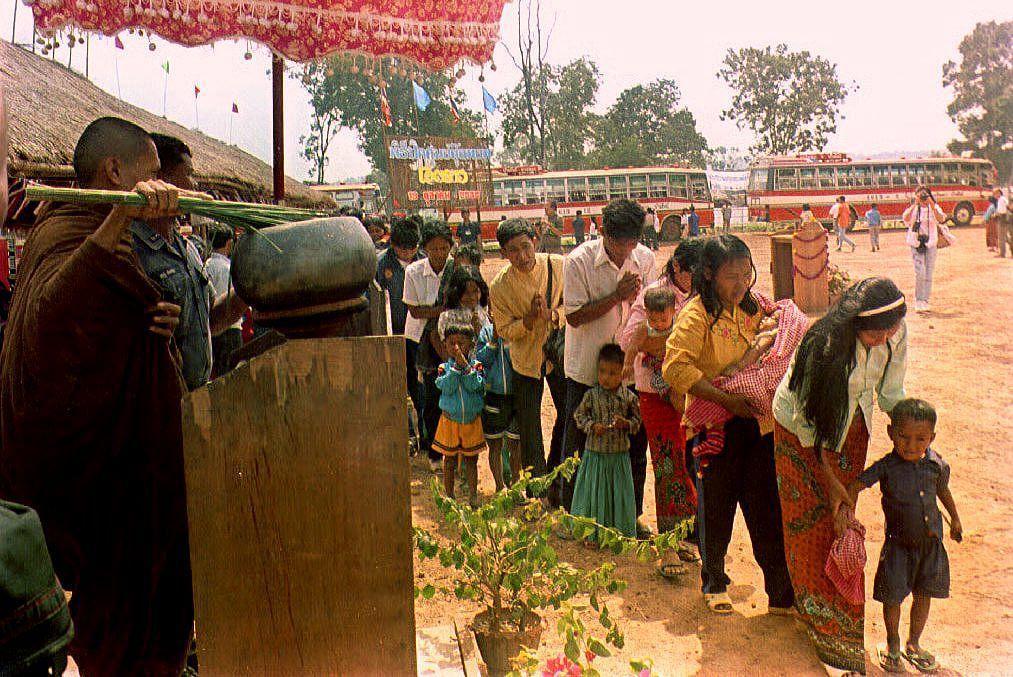
Khaosod English recently published a photograph of Cambodian refugees at Chok Chai Camp, also known as Nong Chan, in 1979, claiming that Thailand had temporarily allowed Cambodian civilians to settle in the country but that they subsequently refused to leave.
Responding to the publication, Marshall criticised the report in a post on his personal Facebook account, describing it as “appalling Khaosod English propaganda” and calling it deeply embarrassing.
Journalist recalls Thailand’s treatment of Cambodian refugees
In his response, Marshall argued that it was Thailand, rather than the Cambodian refugees, that had treated the displaced population brutally. He also accused Thai authorities of forcibly pushing thousands of Cambodians back across the border, exposing them to hunger and death.
Marshall is a Scottish journalist and author known for his book A Kingdom in Crisis, which examines Thailand’s political crisis and history.

Nong Chan served as a major humanitarian relief centre
During 1979, Nong Chan Camp was an important humanitarian aid distribution point along the Cambodian-Thai border.
International organisations, including the United Nations Children’s Fund (UNICEF), the United Nations High Commissioner for Refugees (UNHCR), the United Nations Border Relief Operation (UNBRO) and the International Committee of the Red Cross (ICRC), played significant roles in coordinating humanitarian assistance.
These organisations provided food, temporary shelter and protection to hundreds of thousands of Cambodians fleeing war and famine. They also supported voluntary repatriation programmes and resettlement in third countries.
Marshall’s criticism has renewed attention to the historical circumstances surrounding Cambodian refugees along the Thai border and the need to examine media accounts against documented records of the humanitarian crisis.