Angkor Wat Tops ASEAN List of Largest Ancient Temple Structures
 Angkor Wat Tops ASEAN List of Largest Ancient Temple Structures
PHNOM PENH, March 14 — Cambodia’s Angkor Wat has been ranked the largest ancient temple structure in Southeast Asia, highlighting the region’s rich architectural and cultural heritage.
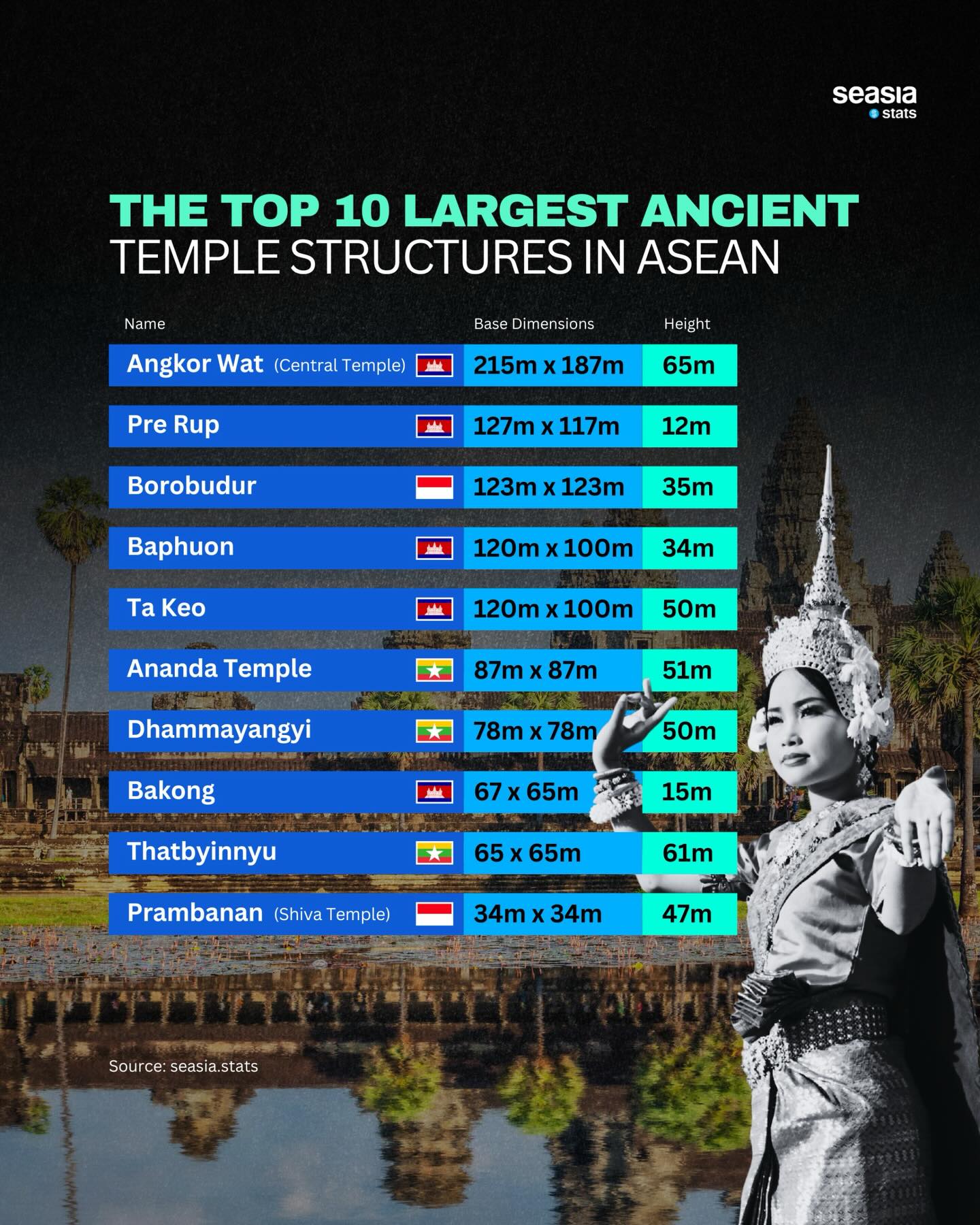
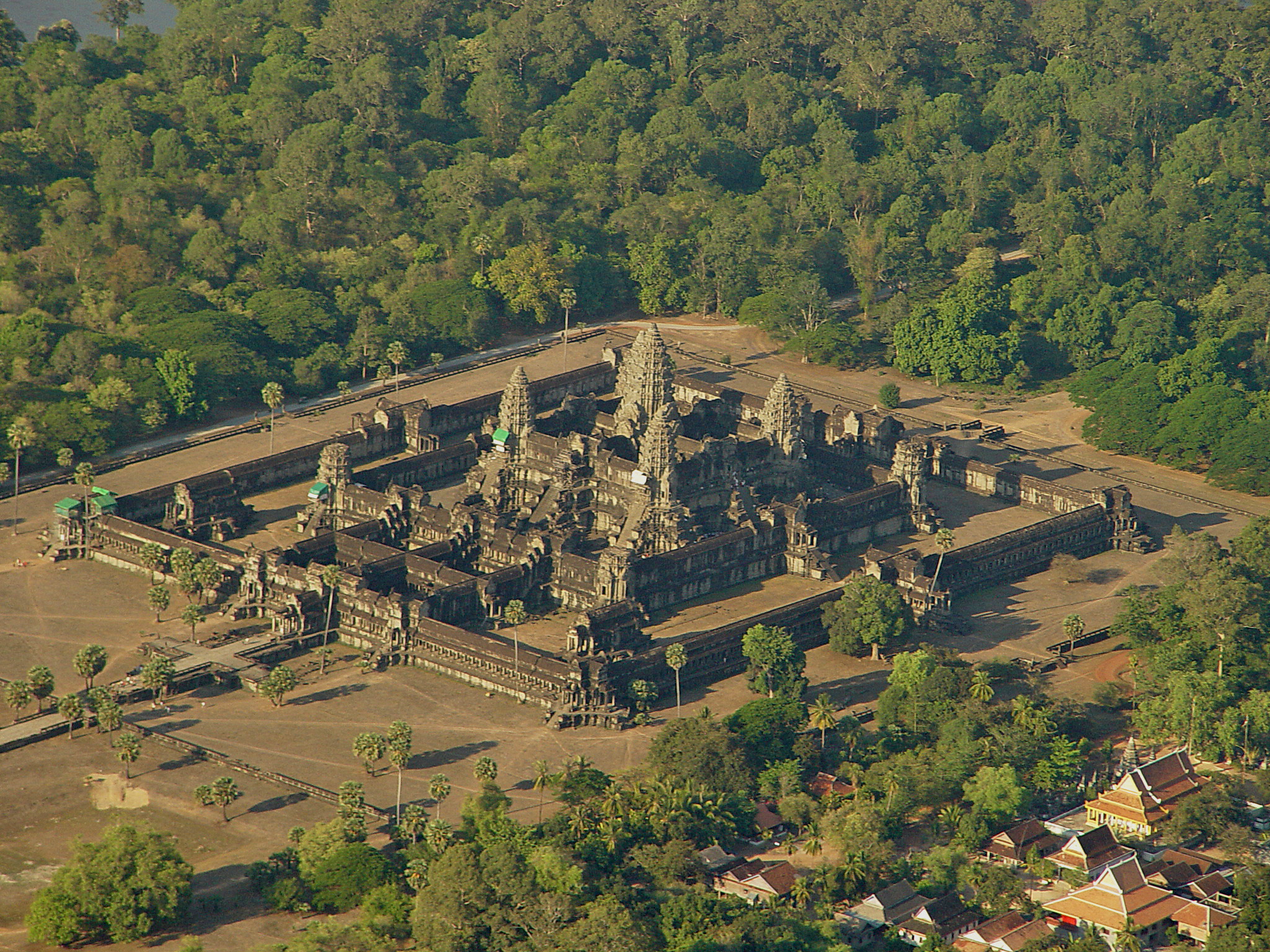
According to a regional comparison of the 10 largest ancient temple structures in ASEAN, Angkor Wat — built in the 12th century during the Khmer Empire — tops the list with a base measuring 215 by 187 meters and a height of 65 meters.
Located in Cambodia’s northwestern Siem Reap province, Angkor Wat is widely regarded as the largest religious monument in the world and remains a central symbol of Cambodia’s cultural identity.
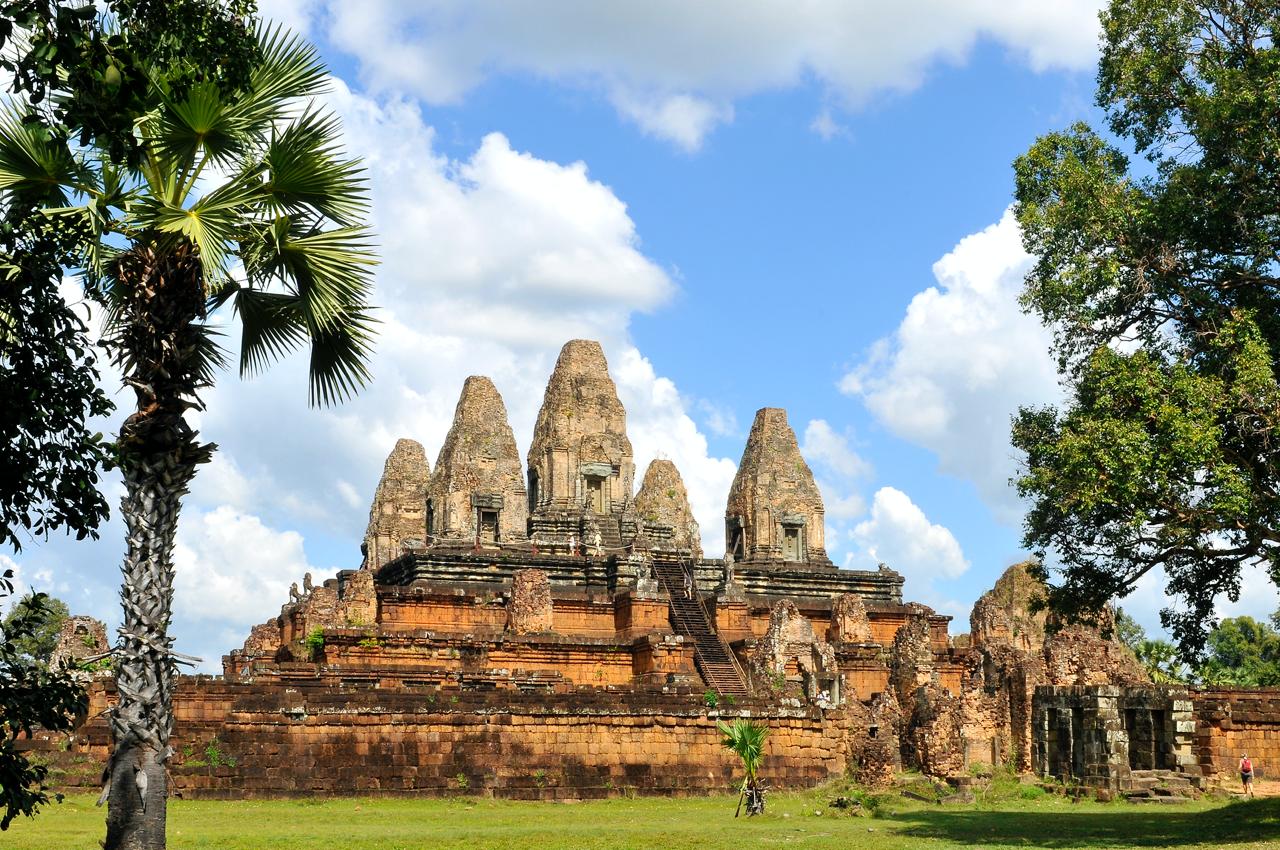
The ranking also places Pre Rup, another temple within the Angkor archaeological complex, in second place, with base dimensions of 127 by 117 meters. Built in the 10th century, the temple reflects the architectural achievements of the Khmer Empire.
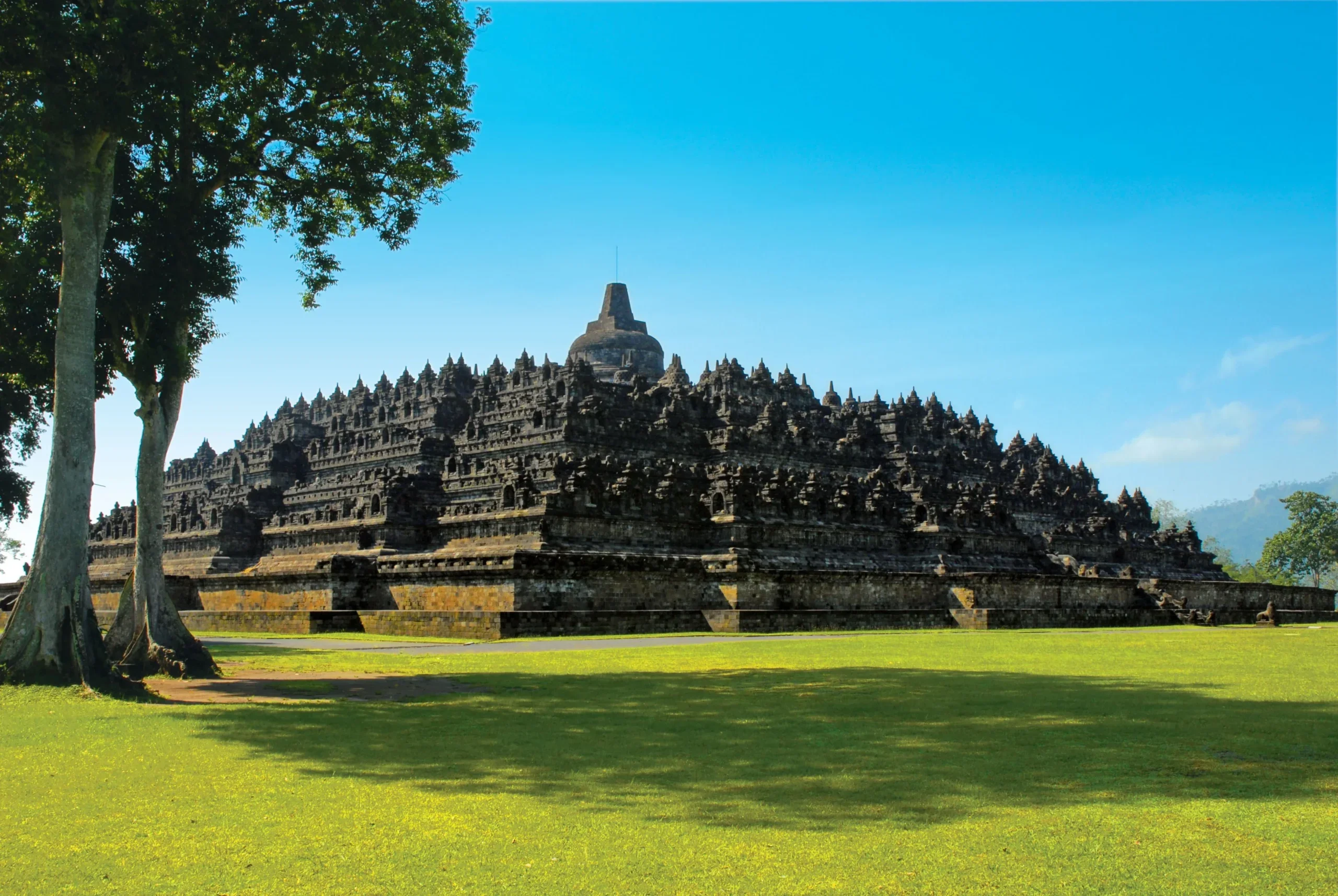
Borobudur in Indonesia, the world’s largest Buddhist temple, ranked third, with a 123-by-123-meter base and a height of 35 meters.
Other temples included in the ranking are Baphuon, Ta Keo and Bakong in Cambodia, as well as Ananda Temple, Dhammayangyi and Thatbyinnyu in Myanmar, and Prambanan in Indonesia, one of the tallest Hindu temples in Southeast Asia.
Historians say these monumental structures demonstrate the profound influence of Hinduism and Buddhism on Southeast Asian civilization, as well as the region’s advanced architectural and engineering traditions dating back more than a millennium.
Angkor Wat, part of the UNESCO-listed Angkor archaeological park, remains Cambodia’s most visited tourist destination, attracting millions of visitors each year and standing as one of the world’s most recognizable historic landmarks.