Indonesia’s Air Pollution Still Six Times WHO Limit, IQAir Report Says
 Indonesia’s Air Pollution Still Six Times WHO Limit, IQAir Report Says
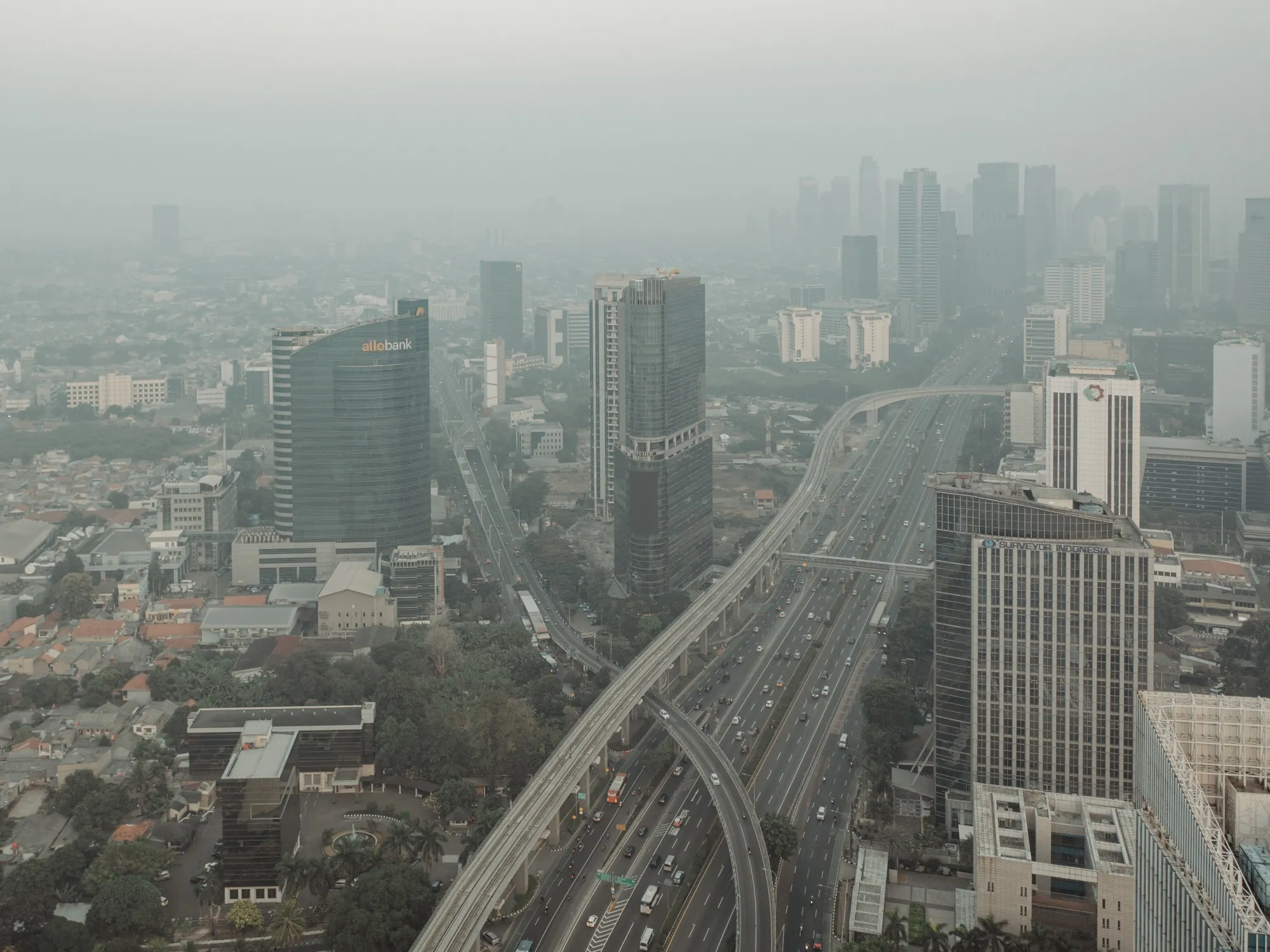
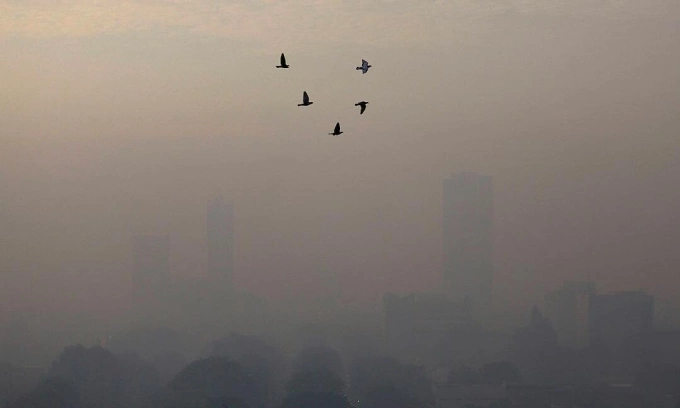
JAKARTA, April 9, 2026 — Indonesia remained Southeast Asia’s most polluted country in 2025, with fine particulate levels still six times higher than World Health Organization (WHO) safety guidelines despite a notable improvement from the previous year, according to a new report.
Swiss air quality monitoring firm IQAir said Indonesia’s annual average PM2.5 concentration fell to 30 micrograms per cubic meter in 2025, down nearly 16% from 35.5 in 2024. However, the level remains well above the WHO guideline of 5 micrograms.
Coal-fired power plants, particularly older facilities near Jakarta, continue to be a major source of pollution, the report said.
PM2.5 particles — small enough to enter the bloodstream — are linked to serious health risks including heart disease, stroke, lung cancer and premature death.
Separate research from the Jakarta-based Center for Research on Energy and Clean Air found pollution levels in the greater Jakarta area ranged between 30 and 55 micrograms per cubic meter, up to 11 times the WHO limit. Seasonal fires in Sumatra and Kalimantan, along with traffic congestion and industrial emissions, remain key contributors.
Despite Indonesia’s high ranking, the report highlighted broader regional progress. For the first time, all Southeast Asian countries met the WHO’s interim target of 35 micrograms per cubic meter.
IQAir attributed part of the improvement to La Niña weather conditions, which brought heavier rainfall and stronger winds, reducing the spread of haze from agricultural burning.
However, the report warned that gains driven by favorable weather could be temporary. Malaysia, for example, experienced one of its worst transboundary haze episodes in years in mid-2025, linked to forest and peatland fires in Indonesia.
Air quality trends were mixed across the region. Vietnam and Singapore recorded slight increases in pollution levels, while the Philippines saw a sharp 28% rise, partly due to expanded monitoring coverage and increased urban emissions.
Globally, only 13 countries met WHO air quality guidelines in 2025, down from 17 a year earlier. Pakistan recorded the highest pollution levels worldwide, followed by Bangladesh and Tajikistan.
IQAir’s annual report analyzed data from more than 9,400 cities across 143 countries and territories.
VN EXpress