17 Volunteer Divers Clear 470kg of Abandoned Fishing Gear in Koh Rong
 17 Volunteer Divers Clear 470kg of Abandoned Fishing Gear in Koh Rong
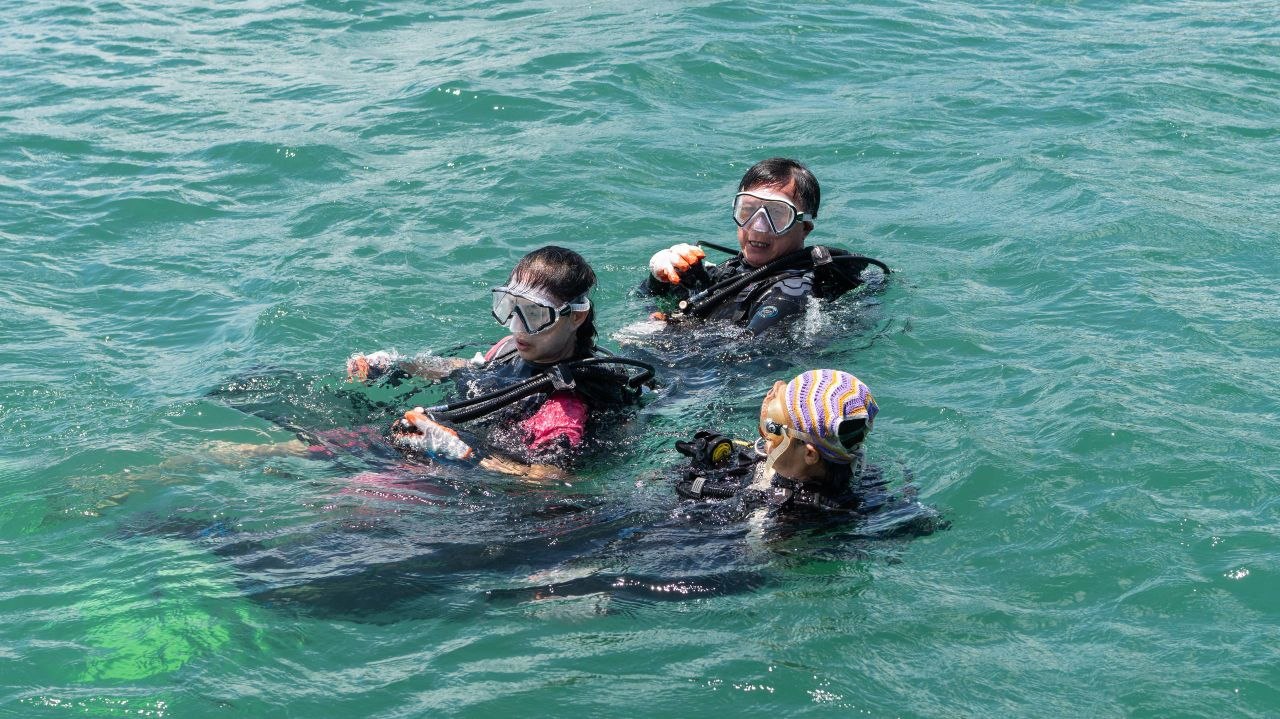
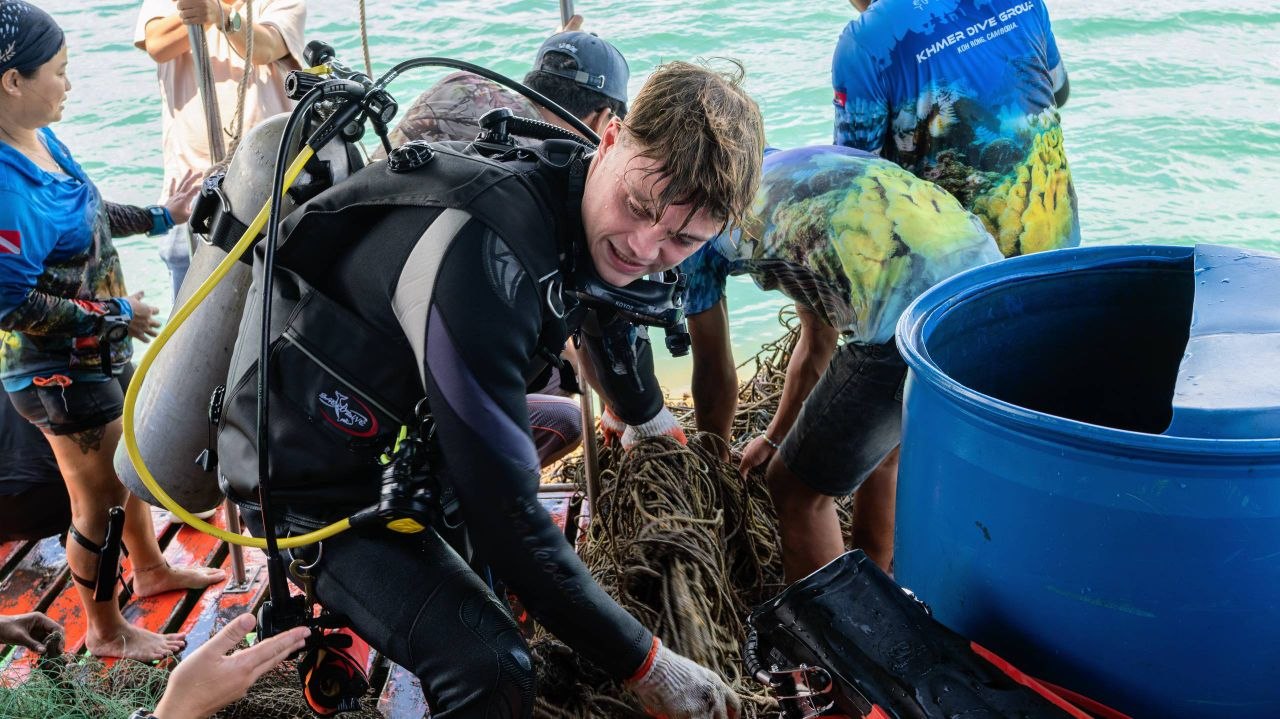
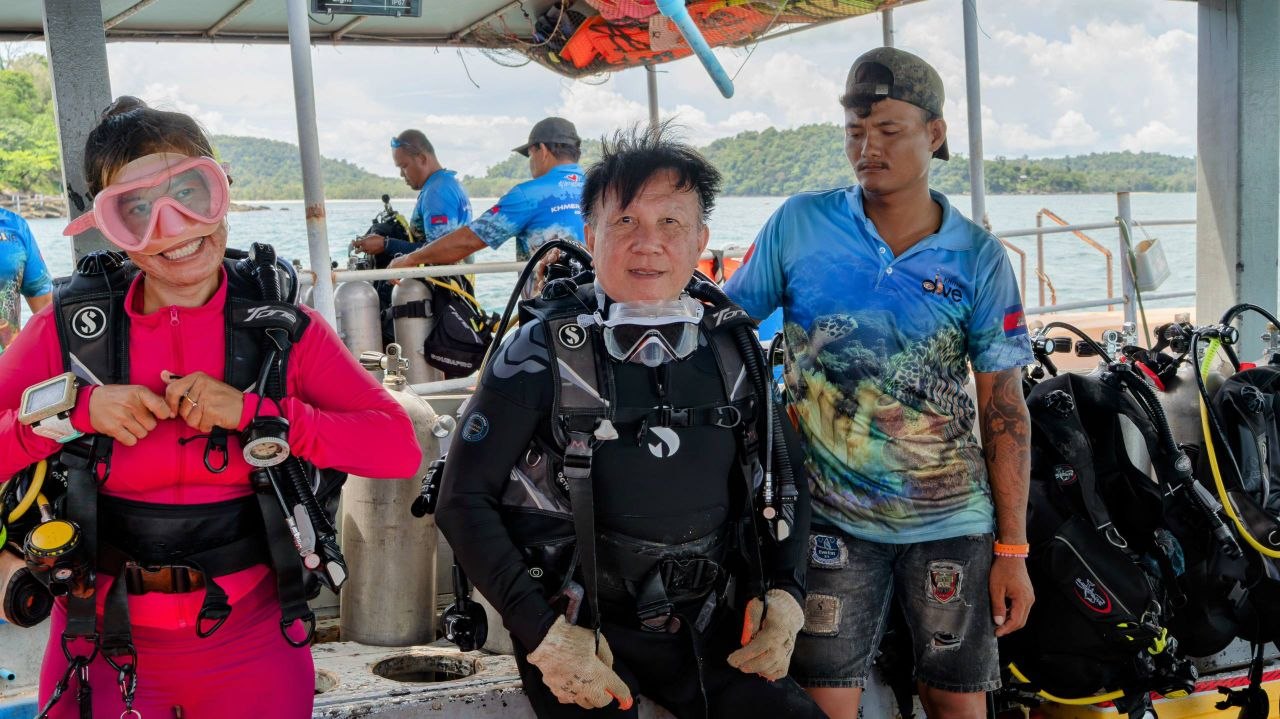
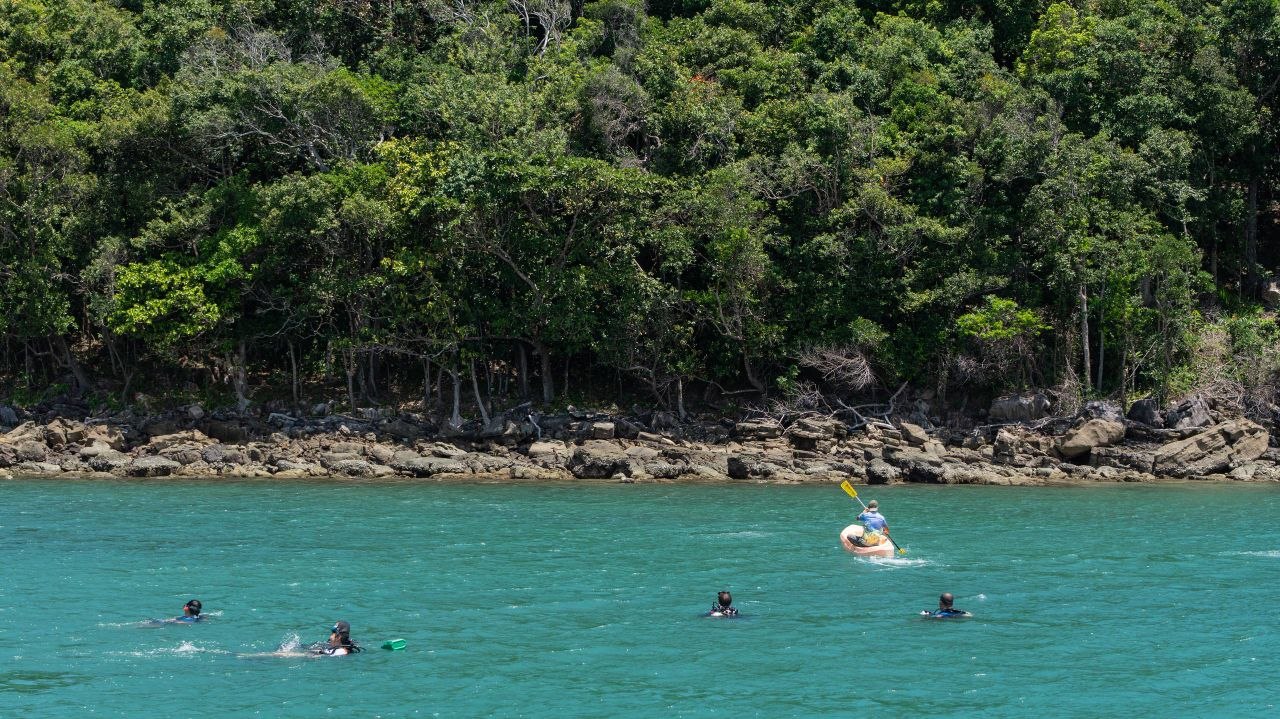
PREAH SIHANOUK, May 25, 2026 — A team of 17 volunteer divers removed nearly half a tonne of abandoned fishing equipment from the seabed around Cambodia’s Koh Rong Marine National Park during a major conservation campaign marking World Sea Turtle Day 2026.
The underwater cleanup operation took place on May 23 inside biodiversity-rich core zones of the Koh Rong archipelago marine park, where divers carried out two separate dives over a two-hour mission.
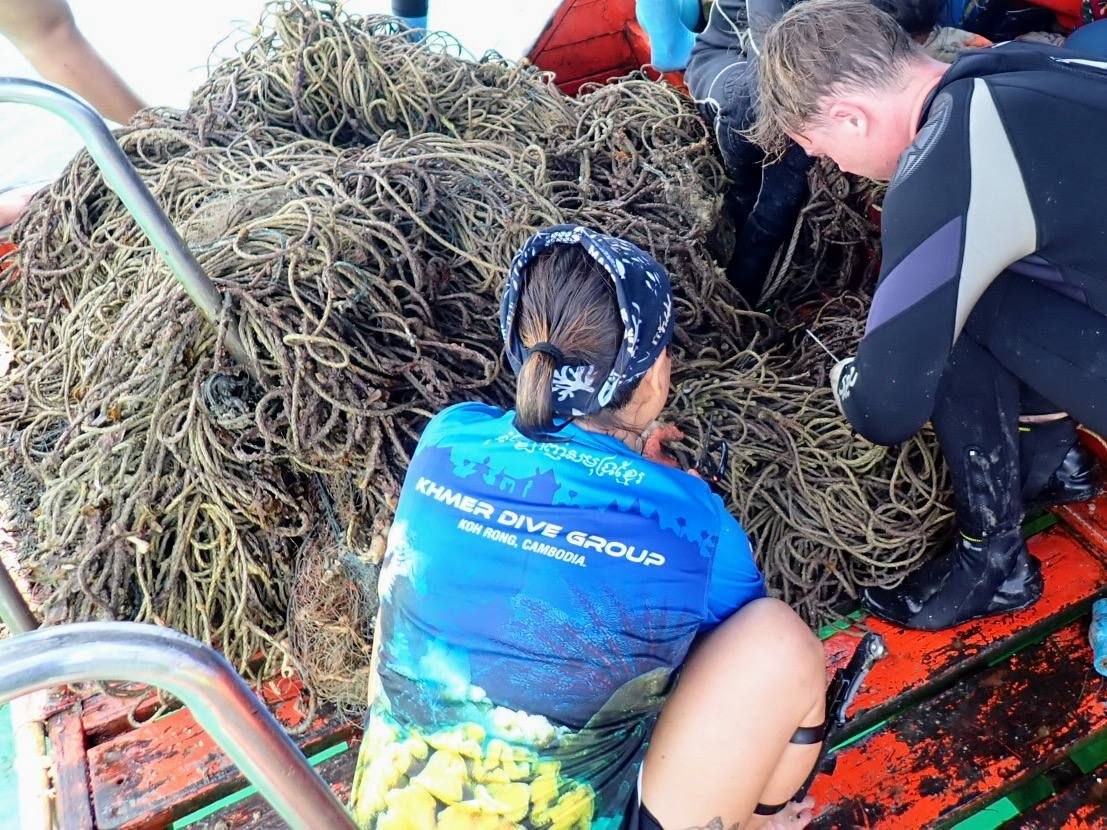
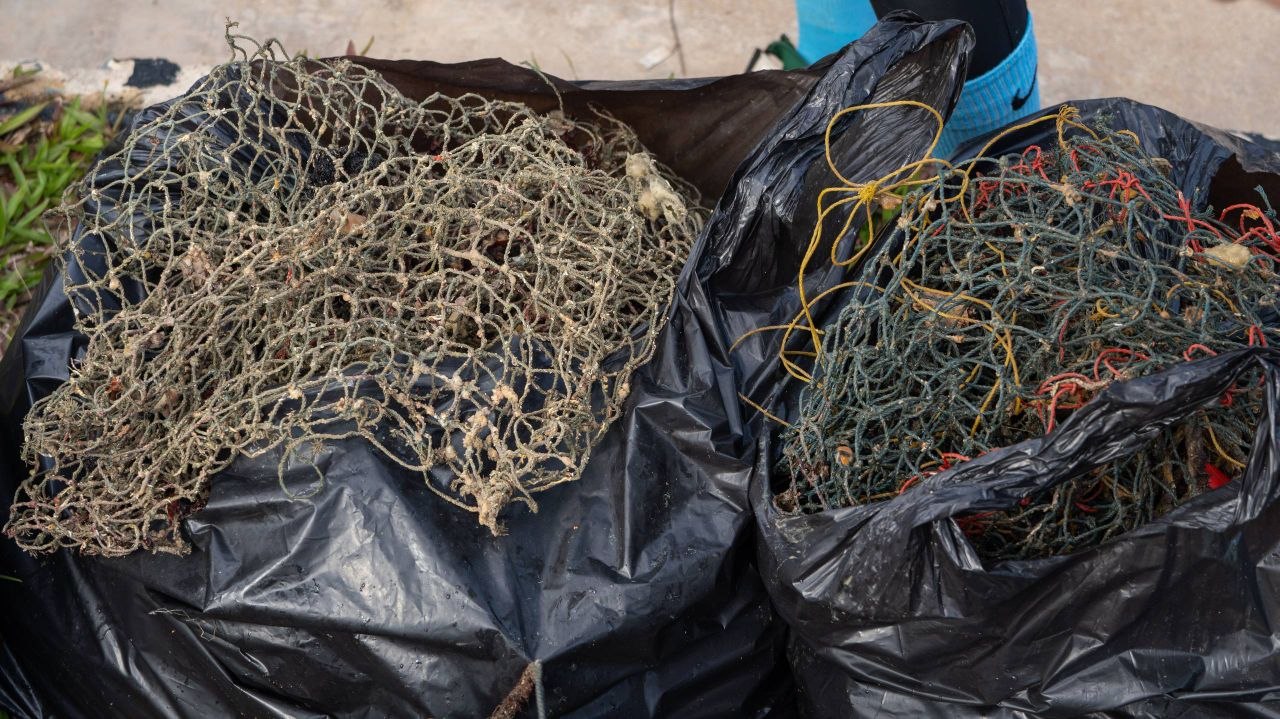
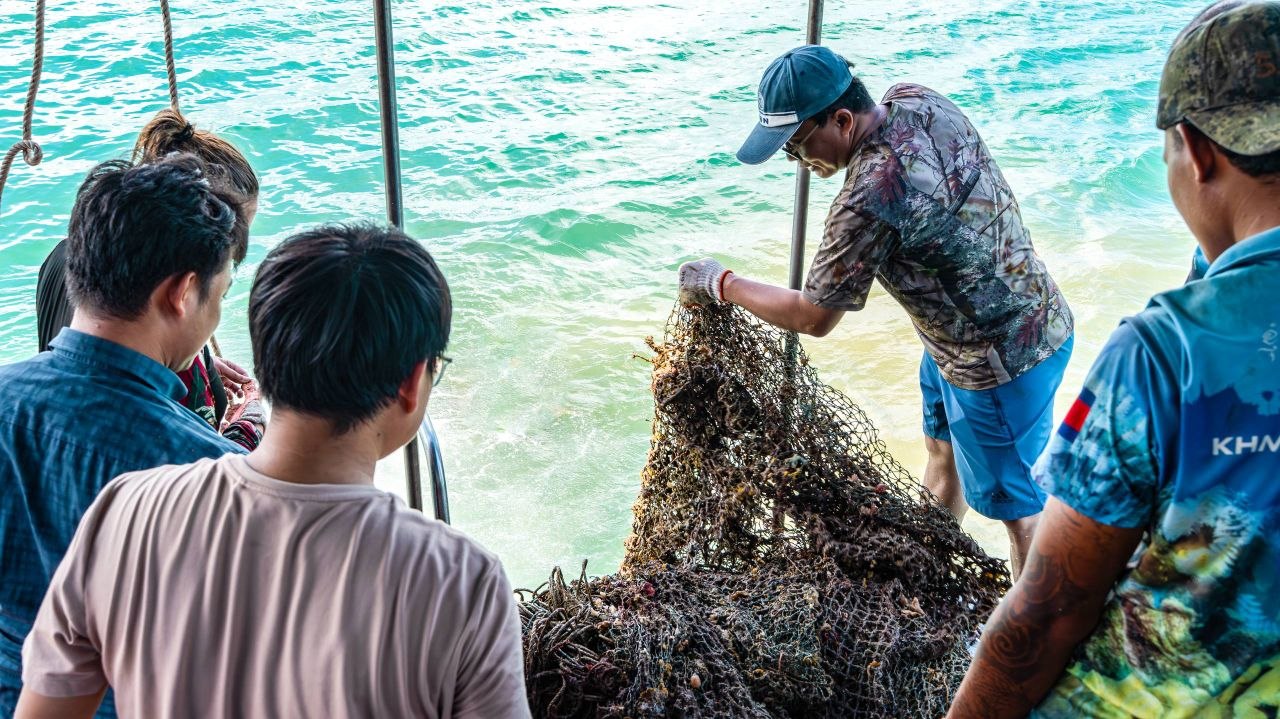
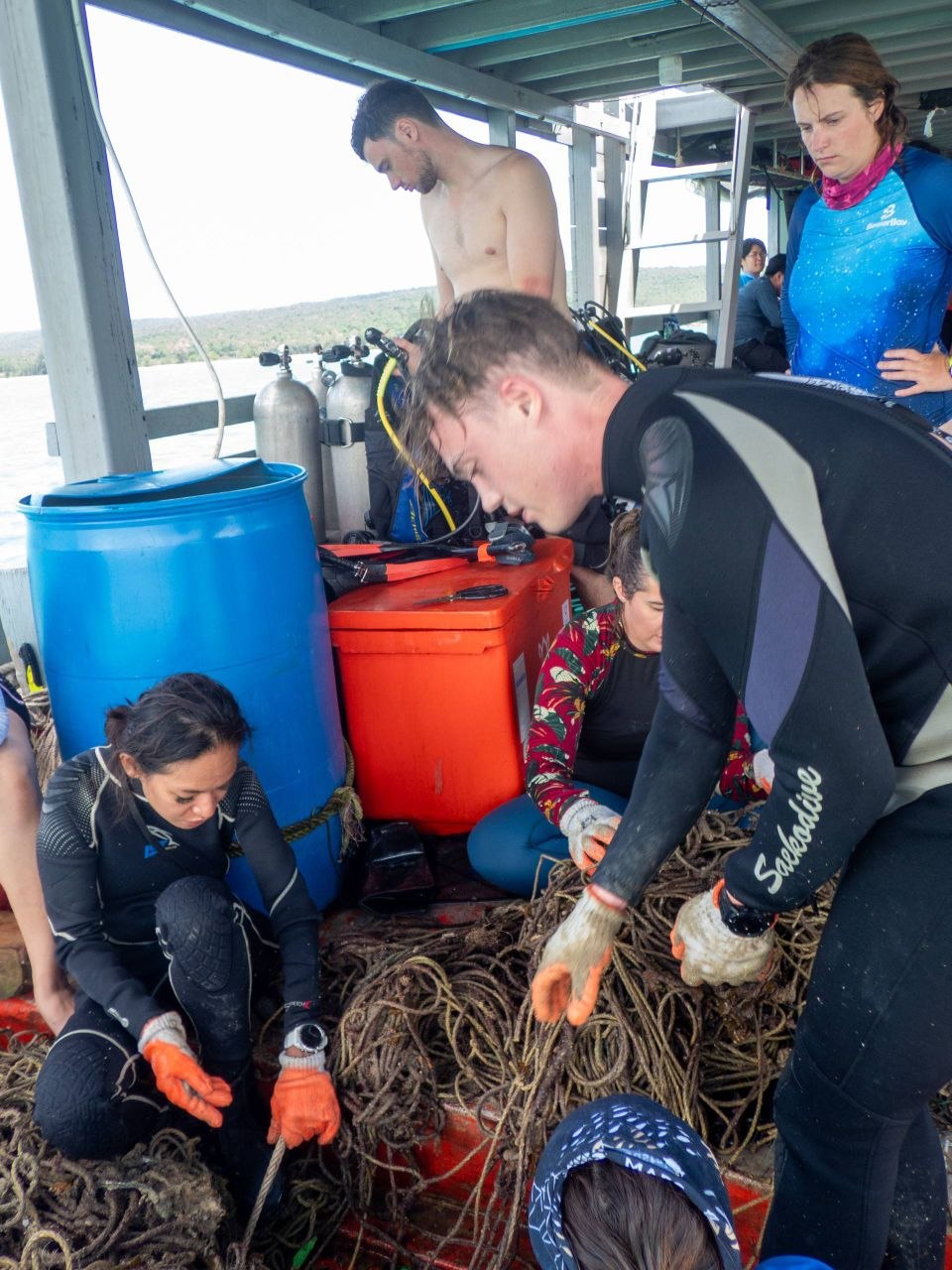
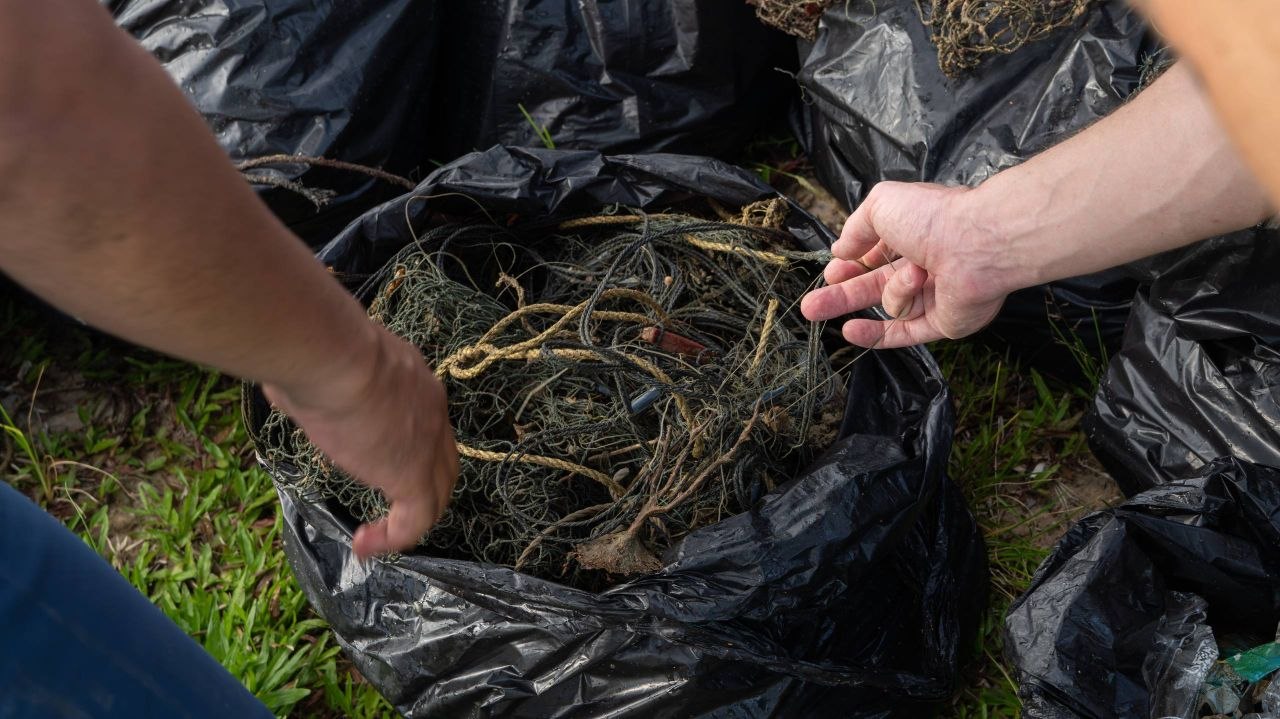
Organisers said the team recovered approximately 470 kilogrammes of so-called “ghost gear” — abandoned fishing equipment that continues trapping and killing marine life long after being discarded.
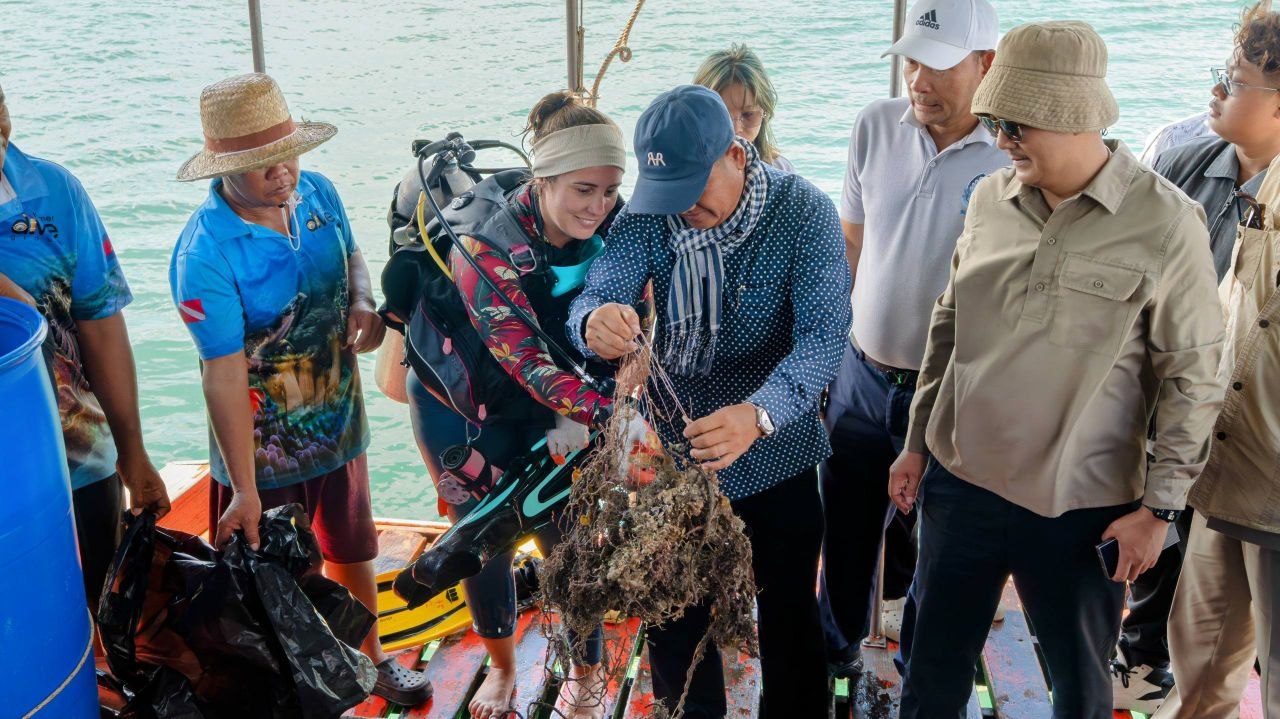
The operation was conducted under the supervision of Im Rachna, undersecretary of state at Cambodia’s Ministry of Agriculture, Forestry and Fisheries, alongside officials from Preah Sihanouk provincial authorities, the Fisheries Administration and environmental organisations.
According to organisers, the recovered waste included 400 kilogrammes of trawl nets, 30 kilogrammes of fishing traps, 15 kilogrammes of gill nets, five kilogrammes of long-line fishing equipment, three kilogrammes of fishing line and 17 kilogrammes of other marine debris.
Environmental officials described the discarded nets and lines as “death traps” that threaten sea turtles, dolphins, coral reefs and seagrass habitats across Cambodia’s coastal waters.
Speaking after the mission, Im Rachna praised the divers’ efforts and said the operation demonstrated how cooperation between volunteers, authorities and conservation groups could help protect marine biodiversity and restore damaged ecosystems.
She said the campaign aimed not only to clean the seabed but also to raise awareness among fishing communities and the wider public about the environmental dangers posed by abandoned fishing equipment.
The event brought together government agencies and conservation partners including Khmer Dive Group (KDG), Marine Resource Protection Organisation (MRPO), Fauna & Flora (F&F) and Song Saa Foundation (SSF).
Officials said all collected data would be used by Cambodia’s Fisheries Administration to support future marine conservation planning, fisheries management and sustainable “blue economy” development initiatives.
Cambodia has increasingly promoted marine conservation and eco-tourism around the Koh Rong archipelago, which contains important coral reef systems, seagrass beds and habitats for endangered marine species.