Surachart: Border Decisions Must Be Guided by Law, Not Politics
 Surachart: Border Decisions Must Be Guided by Law, Not Politics
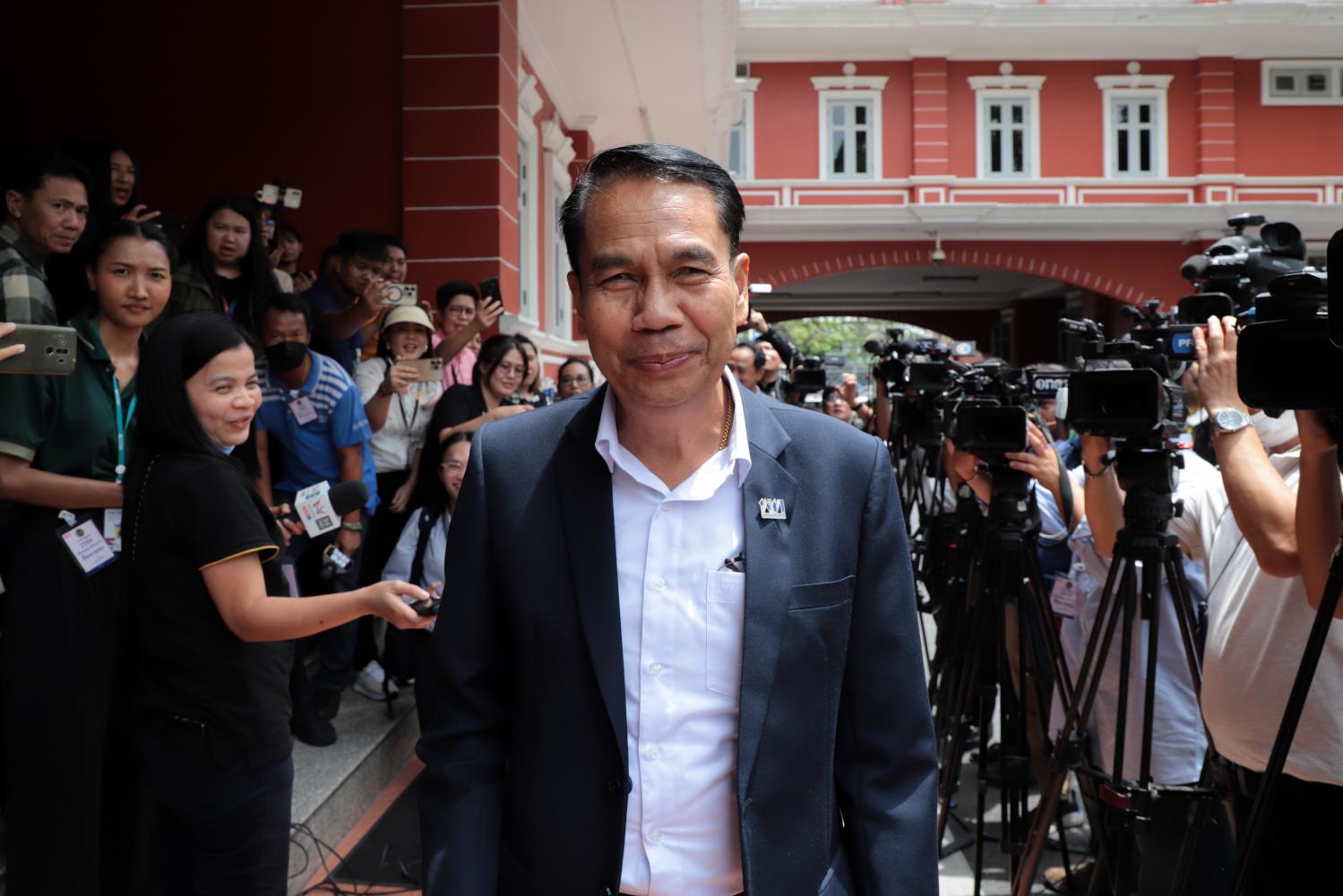
BANGKOK, June 5, 2026 — Prominent Thai security and geopolitical scholar Surachart Bamrungsuk has warned that Thailand risks undermining both its legal position and international credibility if it abandons the treaty framework governing its border with Cambodia.
In an article titled “Cambodia’s Trap! Is Anutin Leading Thailand Toward Another Defeat at the International Court?”, Surachart argued that proposals to reject historic boundary arrangements could have consequences extending far beyond the current dispute with Cambodia.
According to the scholar, any attempt to discard treaties and boundary arrangements that have already been ratified would raise serious concerns in diplomatic circles. He said such actions could create the perception that Thailand is willing to abandon international commitments whenever political circumstances change, potentially damaging the country’s reputation and reliability on the international stage.
Surachart also urged Prime Minister Anutin Charnvirakul to seek advice from experienced professionals and career diplomats familiar with the legal and historical foundations of the border issue. He specifically referenced Foreign Minister Sihasak Phuangketkeow, describing him as a seasoned diplomat who understands the complexities of the matter.
The academic suggested that professional expertise within government institutions should play a greater role in shaping national policy. He warned that when technical knowledge is overshadowed by political considerations, governments risk making decisions that could have lasting consequences for national interests.
According to Surachart, permanent state institutions such as legal affairs departments, treaty offices and military mapping agencies serve as the custodians of historical records, legal documents and institutional knowledge accumulated over generations. Their expertise, he argued, is essential when dealing with sensitive issues involving sovereignty and international law.
He stressed that in a healthy governance system, elected leaders establish political direction while professional officials must be willing to provide candid advice and raise concerns when policies could expose the country to legal or diplomatic risks.
Surachart expressed concern that officials with relevant expertise may be reluctant to publicly challenge positions already adopted by political leaders. If informed opinions are ignored or suppressed, he warned, the ultimate consequences would be borne by the nation rather than individual politicians.
The scholar further cautioned that mistakes involving international boundaries are fundamentally different from ordinary policy errors because they may have permanent implications. Decisions affecting territorial claims and border arrangements cannot easily be reversed once legal rulings or international agreements take effect.
He concluded that many officials within Thailand’s legal, treaty and mapping institutions are already aware of the strengths and weaknesses of the competing arguments surrounding the border issue. The key question, he said, is whether those with the necessary expertise will be able to openly present their professional assessments before irreversible decisions are made.
The article reflects growing debate within Thailand over the balance between political leadership, legal obligations and expert advice as Bangkok navigates sensitive border issues with Cambodia.