Thai Analyst Says Border Strategy Must Learn From Lessons of 1962
 Thai Analyst Says Border Strategy Must Learn From Lessons of 1962
BANGKOK, June 5, 2026 — Thai security and geopolitical scholar Surachart Bamrungsuk has argued that the legal lessons of the Preah Vihear Temple case remain highly relevant to current debates over Thailand’s border policy toward Cambodia, warning against reliance on maps lacking mutual recognition.
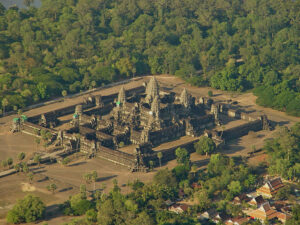
In his article titled “Cambodia’s Trap! Is Anutin Leading Thailand Toward Another Defeat at the International Court?”, Surachart drew comparisons between present-day arguments over border maps and the legal reasoning that led to Thailand’s defeat in the 1962 International Court of Justice (ICJ) ruling on Preah Vihear.
According to Surachart, Cambodia based its case on the original boundary delimitation maps produced following the Franco-Siamese treaties, while Thailand relied on maps prepared independently by Thai experts. The ICJ ultimately ruled in Cambodia’s favor by a vote of 9-3 on June 15, 1962.
The scholar stressed that the Court did not base its decision primarily on geographical measurements or competing interpretations of watershed lines. Instead, the ruling rested largely on the principle of acquiescence — the idea that a state’s conduct over time can amount to acceptance of a particular legal position.
Surachart noted that the Court found Siam had received the boundary maps and had not formally objected to them for decades. The judgment also referred to historical events, including a 1930 visit to Preah Vihear by Prince Damrong Rajanubhab, during which French authorities received the delegation at the temple without any recorded protest from Siam.
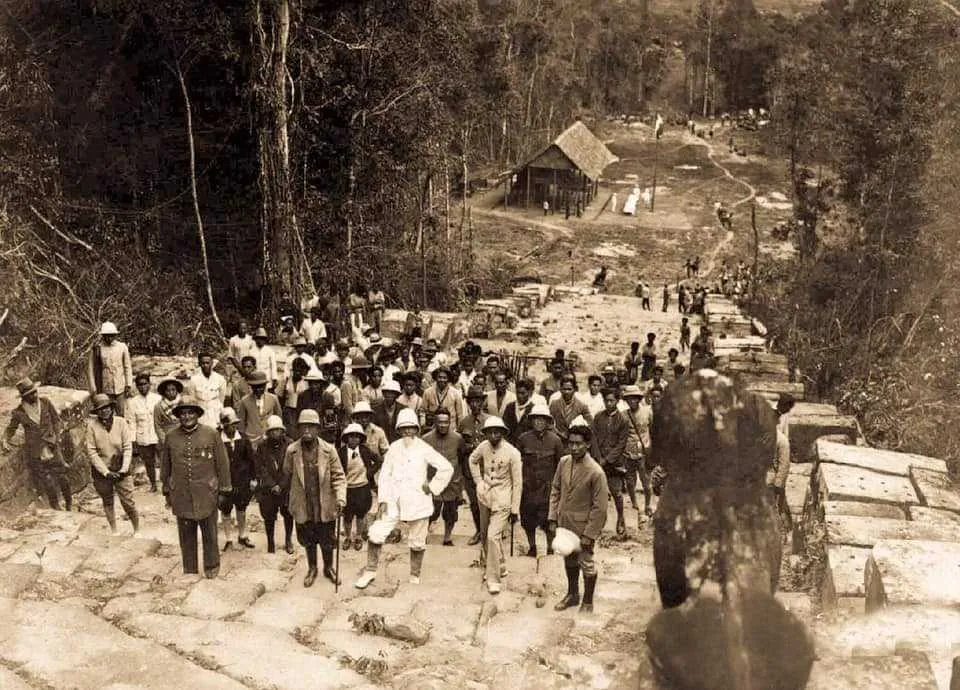
According to the scholar, the Court concluded that Thailand’s prolonged silence constituted implicit acceptance of the maps, giving them legal significance regardless of subsequent objections. In international law, he argued, the conduct of a state often carries greater weight than later political statements.
Surachart warned that attempts to rely on Thailand’s 1:50,000 military maps could face similar difficulties because such maps were never jointly recognized by both sides. He suggested that presenting unilateral maps as primary evidence could repeat an approach that had already proven unsuccessful in previous litigation.
The academic also challenged a longstanding narrative within Thailand that the country was simply misled by colonial-era France during the boundary-making process. Historical records, he argued, indicate that Siam actively participated in the delimitation process and possessed functioning institutions capable of reviewing and distributing the maps.
He pointed to evidence showing that Siamese authorities officially received the maps in 1908 and circulated copies through government channels, including provincial administrations and diplomatic missions abroad. Such actions, he said, demonstrate awareness of the documents and weaken arguments that Siam lacked understanding of the boundary process.
According to Surachart, this historical record presents a dual reality. On one hand, it refutes claims that Siam was uninformed or incapable of understanding the delimitation process. On the other, it strengthens the legal argument that Siam knowingly accepted the maps, a factor that later became central to the ICJ’s reasoning.
The scholar concluded that the Thailand-Cambodia border should be viewed as a whole rather than through isolated contested segments. He argued that the existing treaty framework contains areas that may favor both sides and that a balanced assessment of the entire boundary could reveal advantages for Thailand as well as challenges.