Cambodia’s Population to Hit 24 Million by 2050, PM Says
 Cambodia’s Population to Hit 24 Million by 2050, PM Says
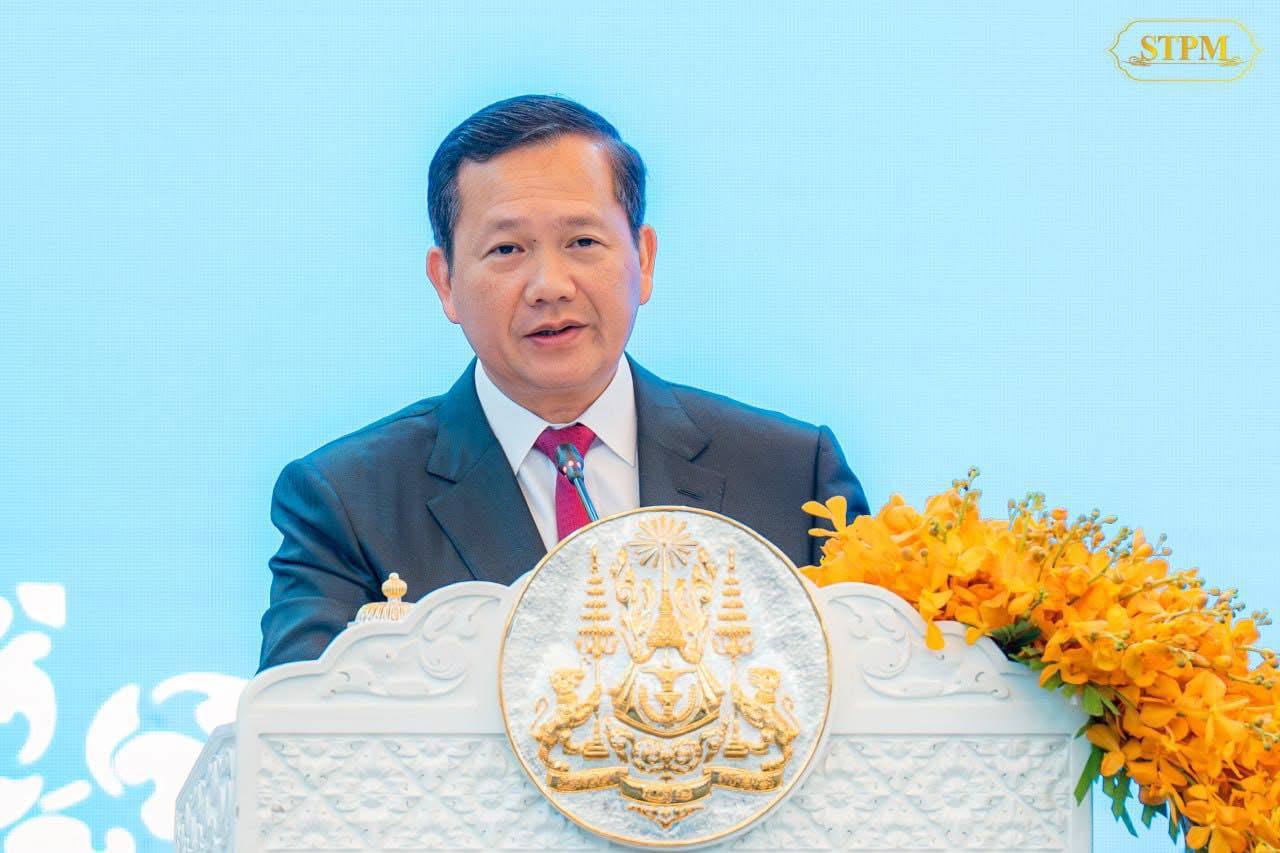
PHNOM PENH, 15 July 2026 — Cambodia’s population is projected to reach approximately 24 million by 2050, according to Prime Minister Hun Manet, who called for evidence-based population policies to prepare the country for significant demographic changes in the decades ahead.
In a message marking the 37th World Population Day on 11 July 2026, Hun Manet cited findings from Cambodia’s 2024 Intercensal Population Survey, which recorded the country’s population at 17.3 million.
The survey showed that people under the age of 15 account for 26.8% of the population, those aged 15-34 make up 34.6%, the 35-64 age group represents 32.1%, while people aged 65 and above account for 6.5%.
Hun Manet said the data demonstrates that population trends are closely linked to the quality of human resources, labour force development, employment, public service delivery, family welfare and future social security.
He stressed that population policies must be based on accurate, timely and reliable data to support informed decision-making and ensure Cambodia’s development remains inclusive, sustainable and leaves no one behind.
According to the government’s medium-fertility projection scenario, Cambodia’s population is expected to increase to around 24 million by 2050.
Under the projection, the proportion of children under 15 is expected to decline to 21.8%, while the population aged 15-34 is projected to fall to 28.2%.
Meanwhile, the proportion of people aged 35-64 is forecast to rise to 37.2%, and those aged 65 and above are expected to nearly double to 12.7%, reflecting Cambodia’s transition towards an ageing society.
In response to the projected demographic changes, Hun Manet encouraged ministries, government institutions, development partners, the private sector, civil society organisations and other stakeholders to focus on four key priorities.
These include strengthening population data systems and evidence-based policymaking, investing in education, skills development and quality employment for young people, improving healthcare, social welfare, gender equality and protection for vulnerable groups, and preparing the country for long-term demographic change and population ageing.