CMAC Briefs Foreign Military Officials on Ordnance Left by 2025 Conflict
 CMAC Briefs Foreign Military Officials on Ordnance Left by 2025 Conflict
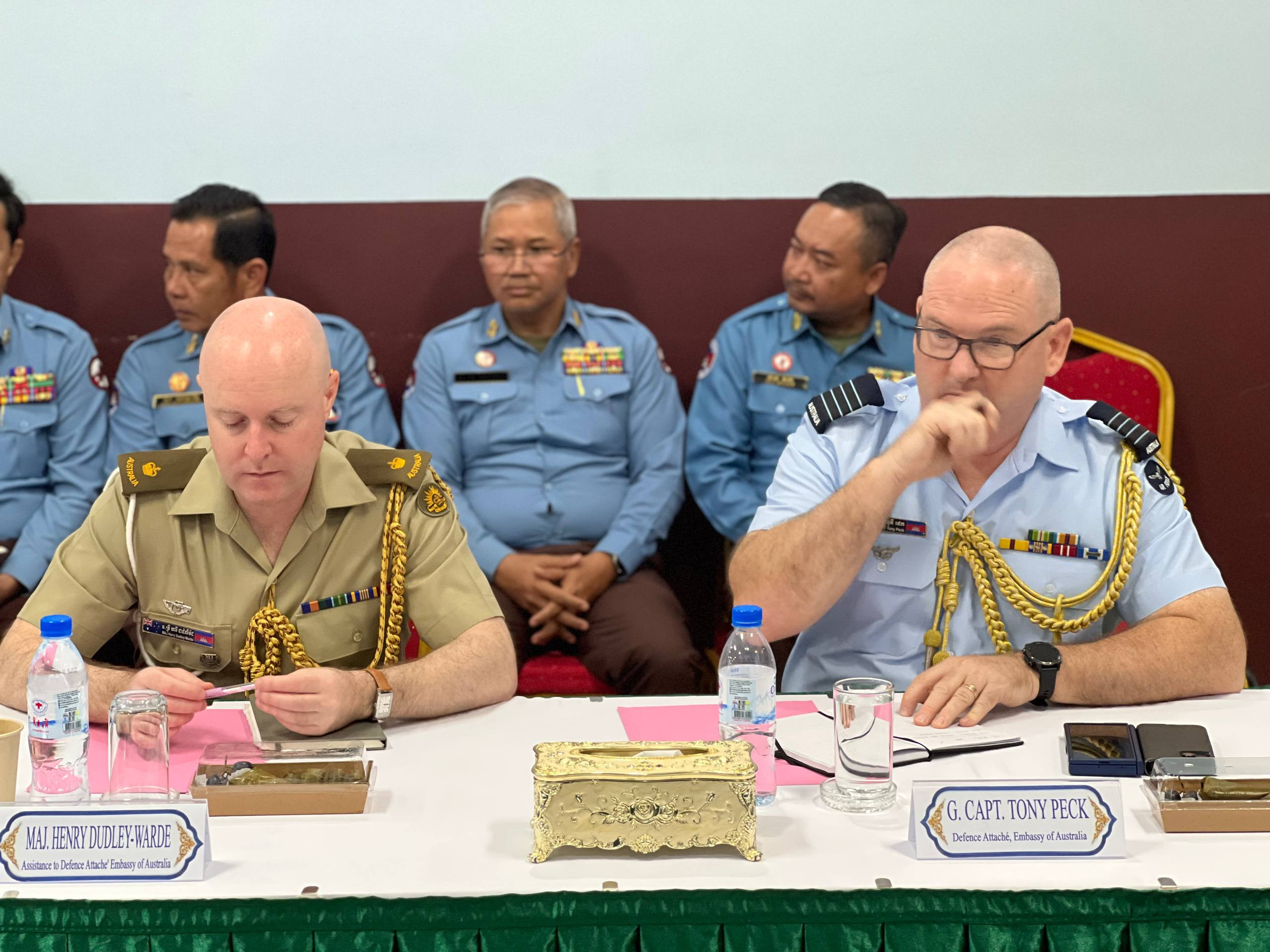
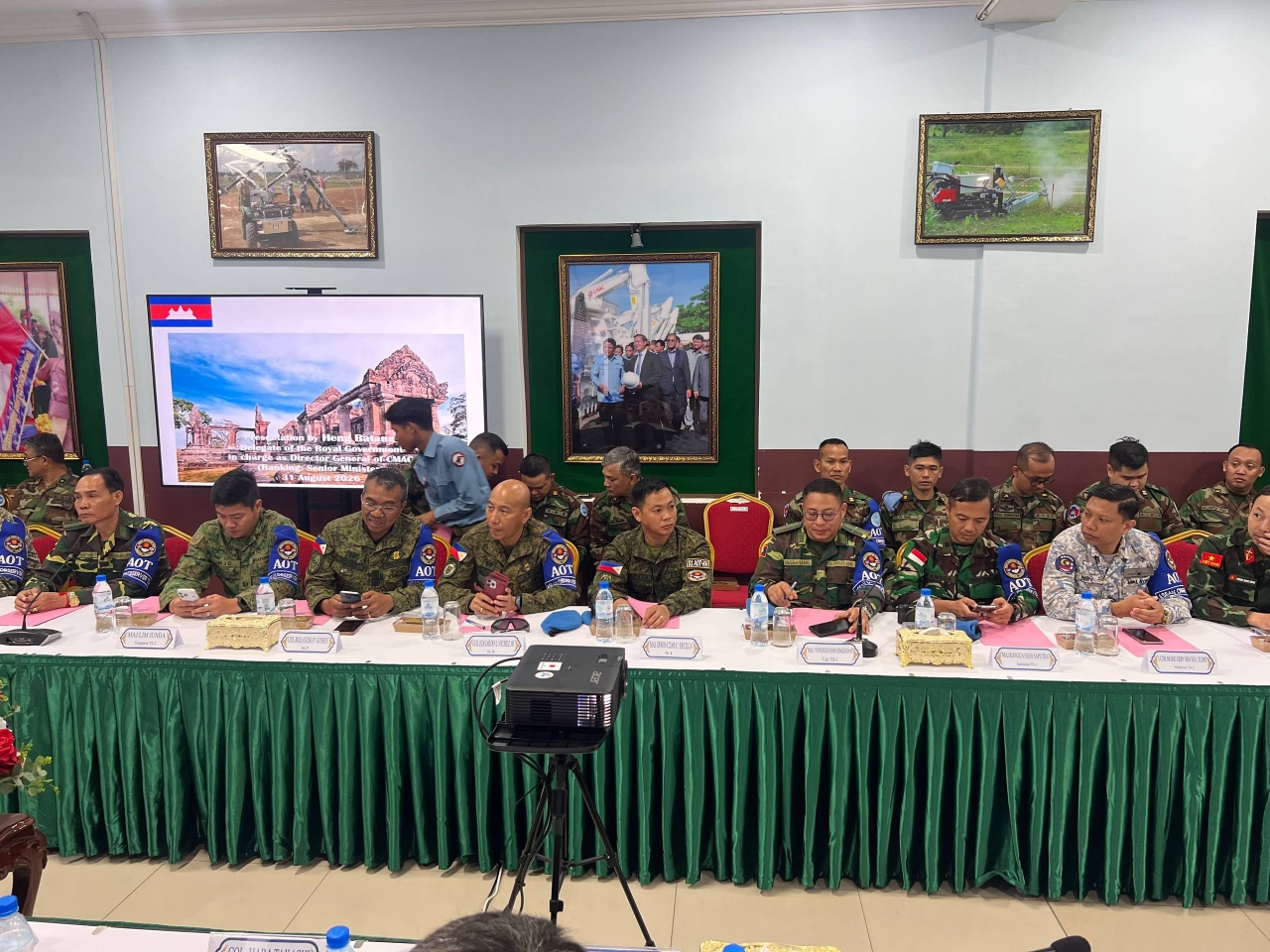
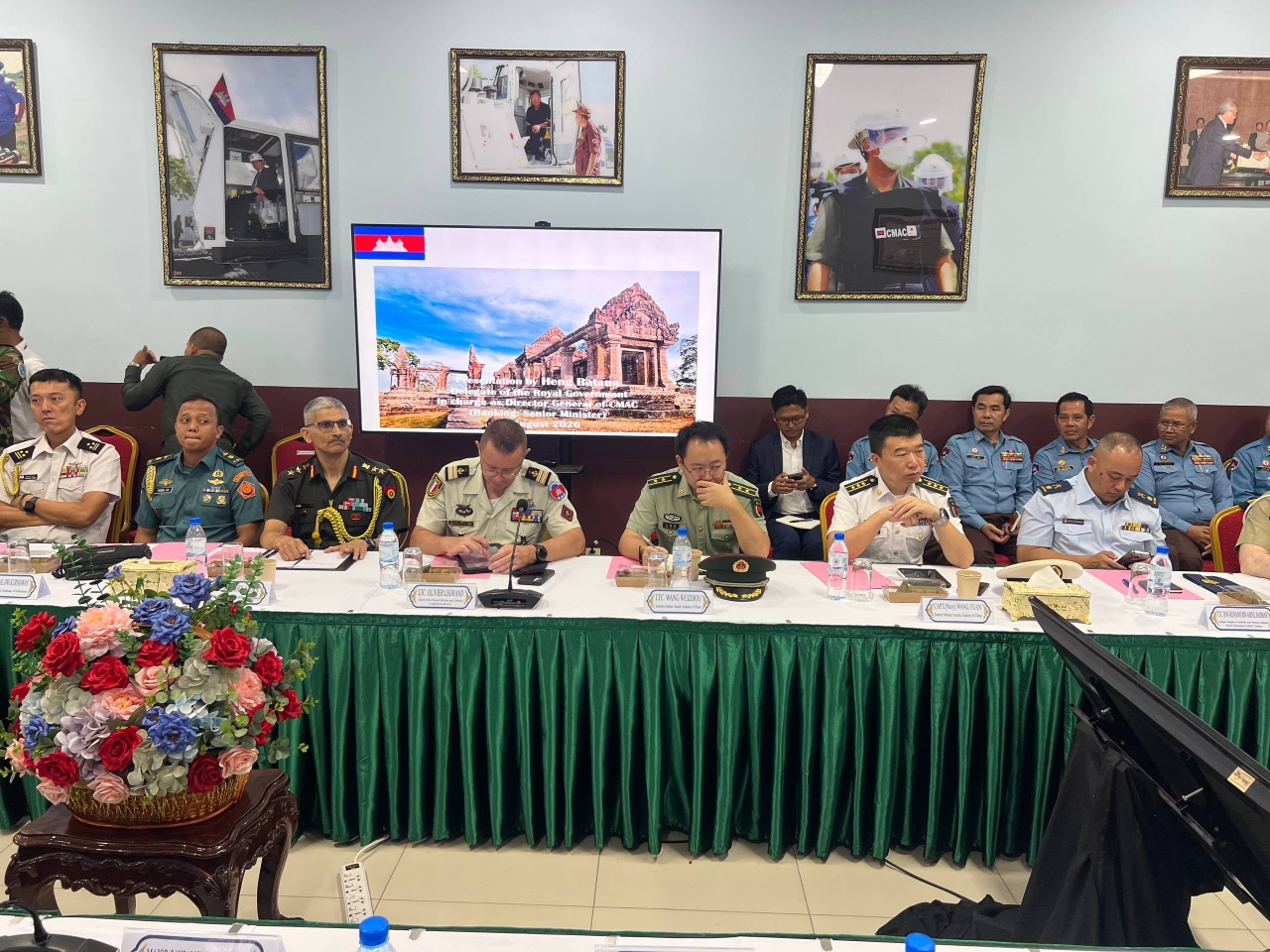
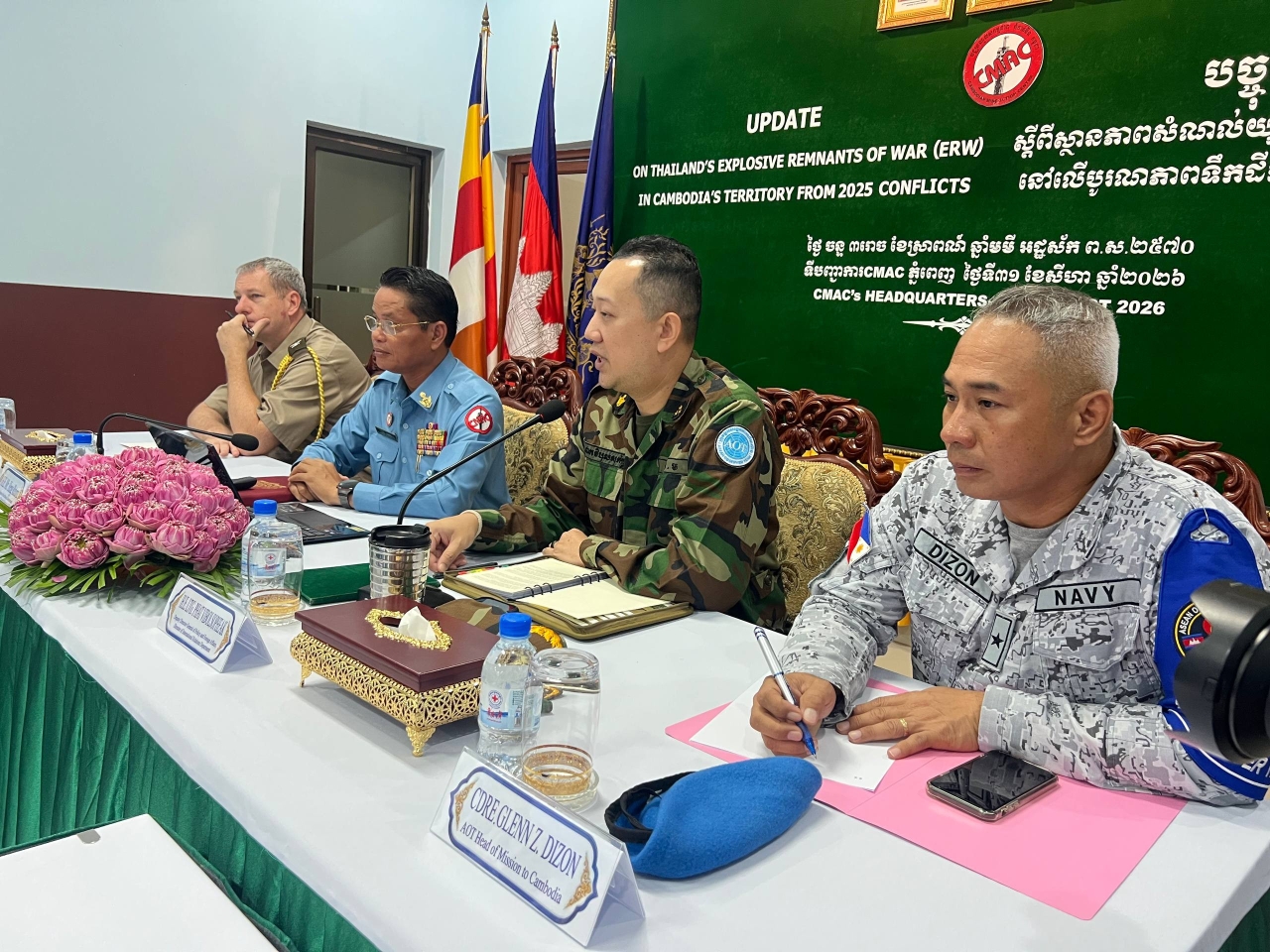
PHNOM PENH, Aug. 31, 2026 — Cambodia’s demining agency on Monday briefed military attachés and ASEAN observers on what it described as remnants of military ordnance left on Cambodian territory during the 2025 conflict with Thailand.
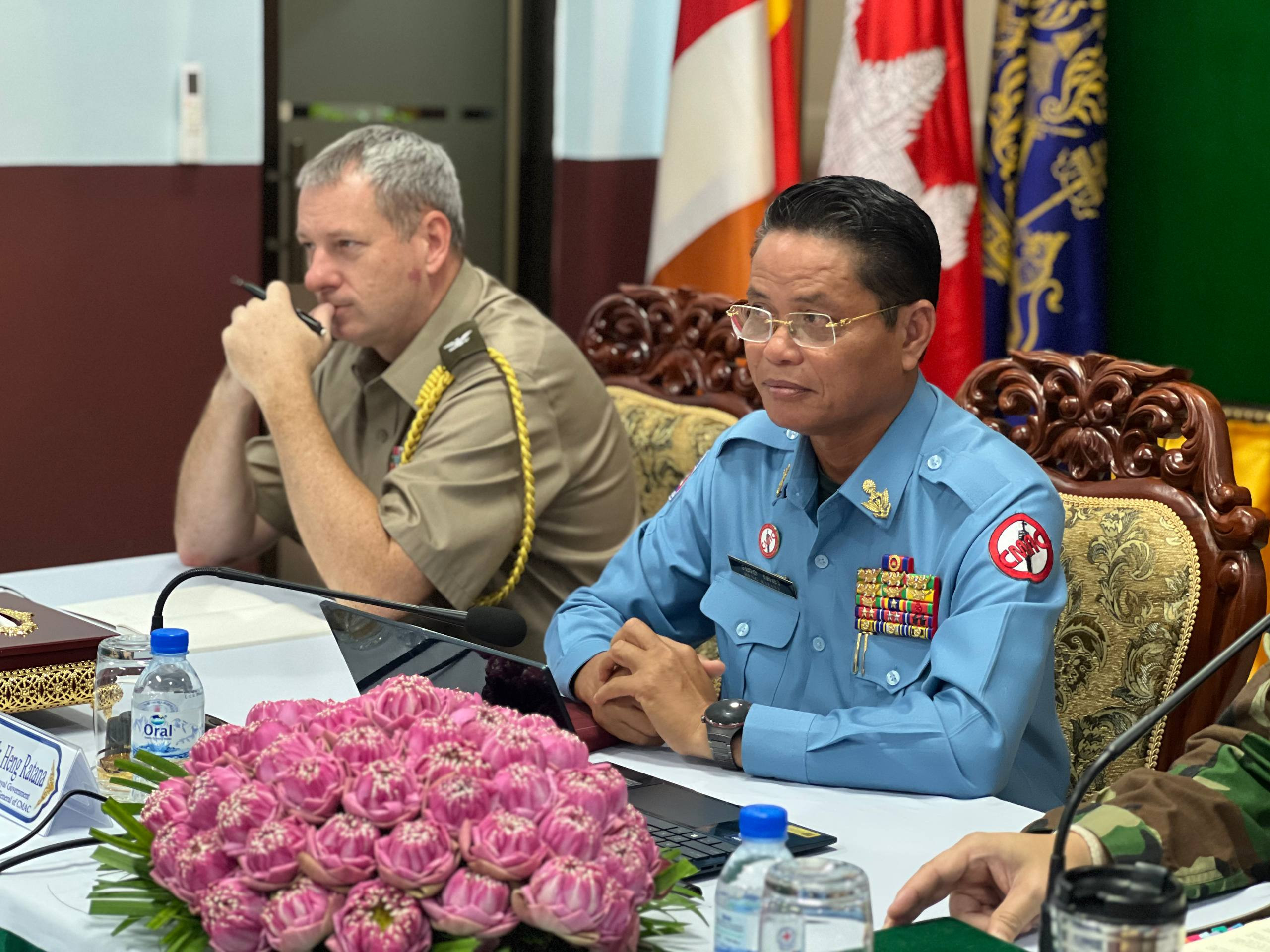
Heng Ratana, a government representative and director-general of the Cambodian Mine Action Centre (CMAC), delivered the briefing at CMAC headquarters in Phnom Penh, according to a statement.
The session was attended by Lieutenant General Phat Vibolsopheak, deputy director-general of the General Department of Policy and Foreign Affairs at the Ministry of National Defence, as well as CMAC officials.
The briefing aimed to provide detailed information on the impact and challenges posed by unexploded and other remnants of war, as well as Cambodia’s efforts to clear contaminated areas and ensure the safety of civilians and facilitate development, CMAC said.
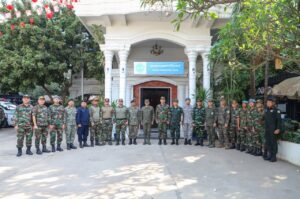
The participation of military attachés and ASEAN observers was intended to provide a closer understanding of conditions on the ground and strengthen regional cooperation, it added.
CMAC said its teams were continuing clearance operations in residential areas affected by the 2025 conflict, following an order from Prime Minister Hun Manet to prioritise measures needed to allow displaced residents to return to their homes safely.
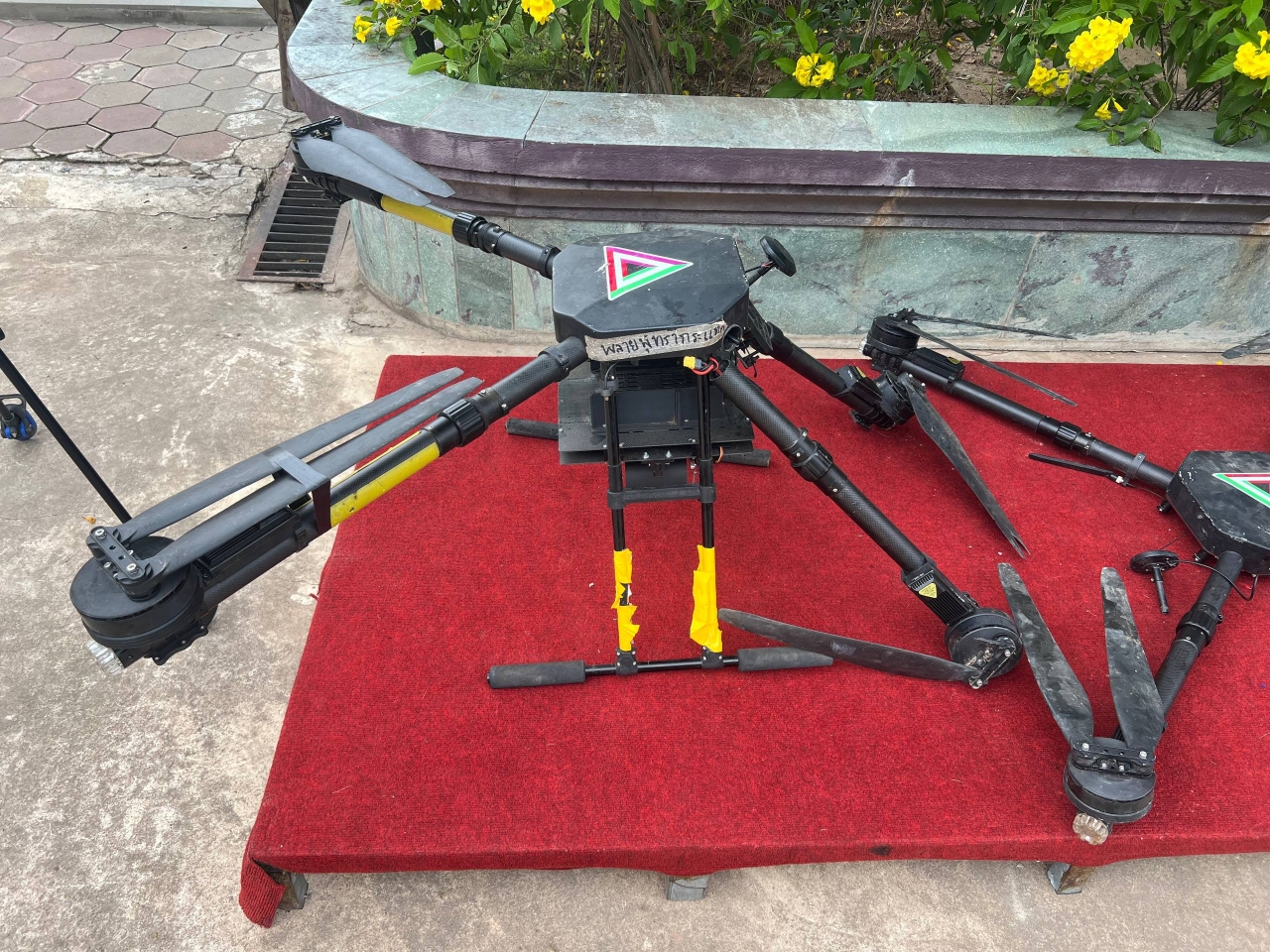
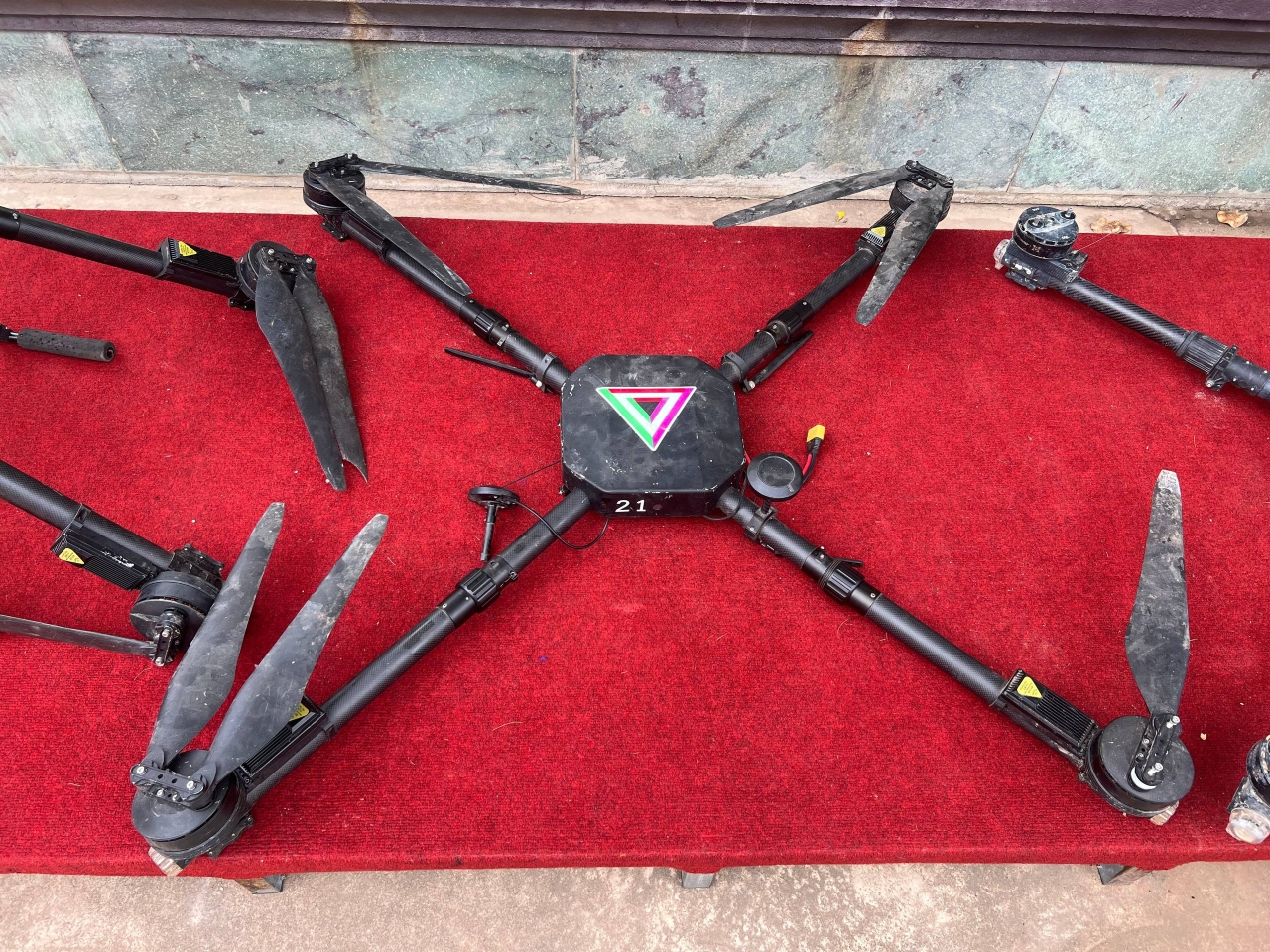
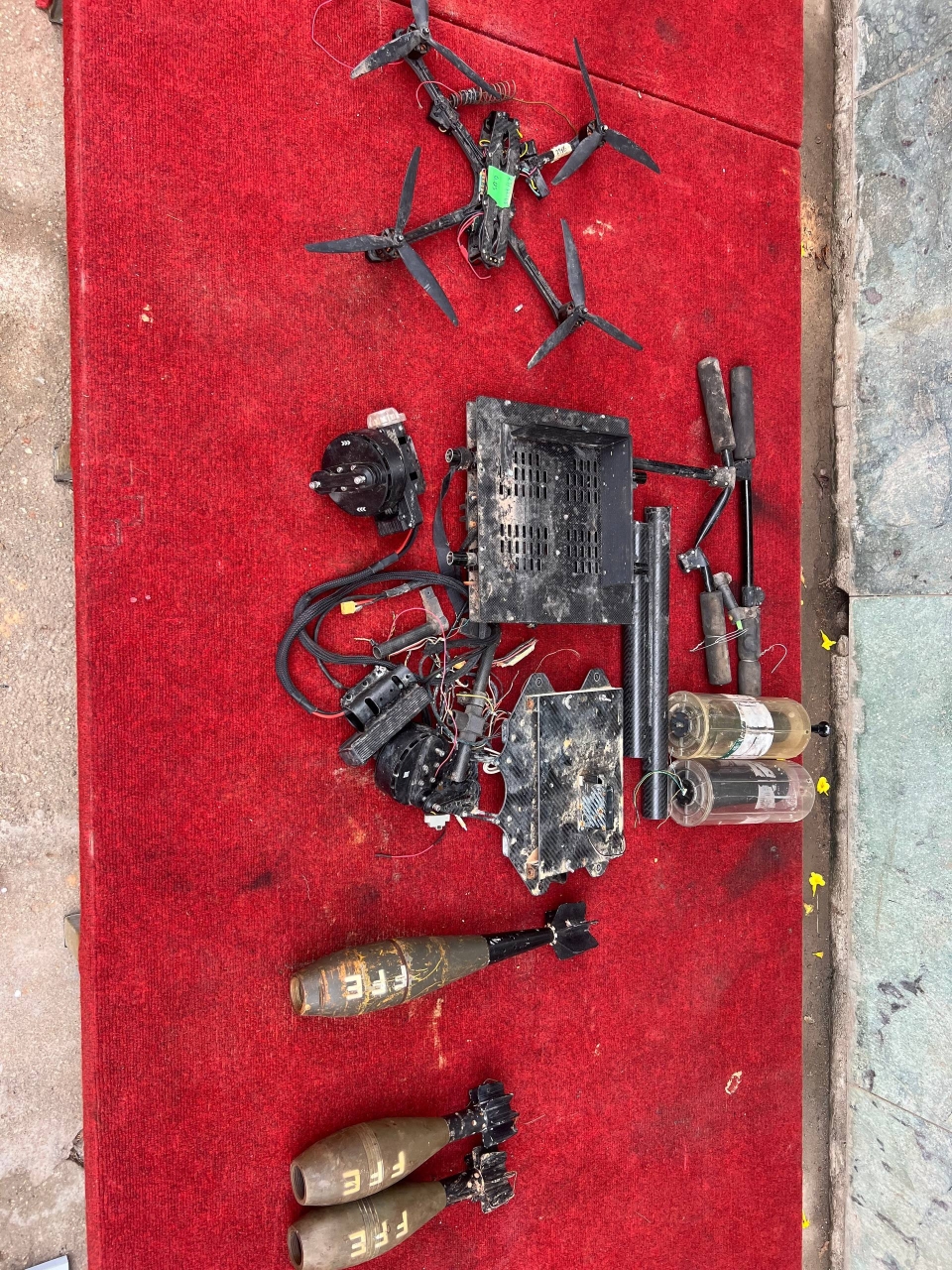
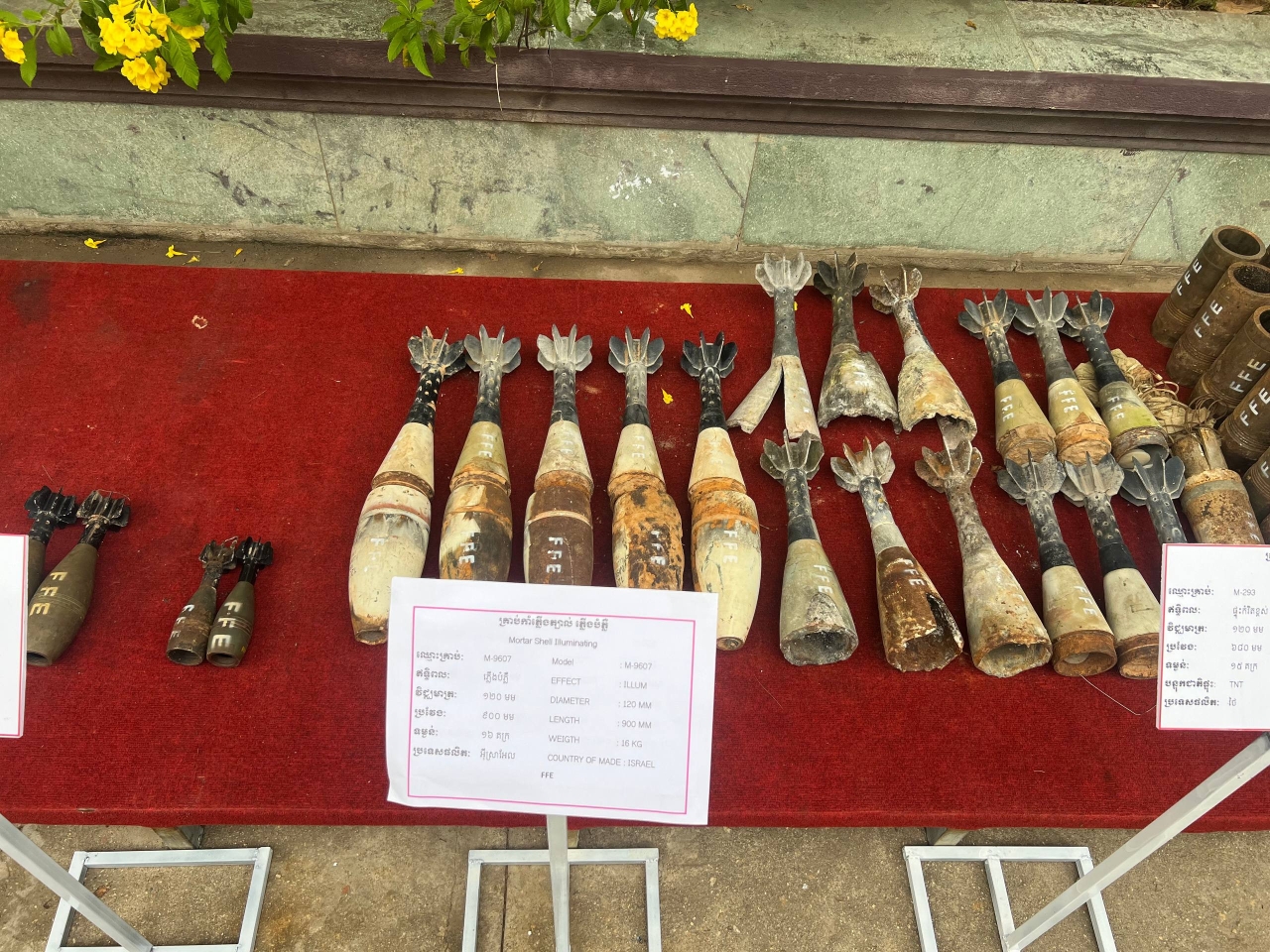
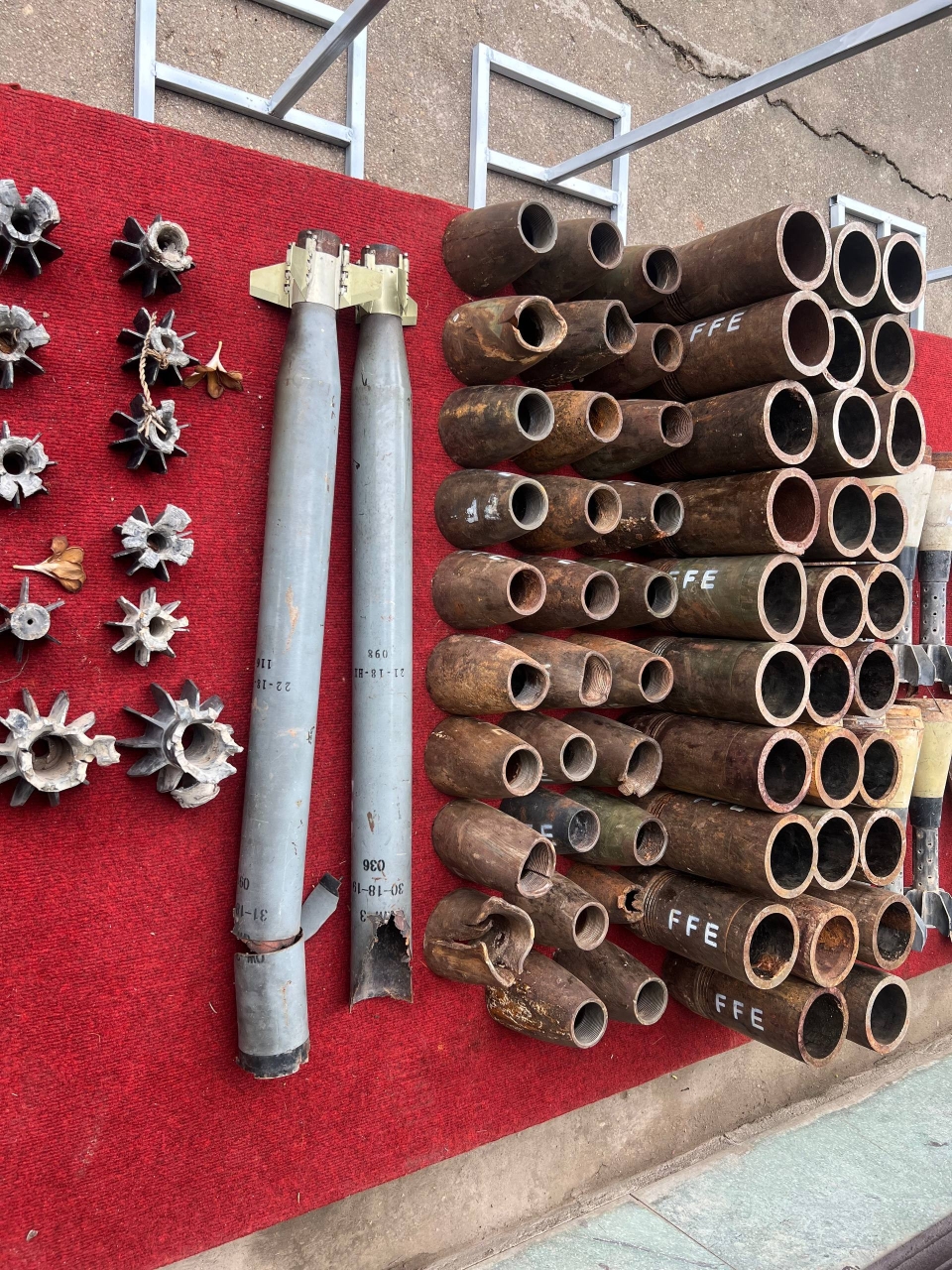
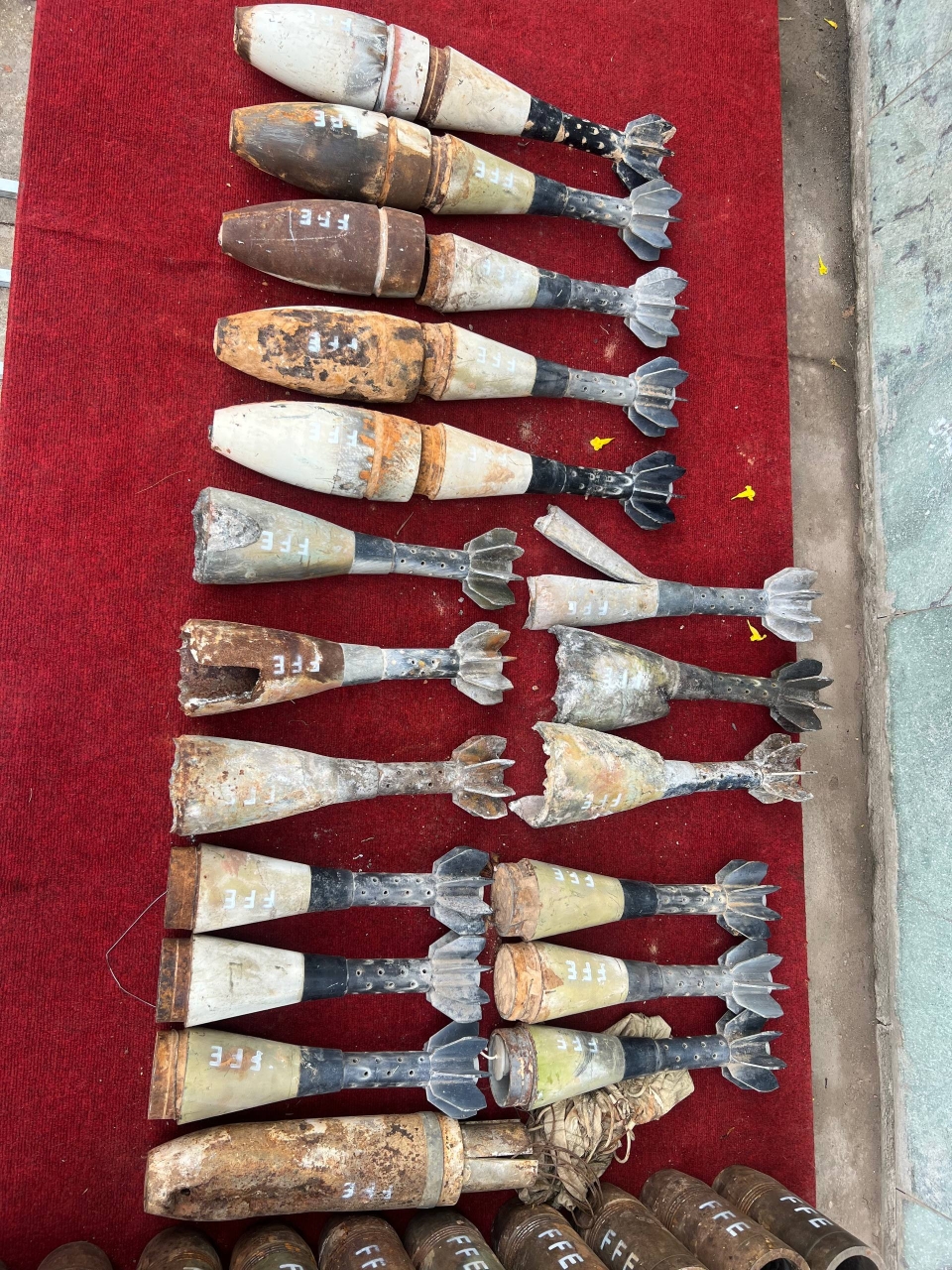
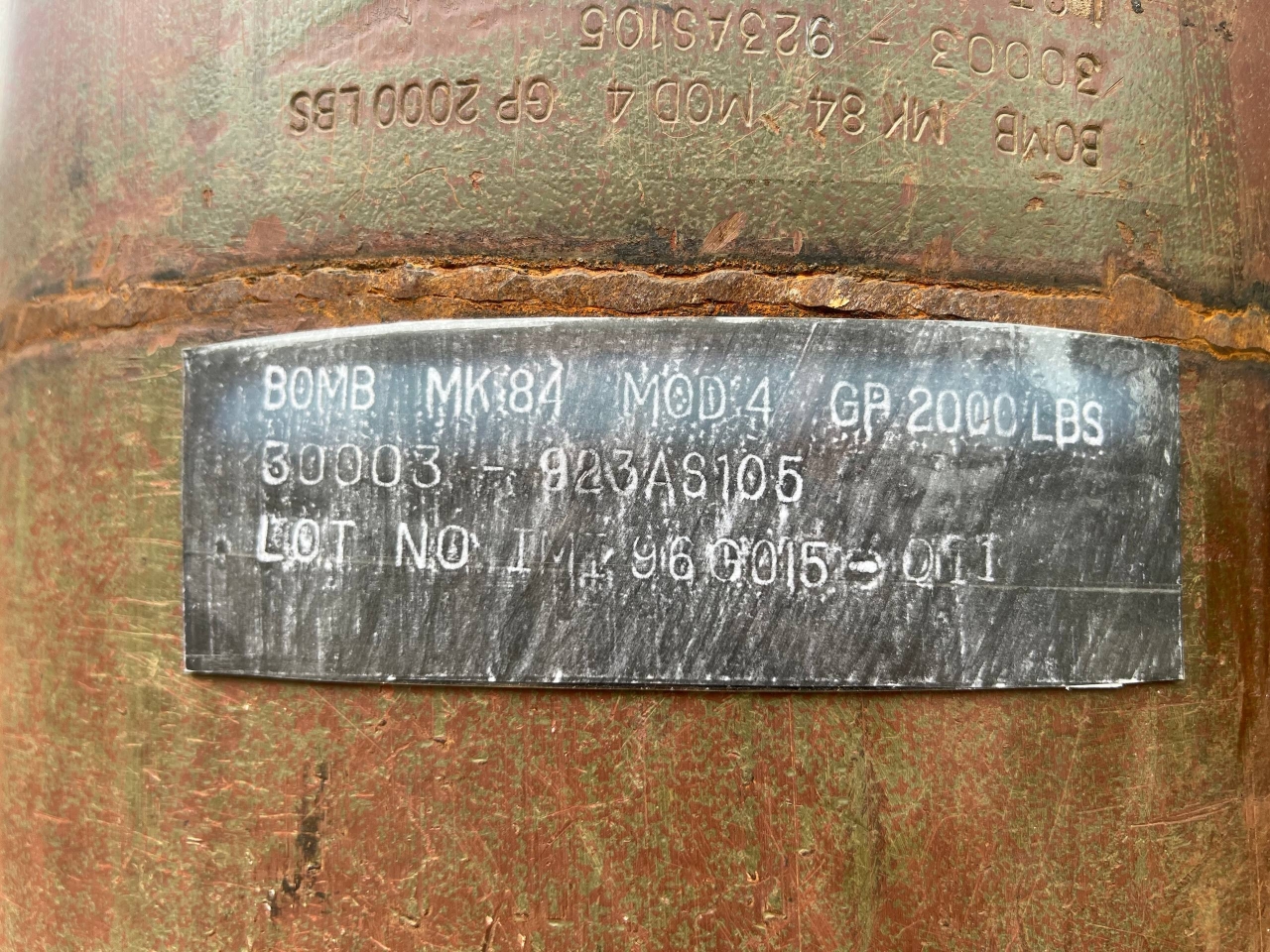
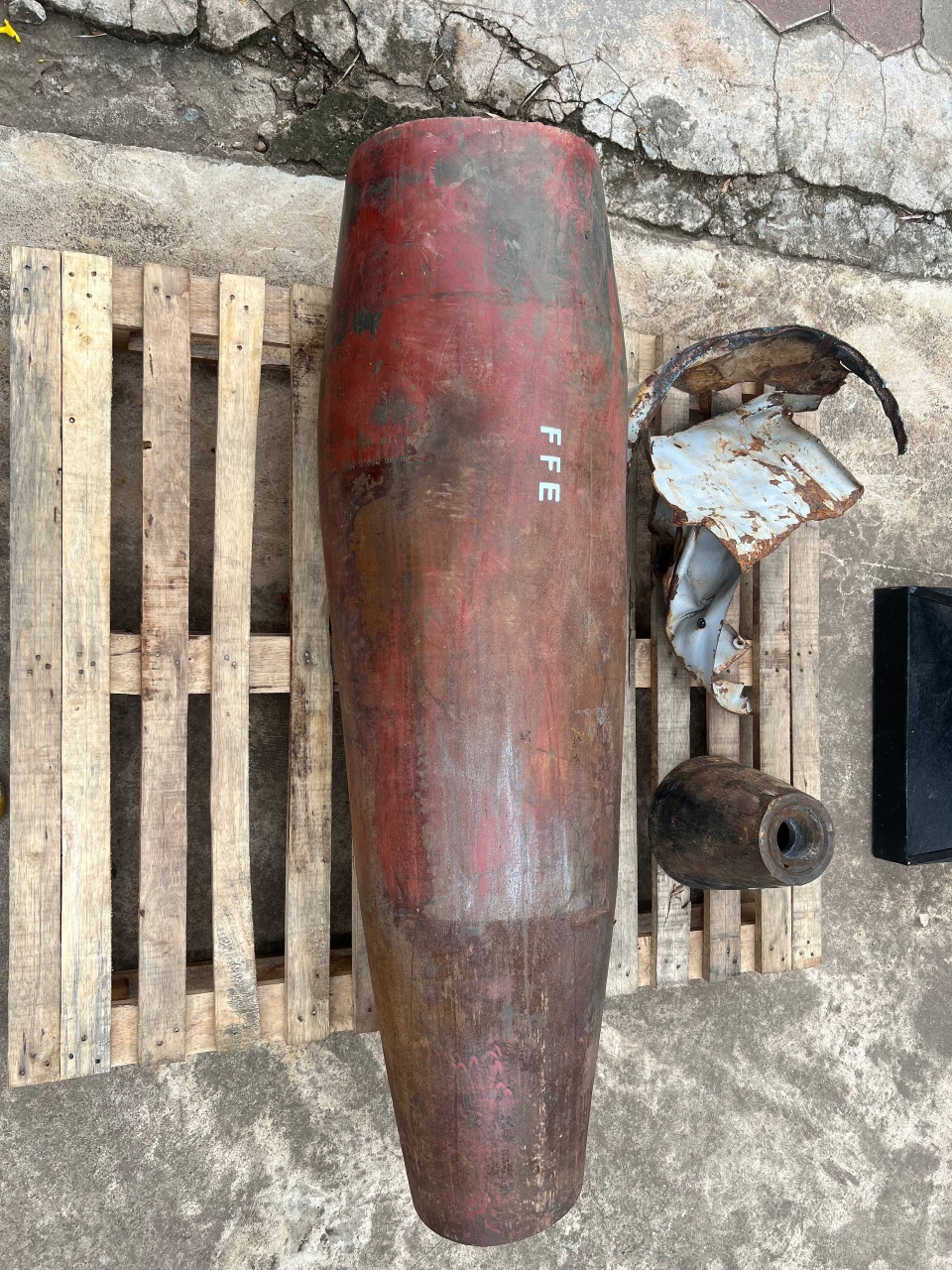
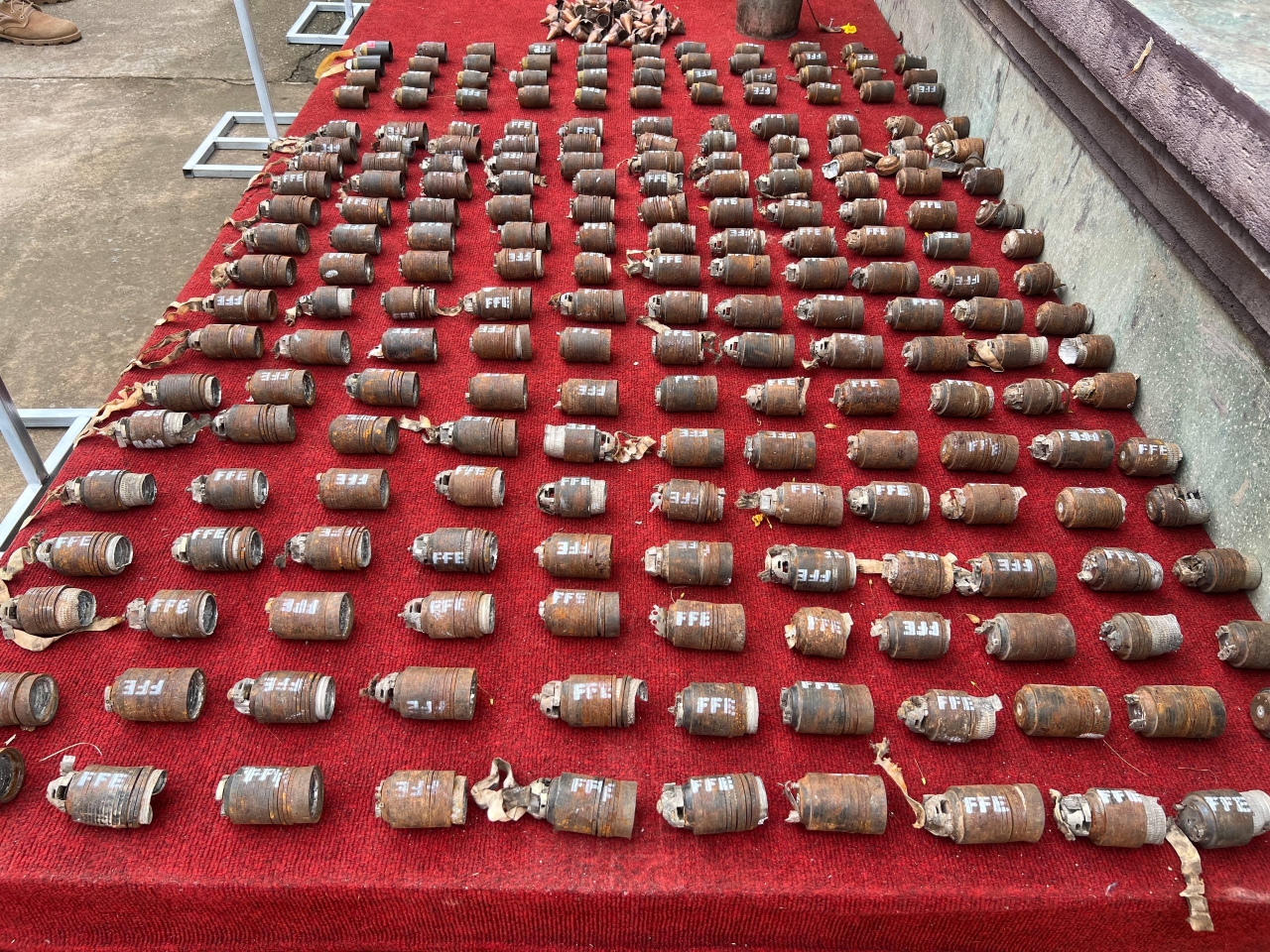
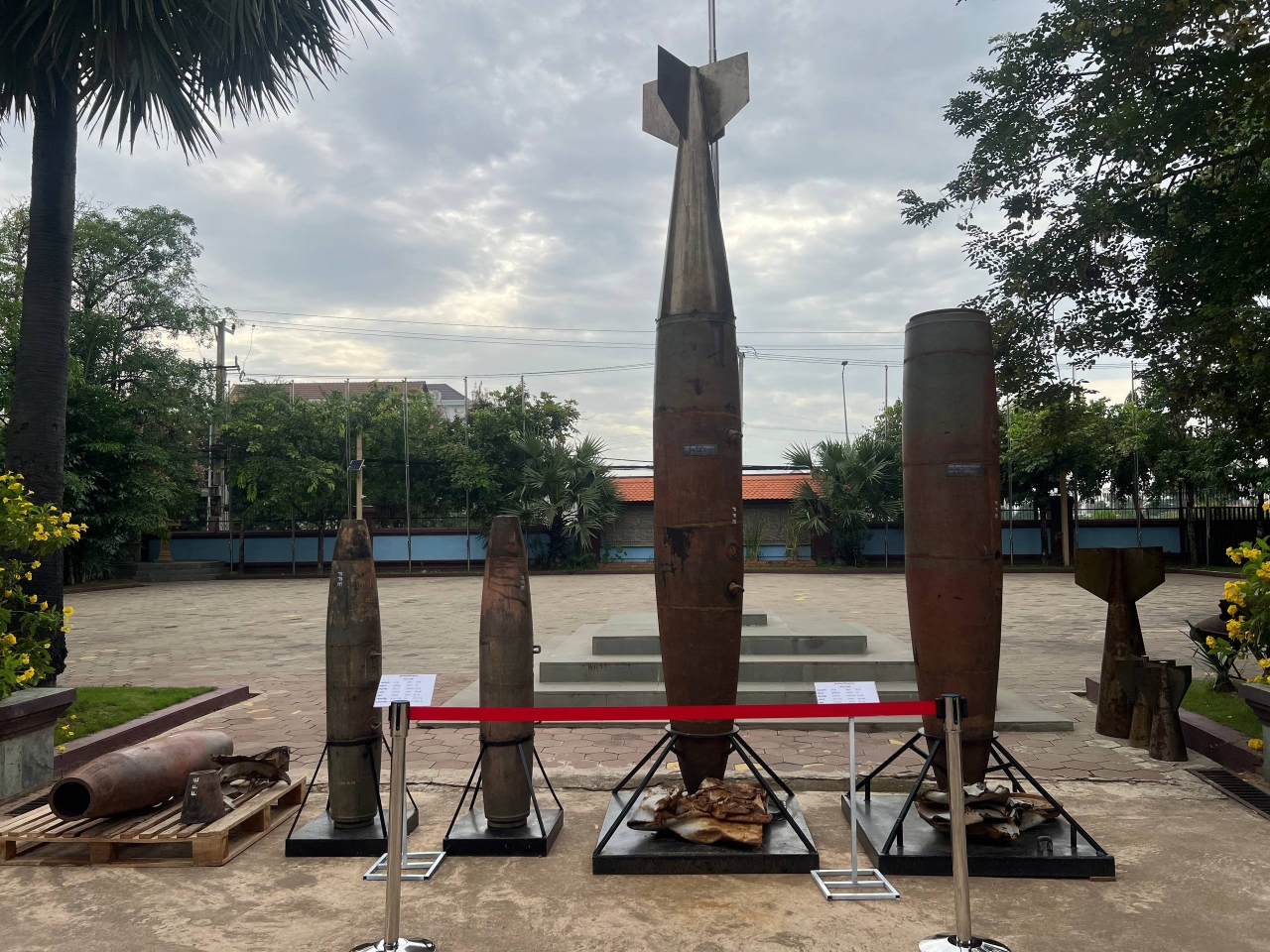
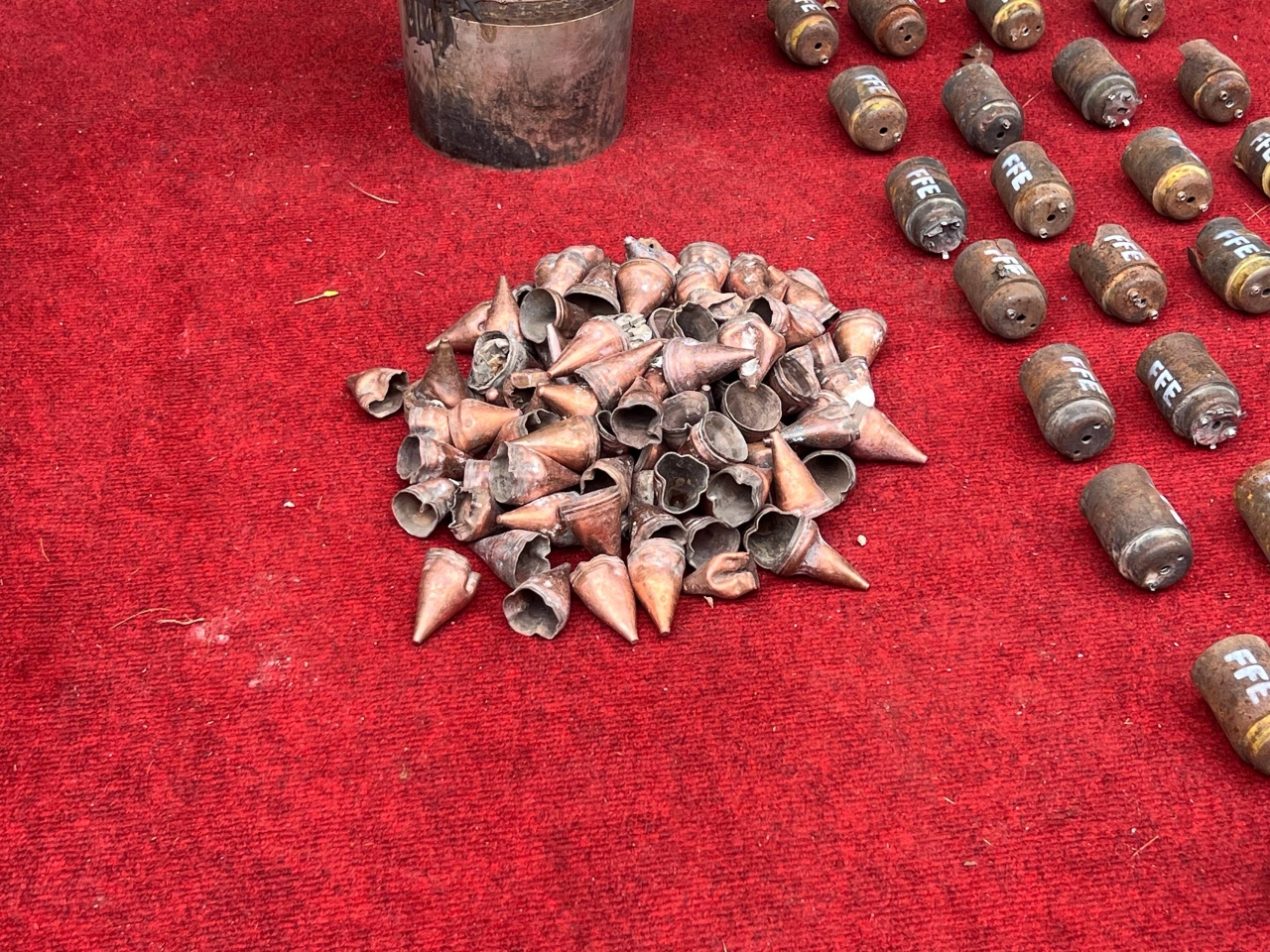
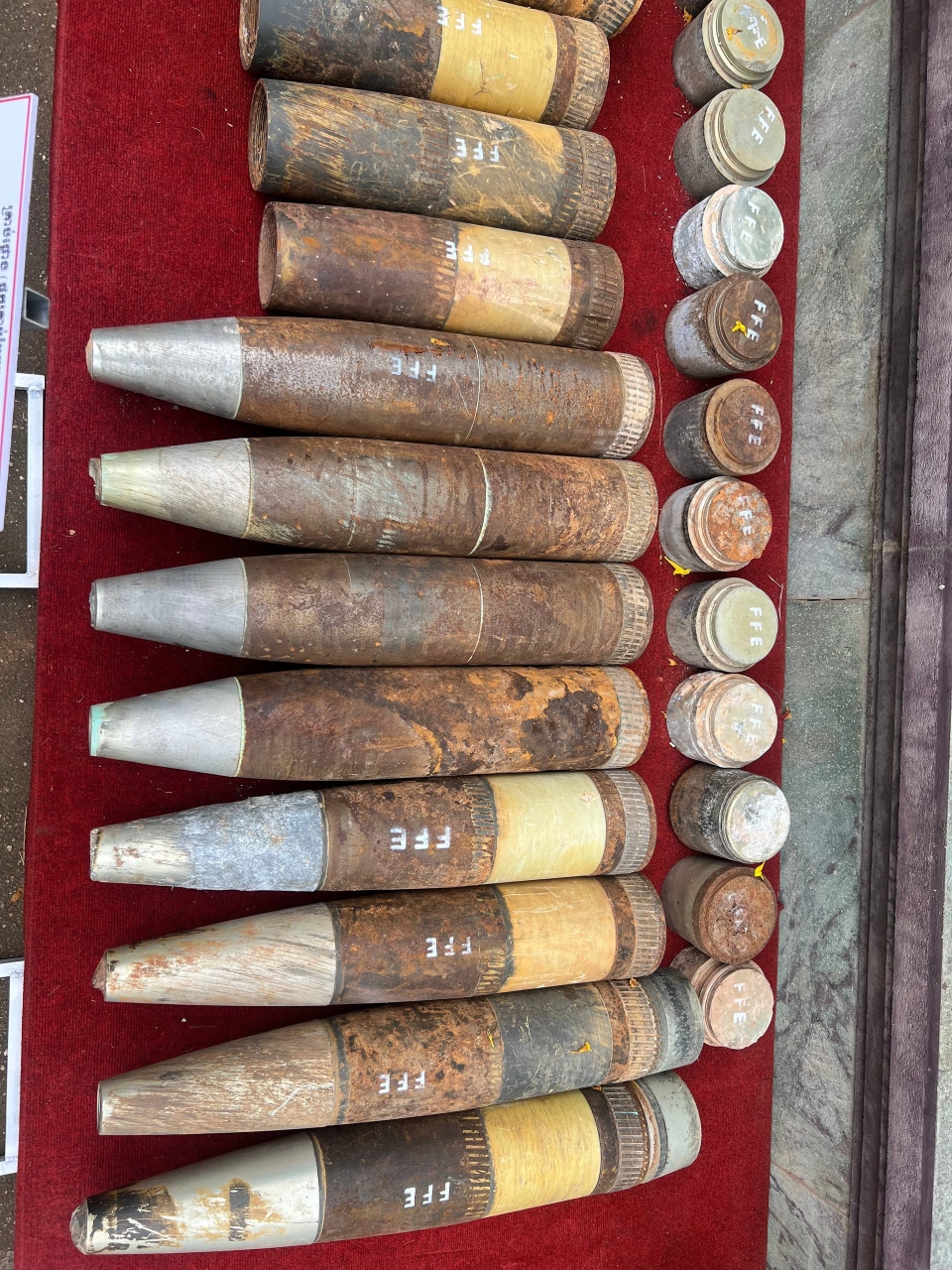
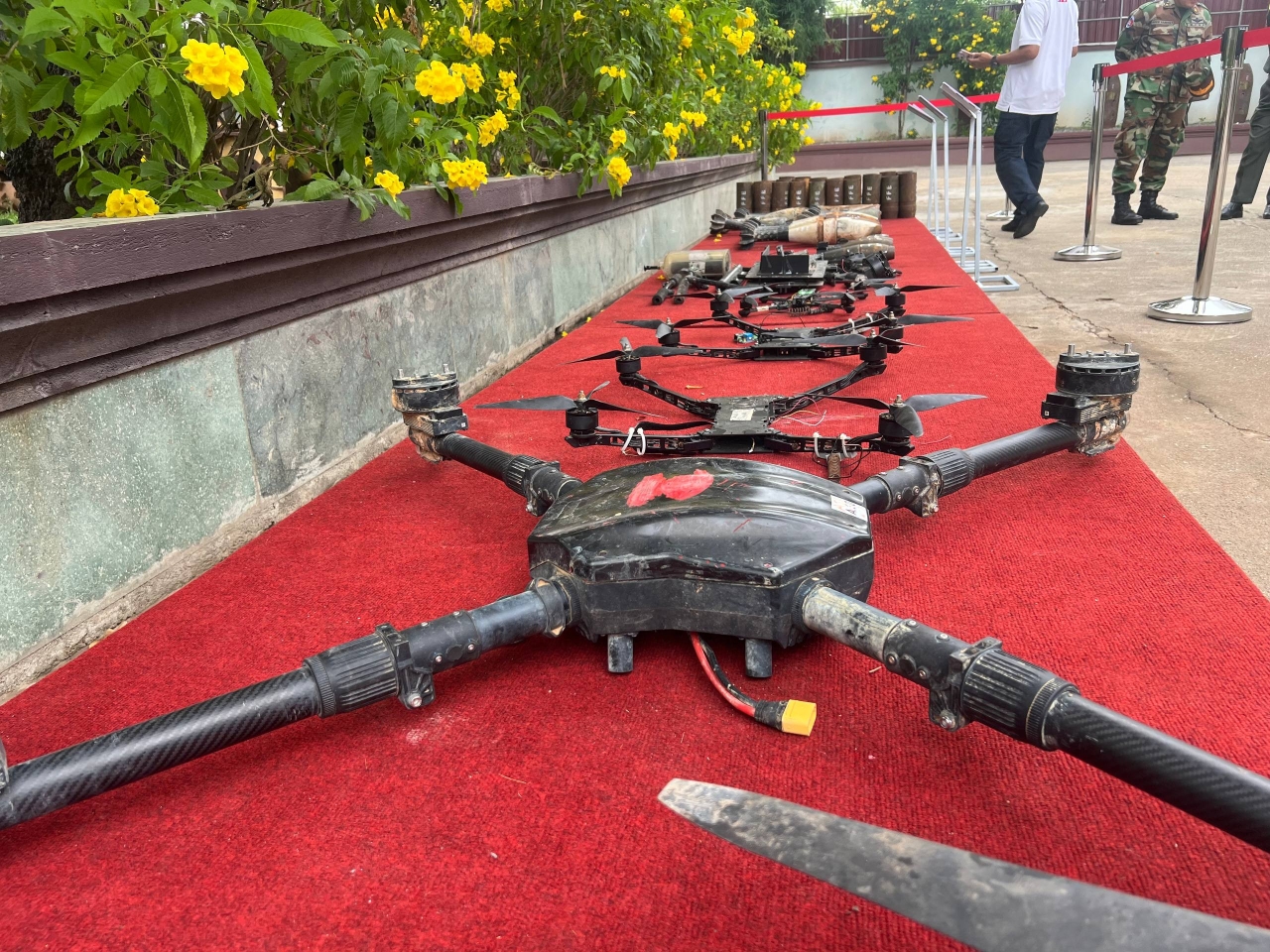
According to CMAC, the remnants include cluster-munition remnants, aerial bombs, items it identified as chemical weapons or chemical-related munitions, and drone-related ordnance.
CMAC said the two rounds of fighting between Cambodia and Thailand in 2025 affected about 340 villages and an estimated 441,000 hectares of land, involving about 91,000 families.
The agency said the presence of unexploded ordnance and other war remnants continued to pose risks to civilians and could hinder the safe return of residents and the recovery of affected communities.
Cambodia has made mine and unexploded-ordnance clearance a national priority, with authorities seeking to accelerate clearance in areas affected by recent fighting while continuing longer-term efforts to address legacy contamination from previous conflicts.