Cambodia Recognised as Victim of Thai Cluster Munition Use at Vientiane Conference
 Cambodia Recognised as Victim of Thai Cluster Munition Use at Vientiane Conference
PHNOM PENH, Sept. 26, 2026 — Cambodia says it was formally recognised at the Third Review Conference of the Convention on Cluster Munitions in Vientiane as a country affected by the use of cluster munitions attributed to Thailand, highlighting a new explosive-remnants threat along its border and calling for greater international support for clearance efforts.
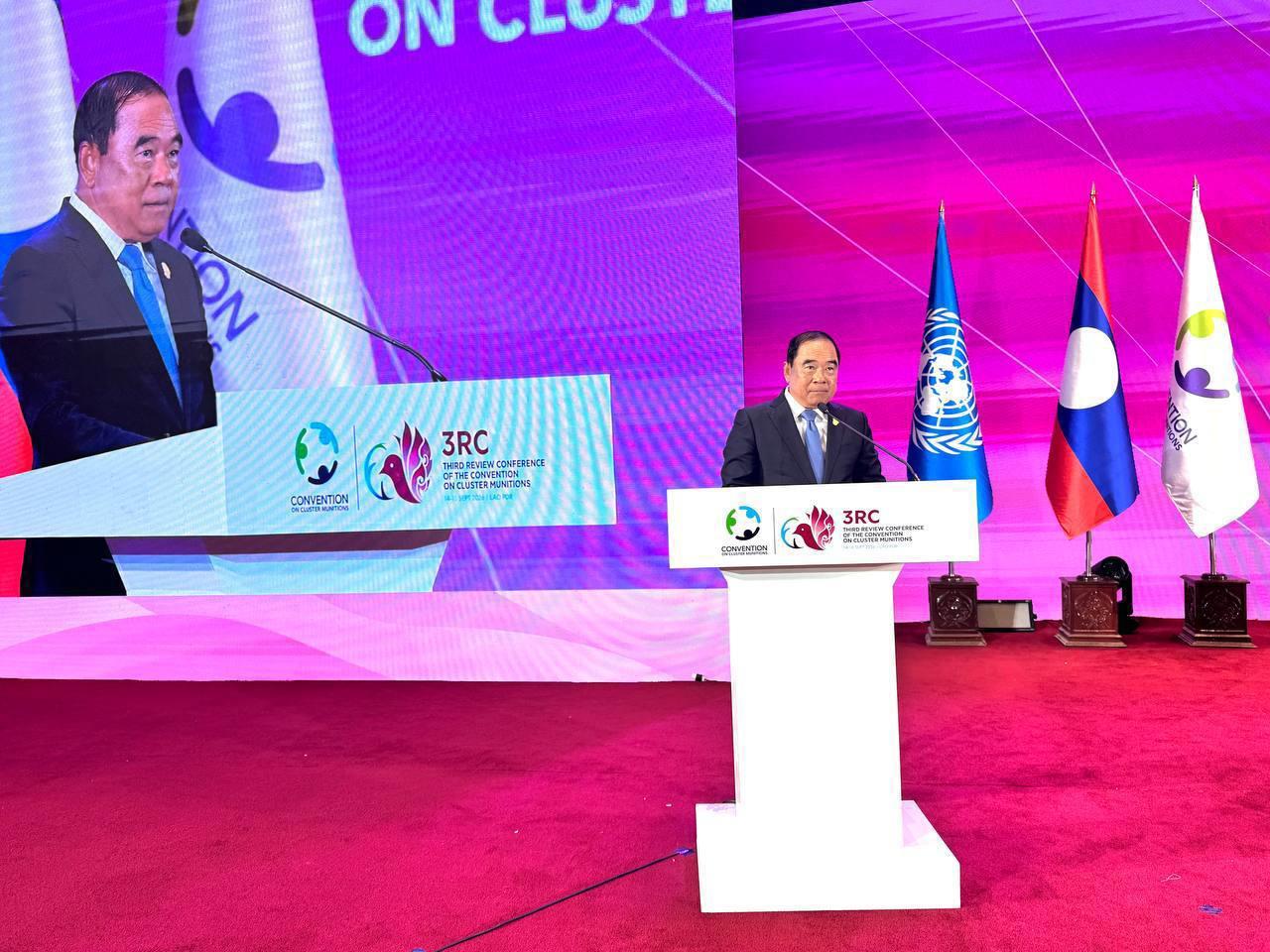
The conference was held in Vientiane, Laos, from Sept. 14–18, 2026, under the theme “Accelerating progress towards a world free from the threat of cluster munitions.” The five-day conference brought together States Parties, observer states and international organisations to review implementation of the Convention and set priorities for the coming years.
Cambodian delegation leader Ly Thuch, Senior Minister and First Vice-President of the Cambodian Mine Action and Victim Assistance Authority, told the high-level segment that Cambodia strongly opposes the use of cluster munitions and has never produced or used such weapons.
He also presented Cambodia’s experience of more than three decades of mine and explosive-remnant clearance, while raising what Cambodian authorities describe as a new humanitarian challenge resulting from explosive remnants along the Cambodia-Thailand border.
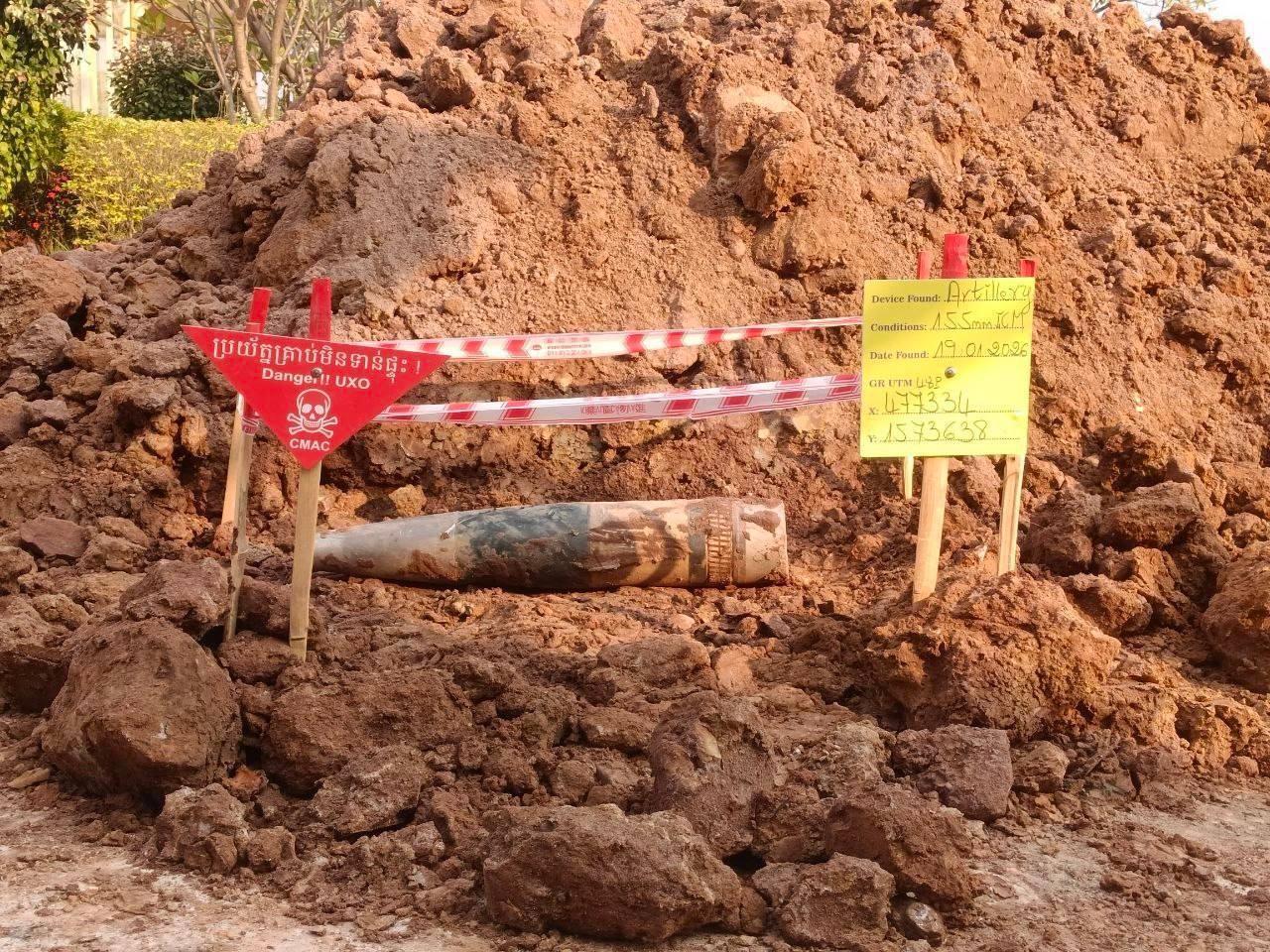
According to the Cambodian delegation, the newly affected area covers nearly 4,000 square kilometres, including almost 3,000 square kilometres reportedly contaminated by cluster munition remnants. Cambodia says the remnants were left during the 2025 Cambodia-Thailand border conflict.
International monitoring documentation has previously recorded reports that Thailand used cluster munitions during the July 2025 armed conflict with Cambodia and said such use may have added to Cambodia’s existing cluster-munition-remnant contamination.
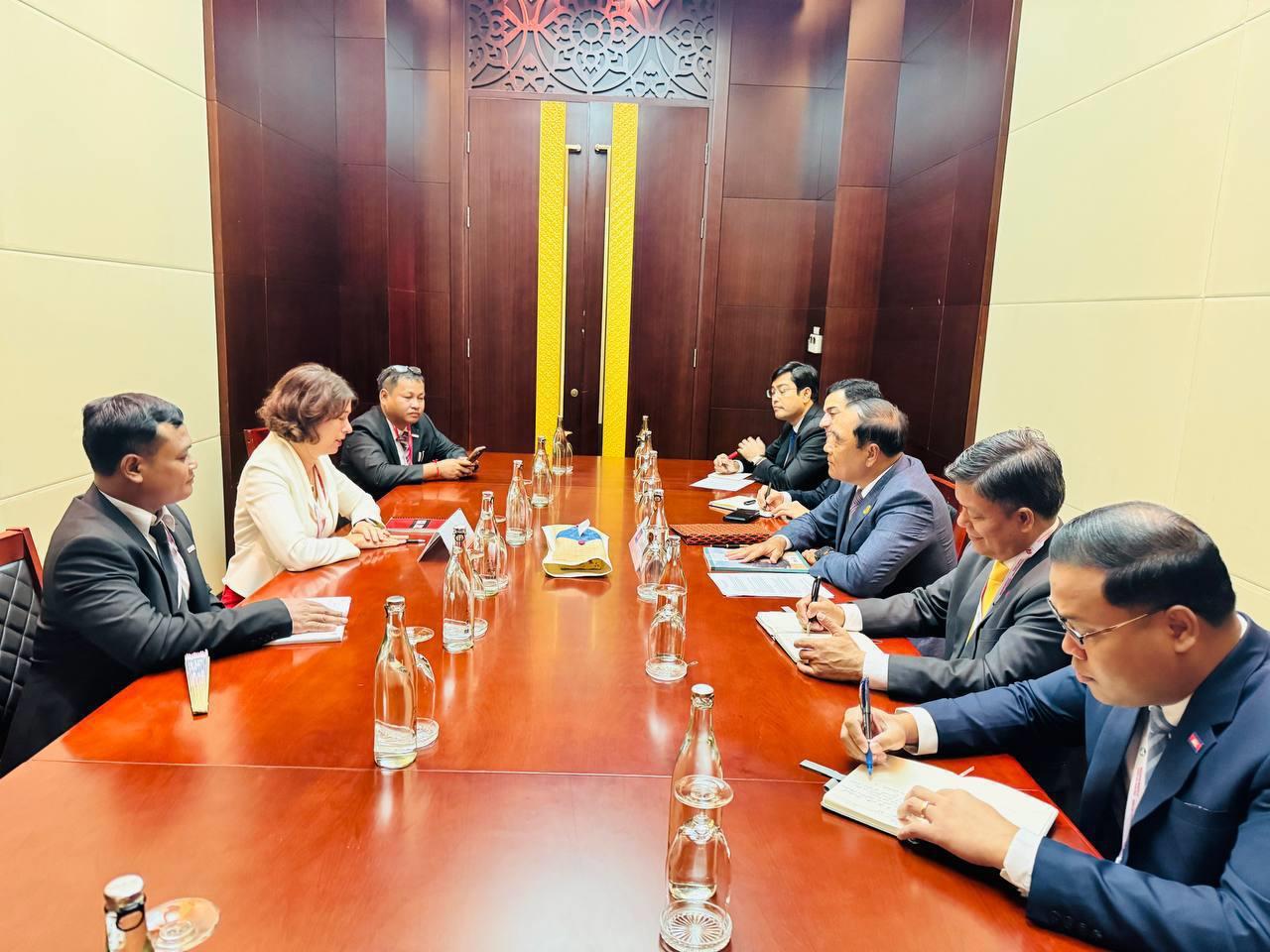
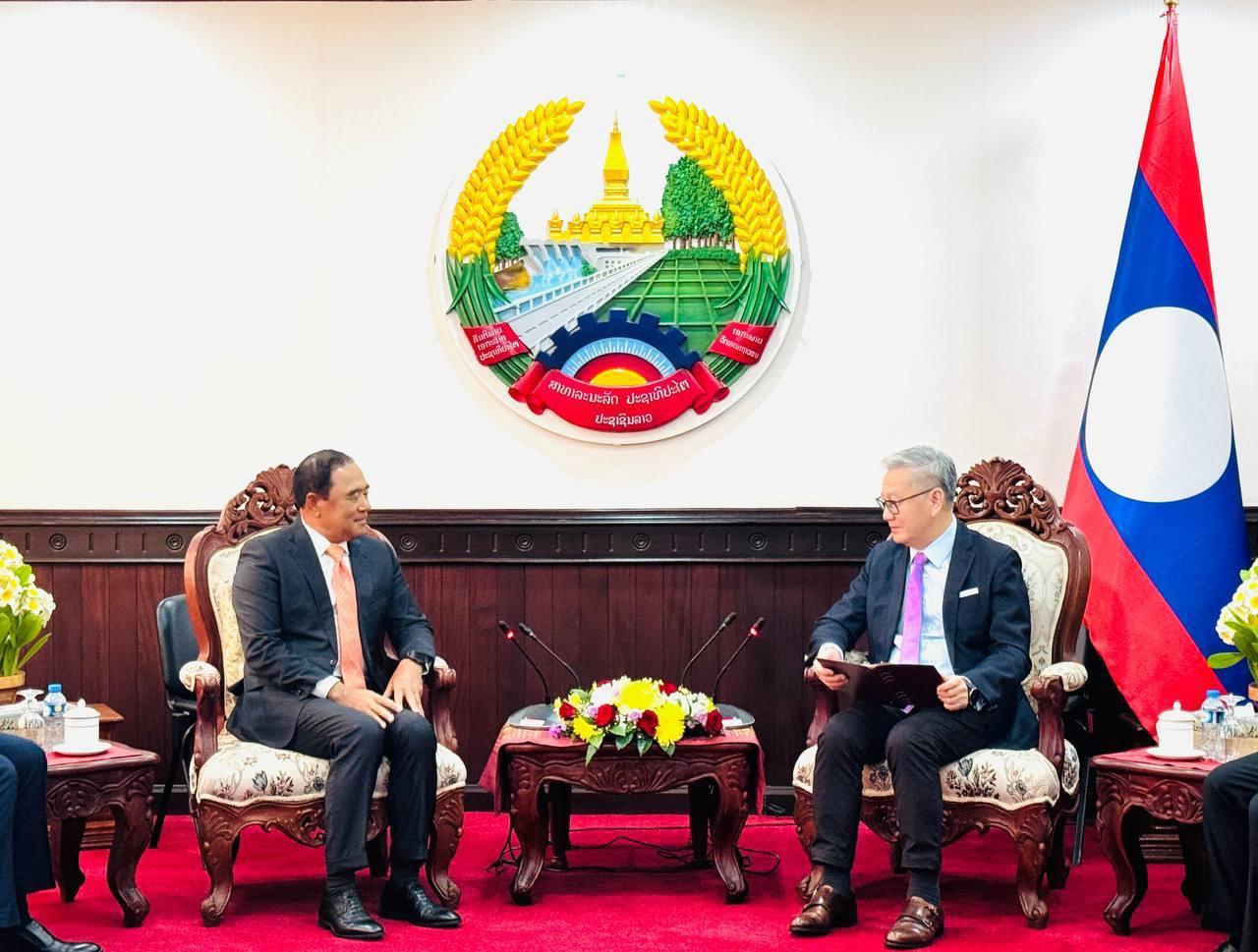
At the Vientiane conference, Ly Thuch held bilateral meetings with representatives of the International Committee of the Red Cross, Vietnam, Norway, Japan, the International Campaign to Ban Landmines–Cluster Munition Coalition and the UN Office for Disarmament Affairs.
The discussions focused on humanitarian mine action, explosive-remnant clearance, risk education and victim assistance, with Cambodia also presenting what it described as the new challenge posed by explosive remnants from the 2025 border conflict.
Cambodia also participated in a side event titled “From Evidence to Action: Advancing Cluster Munition Remnant Survey through Regional Cooperation,” where Ly Thuch delivered opening remarks and stressed the importance of Cambodia, Laos and Vietnam sharing technical knowledge and experience in surveying, locating and clearing cluster munition remnants.
Cambodia further appealed to international organisations and development partners with relevant expertise to provide technical and financial assistance to address newly discovered M-series cluster munition remnants on Cambodian territory.
The issue comes as Cambodia seeks to expand cooperation with countries and organisations experienced in mine action. The Convention on Cluster Munitions identifies international cooperation and assistance as an important component of implementation, particularly in areas including clearance and victim assistance.
The Vientiane conference was hosted by Laos, which currently holds the presidency of the Convention’s Third Review Conference. The Convention’s official records list both Cambodia and Thailand among the participants in the high-level segment of the 2026 conference.
Cambodia is not a State Party to the Convention on Cluster Munitions, but participated in the conference as an observer and has continued to support the treaty’s humanitarian objectives, according to the Cambodian delegation.
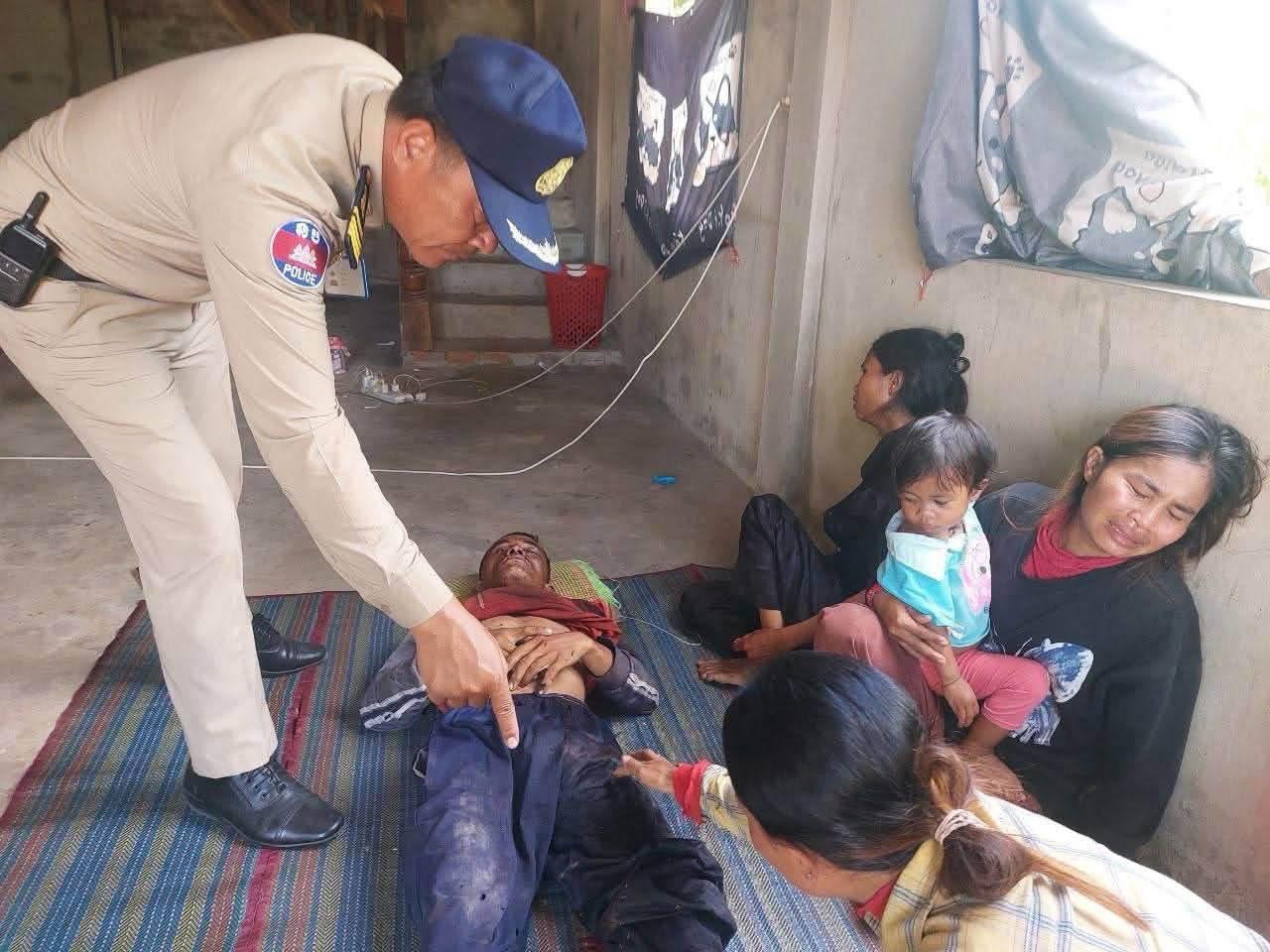
Cambodia says its latest appeal is aimed at preventing civilian casualties, accelerating surveys and clearance, and securing international assistance to deal with the newly identified cluster-munition threat.
Thailand has disputed Cambodian allegations concerning the 2025 border conflict. Claims regarding responsibility for specific cluster-munition remnants therefore remain contested between the two countries, although international monitoring documentation has recorded reports of Thai cluster-munition use in the July 2025 conflict.