Bangkok Floods Trigger Thai Airways Crisis With 5,600 Bags Stranded
 Bangkok Floods Trigger Thai Airways Crisis With 5,600 Bags Stranded
BANGKOK, Sept. 29, 2026 — Thai Airways has apologised to passengers after severe flooding around Bangkok disrupted more than 300 flights over three days and left about 5,600 pieces of baggage stranded at Suvarnabhumi Airport.
Thai Airways Chief Executive Chai Eamsiri said the airline had prepared contingency measures from Sept. 26, but the impact of the flooding was greater than anticipated as large numbers of employees were unable to reach work.
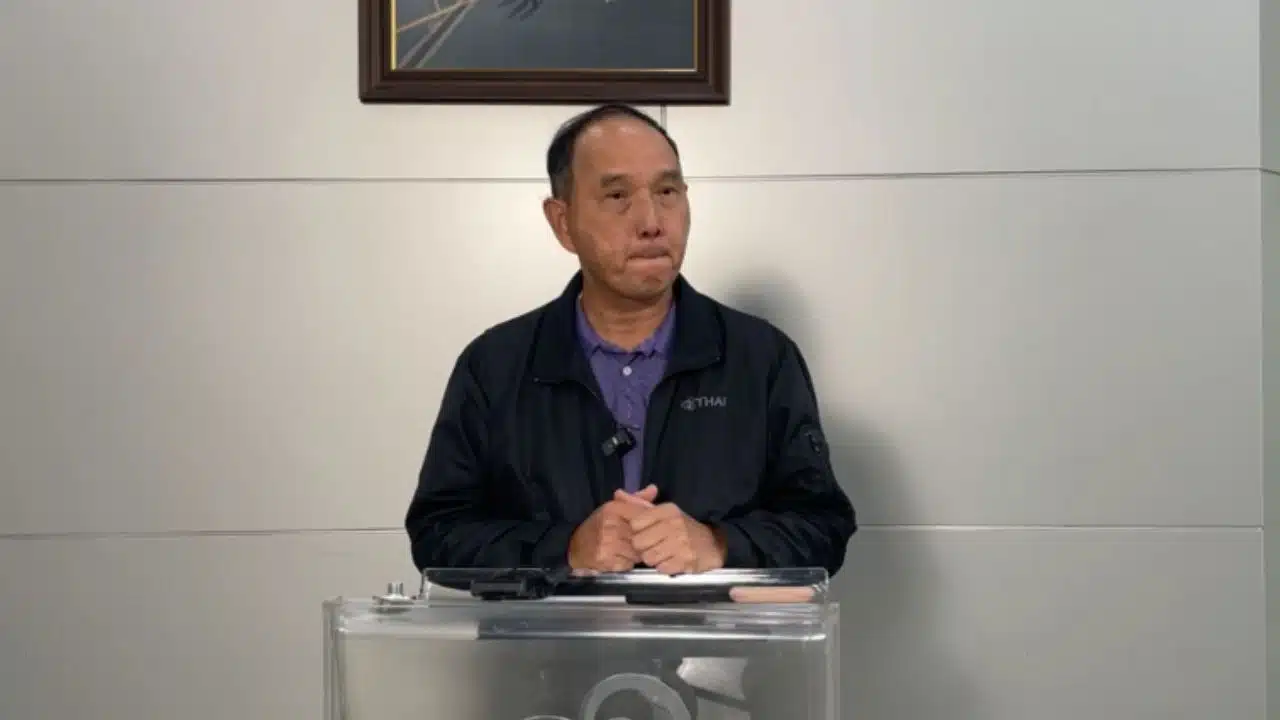
The disruption was particularly severe among ground staff with specialist qualifications and licences, whose positions could not simply be filled by other employees. Chai said only about half of the specialist workforce required for normal operations had returned to work.
Almost all Thai Airways flights were delayed over the previous two days, while the airline planned to reduce departures from Bangkok by around 30% to 40% for at least several days as it works to stabilize operations.
Thai Airways normally operates around 110 flights from Bangkok each day. The reduced schedule means dozens of flights have been cancelled or consolidated, with some passengers transferred to other services or partner airlines.
The airline has also shifted some ground-handling work to other operators and received additional personnel from the Royal Thai Air Force and Defence Ministry to help manage the disruption.
Chai said the airline had been particularly affected because Bangkok is its main operating base, meaning a large proportion of its ground operations depend on workers being able to reach Suvarnabhumi.
5,600 bags stranded
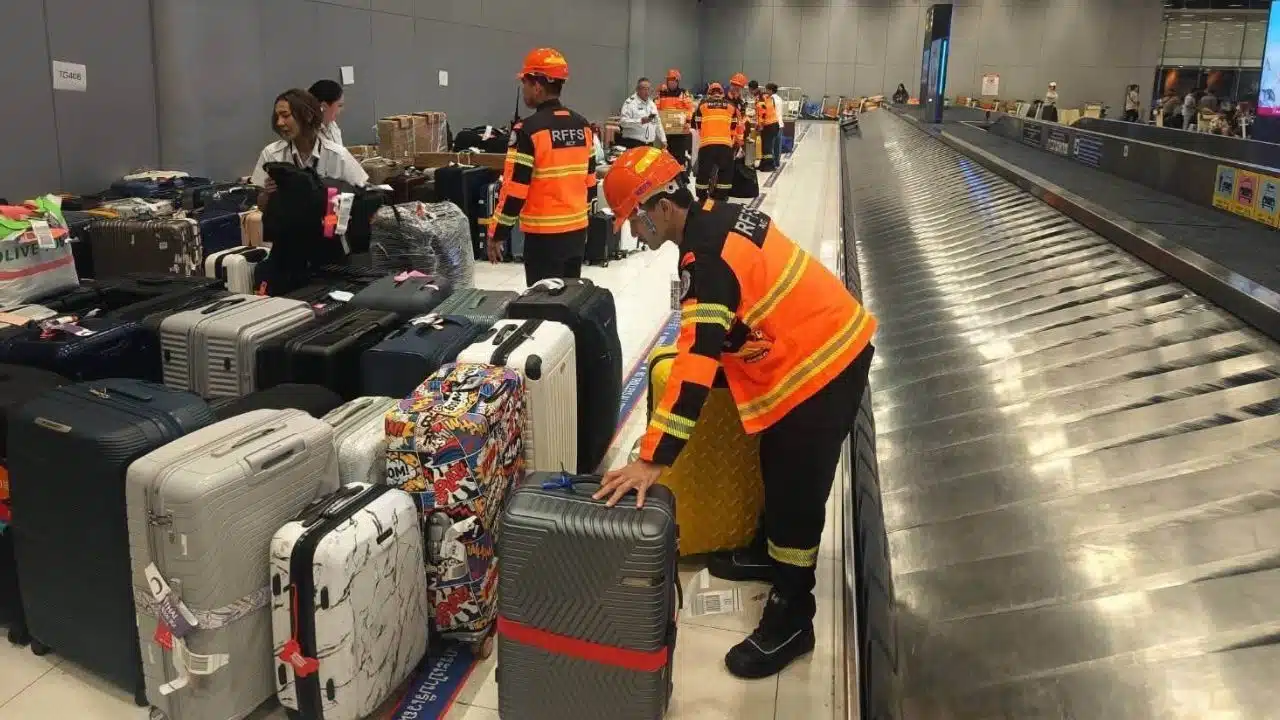
The most visible impact for passengers has been the baggage backlog.
Around 5,600 bags from affected Thai Airways flights remained at Suvarnabhumi, with the airline targeting clearance within approximately 72 hours.
The bags are being sorted according to flight and travel date. Passengers are being informed through Thai Airways’ website and Facebook channels when their luggage is ready for collection.
For bags that cannot be collected at the airport, Thai Airways has arranged delivery, with three contractors brought in to assist. Passenger information submitted through a QR-code system is being used to match luggage with its owners.
The airline is also separating baggage from new flights from the existing backlog to prevent the pile-up from growing further.
The shortage of qualified personnel has been particularly serious among loadmasters. Only around 20 were available from a normal workforce of about 45, forcing some managers with the necessary licences to supervise apron operations.
Cargo operations also hit
The disruption has also affected Thai Airways’ cargo operations.
Some businesses have been unable to collect freight arriving at Suvarnabhumi because their own workers were affected by flooding. As cargo accumulated inside Thai Airways facilities, equipment needed to unload aircraft could not be returned quickly enough for other flights.
The airline is working with other operators to clear the cargo and free warehouse space and equipment.
Thai Airways has not yet assessed the financial cost of the disruption, with management focusing first on restoring normal operations.
Chai also rejected claims circulating on social media that the disruption was deliberately caused by employees, saying many workers were stranded by flooding around their homes or had family responsibilities during the emergency.
The airline is offering additional compensation to some skilled workers and continuing efforts to bring licensed personnel back into service.
“Nobody wanted this to happen,” Chai said. “If you ask why we didn’t prevent it, we did. But the situation was bigger than we had expected.”
The disruption comes as Bangkok continues to recover from one of its most severe recent flooding episodes. Heavy rainfall has affected large parts of Thailand, with Bangkok receiving roughly 320mm of rain over several days and flooding affecting transport, businesses and other essential services.
For passengers caught in the disruption, however, the immediate priority remains getting flights operating normally and thousands of delayed bags back to their owners.