Bangladesh Dengue Crisis Deepens as 148 Die in September
 Bangladesh Dengue Crisis Deepens as 148 Die in September
DHAKA, Oct. 3, 2026 — Bangladesh is entering October facing a worsening dengue outbreak after a sharp rise in deaths during September, with health experts warning that weather conditions could fuel further transmission and place additional pressure on hospitals already struggling with a severe measles outbreak.
According to Reuters, the recent surge in dengue follows Bangladesh’s deadliest dengue outbreak in 2023 and is adding pressure to a healthcare system already dealing with a major measles crisis that has killed more than 1,100 children this year.
Experts said recent rainfall, combined with changing weather patterns, could allow dengue transmission to continue through October. The month is typically among the periods when dengue infections reach their seasonal peak.
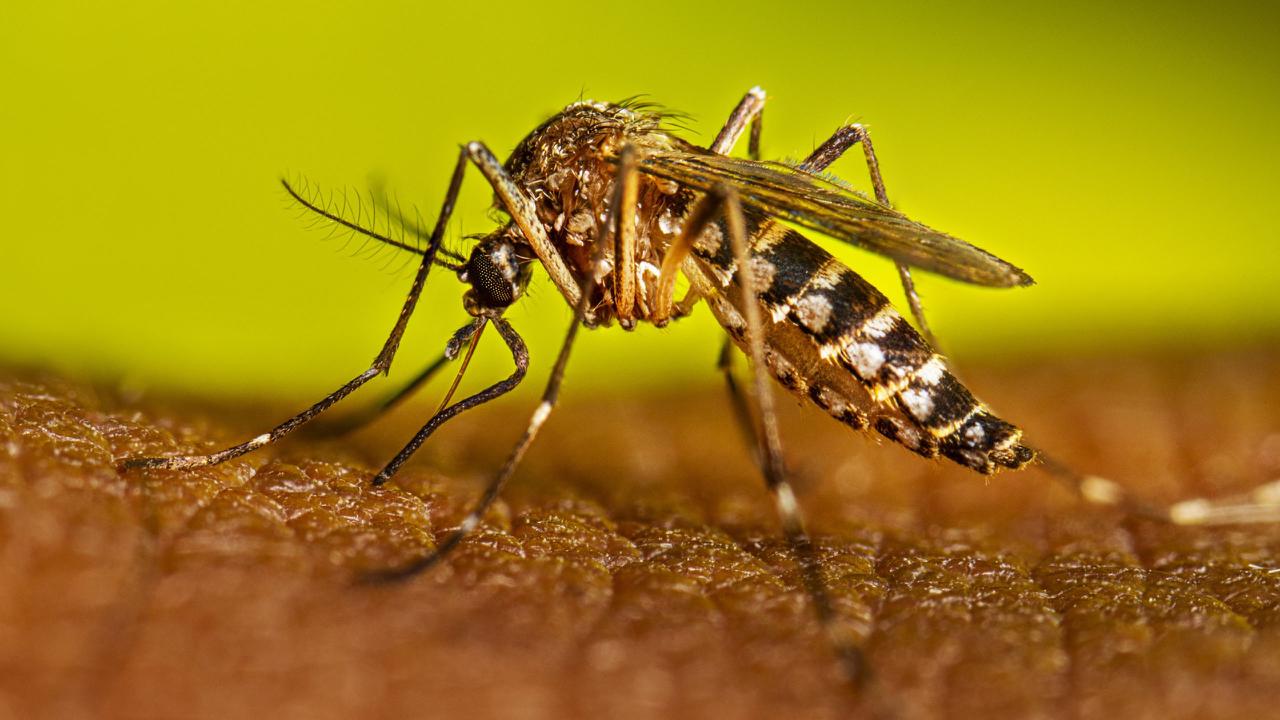
The spread of the Aedes mosquito, which transmits dengue, beyond Bangladesh’s major cities has also transformed the disease into a nationwide public-health challenge, experts said.
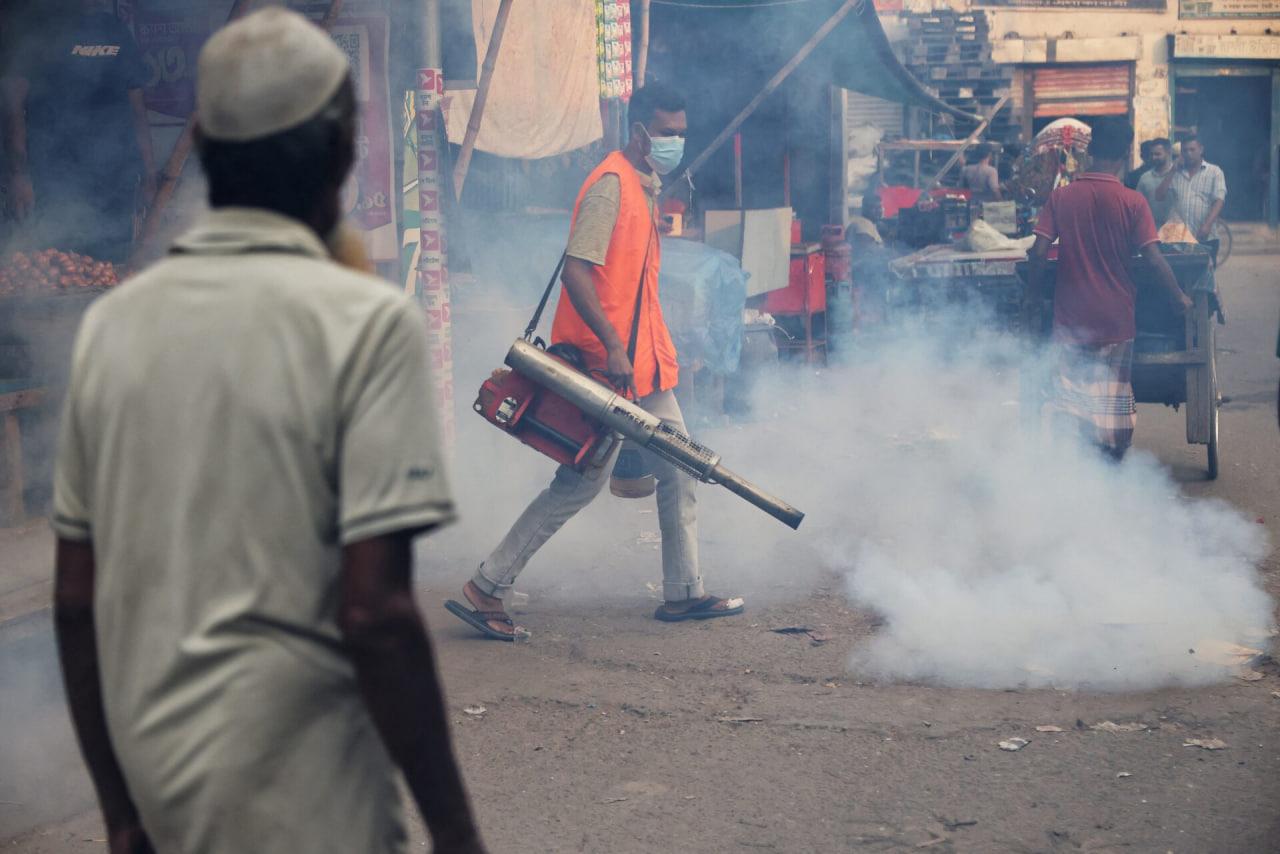
They warned that mosquito spraying alone would not be enough to contain the outbreak unless breeding sites where mosquitoes reproduce are also eliminated.
Dengue Deaths Surge in September
According to Bangladesh’s Ministry of Health data cited in the report, at least 245 people have died from dengue and 79,620 patients have been hospitalised since January.
September accounted for 148 deaths, a dramatic increase from 43 deaths in August and 36 in July.
On Wednesday alone, six more people reportedly died from dengue, while 1,948 new patients were admitted to hospitals. A total of 5,485 dengue patients were receiving treatment across the country at the time of the report.
Health experts are concerned that continued rainfall and favourable conditions for mosquito breeding could prolong the outbreak into October, potentially putting further strain on hospitals already coping with multiple infectious-disease pressures.
The situation highlights the growing challenge Bangladesh faces in controlling dengue as the disease spreads beyond major urban centres and seasonal weather patterns become increasingly difficult to predict.