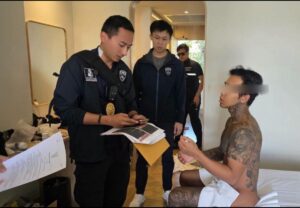
British Whistleblower Who Raised Lutnick-Epstein Questions Found Dead in Thailand
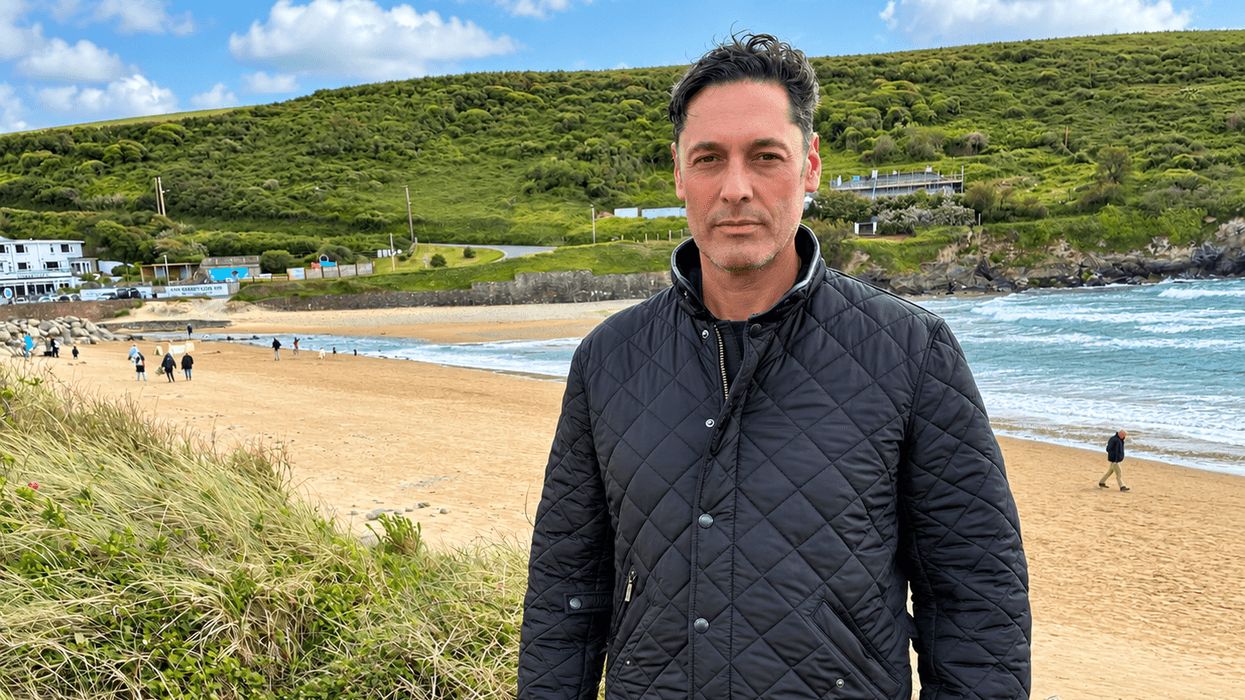 British Whistleblower Who Raised Lutnick-Epstein Questions Found Dead in Thailand
BANGKOK, October 7, 2026 — British banker and whistleblower Simon Andriesz, 57, was found dead in Khlong Luang, north of Bangkok, on September 23, with local records giving the cause of death as asphyxiation from hanging. His family has said there was no suggestion of foul play and described him as a much-loved husband, father, brother, son and friend.
Andriesz, who spent decades working in the securities industry, had become known for raising allegations concerning his former employer BGC Group and its former chief executive Howard Lutnick, who is now U.S. Commerce Secretary.
His death has renewed scrutiny of the treatment of whistleblowers, particularly after the UK’s Financial Conduct Authority (FCA) announced that it would review how it handled Andriesz’s concerns.
Family remembers a determined whistleblower
In a statement reported by British media, Andriesz’s family said he had a strong sense of right and wrong and found it difficult to ignore matters he believed were wrong.
They said his determination had come at considerable personal cost, but that he continued speaking out because he believed the issues mattered.
The family said they hoped he would be remembered for his life, courage and the issues he sought to bring to light. They also said better treatment and support for whistleblowers and vulnerable people should form part of his legacy, while asking for compassion and privacy for his son and other relatives.
A fundraising campaign has subsequently been launched to support his son’s education, welfare and future opportunities.
Andy Agathangelou, founder of the Transparency Task Force, also confirmed Andriesz’s death and described him as a whistleblower who had stood up for what he believed was right.
Allegations involving Lutnick and Epstein
Andriesz had worked for around 35 years in the securities industry and became a managing director at BGC Group, formerly BGC Partners. He was dismissed in 2017.
He later raised concerns with regulators and US authorities about matters involving BGC and Lutnick.
Among the material he provided to US lawmakers were emails from 2018 that Andriesz said showed Lutnick and convicted sex offender Jeffrey Epstein discussing a start-up business in which both had involvement.
Lutnick has disputed the characterization of his relationship with Epstein. He has acknowledged visiting Epstein’s island in 2012 but has said his contacts with Epstein were limited and that he had no personal or professional relationship of the kind alleged by Andriesz. The US Commerce Department has said there was no evidence of wrongdoing.
BGC has also rejected Andriesz’s allegations, previously describing them as false and unsubstantiated. Following his death, the company expressed condolences to his family while maintaining its position regarding the circumstances of his departure from the company.
Andriesz also raised questions about a proposed 2013 business venture involving Lutnick’s firm and Andrew Mountbatten-Windsor, which would have involved a £1 million loan and the commercial use of the former prince’s contacts. The proposed venture did not proceed.
FCA faces questions over whistleblower protection
The circumstances have also put the FCA under renewed scrutiny.
Andriesz had complained about the regulator’s handling of his concerns and had questioned whether he received adequate protection and support as a whistleblower.
The FCA has acknowledged that it incorrectly advised Andriesz at one point that he did not qualify for whistleblower protection because his identity was known. The regulator later apologized for that advice.
Following his death, the FCA asked board member Lea Paterson, a non-executive director, to review how the regulator interacted with Andriesz and determine whether there were lessons it could learn for the future.
A group of UK MPs has called for broader scrutiny of the regulator’s handling of his case, arguing that the circumstances raise questions about how whistleblowers are treated when they report alleged wrongdoing.
The FCA’s review is expected to examine its interactions with Andriesz rather than determine the truth of the wider allegations he made against BGC or Lutnick.
No evidence linking his death to his whistleblowing
Andriesz’s death has generated considerable public attention because of the allegations he had raised in the months before his death.
However, there is currently no evidence establishing that his death was connected to his whistleblowing activities or to the people and organizations he had accused. His family has said there was no suggestion of foul play.
The significance of his death therefore extends beyond speculation about its circumstances.
It has renewed a fundamental question for regulators and institutions: What protection and support should be available to people who come forward with allegations of wrongdoing—and what responsibility do authorities have when those individuals say they are struggling to obtain meaningful protection?
For Andriesz’s family, however, the immediate issue is more personal.
They have asked that he be remembered not simply for the controversies surrounding his whistleblowing, but as a husband, father, brother, son and friend whose absence has left an enormous gap in the lives of those who loved him.