‘Brothel Queen’ Jailed in UK as Thai Women Face Risks From Overseas Recruitment Scams
 ‘Brothel Queen’ Jailed in UK as Thai Women Face Risks From Overseas Recruitment Scams
PATTAYA, October 19, 2026 — Concerns over the recruitment of Thai women for sexual exploitation have resurfaced following the imprisonment of a Thai woman known as the “Brothel Queen” and her husband in the United Kingdom for trafficking women from Thailand and other locations.
Achareeya Spurr, 49, and her husband, Chin Ping, 56, were jailed last month after prosecutors established their involvement in trafficking 22 women from Thailand to the UK between January and October 2025. Two additional women were reportedly transported from Denmark and Scotland.
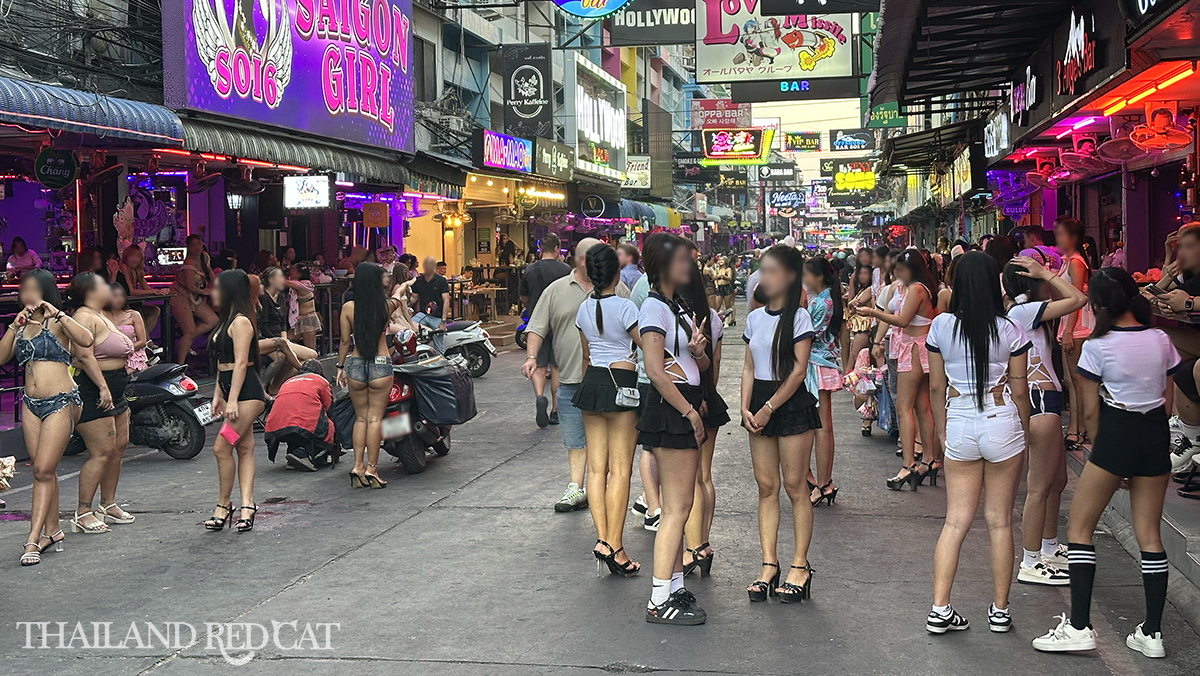
The case has renewed attention on how trafficking networks exploit women seeking overseas opportunities, particularly in Thailand’s tourist and nightlife areas, including Pattaya.
Recruiters Target Women in Tourist Areas
Matt Friedman, founder of the anti-human-trafficking organisation Mekong Club, told The Sun that recruiters do not rely solely on social media to find potential victims. They may approach women directly in Thailand’s nightlife venues, assessing their suitability and English-language skills before offering opportunities abroad.
Pattaya, internationally known for its nightlife, is among the locations raising concerns about potential recruitment for overseas exploitation.
The case highlights how trafficking networks can operate alongside legitimate tourism and entertainment businesses, making it important to distinguish ordinary employment opportunities from deceptive recruitment schemes.
Warning signs can include recruiters making unrealistic promises about earnings, imposing unexplained debts, withholding passports or phones, isolating workers and threatening them with immigration action.
Debt and Threats Used to Control Victims
According to the case account, women recruited to the UK were often met at airports, transported in vans and deprived of their passports and phones.
Some reportedly faced debts of tens of thousands of pounds, while working long shifts for relatively little pay. In one reported example, a woman received as little as £50 for a shift lasting 14 hours, while debts could reach £25,000.
Friedman warned that traffickers may impose debts of up to £100,000 without providing transparent records of repayments, making it difficult for victims to determine how much they still owe.
He said such arrangements can keep women trapped in exploitation for years because the alleged debts are structured to remain unpaid.
Spurr also allegedly threatened to report women to immigration authorities if they complained. Prosecutors said she used flashy TikTok videos to recruit Thai sex workers by promising wealth and better opportunities in Britain.

When police raided her brothel, officers reportedly discovered £50,000 in cash.
Social Media Can Facilitate Recruitment and Control
Andrew Wallis OBE, an expert on sex trafficking who advised on the UK’s Modern Slavery Act, said online platforms can serve multiple purposes for trafficking networks, including recruiting victims, advertising sexual services and controlling exploited women.
Victims may also be threatened with the release of compromising material to their relatives if they refuse to comply.
Some women know before travelling that they will be involved in sex work, while others believe they have accepted ordinary employment. However, prior knowledge of the type of work does not mean they have consented to coercion, threats, debt bondage or being prevented from leaving.
The distinction is important: exploitation can occur even when a person initially agrees to travel or work abroad.

Disaster and Financial Hardship Can Increase Vulnerability
Wallis also warned that trafficking networks may target people whose livelihoods have been disrupted by natural disasters. Displacement, family separation and the loss of jobs or homes can leave people more vulnerable to deceptive recruitment offers.
The report cited the devastating earthquake that struck Myanmar and Thailand in March 2025 as an example of a crisis that could leave people vulnerable to exploitation.
The UK recorded 23,411 referrals to its National Referral Mechanism in 2025, a 22% increase from the previous year and a record total, according to the figures cited in the report.
The case involving Spurr and Ping underscores the importance of vigilance around overseas job offers, transparent employment contracts and access to support for people who suspect they are being exploited. For women considering work abroad, verifying recruiters, employers, pay arrangements and travel documents before departure can help reduce the risk of falling victim to trafficking.