Cambodia Rejects Thai Senate Statement, Warns Against ‘Salami-Slicing’ Strategy
 Cambodia Rejects Thai Senate Statement, Warns Against ‘Salami-Slicing’ Strategy
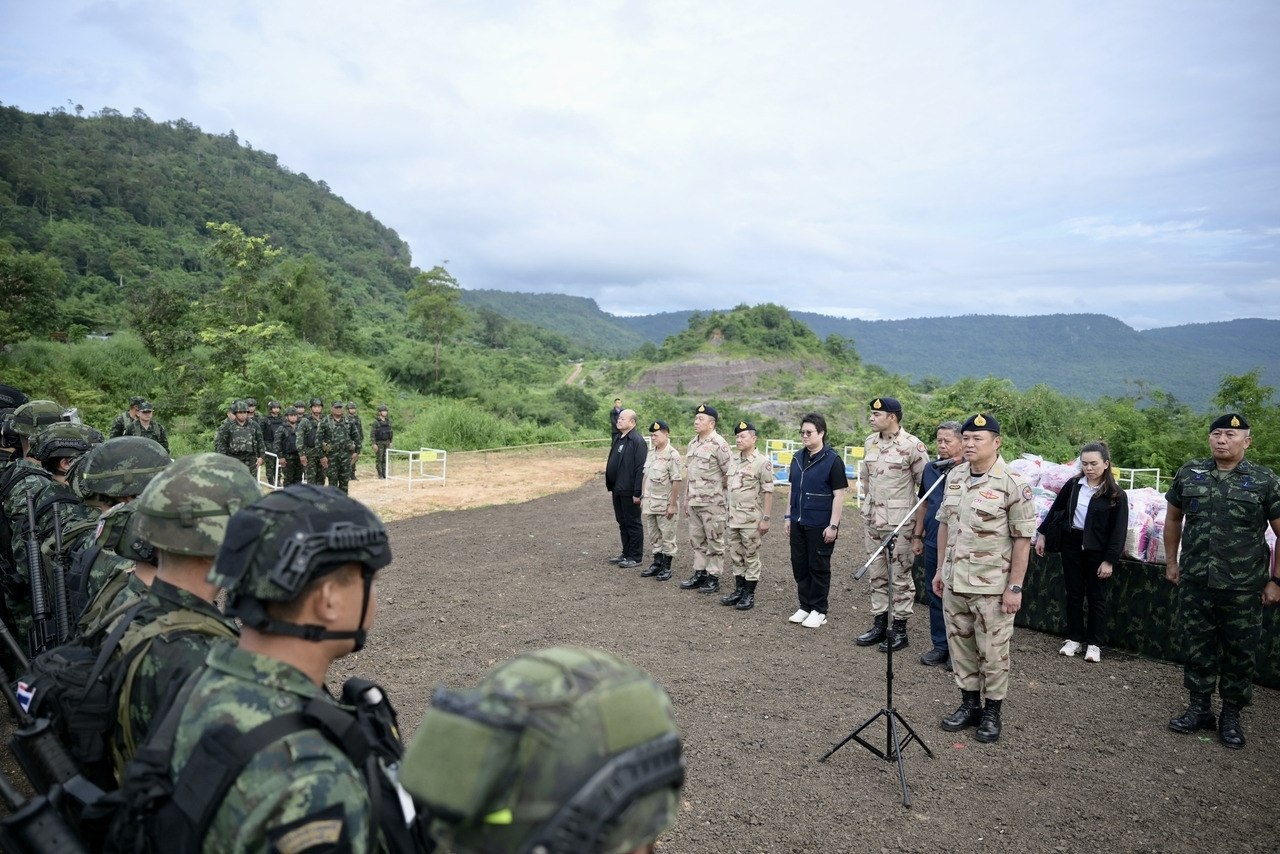
PHNOM PENH, Aug. 31, 2026 — Cambodia’s Senate on Monday rejected statements by the president of Thailand’s Senate over the two countries’ border dispute, saying a ceasefire agreement cannot be interpreted as granting sovereignty or territorial rights arising from military presence or control.
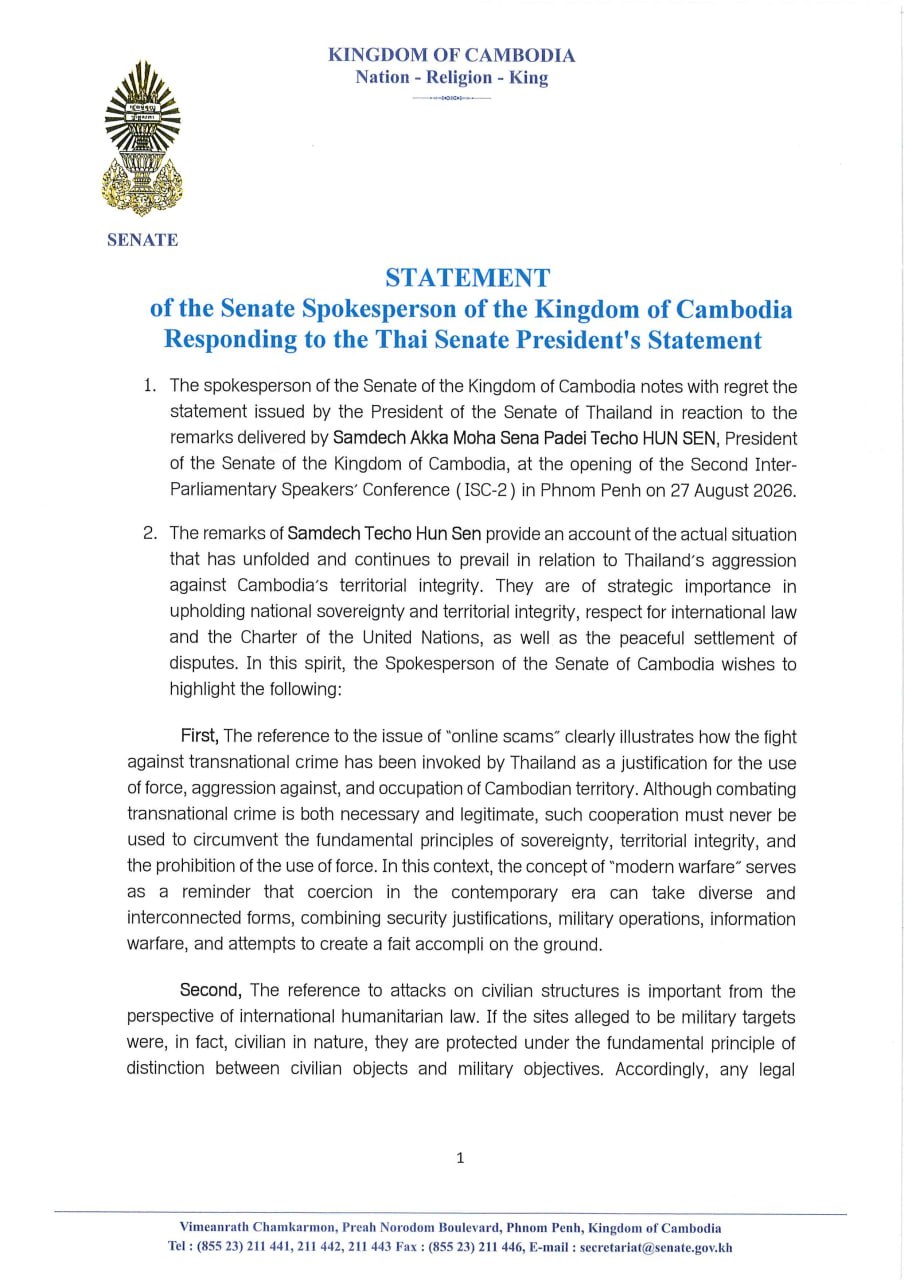
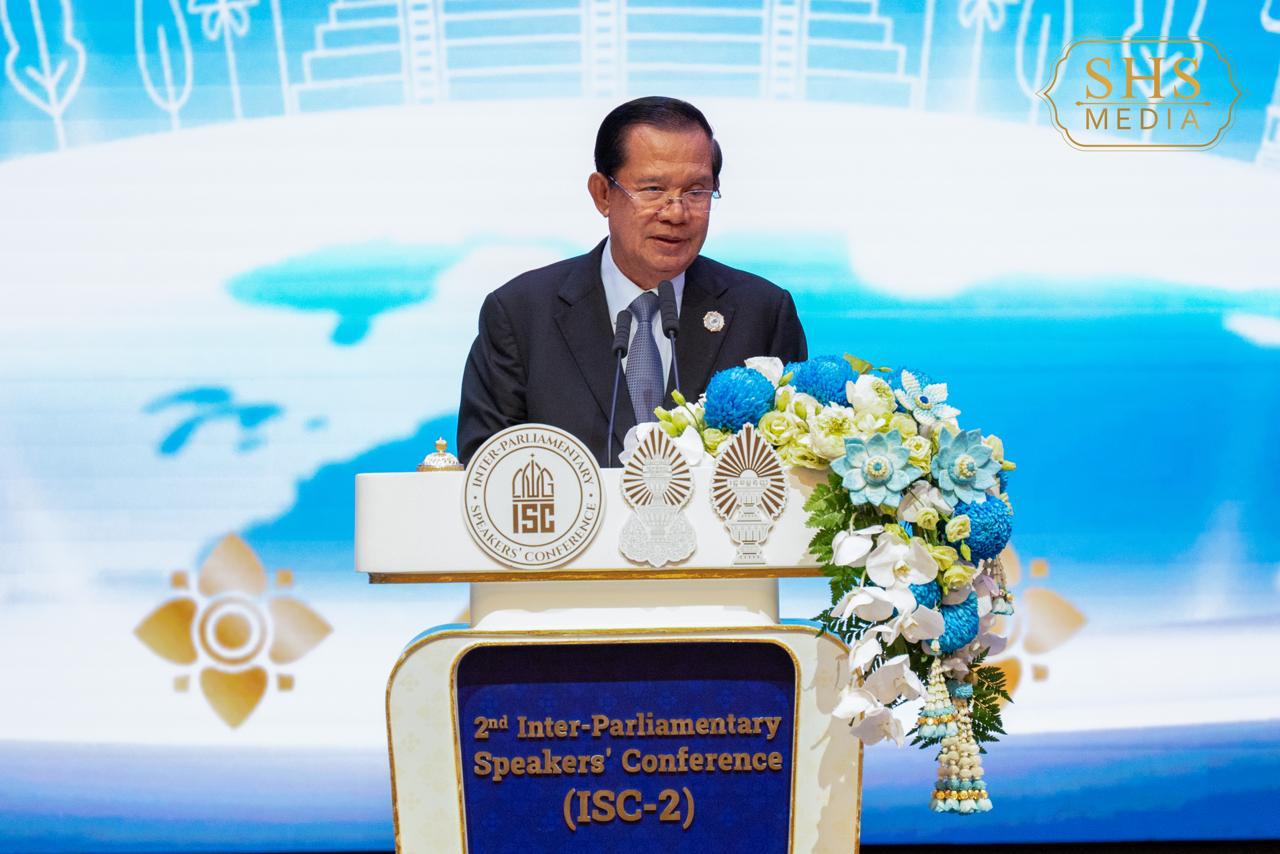
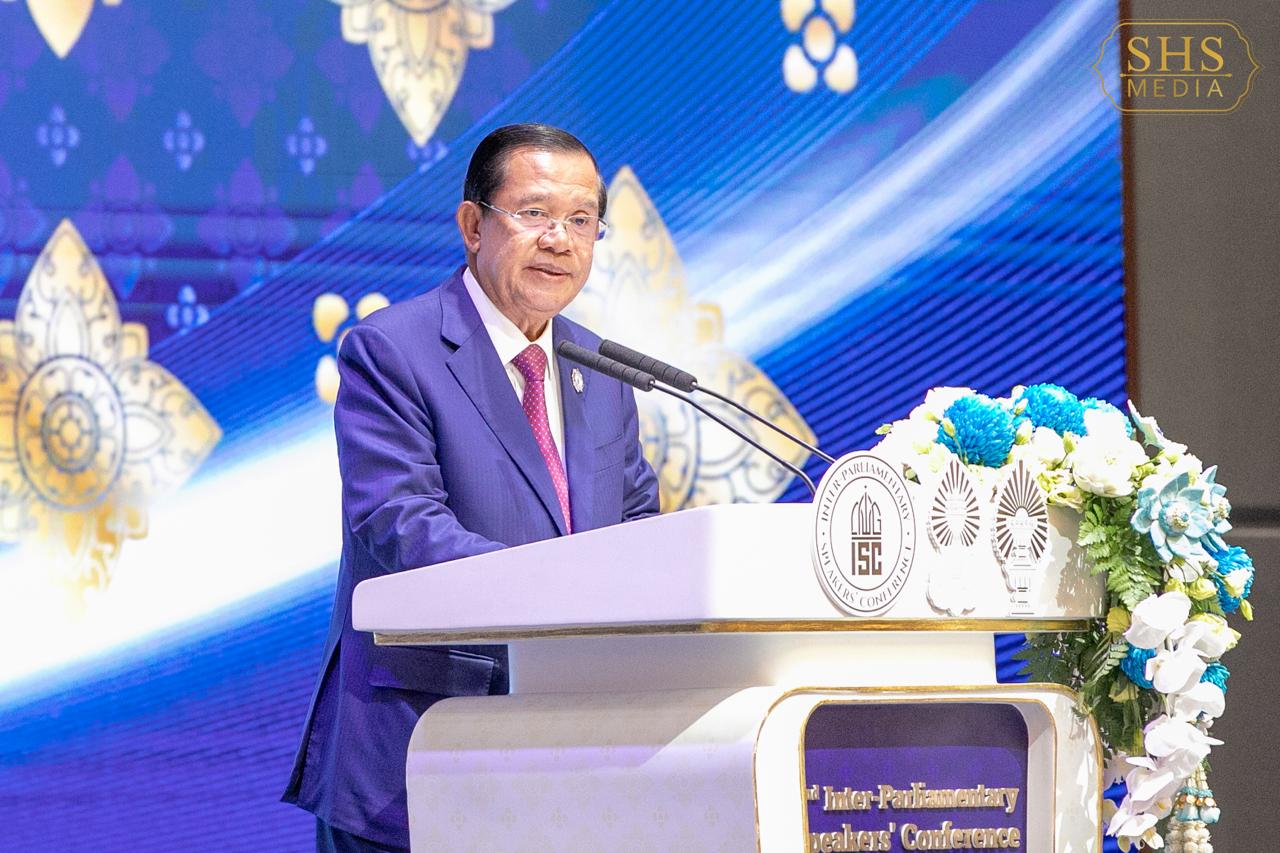
In a statement dated Aug. 30, the spokesperson for Cambodia’s Senate said it regretted remarks made by the president of Thailand’s Senate in response to comments by Senate President Samdech Techo Hun Sen at the Second Inter-Parliamentary Speakers’ Conference in Phnom Penh on Aug. 27.
The Cambodian Senate said Hun Sen’s remarks reflected what it described as the situation on the ground concerning Thailand’s aggression against Cambodia’s territorial integrity and were aimed at upholding national sovereignty, territorial integrity, international law and the U.N. Charter, as well as the peaceful settlement of disputes.
The statement addressed several points raised by the Thai Senate president, including references to online scams, alleged attacks on civilian structures, the use of force and the implementation of a joint statement signed on Dec. 27, 2025.
On the issue of online scams, Cambodia’s Senate said efforts to combat transnational crime were necessary and legitimate but should not be used to circumvent the principles of sovereignty, territorial integrity and the prohibition of the use of force.
It also referred to the concept of “modern warfare”, saying coercion in the contemporary era could involve interconnected methods including military operations, information warfare and attempts to create a fait accompli on the ground.
Regarding alleged attacks on civilian structures, the Cambodian Senate said any assessment should be based on independently verifiable facts concerning the nature and actual use of the sites.
The statement also highlighted what it called the danger of a “salami-slicing strategy”, describing it as successive and incremental changes to the situation on the ground that could eventually be used to support territorial claims.
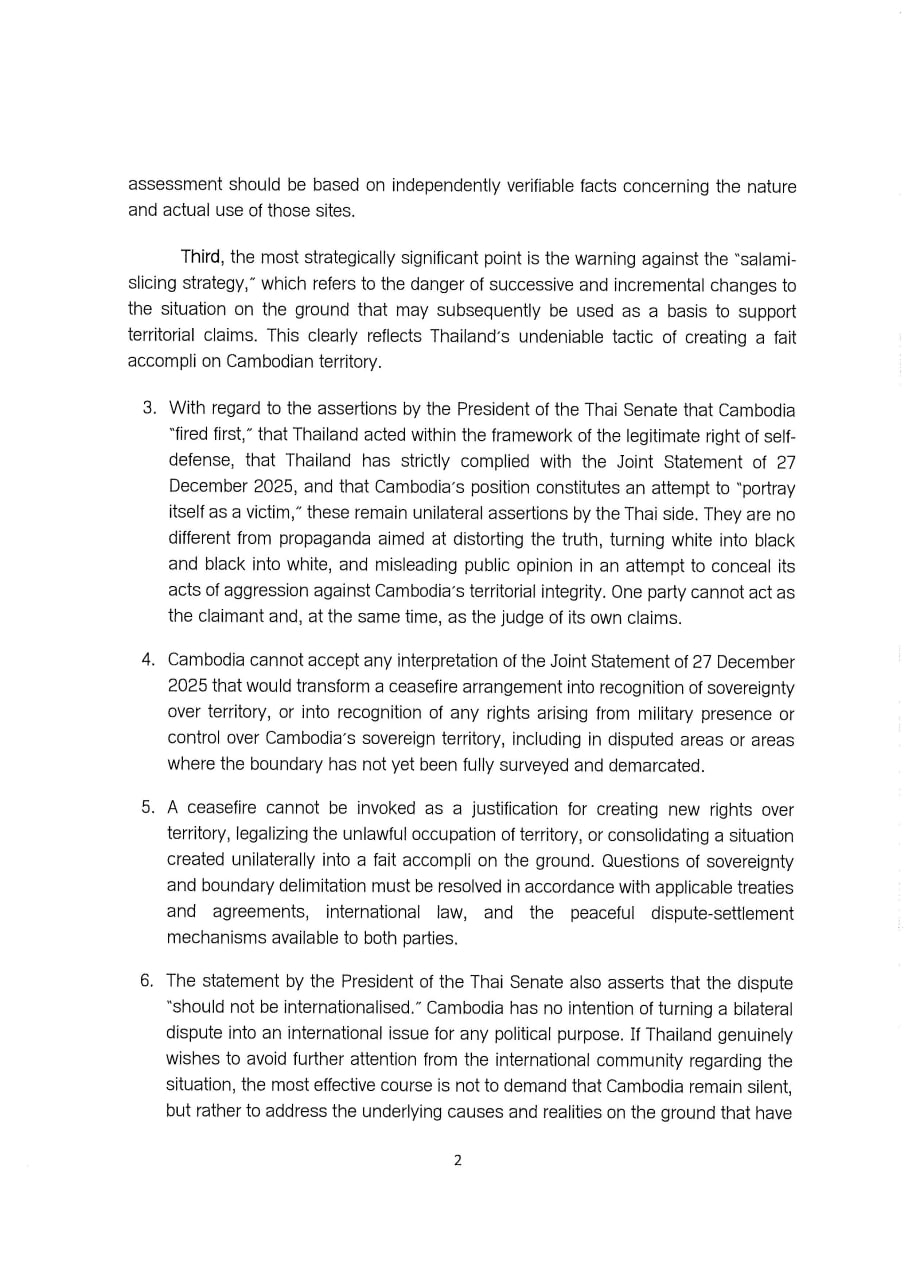
Cambodia rejected assertions that it had “fired first” and that Thailand’s actions had been carried out under a legitimate right of self-defence, describing those claims as unilateral assertions and propaganda intended to distort the facts.
“One party cannot act as the claimant and, at the same time, as the judge of its own claims,” the statement said.
The Cambodian Senate further said Cambodia could not accept any interpretation of the Dec. 27, 2025 Joint Statement that would transform a ceasefire arrangement into recognition of sovereignty over territory or establish rights arising from military presence or control over Cambodian sovereign territory.
It said this applied to disputed areas as well as areas where the boundary had not yet been fully surveyed and demarcated.
“A ceasefire cannot be invoked as a justification for creating new rights over territory,” the Senate said, adding that questions of sovereignty and boundary demarcation should be resolved through applicable treaties and agreements, international law and peaceful dispute-settlement mechanisms.
Cambodia also rejected the argument that the dispute “should not be internationalised”, saying it had no intention of turning a bilateral dispute into an international issue for political purposes.
Instead, it said the most effective way to prevent further international concern was for Thailand to withdraw its forces from Cambodian territory, halt activities that alter the situation on the ground and allow displaced Cambodian civilians to return safely and with dignity to their homes.
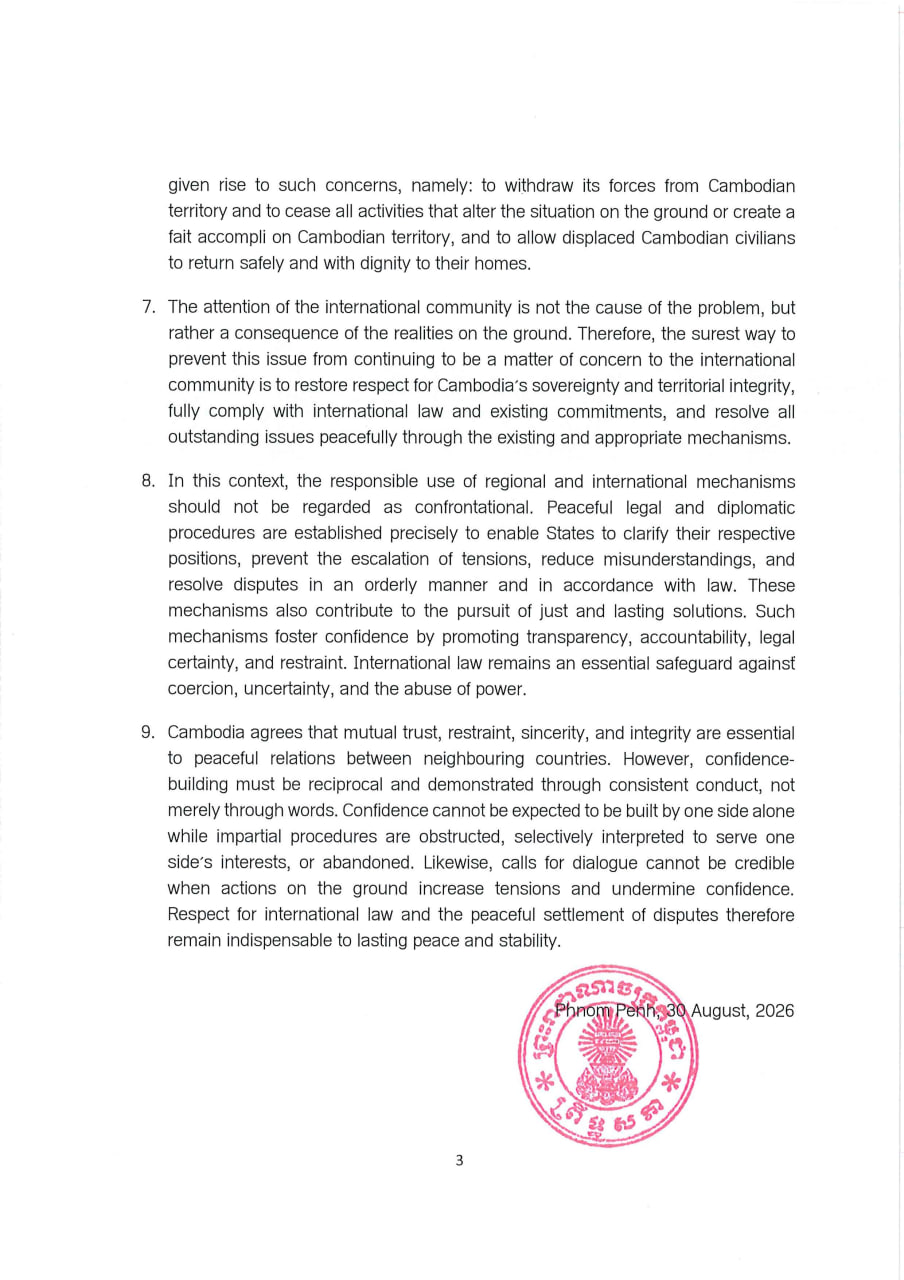
The Senate said international attention was a consequence rather than the cause of the dispute and called for respect for Cambodia’s sovereignty and territorial integrity, compliance with international law and the peaceful resolution of outstanding issues.
It also defended the use of regional and international mechanisms, saying legal and diplomatic procedures were designed to clarify positions, prevent escalation, reduce misunderstandings and resolve disputes in an orderly manner.
Cambodia agreed that mutual trust, restraint, sincerity and integrity were essential to peaceful relations between neighbouring countries, but said confidence-building had to be reciprocal and demonstrated through consistent actions rather than words.
The statement said respect for international law and peaceful dispute settlement remained essential to achieving lasting peace and stability between the two countries.