Cambodia Hits Back at Amnesty Report on Online Scam Crackdown
 Cambodia Hits Back at Amnesty Report on Online Scam Crackdown
PHNOM PENH, June 11, 2026 — Cambodian authorities have rejected recent allegations by Amnesty International that the country has failed to effectively combat online scam operations, insisting that its nationwide crackdown has produced substantial results and is far more than a symbolic campaign.
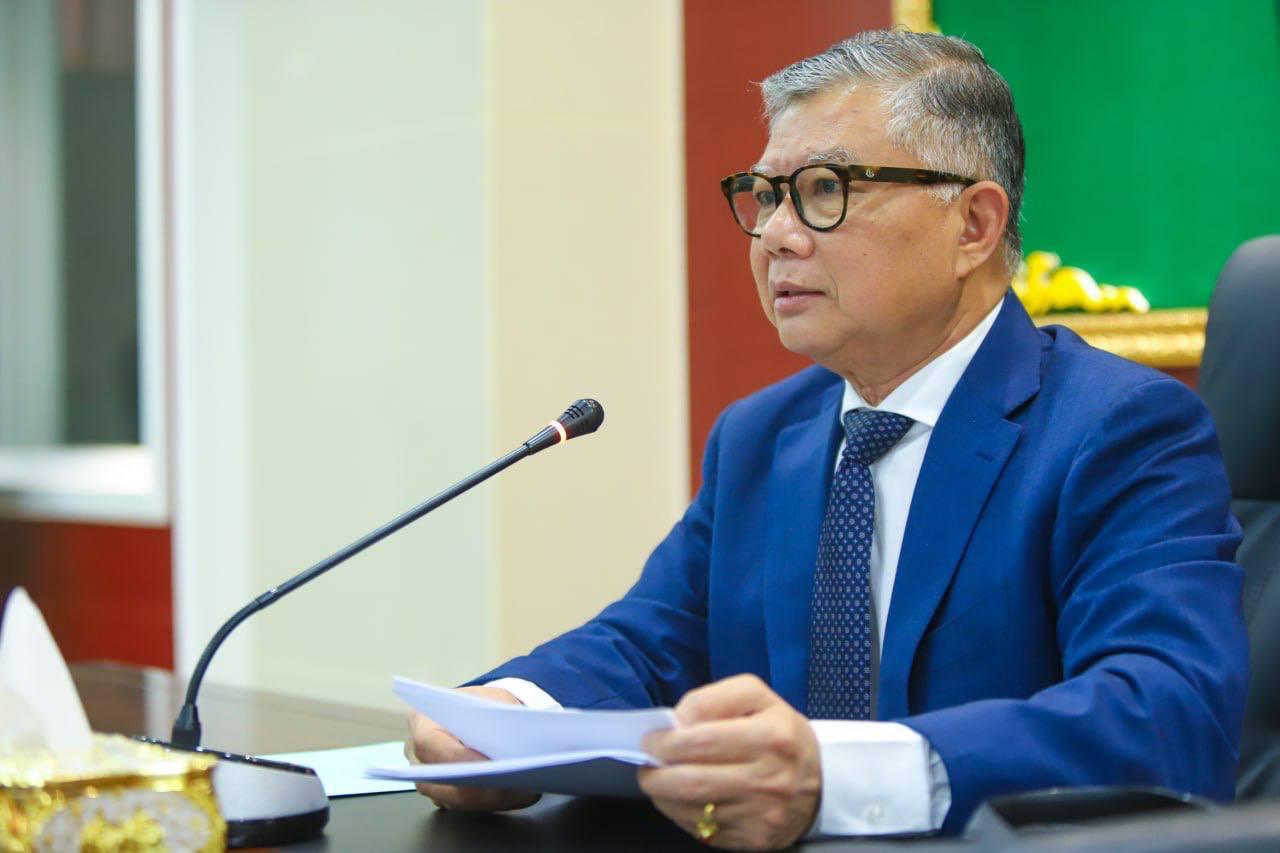
Responding to the report, Chhay Sinarith, Secretary-General of the Secretariat of the National Committee for Combating Online Scams, acknowledged that cyber-enabled crime is evolving rapidly and becoming increasingly complex. However, he argued that Amnesty International’s assessment did not fully reflect the scope of measures undertaken by the Cambodian government.
“The claim that Cambodia’s anti-scam operations are merely for appearances does not accurately reflect the extensive efforts and concrete actions being implemented nationwide,” he said.
According to official figures, Cambodian authorities conducted more than 400 operations targeting online scam activities between July 2025 and May 20, 2026. During that period, authorities suspended or revoked licenses for 25 casino establishments and referred 143 cases involving 1,458 suspects to the courts. The suspects included 201 women and individuals from 19 different nationalities.
Officials explained that some locations cited by critics have not yet been raided because they are mixed-use properties, including condominiums, hotels and legitimate businesses. Authorities said such cases require thorough investigations and sufficient evidence before search warrants can be executed in order to avoid infringing on lawful business activities and property rights.
Chhay Sinarith also disputed allegations of human rights abuses linked to anti-scam operations. He noted that from January 2025 through May 24, 2026, Cambodia facilitated the repatriation of 18,864 foreign nationals connected to online scam activities, including 2,263 women from 33 countries.
He described the effort as a humanitarian operation aimed at rescuing victims from exploitative and illegal working conditions, providing temporary shelter and healthcare, and supporting their return to their home countries. Temporary detention at immigration facilities, he added, was conducted in accordance with immigration laws applicable to individuals found residing illegally in Cambodia.
The official stressed that Cambodia remains committed to a policy of accountability and does not rule out the possibility of misconduct by individual local officials. He said authorities would immediately investigate allegations involving specific locations, including a site identified as PV01 in Prey Veng province. Any officials found to have violated the law would face disciplinary action, dismissal and possible criminal prosecution.
Cambodia is also intensifying international cooperation with foreign law enforcement agencies to dismantle transnational criminal networks involved in online fraud. Chhay Sinarith emphasized that cybercrime is a global challenge that cannot be addressed by a single country acting alone.
He noted that the technological infrastructure, financial networks, money-laundering channels and key organizers behind many scam operations often operate outside Cambodia’s jurisdiction, making international collaboration essential for long-term success.
The government reaffirmed its commitment to continuing nationwide operations against online scam syndicates while strengthening cooperation with regional and international partners to target the organizers and financial networks behind the crimes.