Cambodia Warns of Up to 7 Million Cluster Bomb Submunitions Left by Thai Military
 Cambodia Warns of Up to 7 Million Cluster Bomb Submunitions Left by Thai Military
PHNOM PENH, 11 Aug 2026 — Cambodia could be facing one of the world’s largest newly identified cluster-munition contamination challenges, with up to 6 million to 7 million submunitions potentially scattered across civilian areas, according to the director-general of the Cambodian Mine Action Centre (CMAC).
Heng Ratana, a Government Delegate and CMAC director-general, said CMAC had recently completed an assessment of remnants of what it described as Thai military munitions across 335 villages following the Cambodia-Thailand conflict.
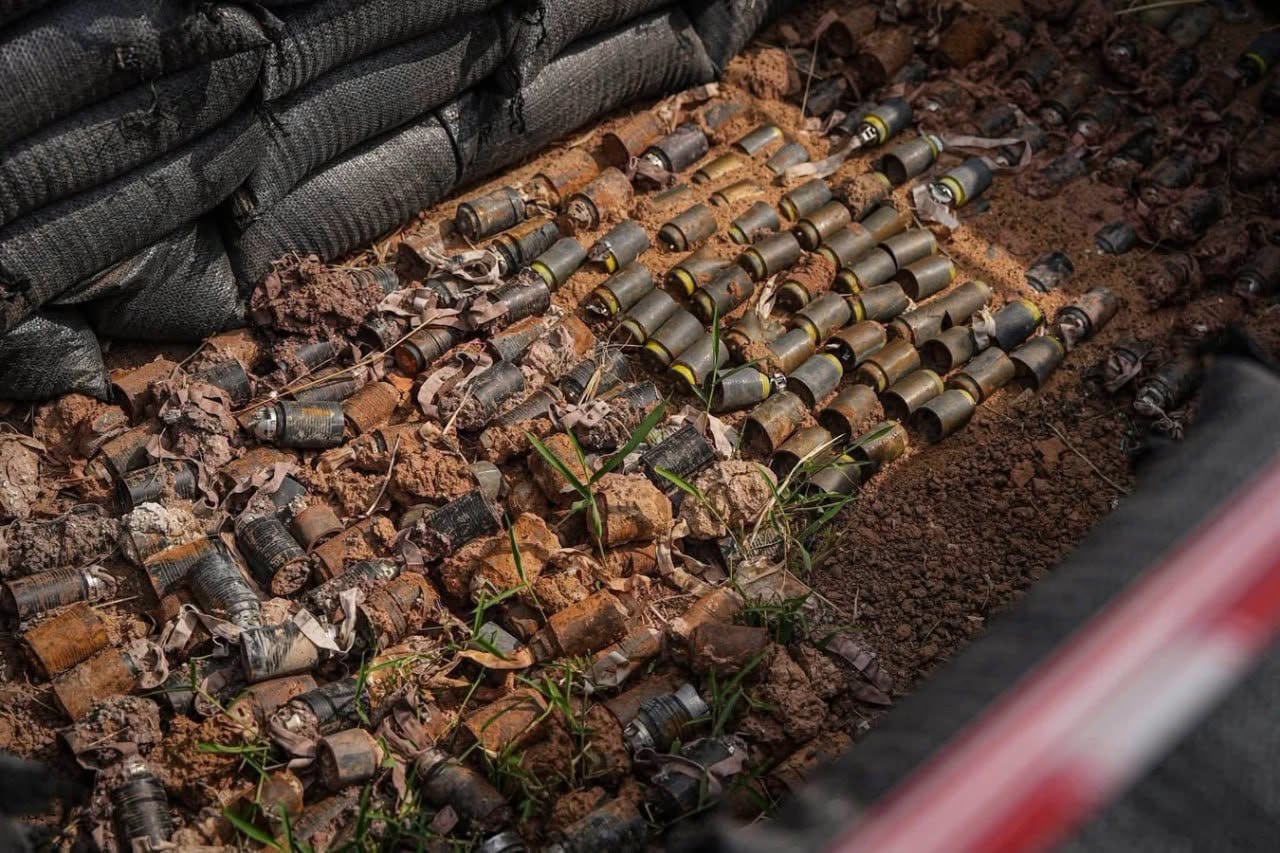
The assessment identified 5,348 affected areas covering 3,872 square kilometres, including 3,858 areas covering nearly 2,700 square kilometres that were affected by cluster munitions, Heng said.
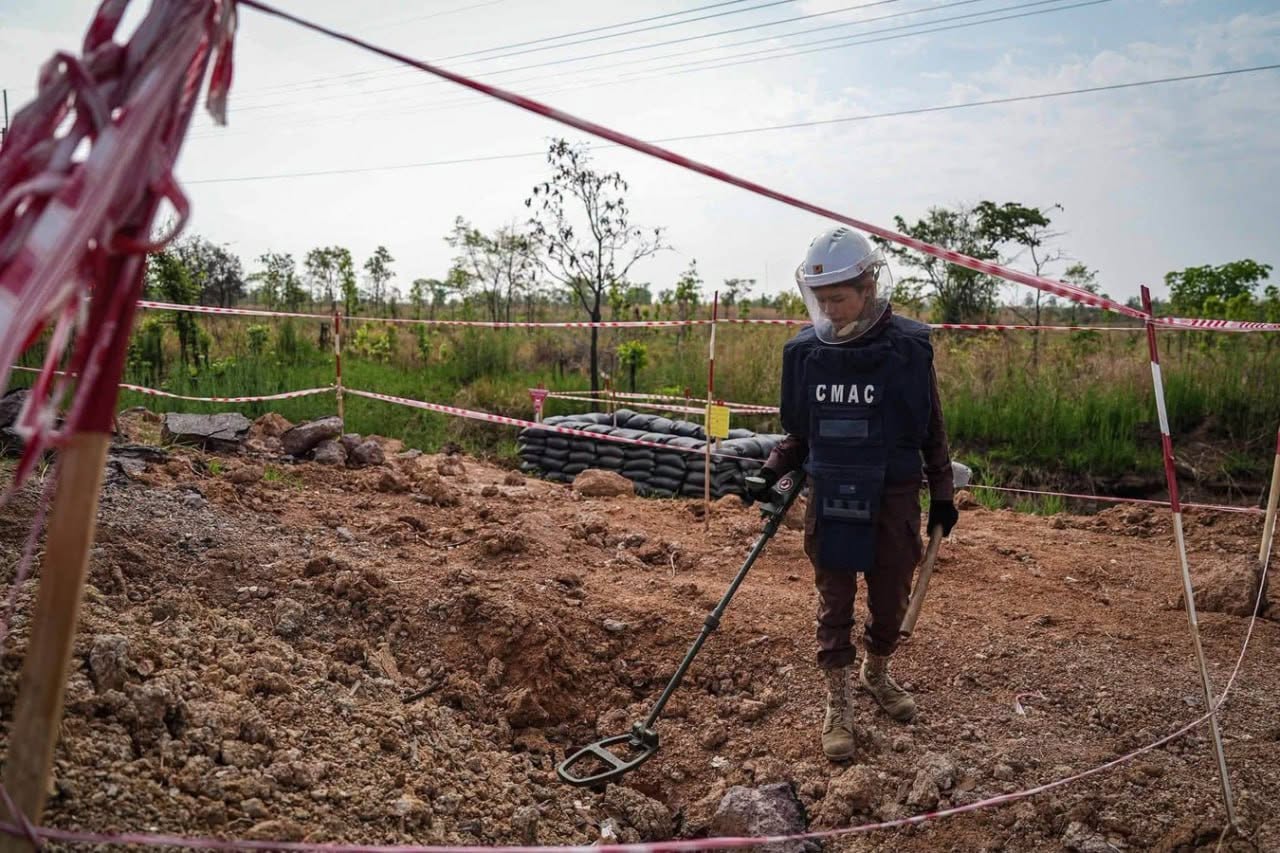
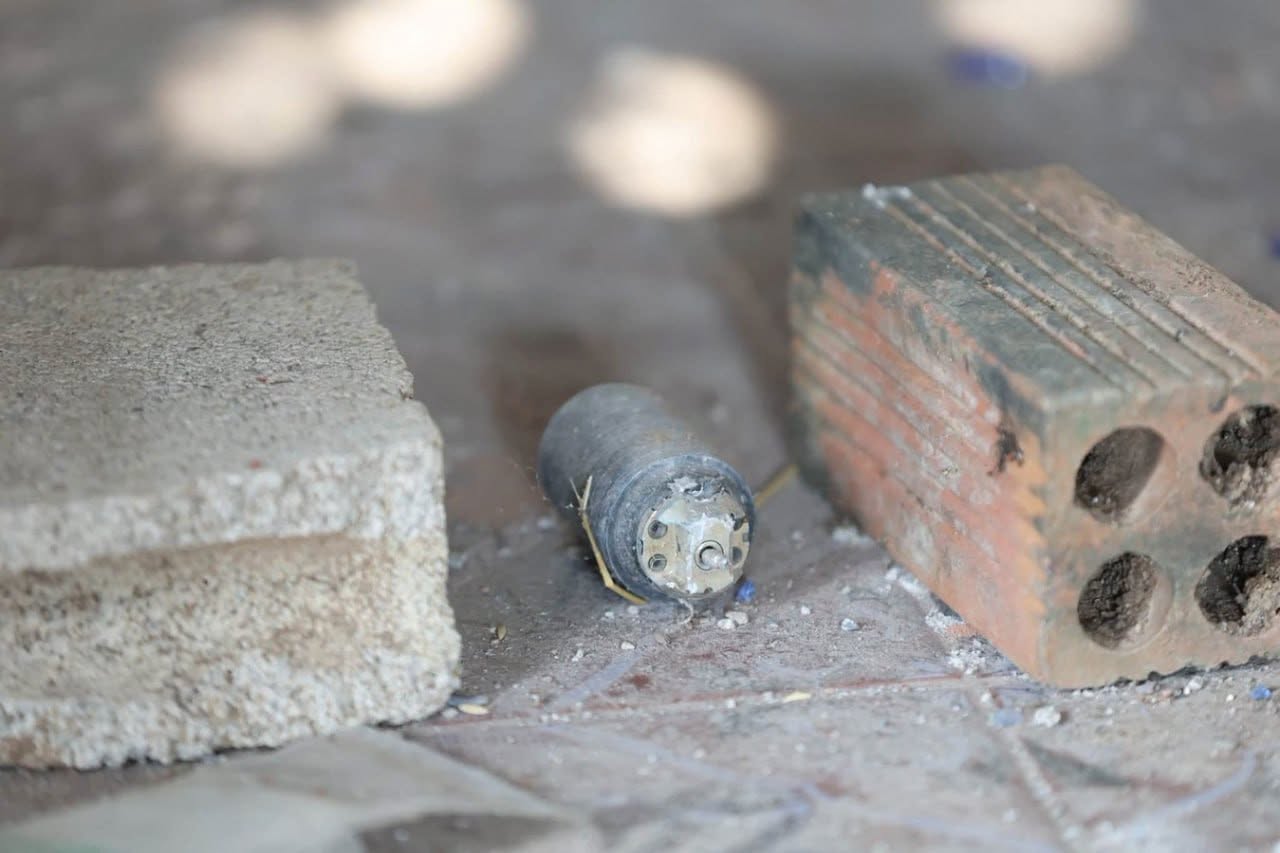
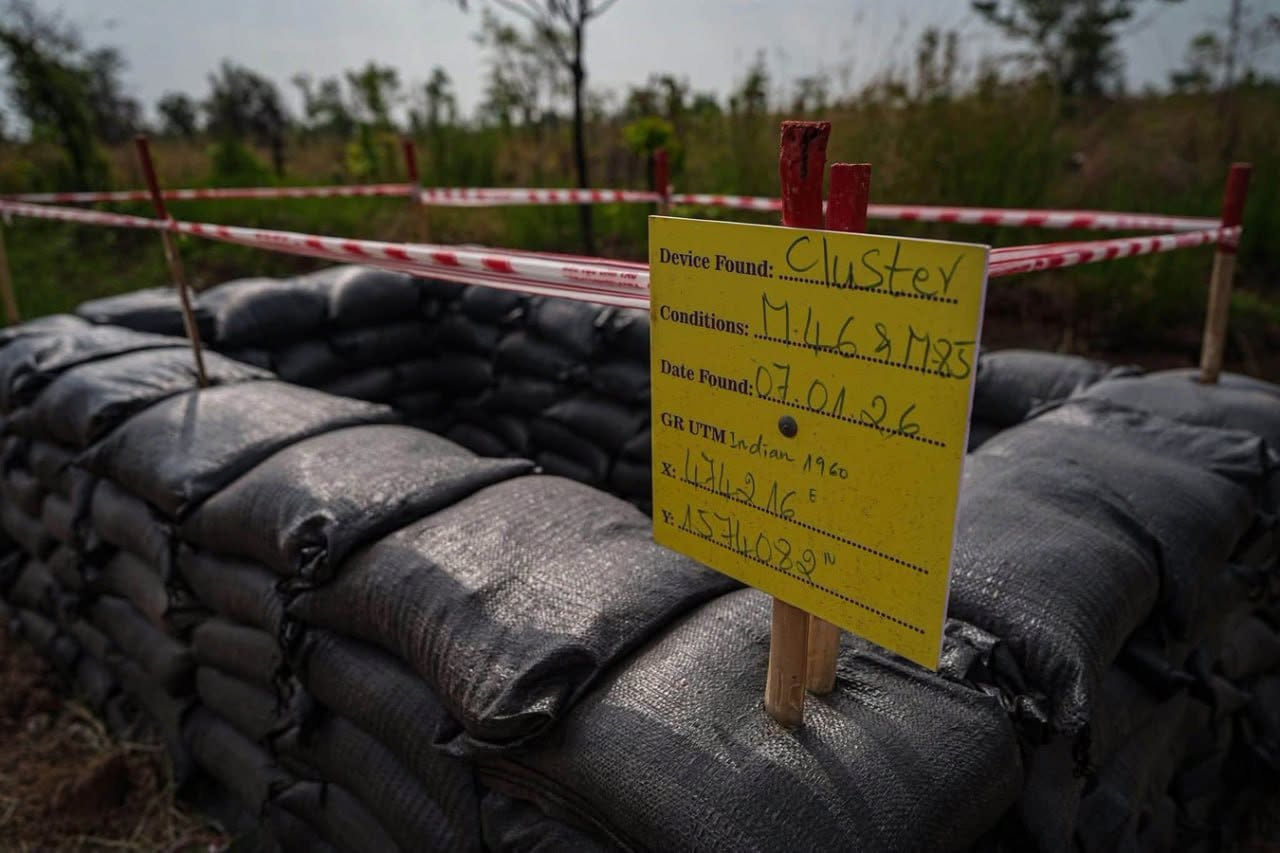
He said the suspected cluster-munition remnants include M42, M46 and M-85 submunitions, which could number between 6 million and 7 million and remain scattered across villages, rice fields and farmland.
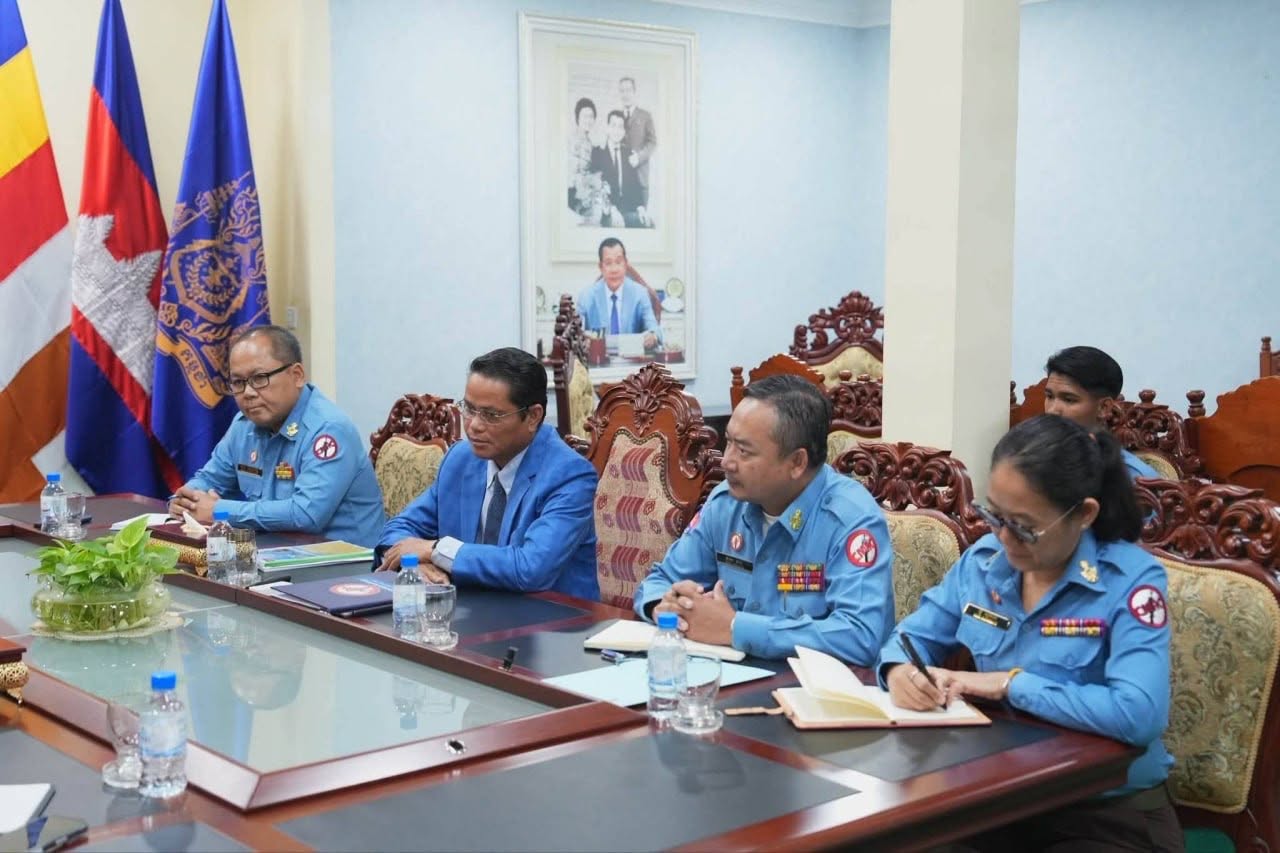
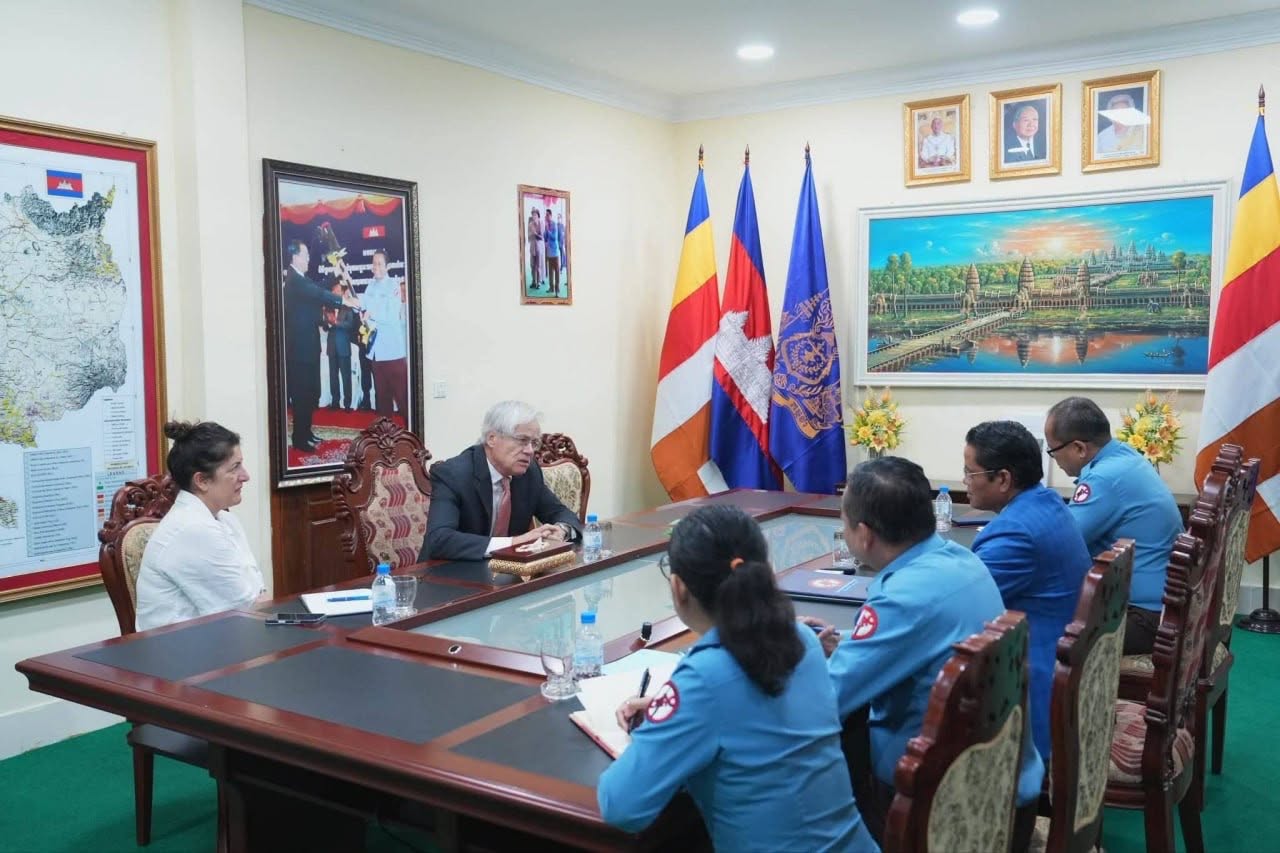
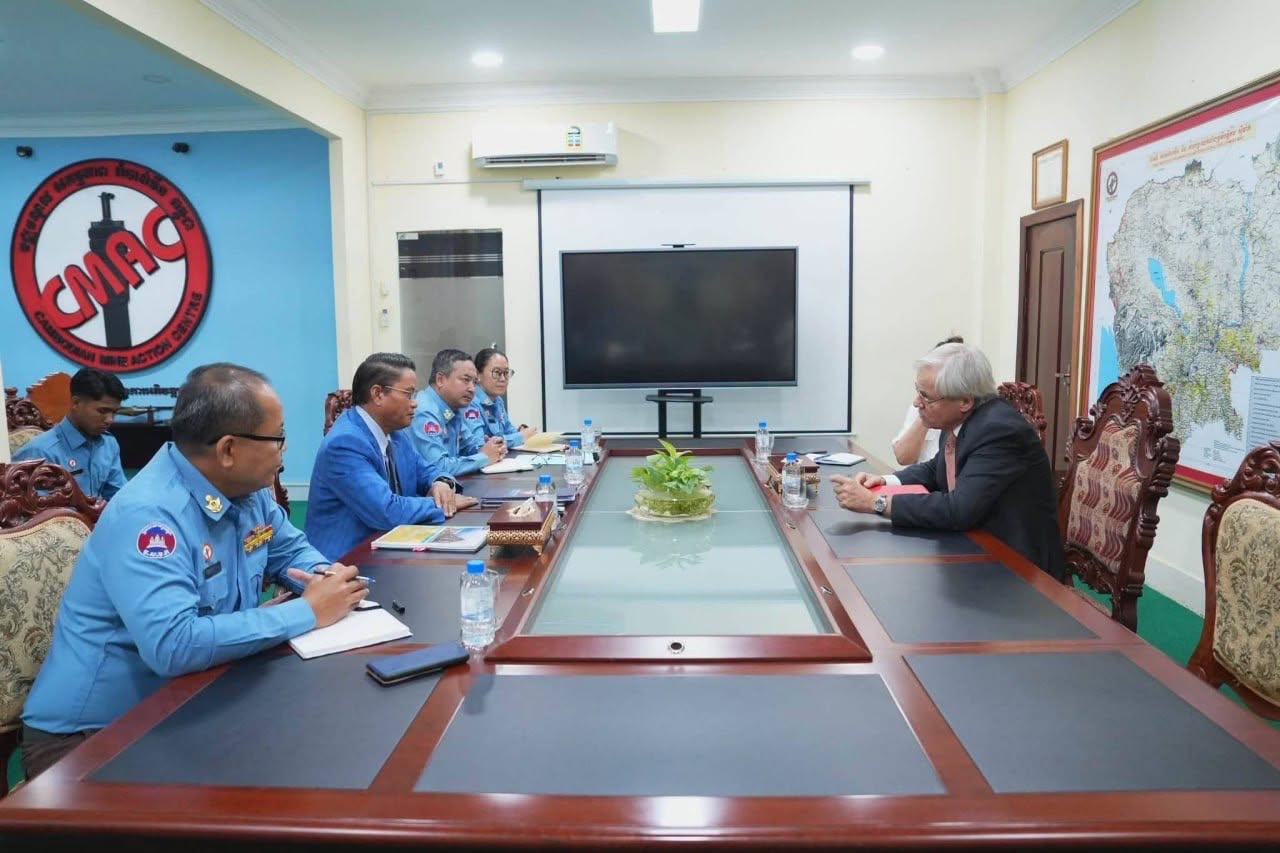
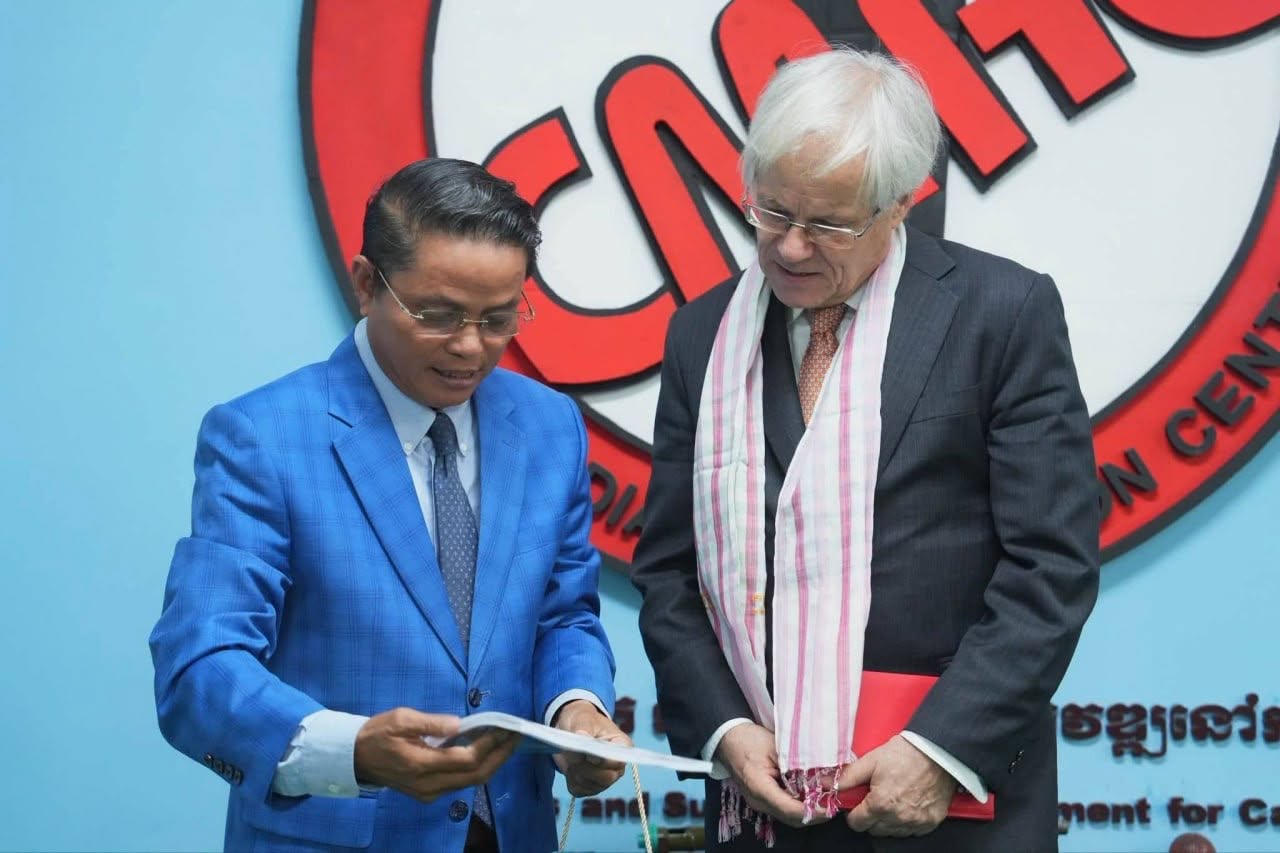
Heng disclosed the figures during a meeting on August 6 with a delegation from the International Committee of the Red Cross (ICRC) led by Alain Aeschlimann, an ICRC adviser on security and crisis management, and Dorsa Nazemi-Salman, head of the ICRC mission in Cambodia.
CMAC warns of long-term humanitarian impact
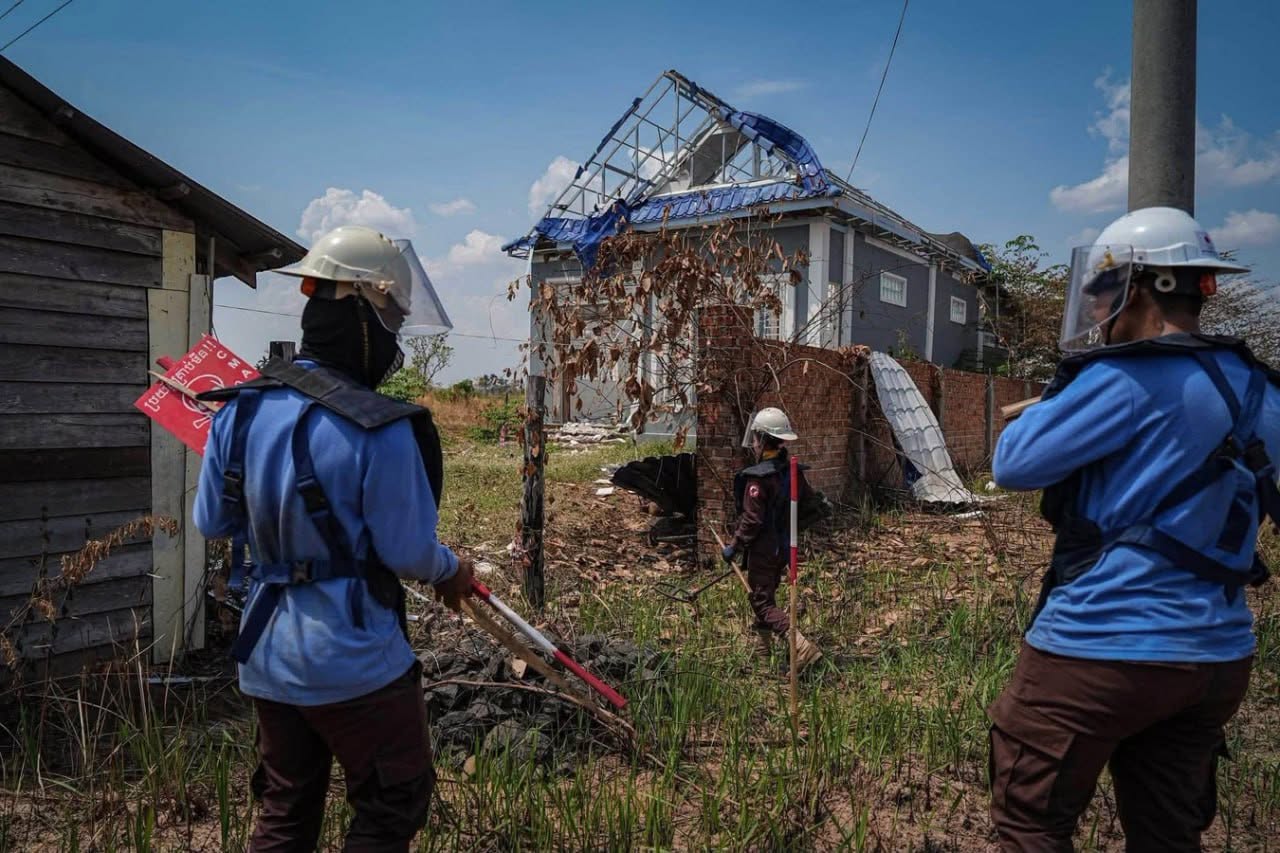
Heng said the suspected remnants were found in and around villages, schools, pagodas, farmland and civilian public infrastructure, warning that the contamination could create serious humanitarian and socioeconomic consequences for Cambodia.
He described the alleged use and deployment of cluster munitions in civilian areas as a deliberate military strategy intended to create a humanitarian crisis and threaten Cambodia’s socioeconomic development both immediately and over the long term.
The allegations concerning the Thai military’s use and deployment of the weapons were presented by Heng and were not independently verified.
Heng compared the reported scale of the contamination with the 2006 Lebanon-Israel war, saying approximately four million cluster submunitions were used during the final three days of that 34-day conflict, with about 40% reportedly failing to explode.
He said the scale of the cluster-munition problem currently identified in Cambodia could exceed that example.
14 frontline areas still awaiting assessment
CMAC said its assessment remains incomplete, with 14 villages and geographical locations along the frontline border areas yet to be surveyed and assessed.
The final figure could therefore change once field assessments are completed, according to the information provided by CMAC.
Heng also urged the ICRC to increase its efforts to support displaced Cambodian civilians in returning to their homes.
He called on the organisation to push for accountability over the destruction of civilian homes and crops and to encourage Thailand to comply with international obligations concerning the use of cluster munitions and chemical weapons.
The CMAC warning comes as Cambodia continues to deal with explosive remnants and unexploded ordnance following fighting along the Cambodia-Thailand border, with authorities assessing the risks to civilians seeking to return to affected communities.