CMAC Chief Says Bombing of Preah Vihear Was Part of a Planned Operation
 CMAC Chief Says Bombing of Preah Vihear Was Part of a Planned Operation
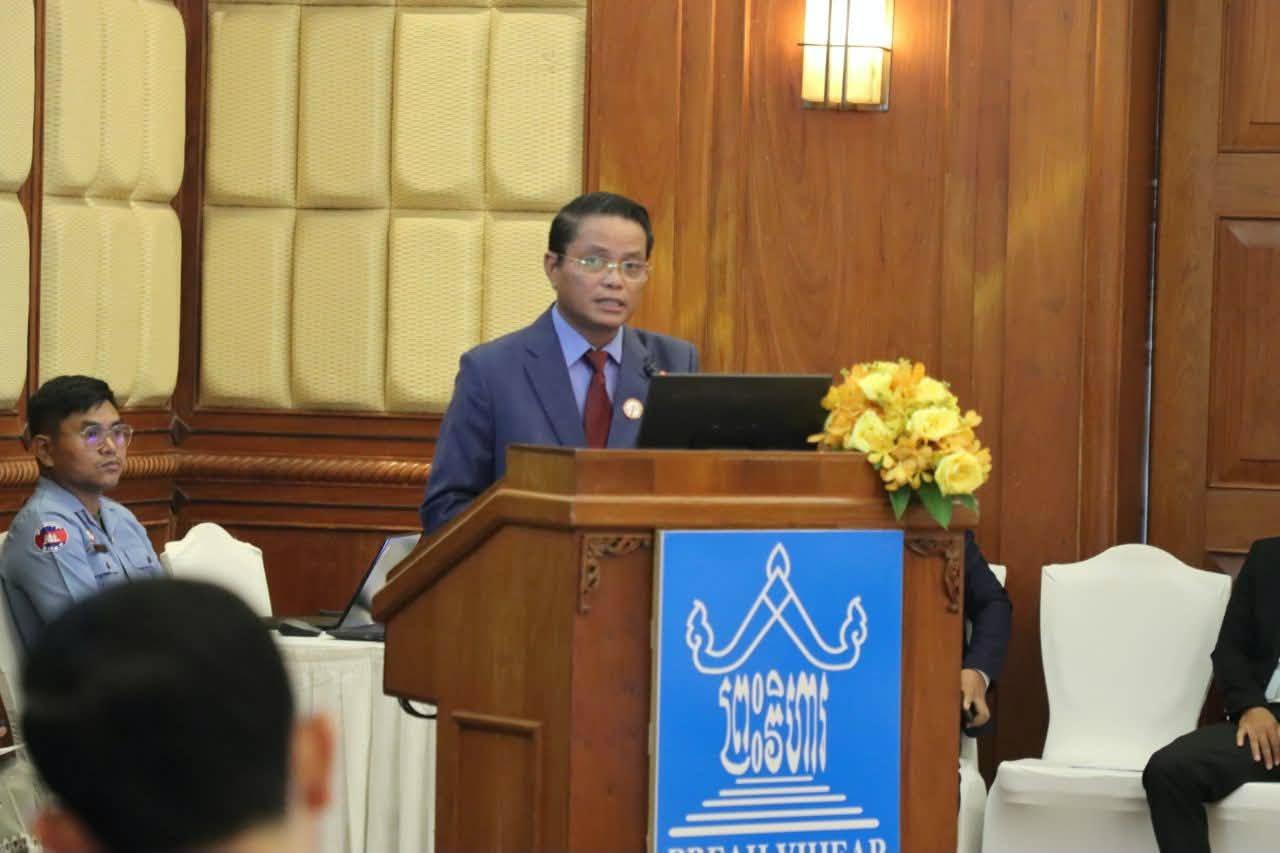
SIEM REAP, Oct. 1, 2026 — Cambodian Mine Action Centre (CMAC) Director General Heng Ratana has said that the bombing and shelling that damaged Preah Vihear Temple were carried out according to a clear plan and under an identifiable command structure, alleging that the attacks were intended to destroy the historic World Heritage site.
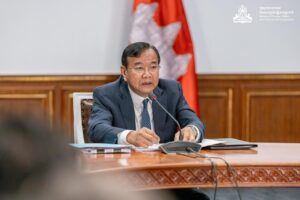
Heng Ratana made the remarks on September 30 during the 11th Technical Session of the International Coordinating Committee for the Safeguarding and Development of the Temple of Preah Vihear (ICC-Preah Vihear), held at the Sokha Siem Reap Hotel under the chairmanship of Minister of Culture and Fine Arts Phoeurng Sackona.
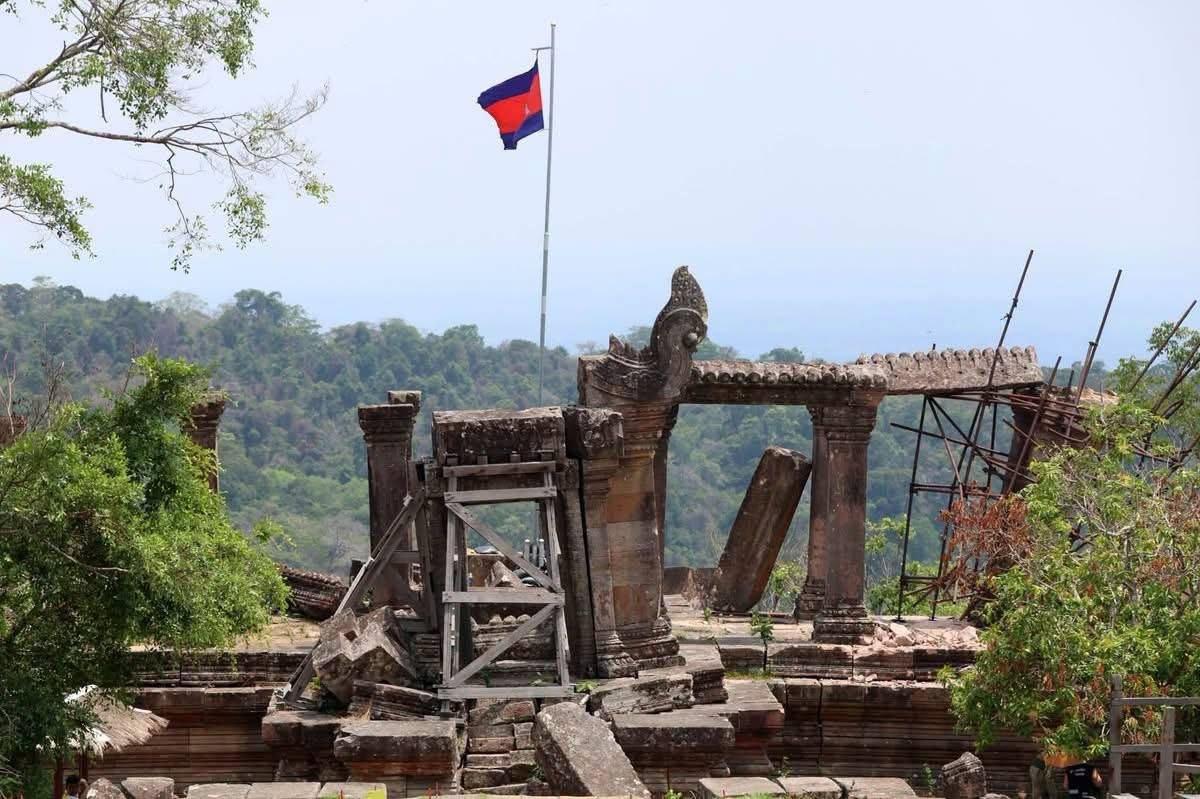
Speaking to national and international participants, Heng Ratana referred to what he described as attacks involving bombs, artillery fire and drones that caused extensive damage to Preah Vihear Temple, a UNESCO World Heritage site.
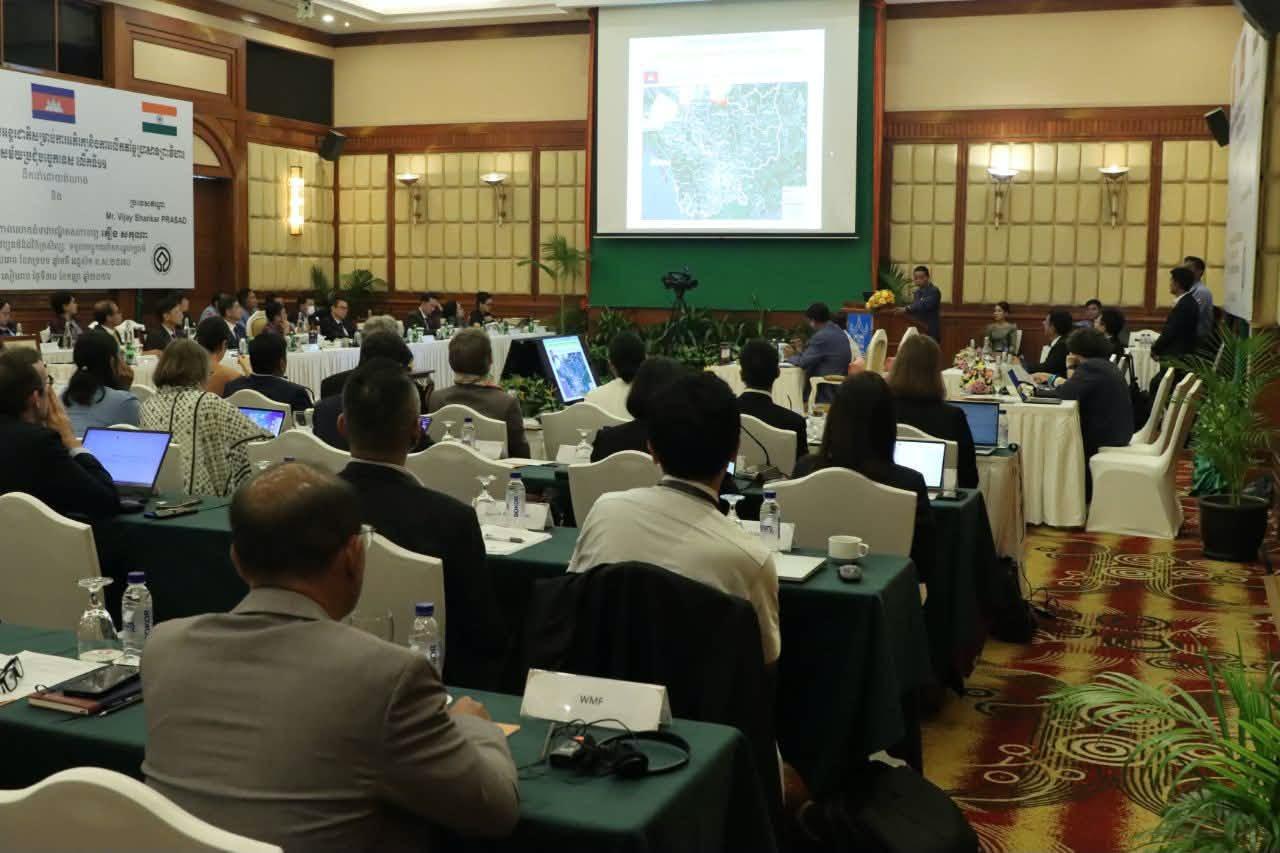
He said the pattern of attacks indicated planning, targeting and command and control, and argued that the scale of the damage would require substantial time and resources for conservation and restoration.
“The attacks were carried out with a clear plan, objectives and command and control,” Heng Ratana said, according to a report by AKP.
CMAC has separately reported that its assessments at the temple identified extensive damage associated with aerial bombardment and attacks. Heng Ratana said the findings pointed to strategic planning, coordination and command and control, which he interpreted as indicating an intent to destroy the temple.
The scale of the physical damage has also been documented in a joint UNESCO World Heritage Centre–ICOMOS advisory mission report. The mission visited Preah Vihear from March 1 to 6, 2026, to assess damage associated with the 2025 armed clashes.
According to the published report, Cambodian authorities identified 142 damaged areas resulting from the July 2025 fighting and a further 420 damaged areas following the December 2025 fighting, for a total of 562 documented damaged areas. The assessment said the damage affected the temple property’s integrity, authenticity and Outstanding Universal Value.
The UNESCO–ICOMOS assessment also described the scale of recent damage as significantly different from damage caused by earlier conflicts and called for urgent conservation and protection measures.
Heng Ratana said the destruction had created a major challenge for the preservation of Preah Vihear Temple and stressed the need for extensive restoration and conservation work.
The Cambodian authorities have continued to call for international attention to the protection of the temple, which has been inscribed on the UNESCO World Heritage List since 2008.
The circumstances, responsibility and intent behind the attacks remain matters of dispute between Cambodia and Thailand. The CMAC director general’s statements represent the Cambodian side’s assessment of the attacks, while the UNESCO–ICOMOS report provides a technical assessment of the damage and its impact on the World Heritage property.