CMAC Says Thai Military Fired Up to 7 Million Cluster Submunitions Across Cambodia
 CMAC Says Thai Military Fired Up to 7 Million Cluster Submunitions Across Cambodia
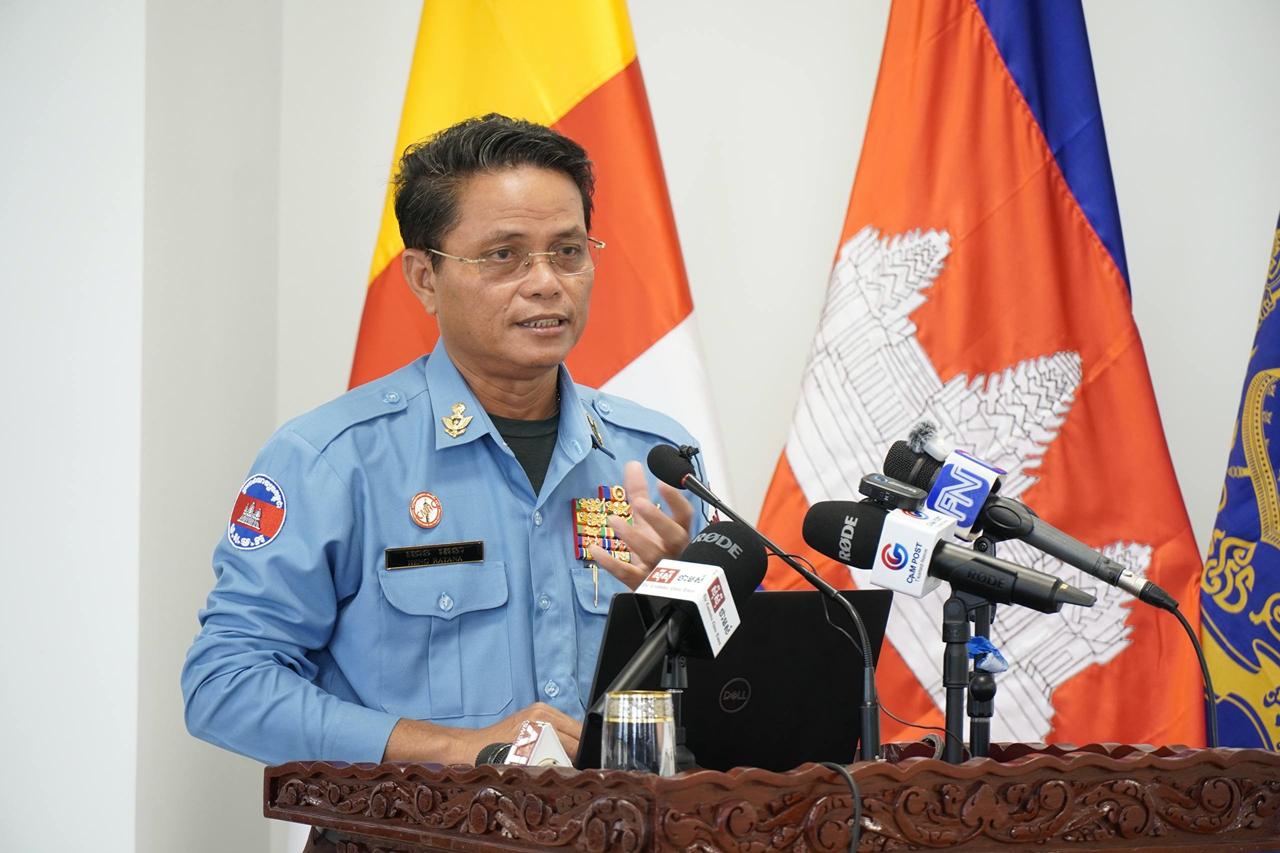
SIEM REAP, Sept. 14, 2026 — Cambodian Mine Action Centre (CMAC) Director-General Heng Ratana has warned that between 6 million and 7 million cluster submunitions allegedly fired by the Thai military during the 2025 Cambodia-Thailand conflict could create a long-term humanitarian and socio-economic crisis across nearly 3,000 square kilometres of Cambodian territory.
Speaking at a press briefing at the Techo Peace Museum in Siem Reap on Sept. 11, Heng said the scale of the alleged cluster-munition contamination was exceptionally large and could pose dangers to Cambodian communities for years.
According to CMAC findings, cluster munitions affected 335 of 349 villages surveyed in areas impacted by the conflict, covering approximately 295,000 hectares, or 2,950 square kilometres. CMAC estimates that the affected areas could contain between 120,000 and 150,000 artillery rounds, each carrying dozens of smaller submunitions.
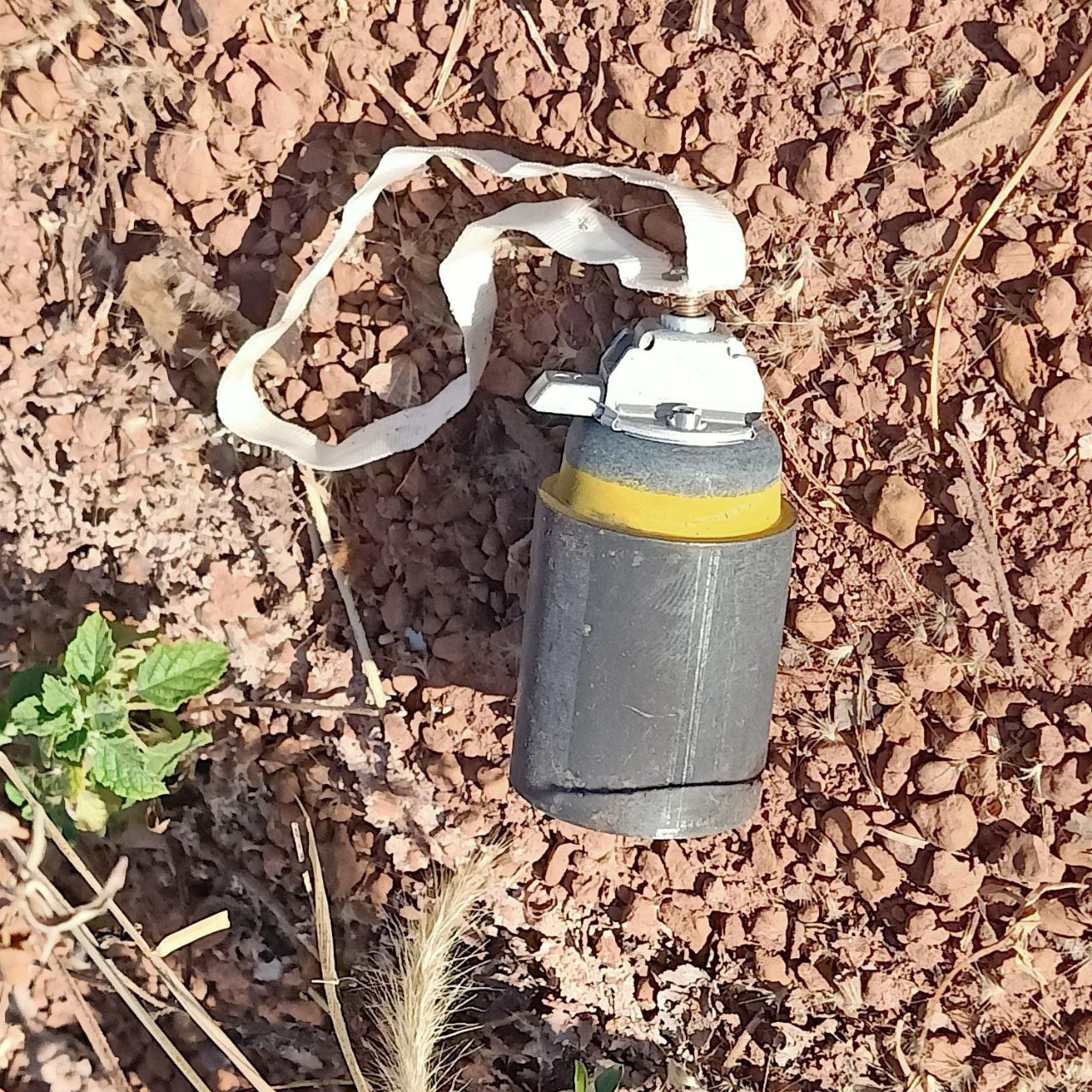
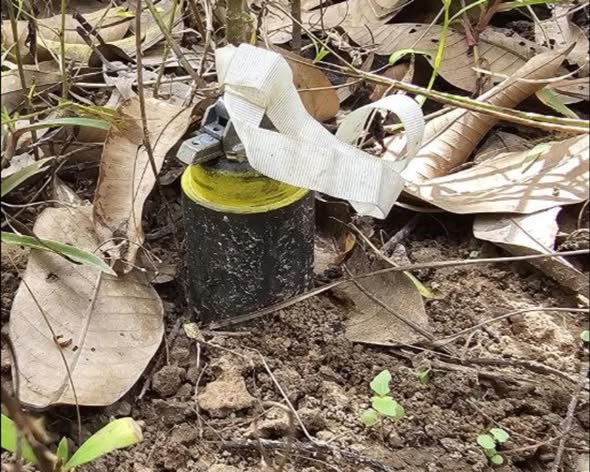
Heng said the contamination was particularly concerning because unexploded cluster submunitions can remain in trees, fields and other locations, making them difficult to detect and potentially more unpredictable than conventional landmines.
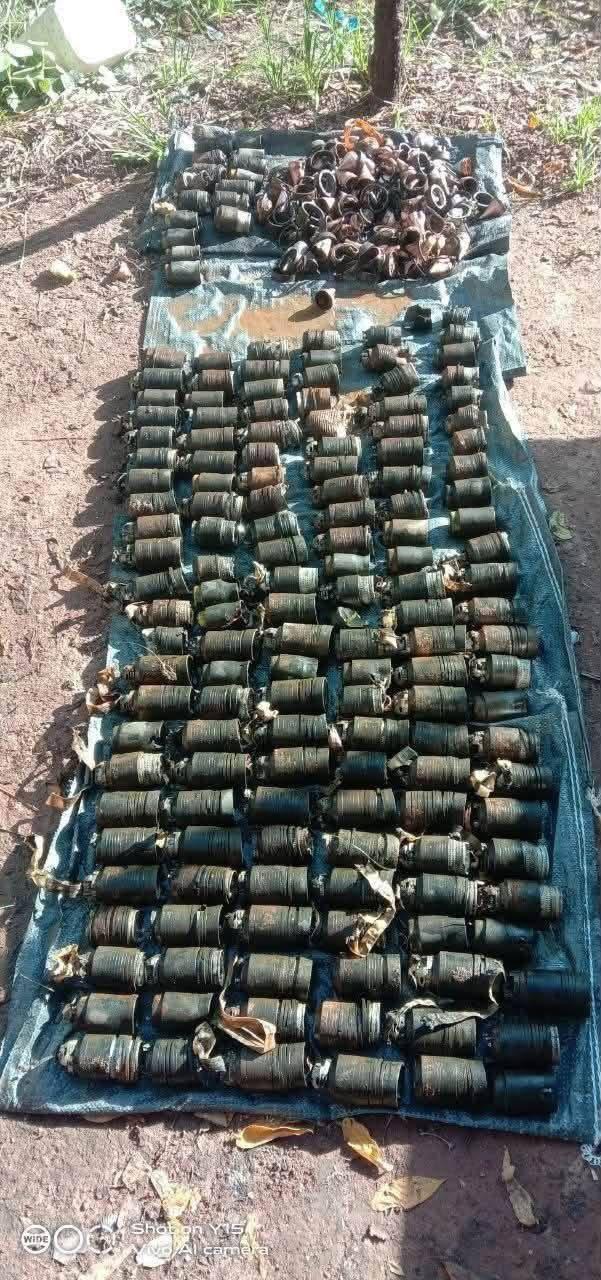
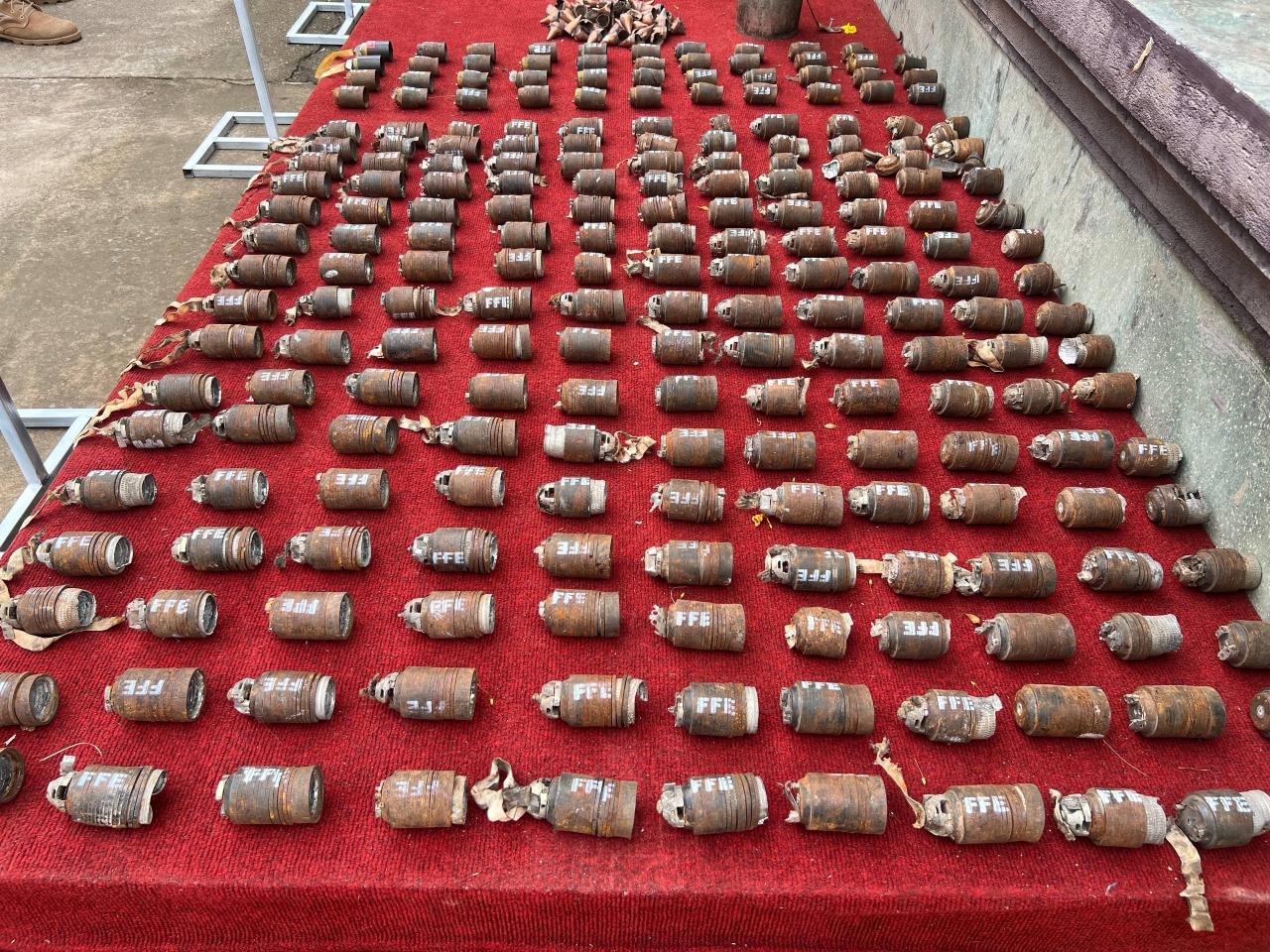
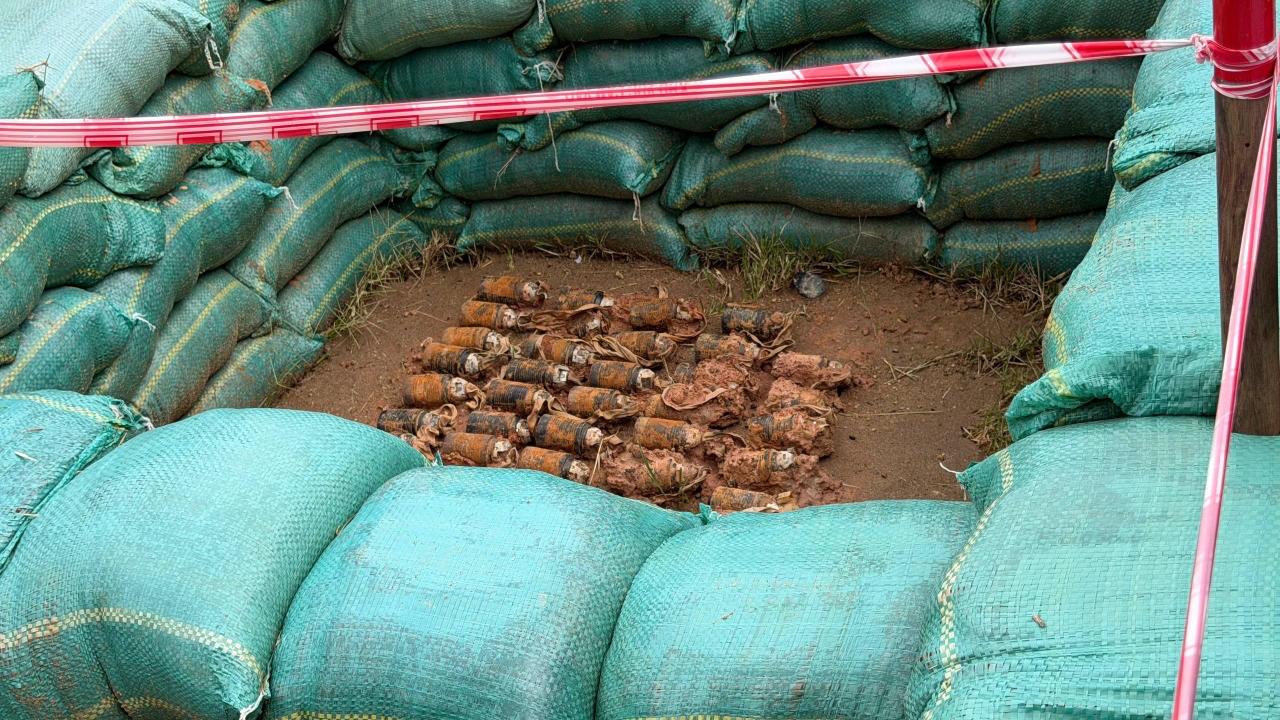
He explained that M42, M46 and M85 submunitions identified in affected areas can contain hundreds of fragments when detonated, potentially causing severe injuries or death to people nearby.
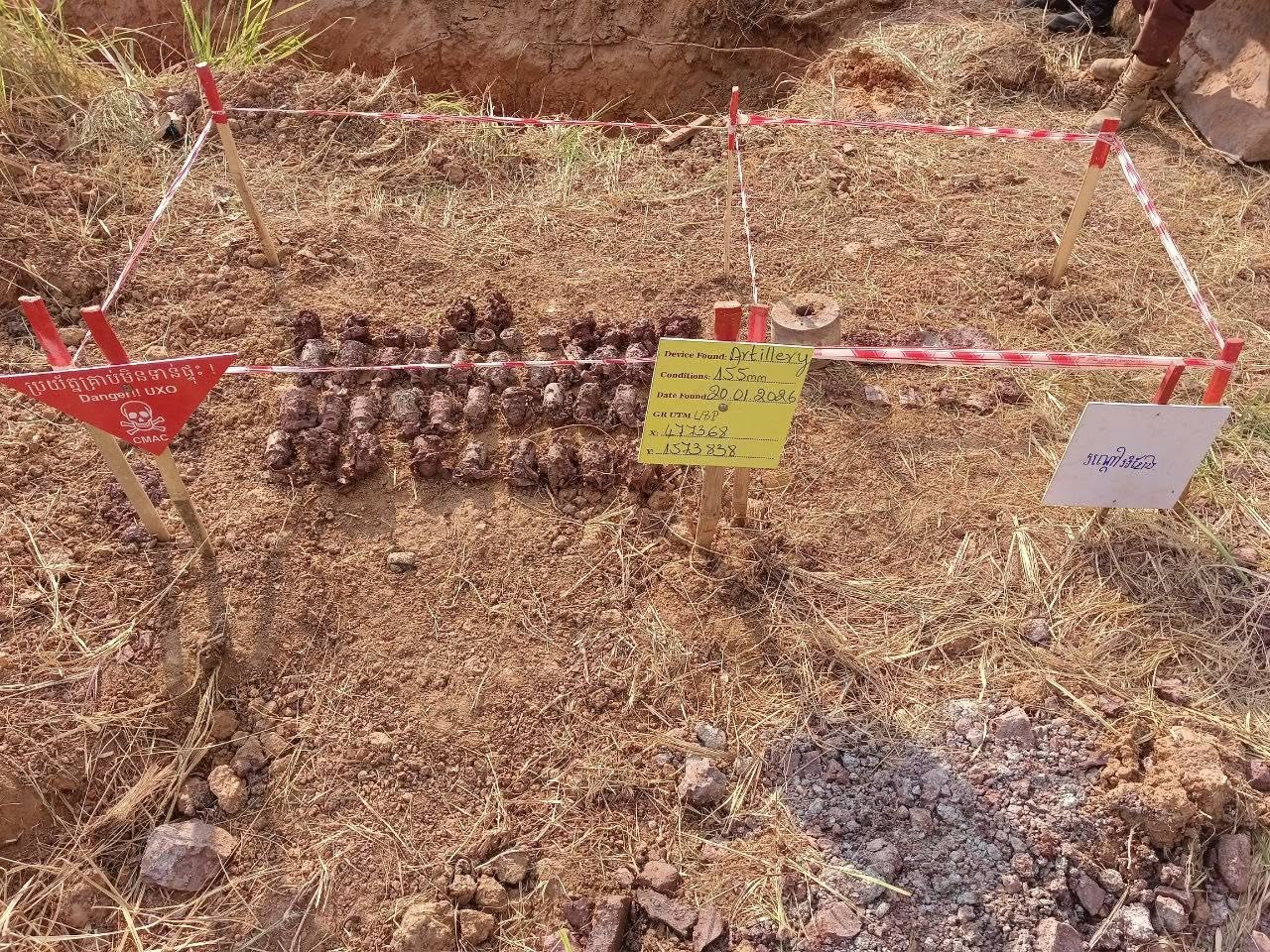
CMAC also identified 155mm artillery rounds believed to have been used in the attacks. Heng said each round weighs about 46.5 kilograms and can carry approximately 49 to 58 submunitions, which are dispersed over a wide area when the artillery shell opens in the air.
According to his explanation, a single cluster-munition artillery round can contaminate an area of roughly 1.8 to 3 hectares, significantly expanding the potential danger beyond the immediate impact zone of conventional artillery.
Heng warned that unexploded ordnance could remain dangerous long after the fighting has stopped. CMAC’s field assessments indicate that unexploded submunitions may account for around 30% to 40% of contamination found above ground and potentially more than 50% where the ordnance is buried, he said.
The CMAC chief said the scale of contamination could have serious consequences for agriculture, civilian resettlement, infrastructure development and the broader socio-economic recovery of affected communities.
He also cited cases in which civilians, including children, had suffered serious injuries from unexploded cluster submunitions, underscoring the continuing danger to communities returning to homes and farmland.
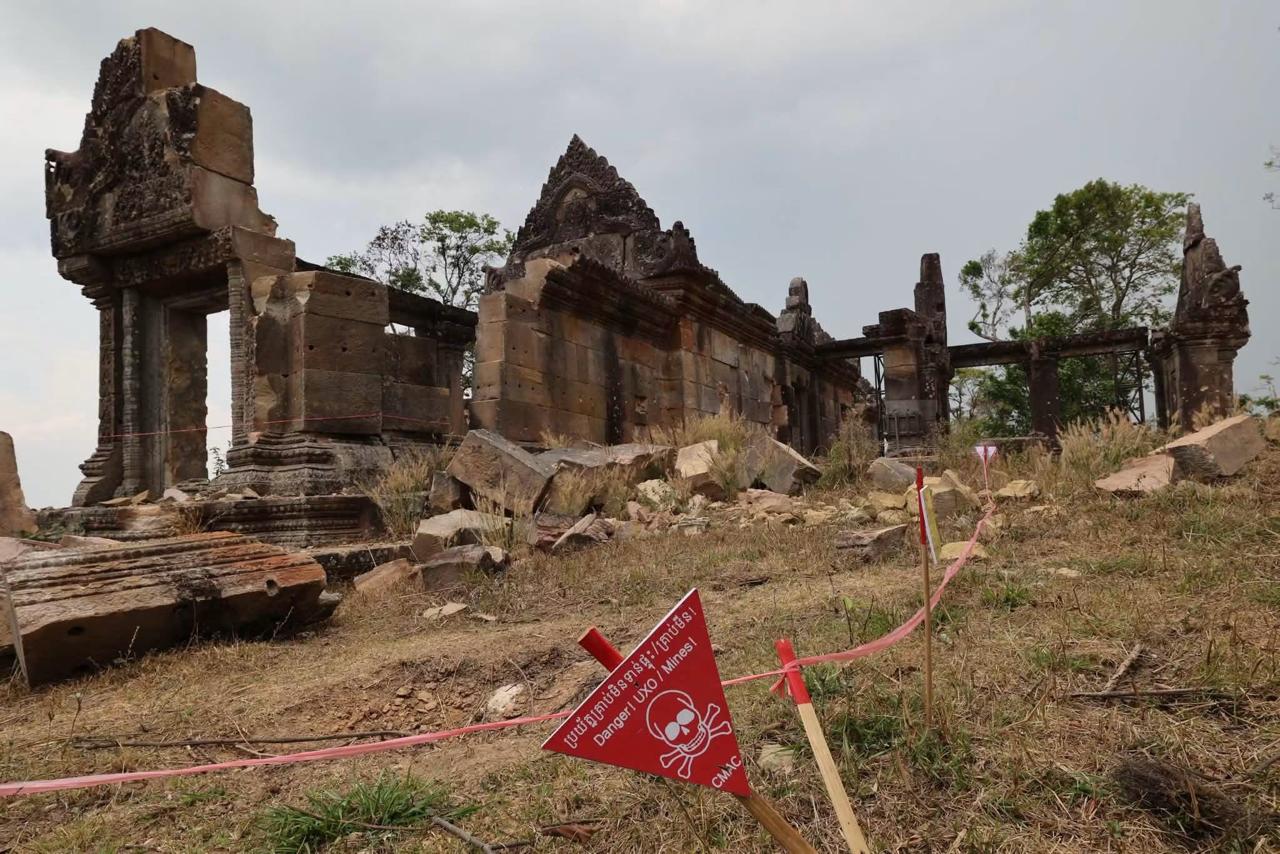
The allegations come amid Cambodia’s broader efforts to document and clear explosive remnants from the 2025 border conflict. CMAC previously reported that its survey of 335 affected villages identified more than 386,000 hectares contaminated by various remnants of war, including more than 295,000 hectares threatened by cluster munitions.
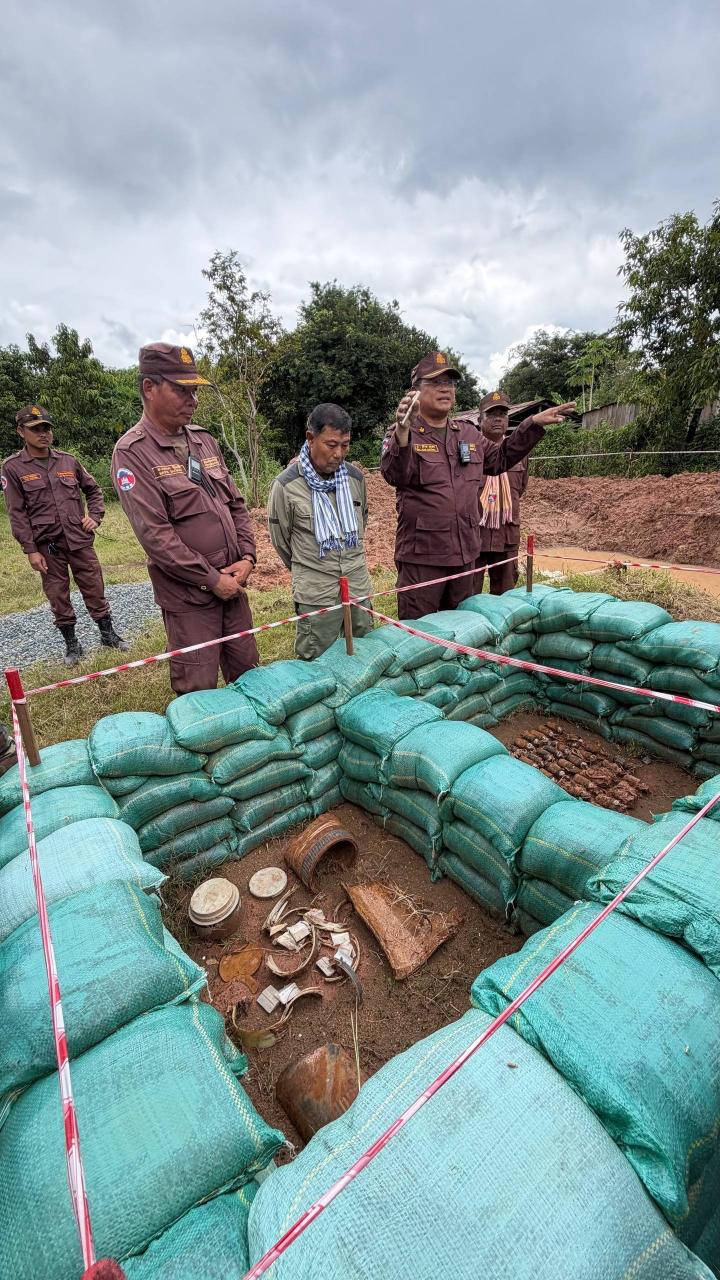
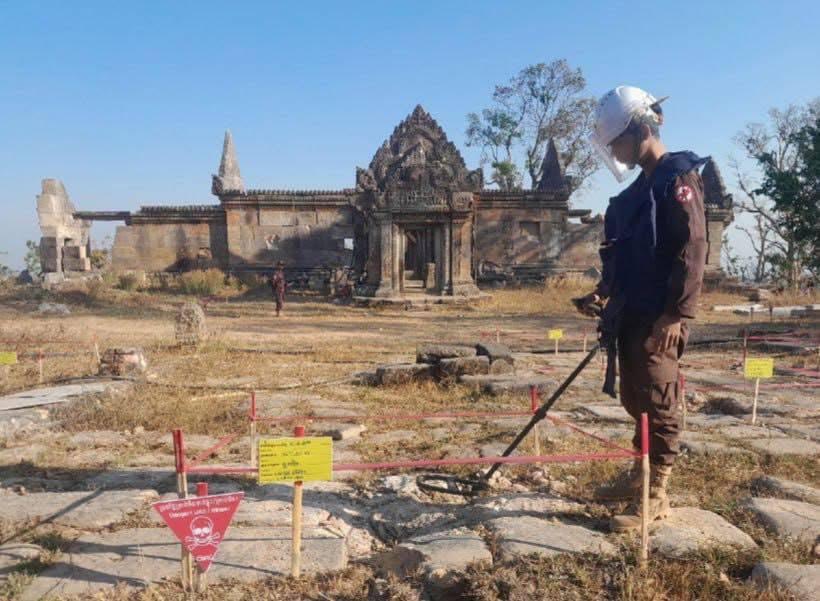
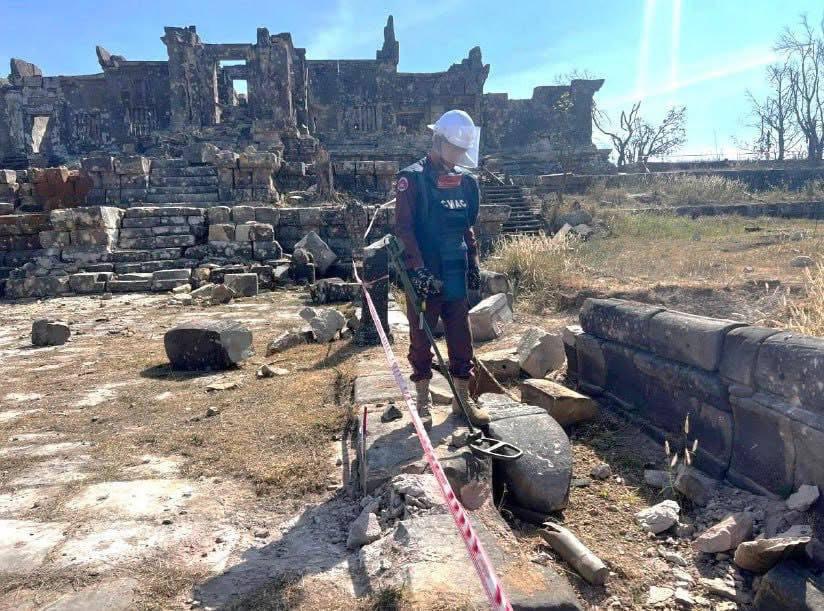
At a Sept. 11 workshop in Siem Reap, CMAC said it was accelerating clearance operations for unexploded cluster munitions and other explosive remnants, with experts identifying M42, M46 and M85 remnants in affected border areas. The agency warned that unexploded submunitions remain a long-term threat to farmers, children and rural communities.
Cambodian officials have repeatedly described the alleged use of cluster munitions by Thai forces as a violation of international law. Thailand’s position and any independent verification of the specific figures cited by CMAC should be considered separately from the Cambodian authorities’ assessment.
The contamination has now become a major post-conflict humanitarian challenge, with Cambodia seeking additional technical and financial support to survey, clear and safely release affected land for civilian use.