
“Nagatitan” Fossil Confirmed as Largest Dinosaur Found in Southeast Asia
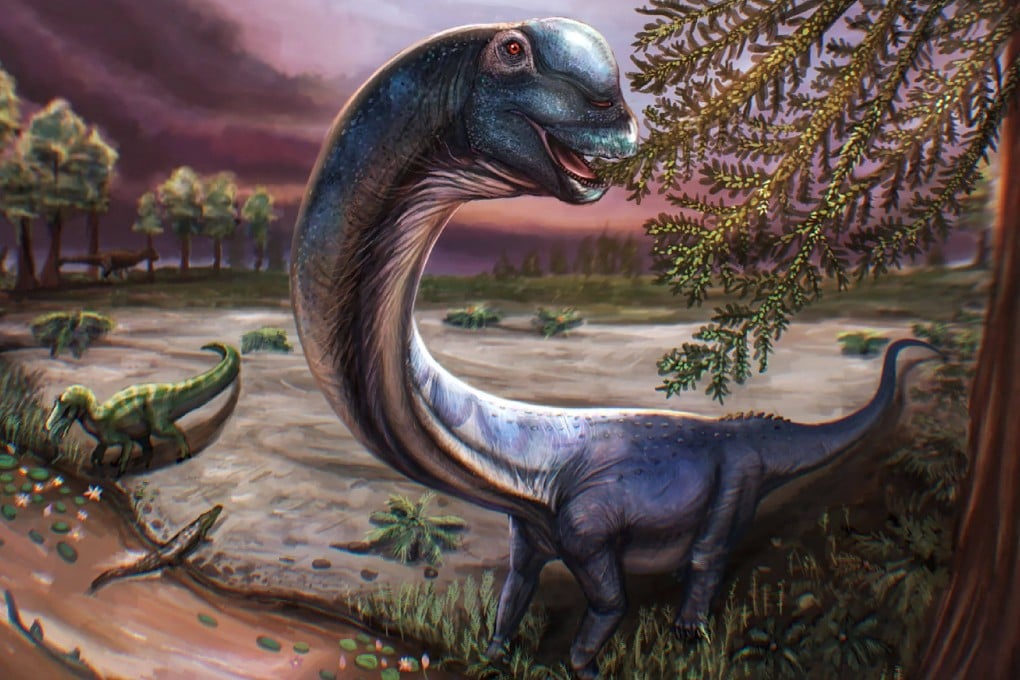 “Nagatitan” Fossil Confirmed as Largest Dinosaur Found in Southeast Asia
BANGKOK, May 15, 2026 — Scientists from Thailand and the United Kingdom have confirmed the discovery of a new species of giant long-necked dinosaur in northeastern Thailand, identifying it as the largest dinosaur ever found in Southeast Asia.
The dinosaur, named Nagatitan chaiyaphumensis, was estimated to weigh around 27 tonnes and measure approximately 27 meters in length, according to researchers involved in the study published in Scientific Reports.
Scientists said the massive plant-eating sauropod lived between 100 million and 120 million years ago during the Cretaceous period and was larger than many previously known long-necked dinosaurs discovered in the region.
Fossils of the dinosaur were first discovered about a decade ago by local villagers near a pond in Chaiyaphum Province before being examined by a joint Thai-British research team.
Researchers said the discovery provides fresh insight into the diversity of sauropod dinosaurs in Southeast Asia and could help scientists better understand how prehistoric climate conditions influenced the evolution of giant dinosaurs.
The species name combines references to the mythical “Naga” serpent of Southeast Asian folklore and the Titans of Greek mythology, while “chaiyaphumensis” honours the Thai province where the fossils were uncovered. Scientists said it is the 14th dinosaur species formally identified in Thailand.
Lead researcher Thitiwoot Sethapanichsakul, a doctoral student at University College London, said the team informally refers to the dinosaur as Thailand’s “last titan” because the fossils came from the country’s youngest known dinosaur-bearing rock formation.
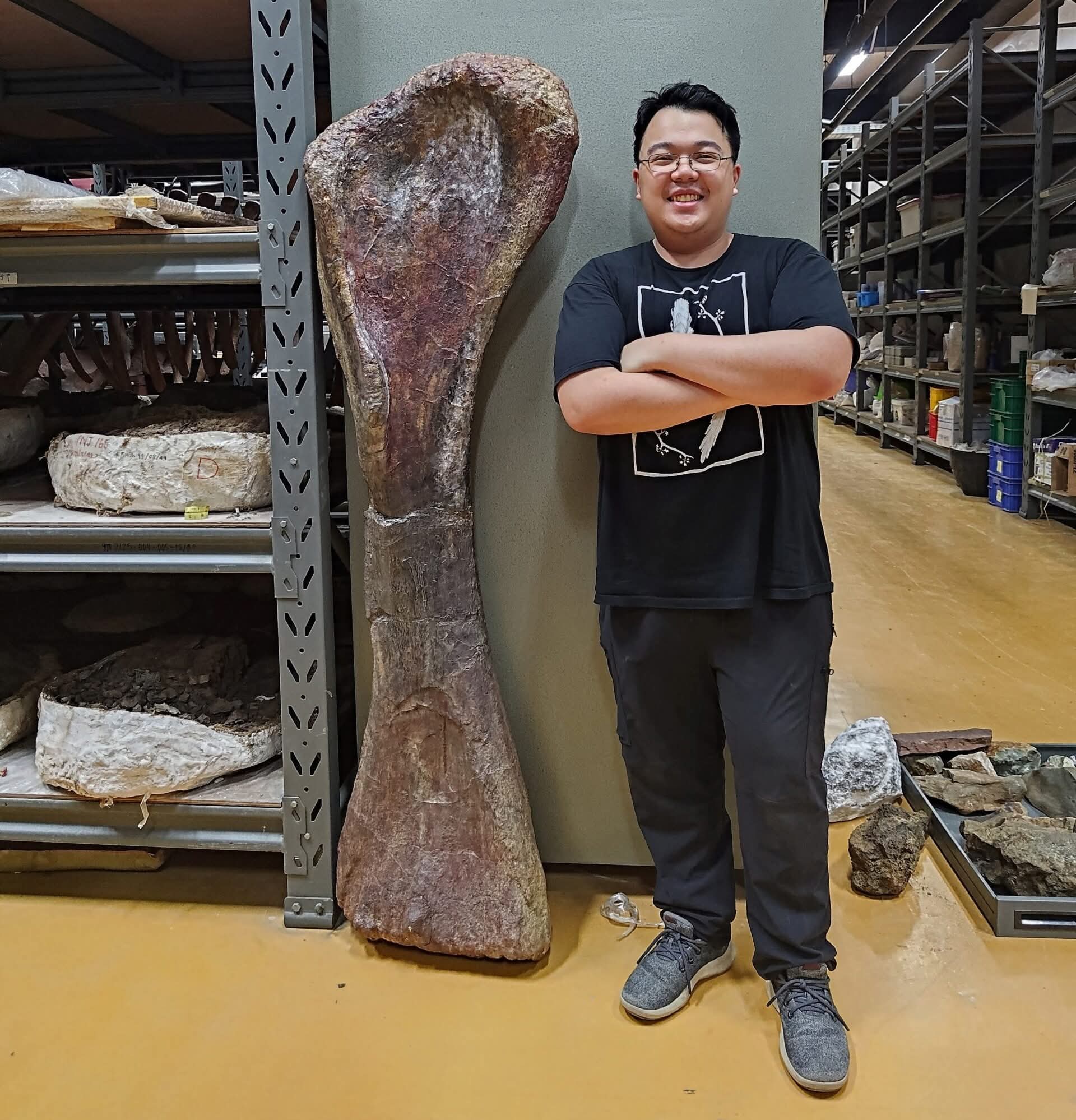
He said later geological layers in the region were submerged beneath shallow seas, making discoveries of younger dinosaur fossils increasingly unlikely.
Co-author Paul Upchurch said the existence of such enormous animals during a period of rising carbon dioxide levels and warmer global temperatures remained scientifically significant.
Researchers noted that giant dinosaurs living in hot climates would likely have faced challenges regulating body heat, while environmental changes may also have influenced the vegetation they depended on for survival.