PTT move to self-service pumps raises job loss concerns
 PTT move to self-service pumps raises job loss concerns
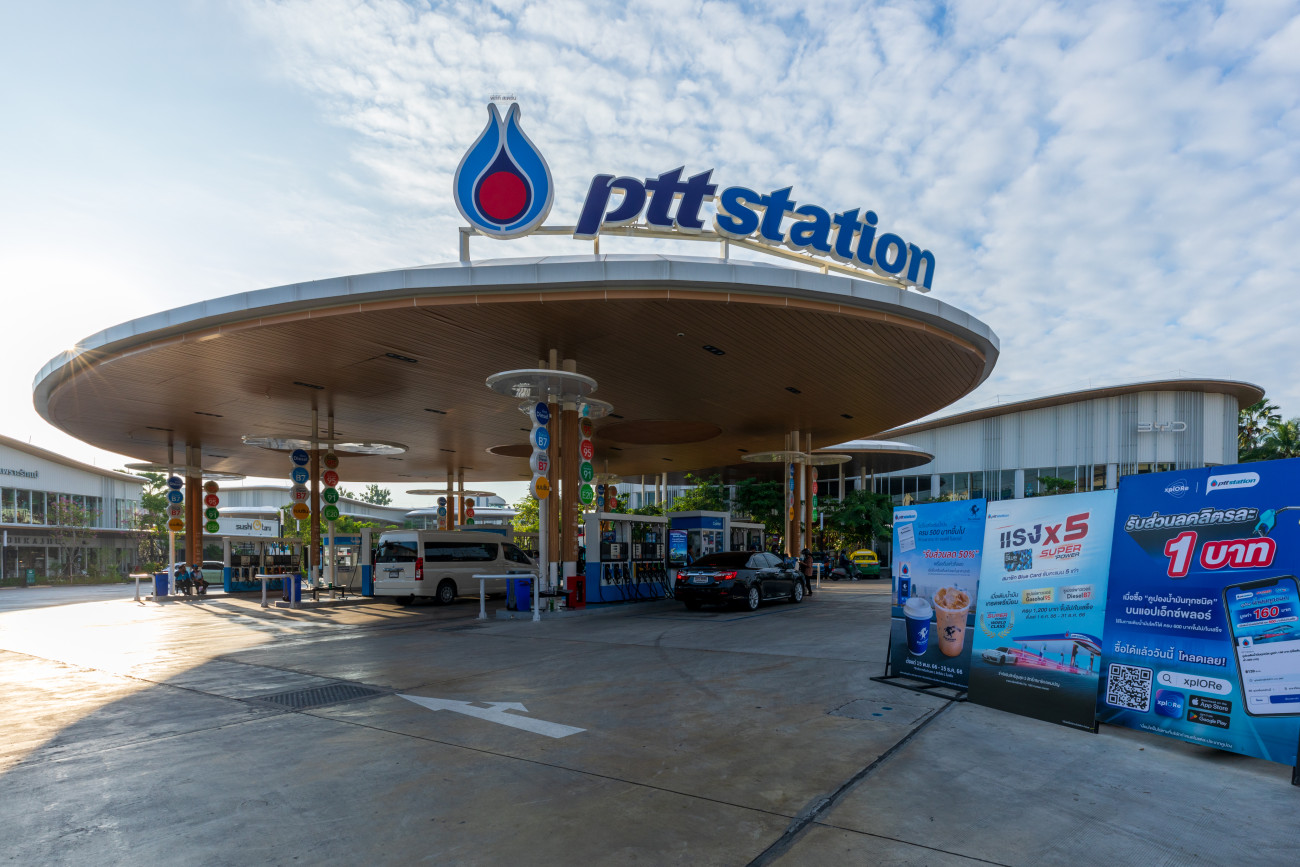
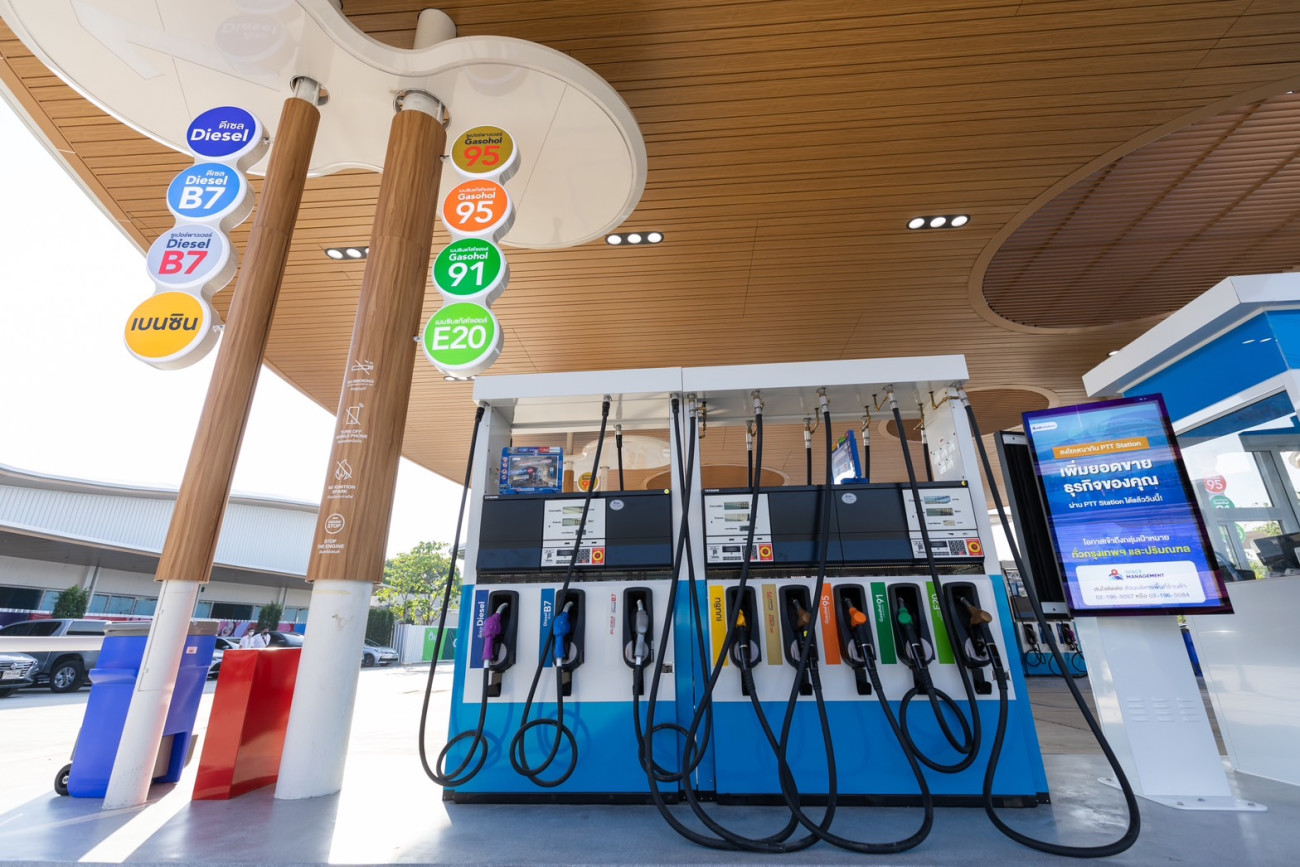
BANGKOK, April 23, 2026 — Thailand’s PTT Oil and Retail Business Plc (OR) has expanded self-service fueling at its PTT Station network, offering motorists discounts while raising concerns that wider automation could threaten jobs for pump attendants.
The company said drivers using self-service pumps would receive a discount of 40 satang ($0.01) per litre, with no minimum purchase requirement, as part of what it called an “easy and smart” service model aimed at reducing queues and improving convenience.
OR Chief Executive M.L. Peekthong Thongyai said the initiative responds to consumer demand for faster service and better value, while helping the company prepare for rising labour costs and potential workforce shortages.
“This is another market test by the PTT Group,” he was quoted as saying by the Bangkok Post.
Customers can use the blueplus+ mobile app or a PTT membership card to select fuel, pump gasoline and pay digitally without assistance from station staff. Reward points are credited automatically after the discounted purchase.
OR said it has opened 11 self-service stations and plans to expand the format to more than 50 locations nationwide in 2026.
Thailand has experimented with self-service fuel stations for more than 15 years, but the concept has yet to become mainstream, unlike in the United States and Europe. Currently, only PTT Station and Bangchak Corporation operate such services.
Bangchak, which introduced self-service pumps in 2005, offers a 30-satang-per-litre discount and had expanded the model to 40 stations as of March.
Both companies say the main objective is to reduce congestion during peak hours and lower costs for consumers.
However, labour advocates and social media users have raised concerns that widespread adoption could reduce demand for fuel attendants, many of whom rely on service-station jobs as entry-level employment.
Thailand’s daily minimum wage currently ranges from 337 to 400 baht depending on province, with Bangkok at the top end. Fuel attendants typically earn around 12,000 to 17,000 baht per month.
Analysts say automation in the retail fuel sector could accelerate if wage pressures continue, though full nationwide adoption may take time due to consumer habits and the continued preference among many Thai motorists for assisted service.