Thai Airways Baggage Crisis Sparks Claims of Internal Conflict
 Thai Airways Baggage Crisis Sparks Claims of Internal Conflict
BANGKOK, Oct. 1, 2026 — Thailand’s escalating Thai Airways baggage crisis has triggered fresh questions over the airline’s management, with an economic reform activist suggesting that internal commercial and leadership tensions may have contributed to the disruption as the carrier prepares to select a new chief executive.
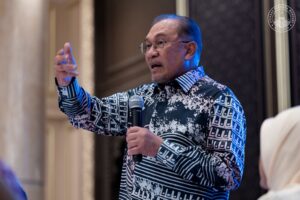
Metta Mas Khaw, vice-chairman of the Council of People Reform and coordinator of the Economic Democracy Network, said the scale of the baggage breakdown at Suvarnabhumi Airport should not have occurred at Thailand’s national carrier, which he described as an airline that was once internationally recognised for its professional operations.
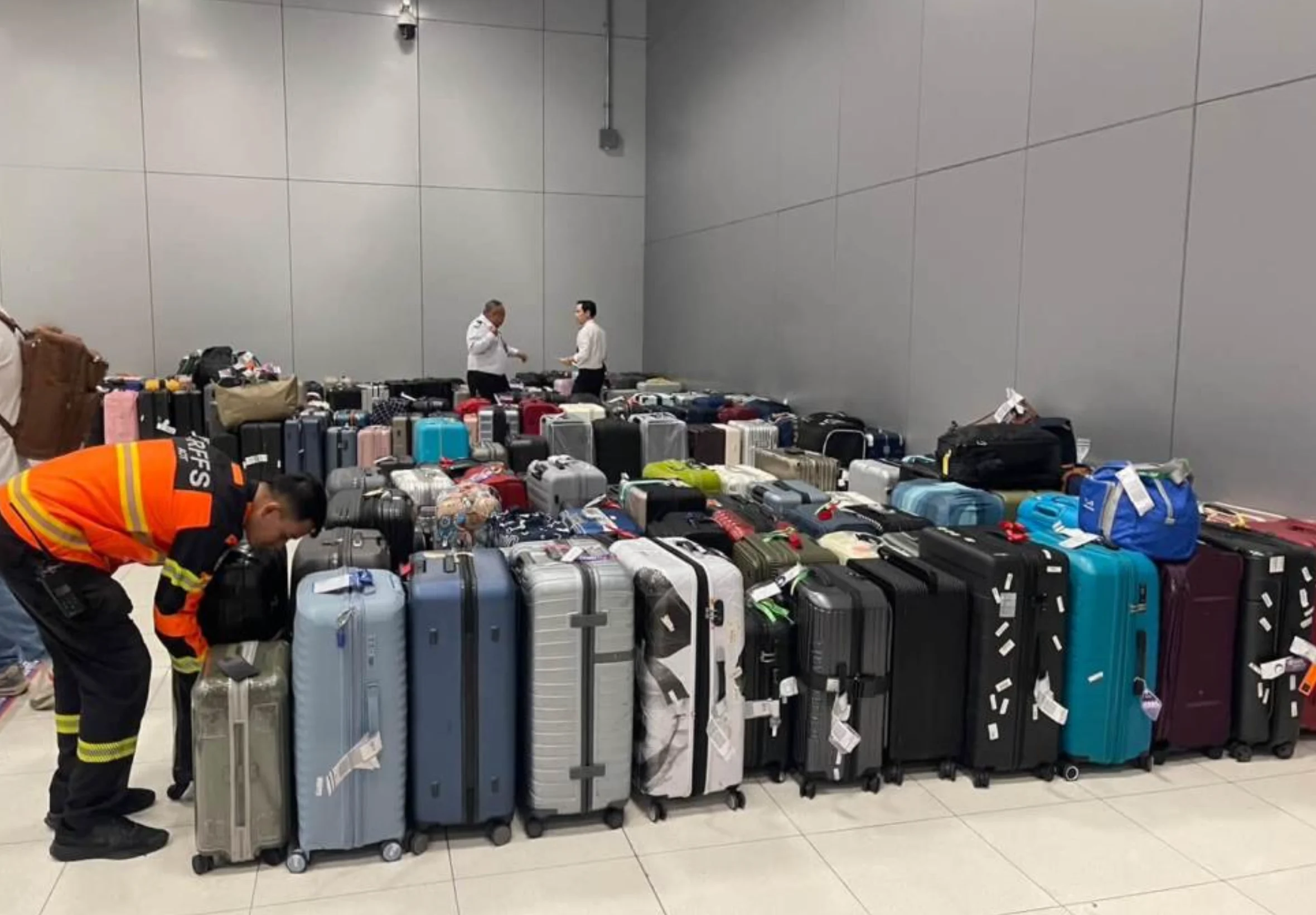
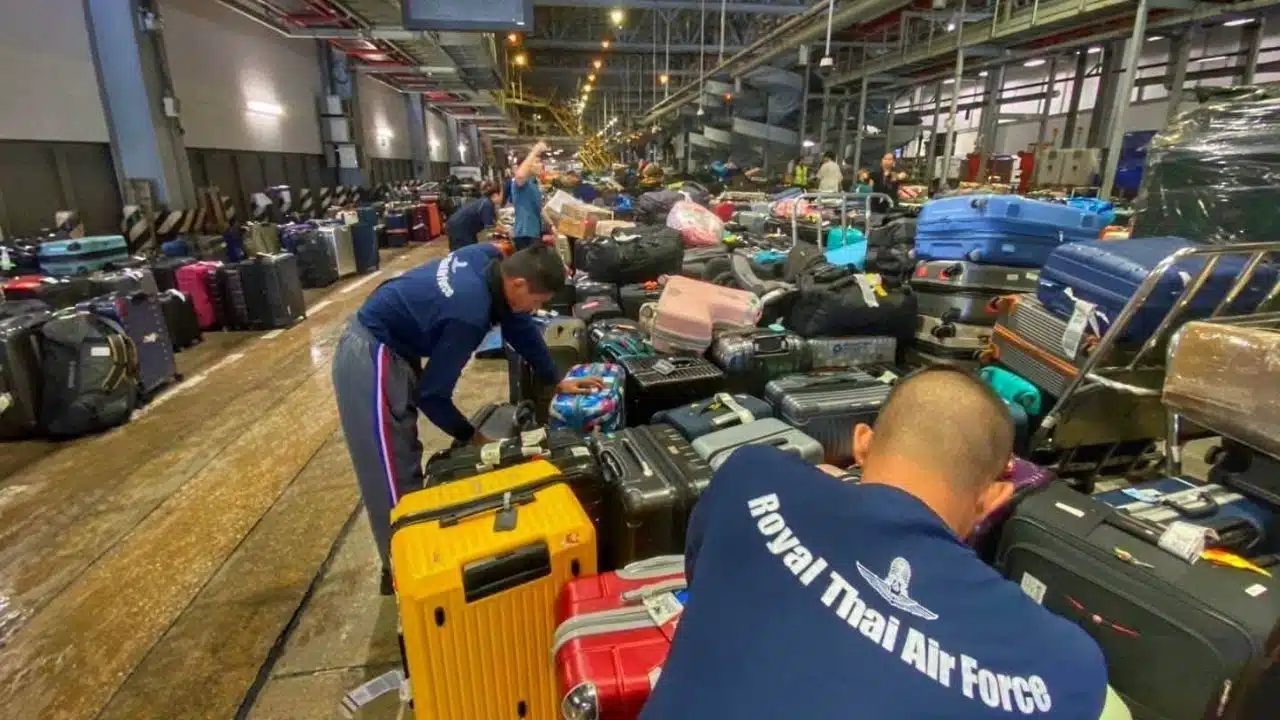
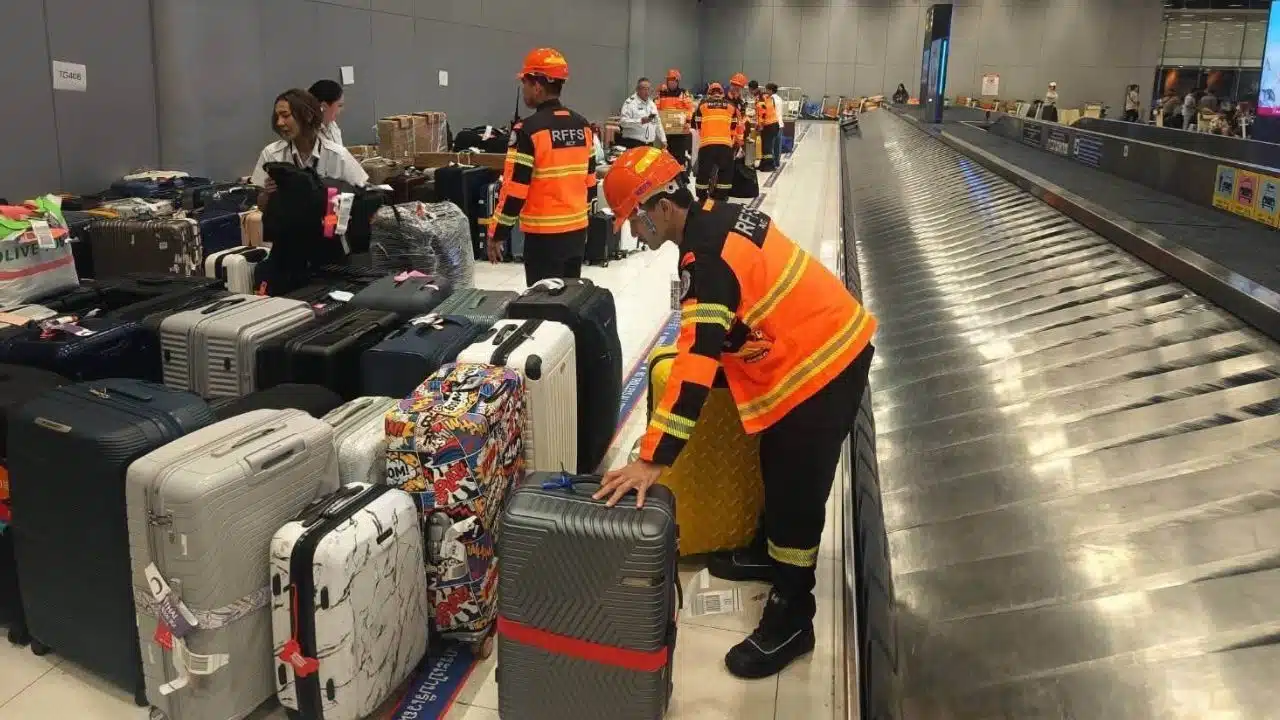
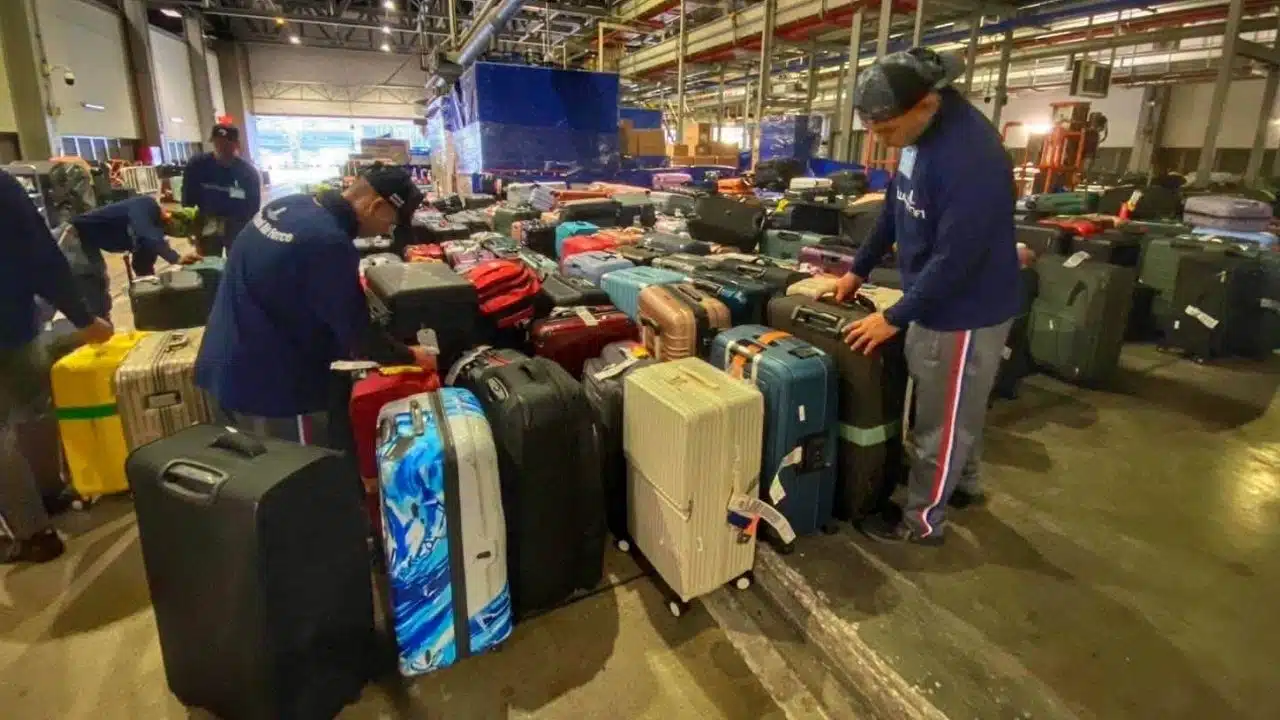
His comments came as Thai Airways continued to struggle with thousands of delayed bags and widespread flight disruption following flooding around Bangkok.
Questions over ground-handling priorities
Metta said he accepted that flooding had caused a shortage of workers able to reach Suvarnabhumi Airport.
However, he questioned whether Thai Airways had allocated its limited workforce appropriately.
Thai Airways also provides ground-handling services for other airlines, and Metta alleged that the carrier had prioritised those operations because of potentially significant contractual penalties.
He questioned why passengers on other airlines using different ground-handling arrangements had not experienced disruptions on the same scale.
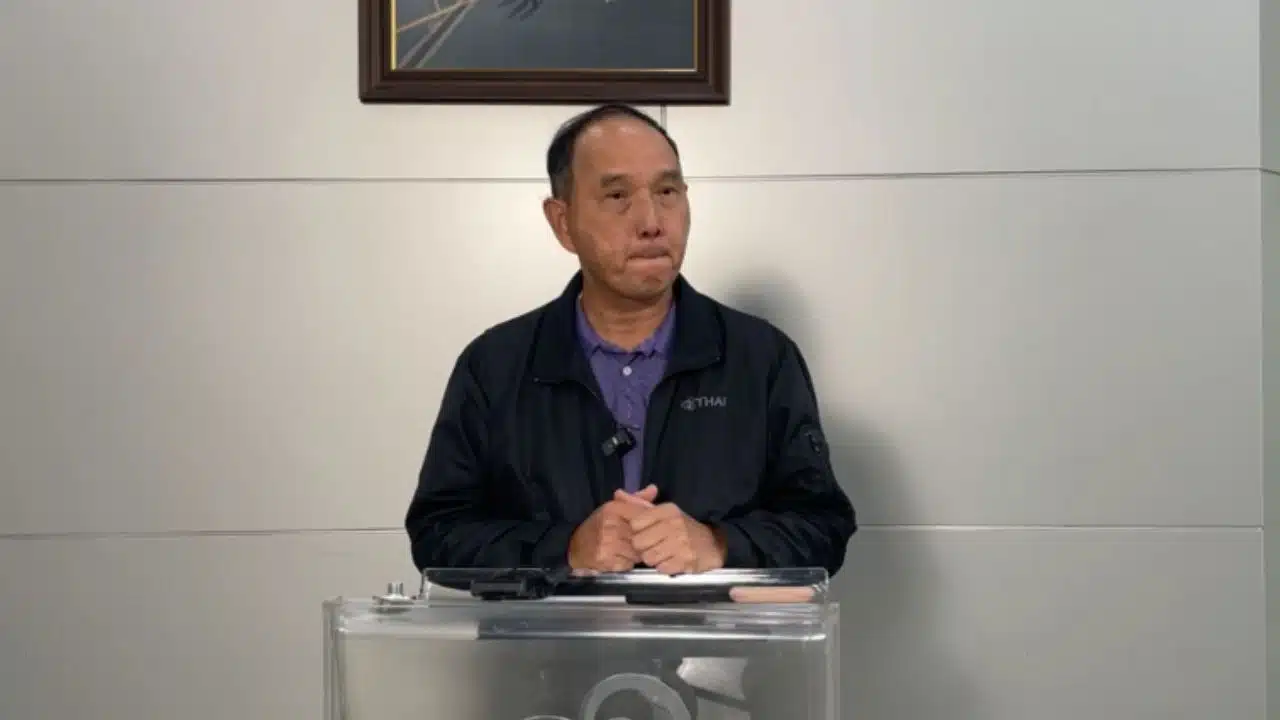
Thai Airways has acknowledged that its dual role as both an airline and a major ground handler contributed to the crisis. Chief executive Chai Eamsiri said the carrier had to handle its own flights as well as those of customer airlines while facing a severe shortage of skilled personnel.
Suvarnabhumi Airport has also confirmed that Thai Airways remains responsible for baggage handling for airlines using its ground-handling services, with Airports of Thailand providing additional workers to support the operation.
Metta also questioned the role of outsourced ground-handling companies, referring to Pan-X and PanThai and alleging that significant commercial interests could be involved.
Those claims have not been independently established.
CEO selection raises further questions
Metta suggested that the baggage crisis could be linked to internal tensions surrounding the upcoming selection of Thai Airways’ next chief executive.
He described the situation as potentially involving people within the organisation undermining one another, although he provided no evidence establishing that the disruption was deliberately caused.
He also questioned why an airline with an established crisis-management unit had been unable to respond more effectively.
Thai Airways has rejected suggestions that the crisis was deliberately caused by employees. Chai said the disruption resulted from operational difficulties, particularly the inability of specialised and licensed workers to reach the airport because of flooding. He said management had prepared for the situation but that its scale exceeded expectations.
Calls for broader reform
Metta used the baggage crisis to renew his calls for a fundamental restructuring of Thai Airways.
He argued that the airline had suffered from systemic problems during its former period as a state enterprise and said the government should consider regaining full ownership, removing the existing board and appointing professional managers.
Thai Airways ceased to be a state enterprise in May 2020 and became a public company following its restructuring and rehabilitation process.
Metta also called for a reduction in duplicated senior positions and a more efficient workforce structure, arguing that the airline should be capable of generating stronger profits given its scale of operations.
He cited United Airlines’ restructuring following bankruptcy as an example of how an airline could reduce costs and restructure employee benefits, although the circumstances of the two airlines are different.
Crisis continues
The comments come as Thai Airways works to recover from one of its most serious operational disruptions in recent years.
The airline initially reported a backlog of more than 5,000 bags, while later government and airport officials put the number at around 8,000 bags awaiting delivery.
Thai Airways has reduced flights from Bangkok to allow its ground operations to catch up and has received assistance from the military and Airports of Thailand.
The carrier said it expects normal flight operations to resume within about seven days, while the baggage backlog is being cleared through airport collection and delivery services.
The disruption has already prompted criticism from Tourism and Sports Minister Surasak Phancharoenworakul, who questioned Thai Airways management and said executives unwilling to resolve the crisis should reconsider their positions.
Metta’s allegations add another layer to the scrutiny surrounding Thai Airways, but the claim that internal conflict or commercial interests contributed to the baggage breakdown remains an allegation and has not been established by authorities.
For now, the airline continues to face the immediate task of clearing thousands of bags, restoring flight schedules and rebuilding passenger confidence while the debate over its management and future direction intensifies.