
Thai Officials Probe Chinese Delivery Apps Serving Bangkok and Pattaya
 Thai Officials Probe Chinese Delivery Apps Serving Bangkok and Pattaya
BANGKOK, June 24, 2026 – Thailand’s Department of Business Development (DBD) is investigating three food delivery platforms serving Chinese-speaking customers in Bangkok and Pattaya over suspected violations of foreign ownership rules, with one company found to be operating without the required approval under the Foreign Business Act.
DBD Director-General Poonpong Naiyanapakorn said the three companies were legally registered in Thailand between 2020 and 2023. Preliminary investigations found that one operator is majority foreign-owned, with overseas shareholders holding more than 50% of its shares, but it had not obtained permission required to conduct business under Thai law.

The remaining two companies are registered as Thai firms because foreign ownership is below 50%, but authorities are examining whether their Thai shareholders are genuine investors or nominees acting on behalf of foreign interests.
The investigation centres on compliance with Thailand’s Foreign Business Act, which restricts foreign participation in certain business sectors without government approval. Officials said the use of the Chinese language in providing services is not, by itself, evidence of any legal violation.
Authorities have expanded the probe to more than 25 related businesses, including hotels, restaurants and other enterprises operating in Bangkok districts such as Huai Khwang, Sutthisan, Ratchada and Rama IX, as well as Pattaya.
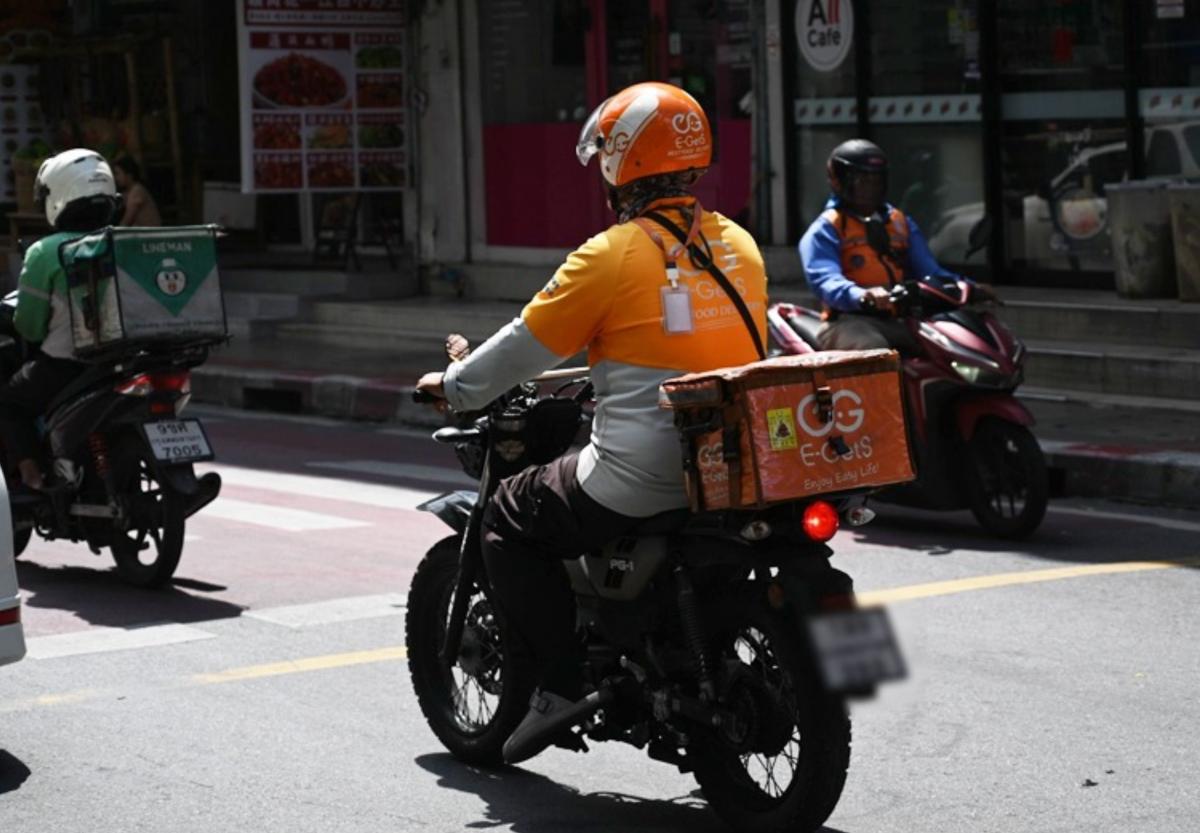
The platforms under investigation include GOKOO, E-GetS and Feixiang, which primarily serve Chinese-speaking communities. In addition to food delivery, the companies reportedly offer services including travel bookings, accommodation, beauty services, transport, language training, medical assistance and visa-related support.
Poonpong said the DBD has assigned staff from six divisions over the past eight months to investigate nominee shareholding arrangements, adding that around 95,000 companies registered over the past two to three decades remain under review. Authorities are prioritising new suspected nominee cases while continuing to examine older registrations.
Under Thailand’s Foreign Business Act, individuals found guilty of using nominee shareholding structures may face up to three years’ imprisonment, fines of between 100,000 and 1 million baht, or both. Courts may also order the termination of nominee arrangements and related business operations.
The Nation reported that authorities are also monitoring a growing number of cases involving naturalised Thai nationals allegedly holding majority shares on behalf of foreign investors, although officials said such cases remain relatively uncommon.