UNHCR Record Challenges Thailand’s Account of Cambodian Refugees
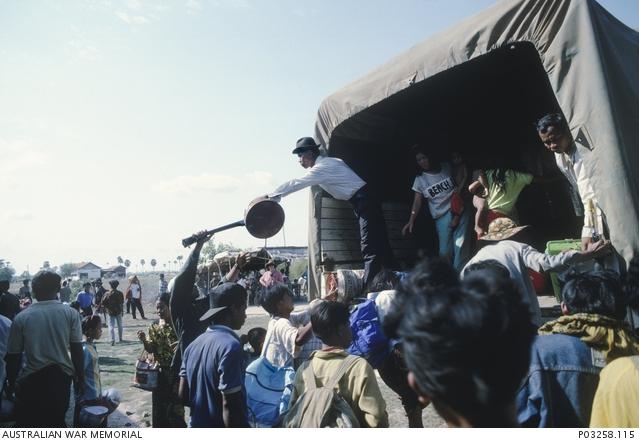
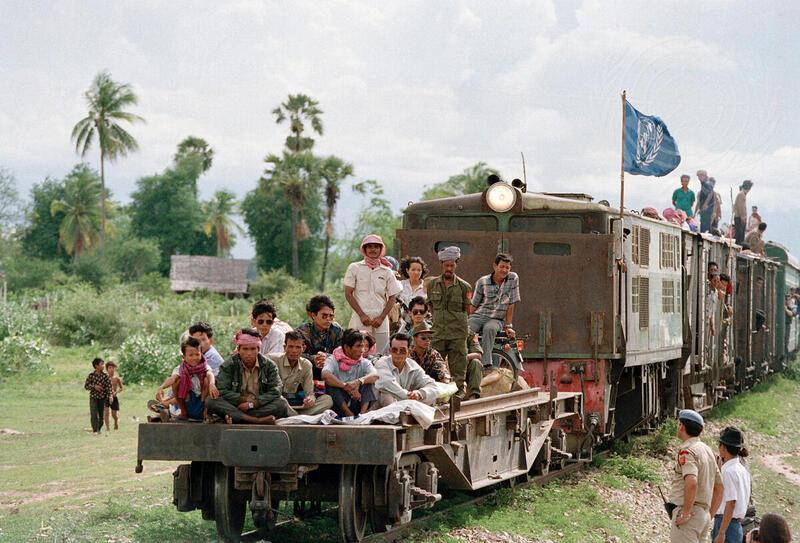 Refugees arriving aboard the Sisophon Express
PHNOM PENH, November 17, 2026 — Thailand’s latest accusations that Cambodia has used the 20th Francophonie Summit to raise territorial claims have brought renewed attention to the history of Cambodian refugees who sought shelter in Thailand during decades of conflict. However, historical records published by the United Nations High Commissioner for Refugees (UNHCR) show that Cambodian refugee camps in Thailand had been emptied by March 1999, raising questions about the historical narrative now being presented by Bangkok.
In a statement issued following the Francophonie Summit in Phnom Penh, Thailand’s Ministry of Foreign Affairs said that Thailand had provided temporary shelter to Cambodians fleeing internal conflict in the late 1970s on humanitarian grounds. It claimed that some Cambodians continued to reside in the areas even after the situation in Cambodia had stabilised, despite repeated Thai protests, and described their continued presence as an encroachment on Thai territory.
However, a UNHCR briefing note dated March 26, 1999, provides an important historical reference that challenges any suggestion that Cambodian refugee camps remained in operation or that their registered refugee population had not been repatriated.
UNHCR confirmed all Cambodian refugee camps were empty in March 1999
In its official briefing, UNHCR explicitly stated: “The Cambodian refugee camps in Thailand are now empty.”
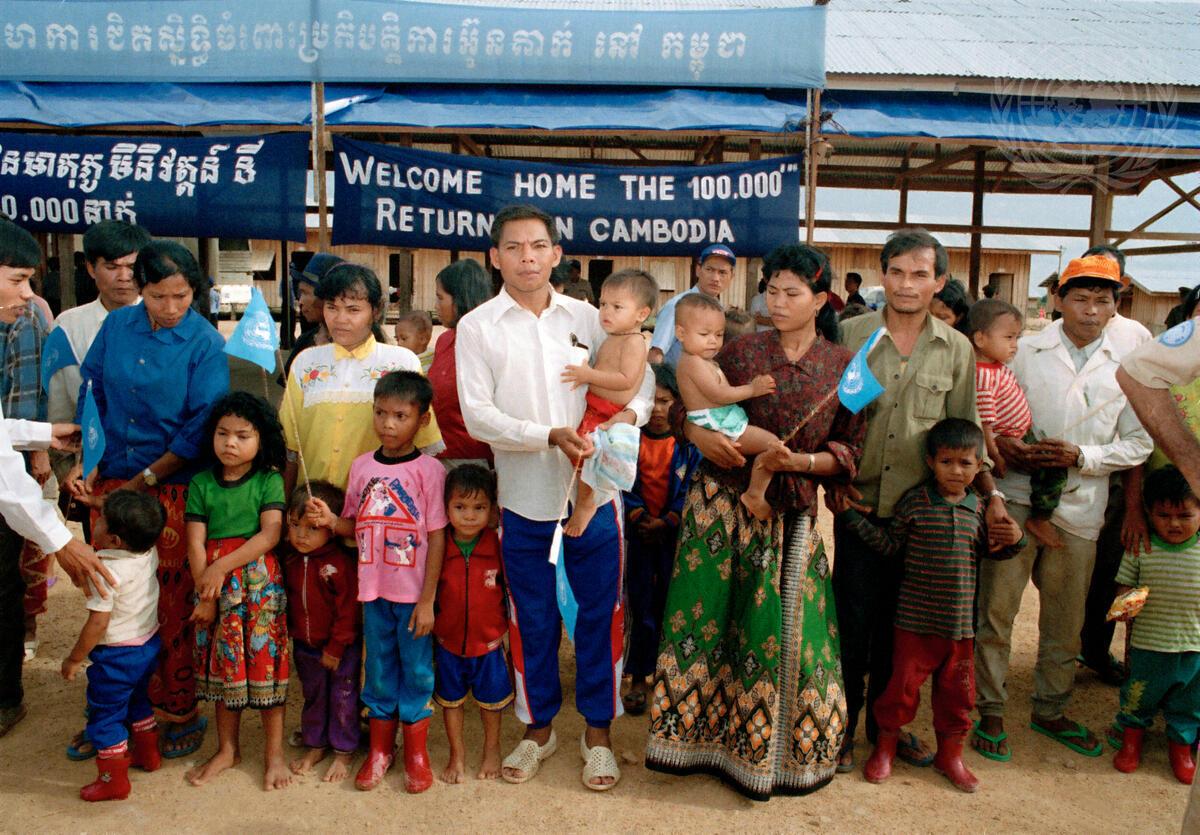
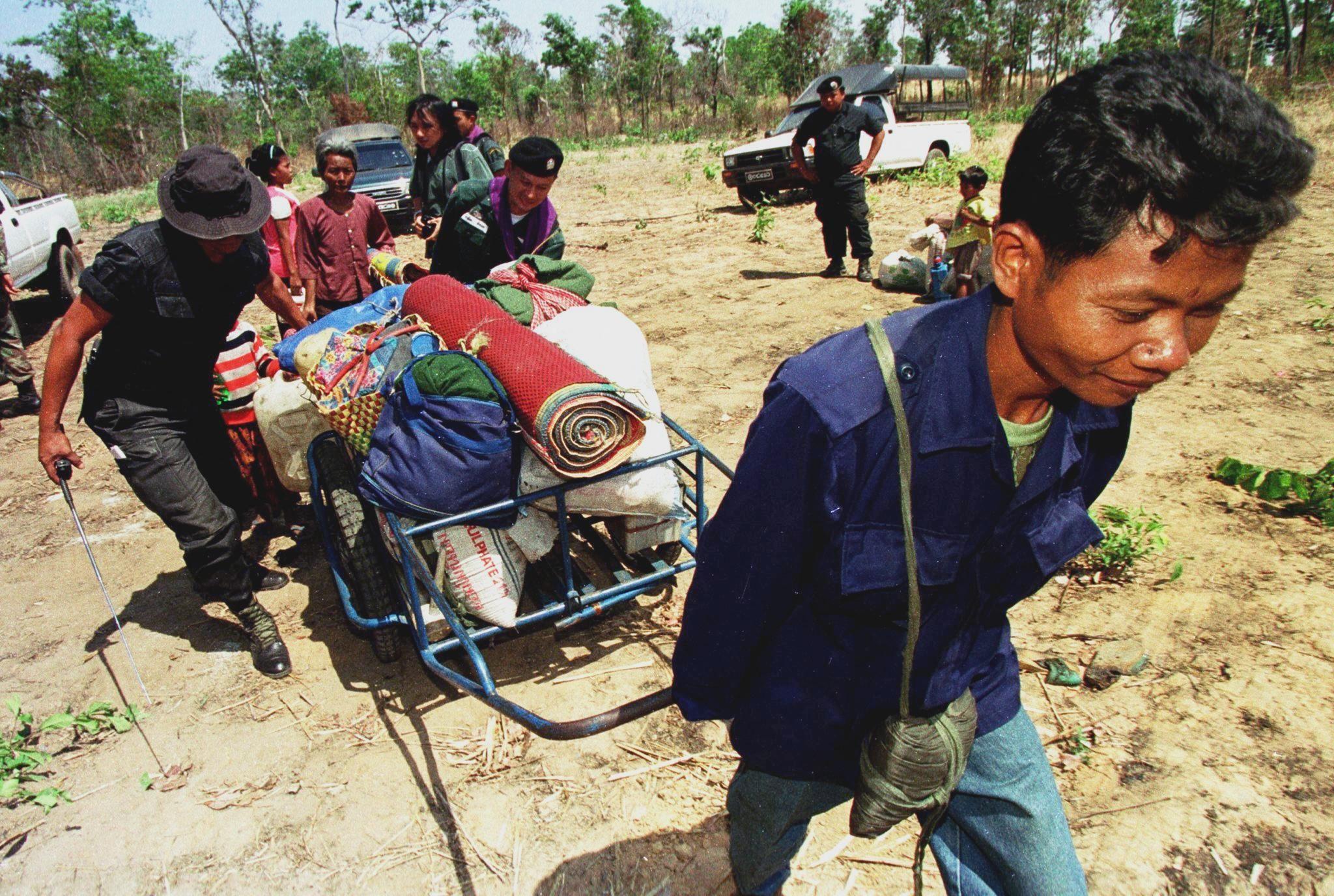
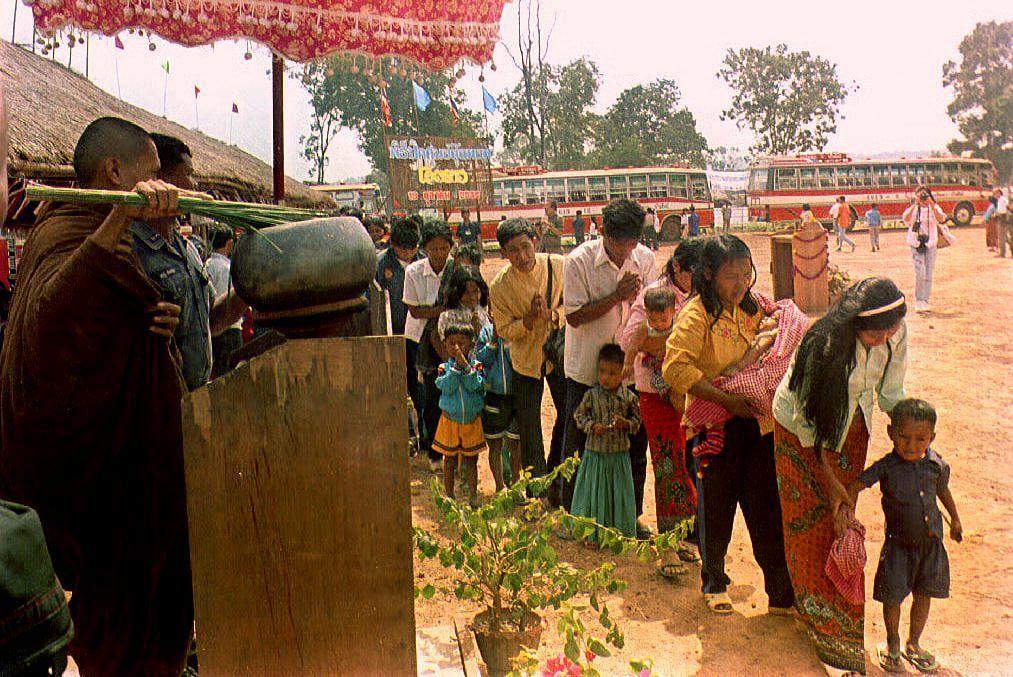
The agency reported that the final group of 705 Cambodian refugees left Thailand on March 24, 1999, to return to Cambodia. In total, approximately 50,000 refugees had returned, including 35,000 who received assistance from UNHCR.
Most returned to areas including Anlong Veng and Battambang in northwestern Cambodia. Others sought assistance returning to eastern provinces where their families had lived before displacement. UNHCR specifically recorded that 2,500 refugees returned to Mondulkiri and Ratanakiri with the agency’s assistance.
The agency also established a programme to monitor the welfare of returnees and support their reintegration into Cambodian society, including infrastructure rehabilitation and livelihood assistance.
These records demonstrate that the organised Cambodian refugee-camp population covered by UNHCR’s repatriation programme had been returned or had otherwise left the camps by March 1999.
Historical records raise questions about Thailand’s narrative
The UNHCR documentation is particularly relevant because Thailand has invoked the humanitarian shelter provided to Cambodian refugees during the conflict as part of its explanation for the current situation in disputed border areas.
The historical record, however, shows that the refugee-camp situation underwent a formal conclusion, with the last group of refugees returning to Cambodia in March 1999.
Historical facts should not be confused with today’s territorial dispute
The UNHCR record raises a fundamental question about the accuracy and completeness of Thailand’s historical account: if the Cambodian refugees were repatriated and the camps officially declared empty in 1999, Bangkok should clarify the specific population, locations and historical circumstances behind its present allegations rather than relying on a broad reference to refugee shelters established decades ago.
Cambodia and Thailand continue to hold competing positions over their border dispute. Historical humanitarian arrangements, the repatriation of refugees and the legal status of present-day border communities are separate matters that require evidence and careful examination.
The UNHCR’s March 1999 announcement does not settle the current territorial dispute. However, it provides an authoritative historical record that challenges any portrayal of Cambodian refugee camps in Thailand as an unresolved situation continuing from the late 1970s.
The historical record is clear on one important point: by March 26, 1999, UNHCR had declared all Cambodian refugee camps in Thailand empty.