
Villa Vie Odyssey Passenger Pushes Back Against ‘Scam Town’ Label, Praises Cambodian Hospitality
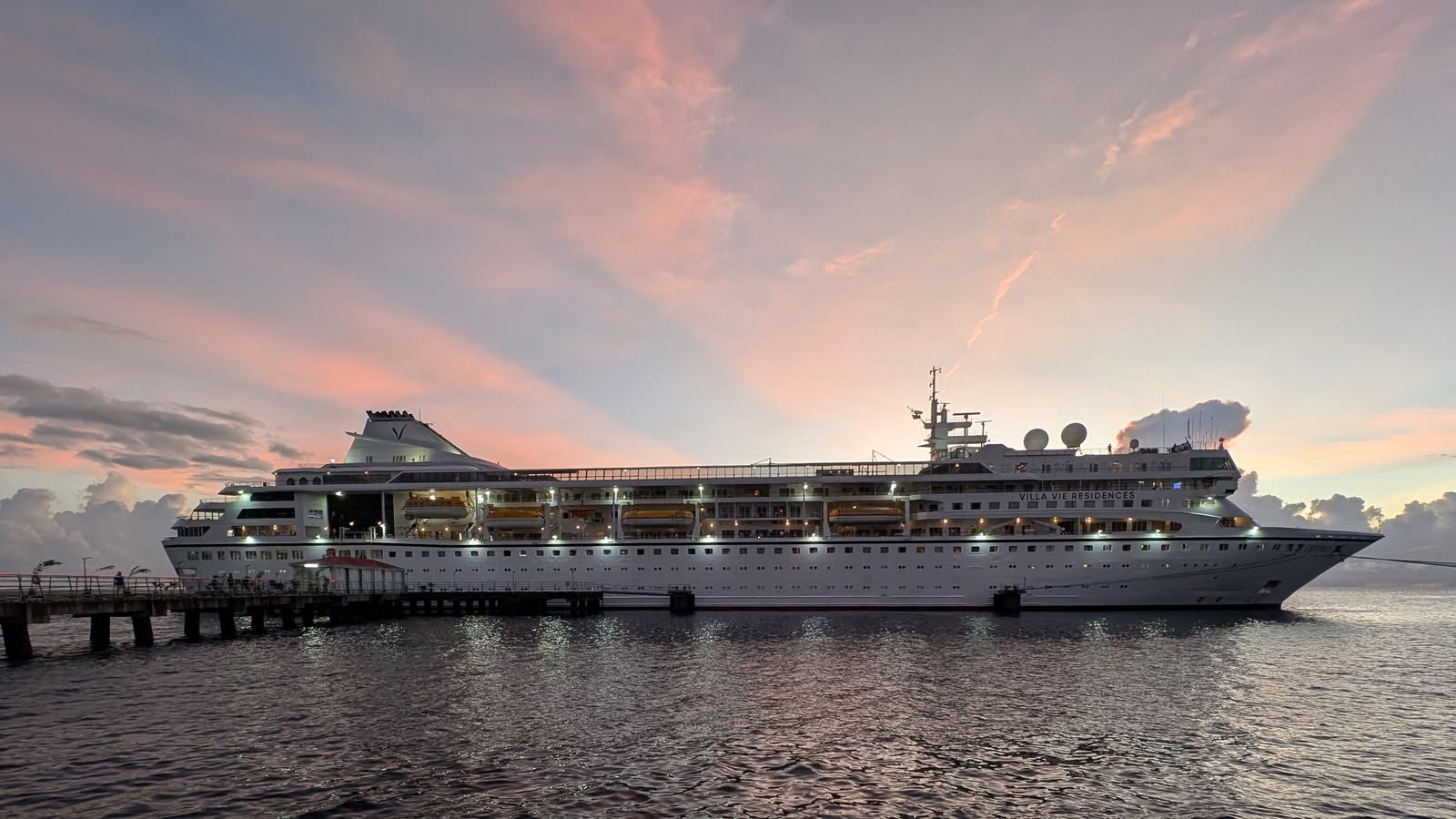 Villa Vie Odyssey Passenger Pushes Back Against ‘Scam Town’ Label, Praises Cambodian Hospitality
Sihanoukville, November 4, 2026 — A passenger from the Villa Vie Odyssey cruise ship has challenged the portrayal of Sihanoukville as a “scam town,” saying he and his wife have experienced kindness, hospitality and practical assistance from Cambodian people and officials following the ship’s sudden suspension of operations.
Randy Cassingham, who had been living aboard the residential cruise ship with his wife, Kit, published a response on his website, Residential Cruising, on November 2 after readers expressed concern about their safety in Cambodia.
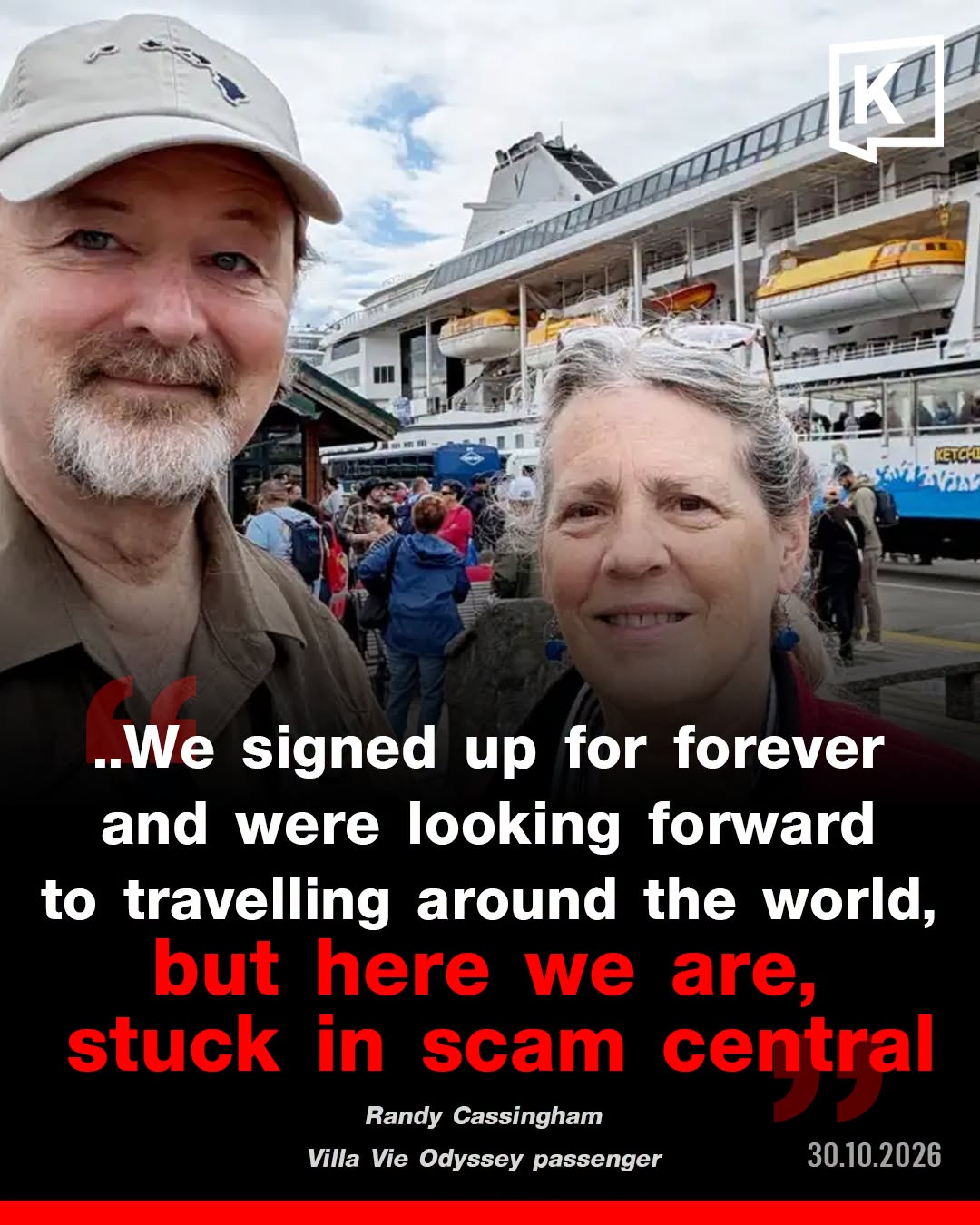
His comments came amid international media coverage of the passengers’ abrupt disembarkation in Sihanoukville, including a report by the Financial Times highlighting the city’s reputation as a regional hub for cyber scams and other criminal activities. Khaosod English subsequently shared the story on its Facebook page, featuring a photograph of Cassingham and his wife alongside his remark that they had expected to travel the world but had instead found themselves “stuck in scam central.”
In his response, Cassingham rejected the suggestion that he and his wife were stranded or afraid, explaining that their circumstances were more complicated than the headlines might suggest.
“No. That’s a term that was used often for our time in Belfast, before we sailed. We didn’t feel that way at all back then,” he wrote, adding that they could leave whenever they wished.
He explained that his own medical condition had made travelling difficult, which was the main reason he felt somewhat restricted in Cambodia. However, he said the couple were staying at a hotel where they were receiving good care and had access to transportation.
Cassingham also directly addressed concerns about personal safety, saying he had not encountered people attempting to scam or intimidate them.
“Absolutely not,” he wrote when asked whether he was afraid. “The only thing we’ve seen from the Cambodians is hospitality, politeness, care, and concern — just like in Thailand and every other country we have visited in Southeast Asia.”
He further praised the assistance provided by Cambodian authorities, saying the Minister of Tourism had personally intervened to help passengers with transportation, luggage storage and arrangements to ship their belongings to Thailand or other destinations.

Cassingham also described a dinner organised by the provincial governor, which brought together approximately 60 remaining passengers at a hotel near the waterfront in Sihanoukville. He cited the gathering as another example of the hospitality shown to them during a difficult period.
“We are fine. Exhausted, but fine,” he wrote, adding that he and his wife appreciated how they had been treated in Cambodia.
In a separate statement accompanying the Khaosod English post, Cassingham criticised what he described as a propaganda narrative surrounding Cambodia, arguing that some Cambodian social media users had attacked him over the coverage even though he had not previously used the “scam city” description.
He said the Financial Times had introduced the “scam city” reference in its reporting and that he had not heard the claim before a reporter mentioned it to him.
“For the record: ALL of the Khmer people I have met have been gracious, hospitable, kind, and helpful to us all,” he wrote.
The Villa Vie Odyssey suspended operations after its operator cited soaring fuel costs and financial pressure, leaving more than 200 residents to disembark in Sihanoukville in late October. The disruption prompted concern and frustration among passengers, some of whom had paid substantial sums to live aboard the vessel.
While the ship’s sudden shutdown created a difficult situation for its residents, Cassingham’s account offers a personal perspective that distinguishes the circumstances surrounding the cruise company’s collapse from the treatment passengers received from people in Cambodia.


