West Mebon Temple Attracts Visitors Ahead of Official Reopening in November
 West Mebon Temple Attracts Visitors Ahead of Official Reopening in November
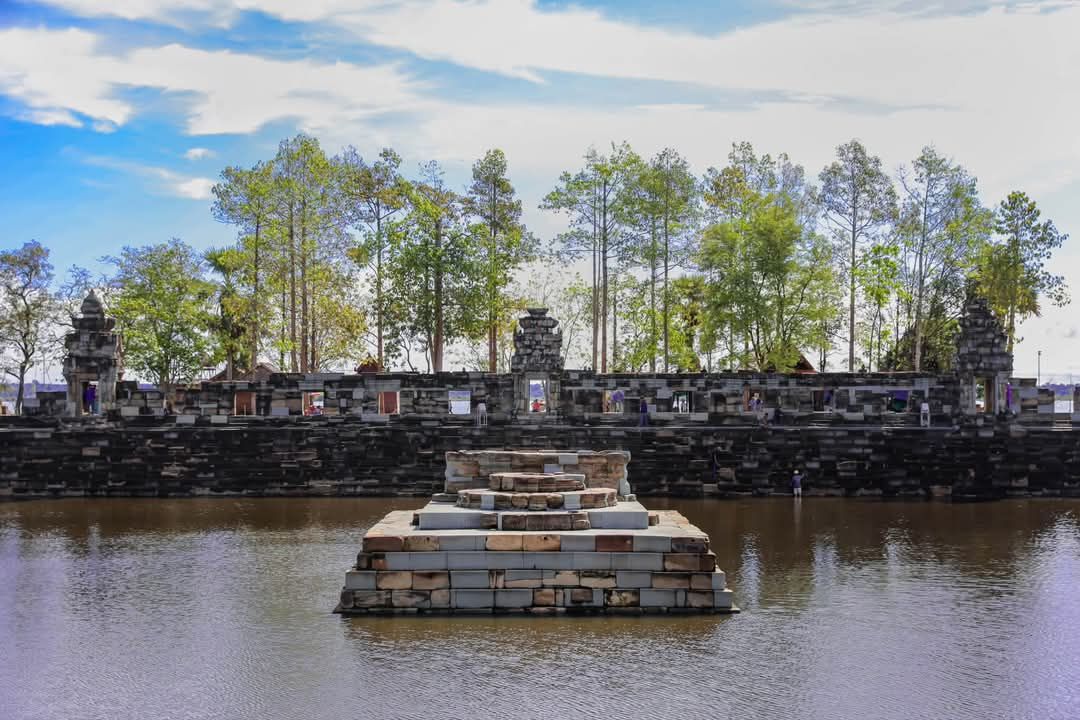
SIEM REAP, October 17, 2026 — West Mebon Temple, a historic Angkor-era monument located on an island in the West Baray reservoir, is attracting growing numbers of visitors following the completion of restoration work ahead of its planned official reopening in November 2026.
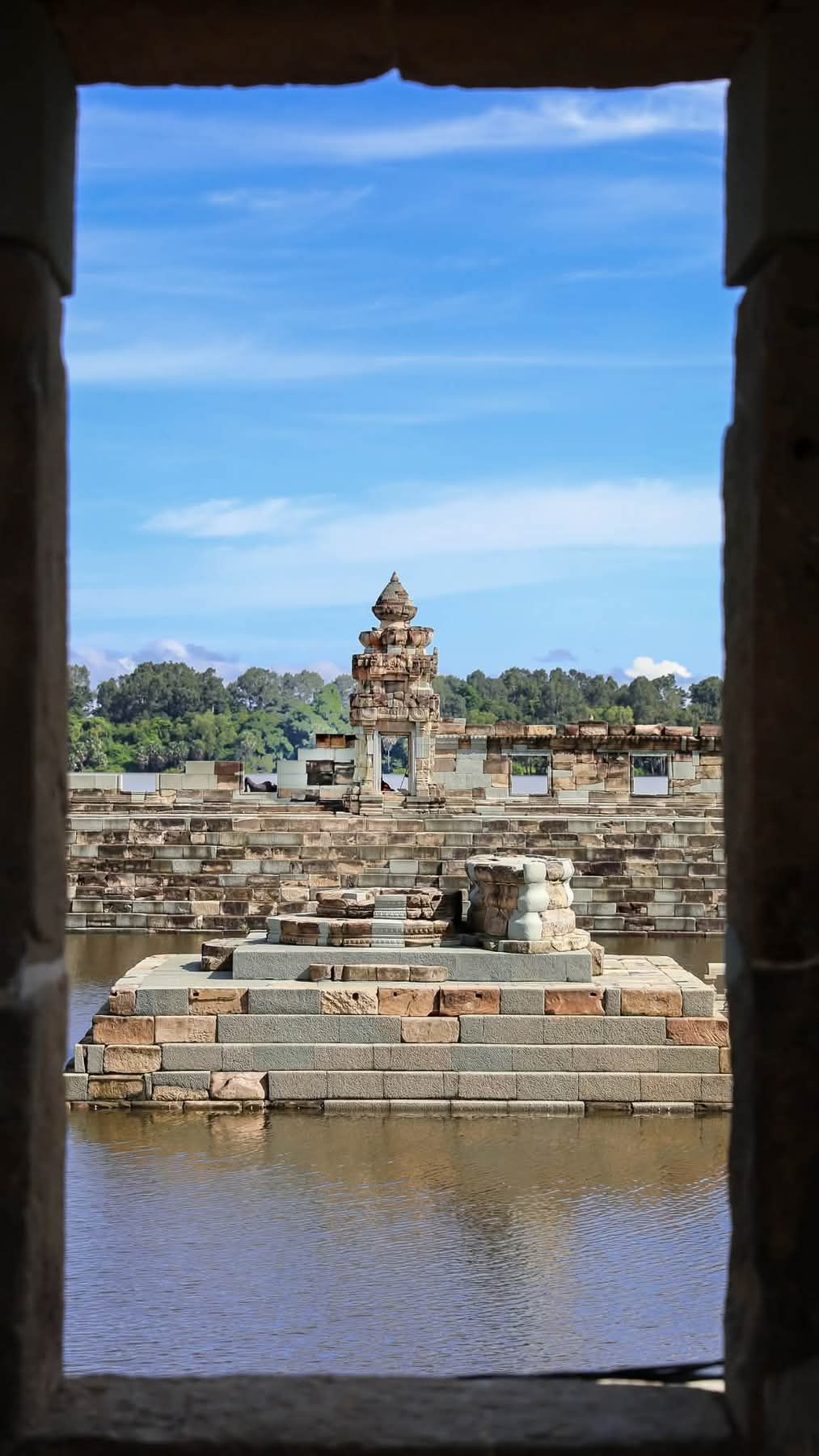
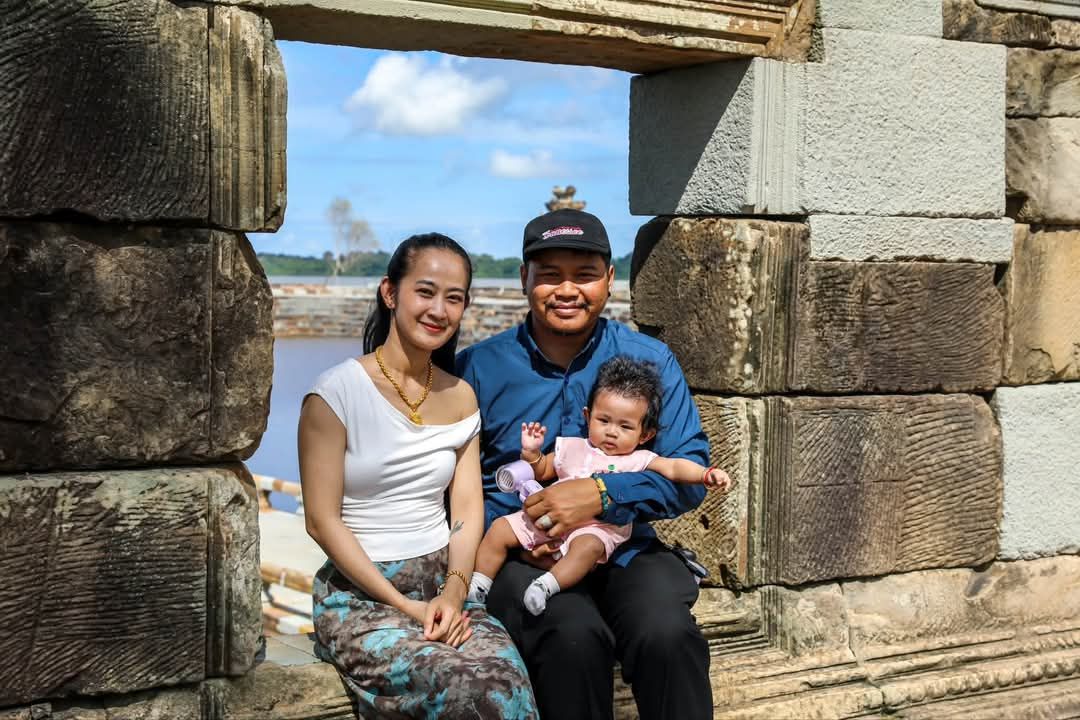
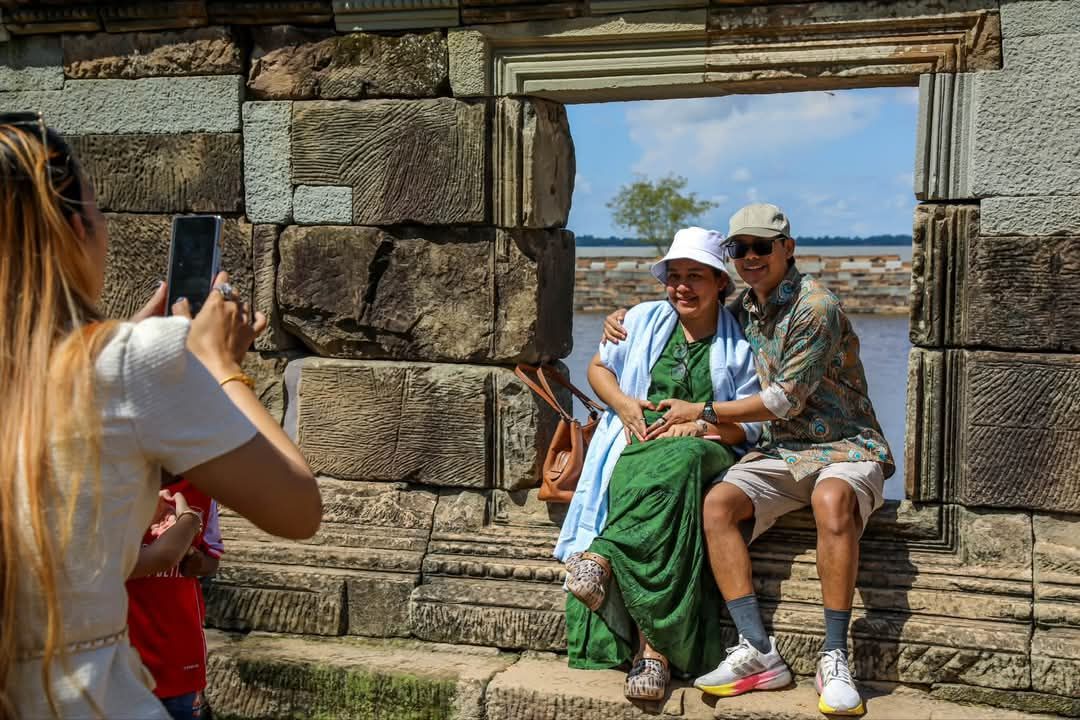
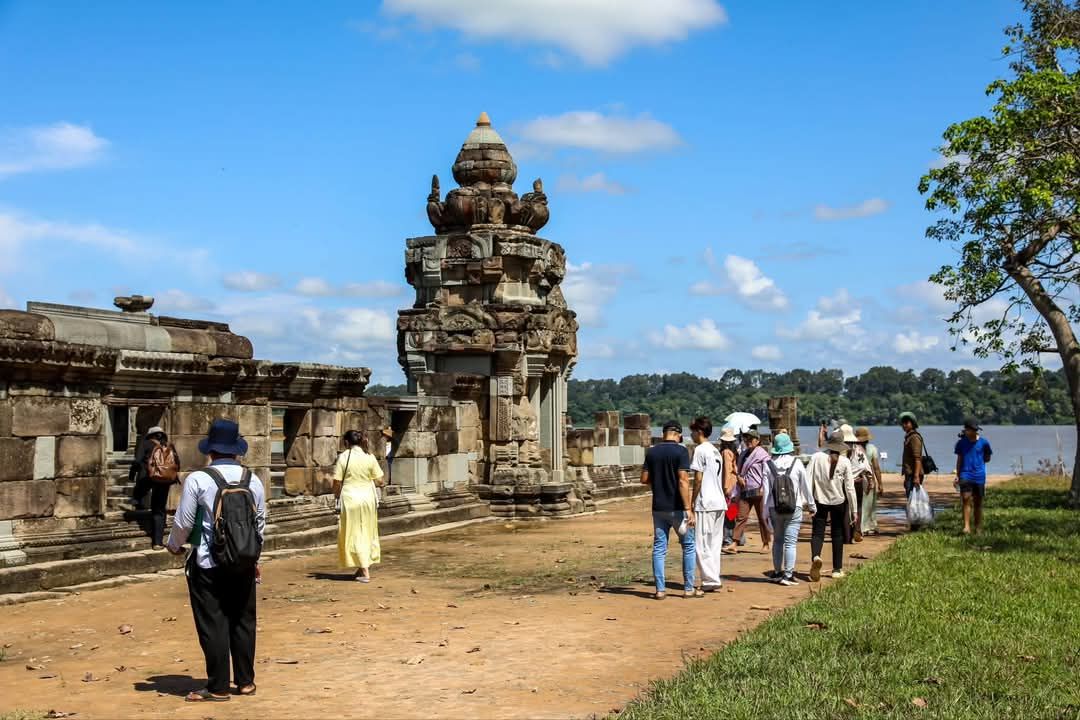
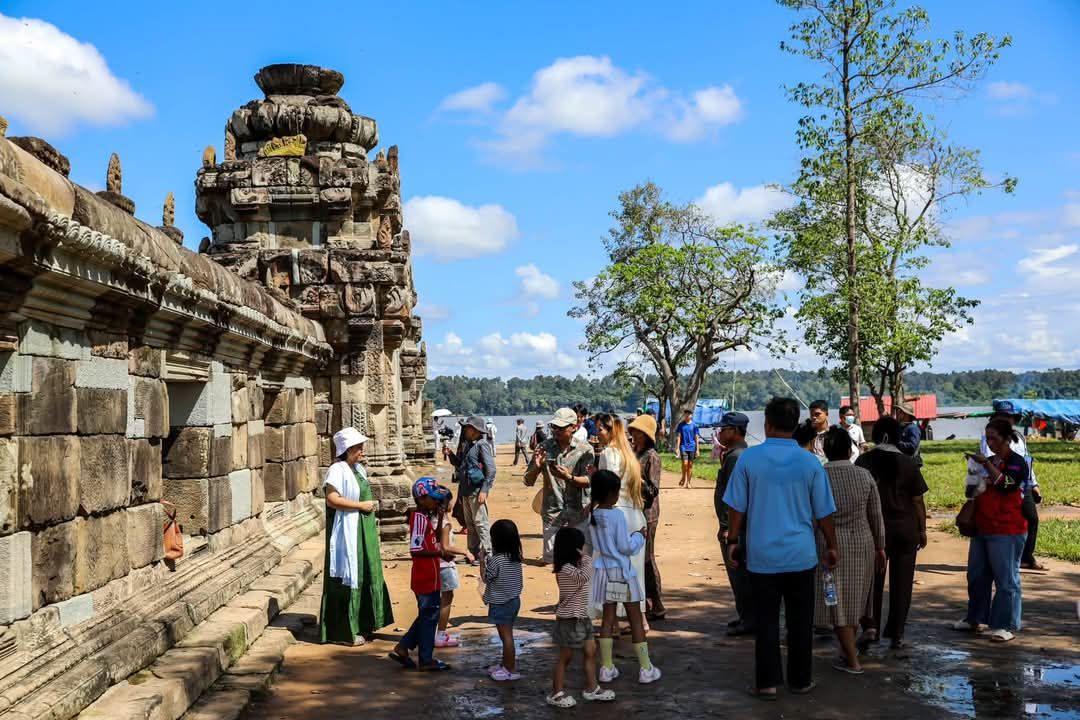
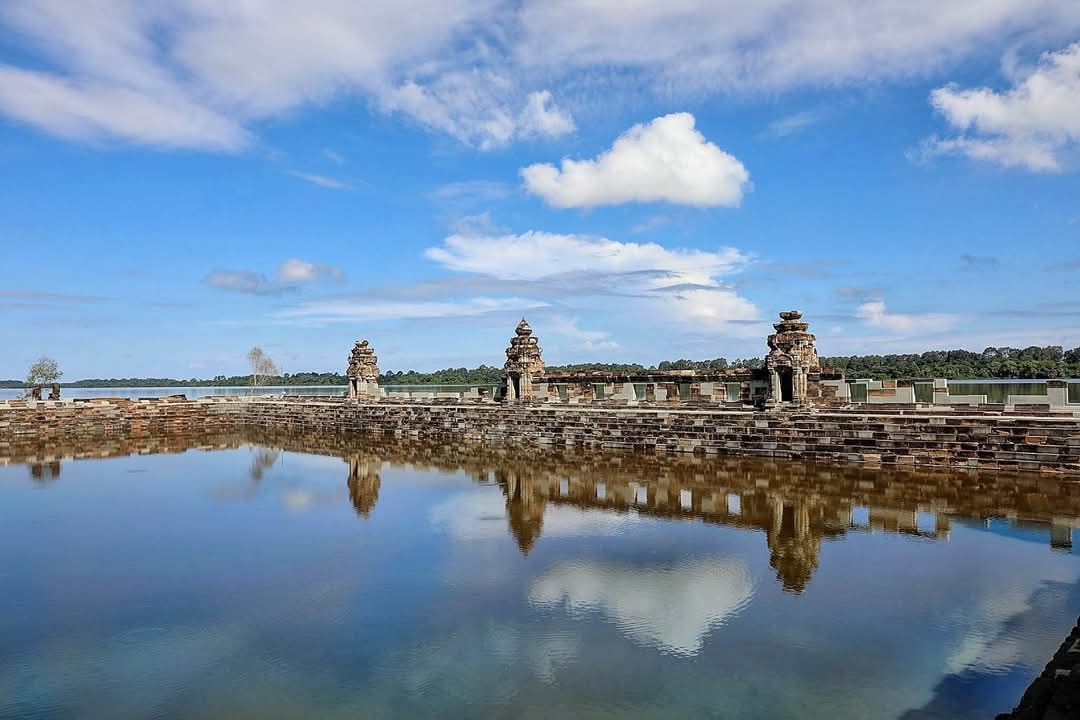
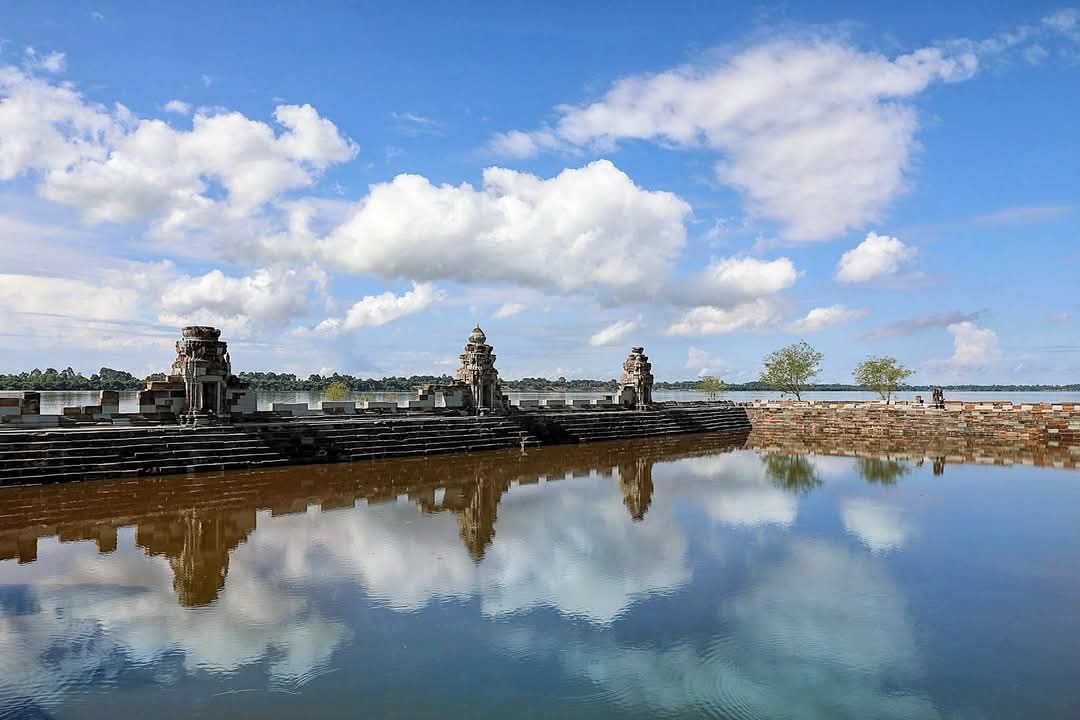
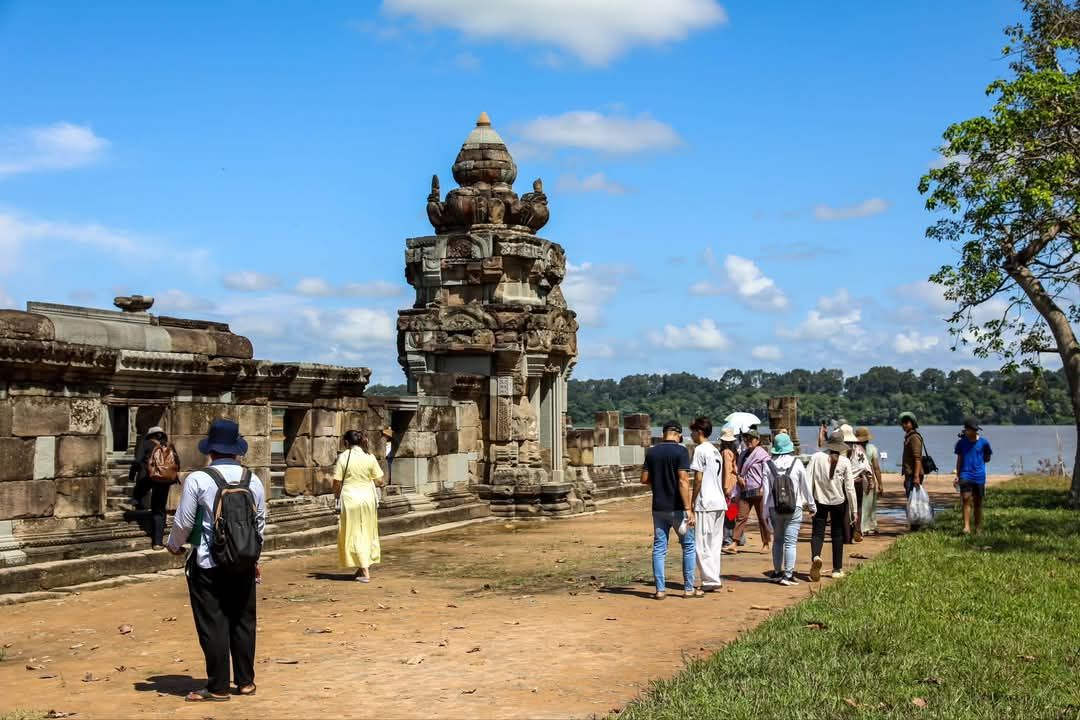
The temple has drawn tourists eager to admire its distinctive architecture, take photographs and experience its picturesque setting surrounded by water. Visitors have praised the monument’s beauty and the restoration efforts that have helped revive the historic site.
The APSARA National Authority is currently carrying out final preparations, including cleaning, improving visitor arrangements and enhancing the surrounding environment ahead of the official opening.
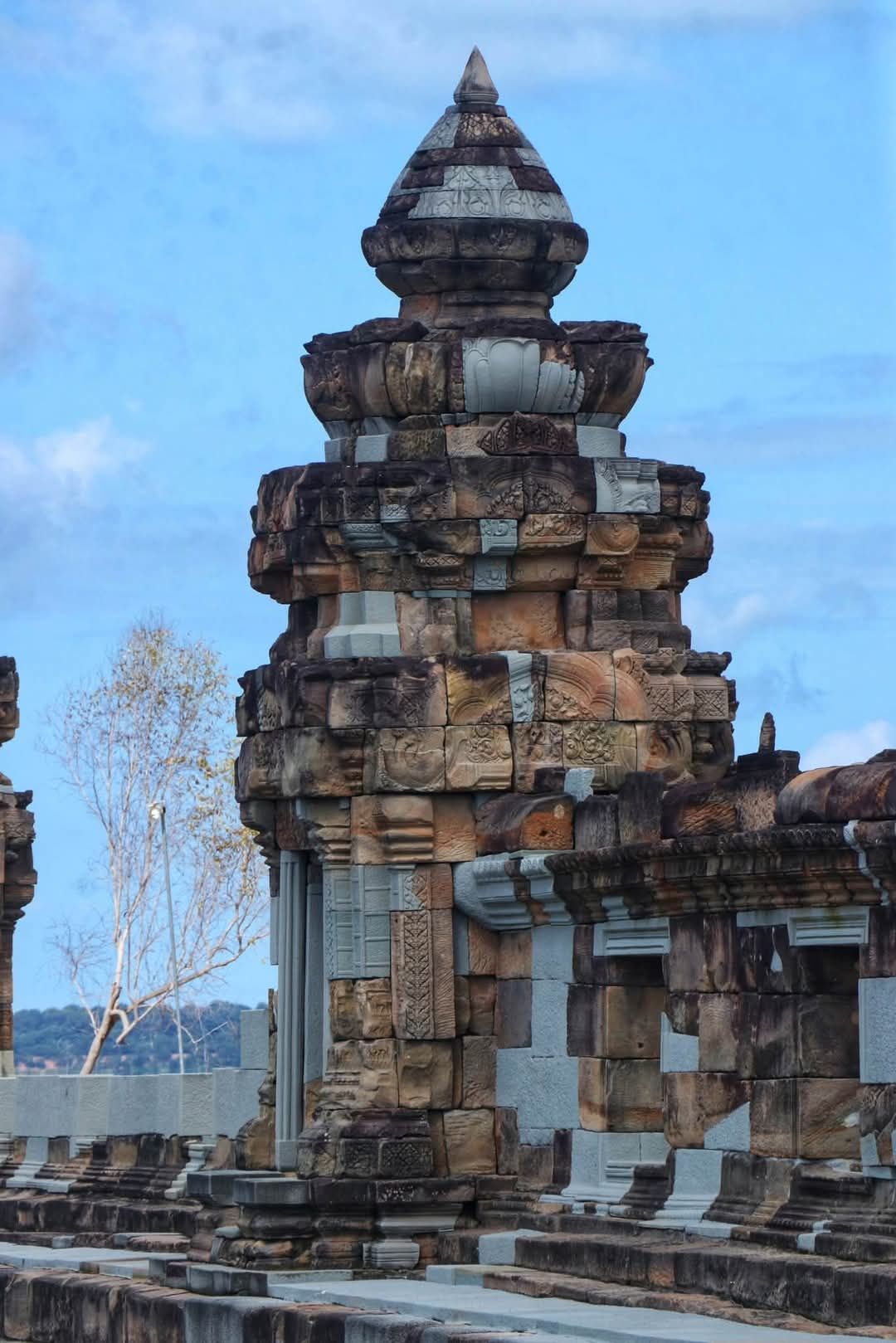
Restoration brings historic temple back to life
The restoration of West Mebon Temple was carried out through cooperation between the APSARA National Authority and the French government.
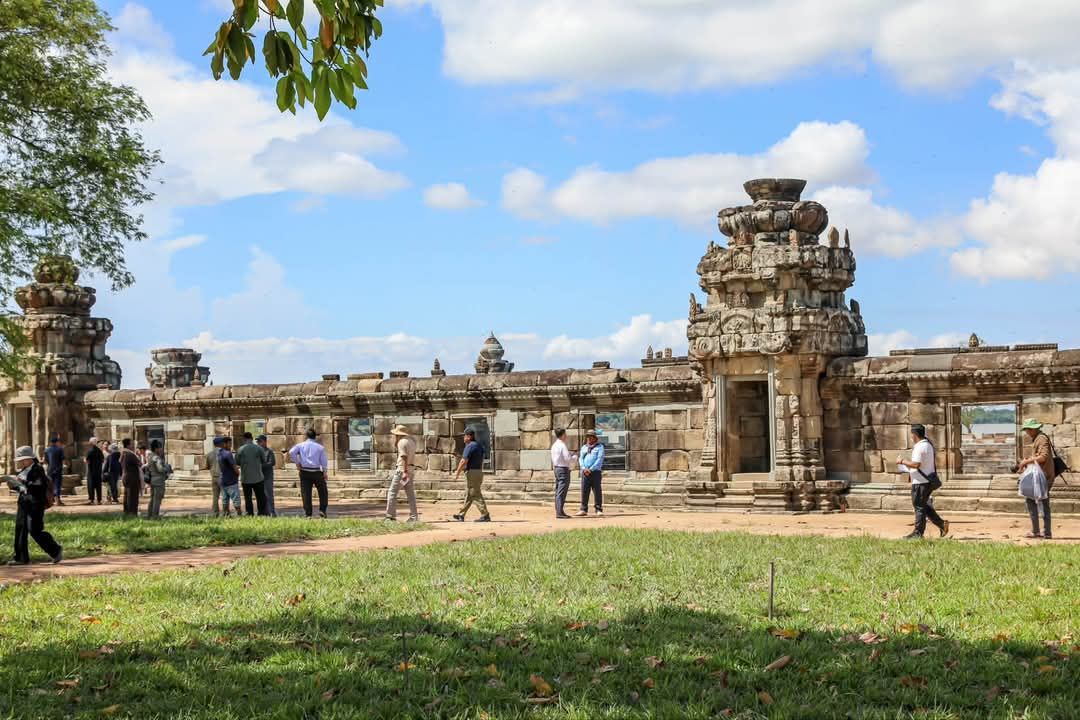
The monument had suffered extensive damage, with much of its original sculptural decoration lost. Years of restoration work have helped bring the temple back into view, allowing visitors to appreciate its architectural features and historical significance.
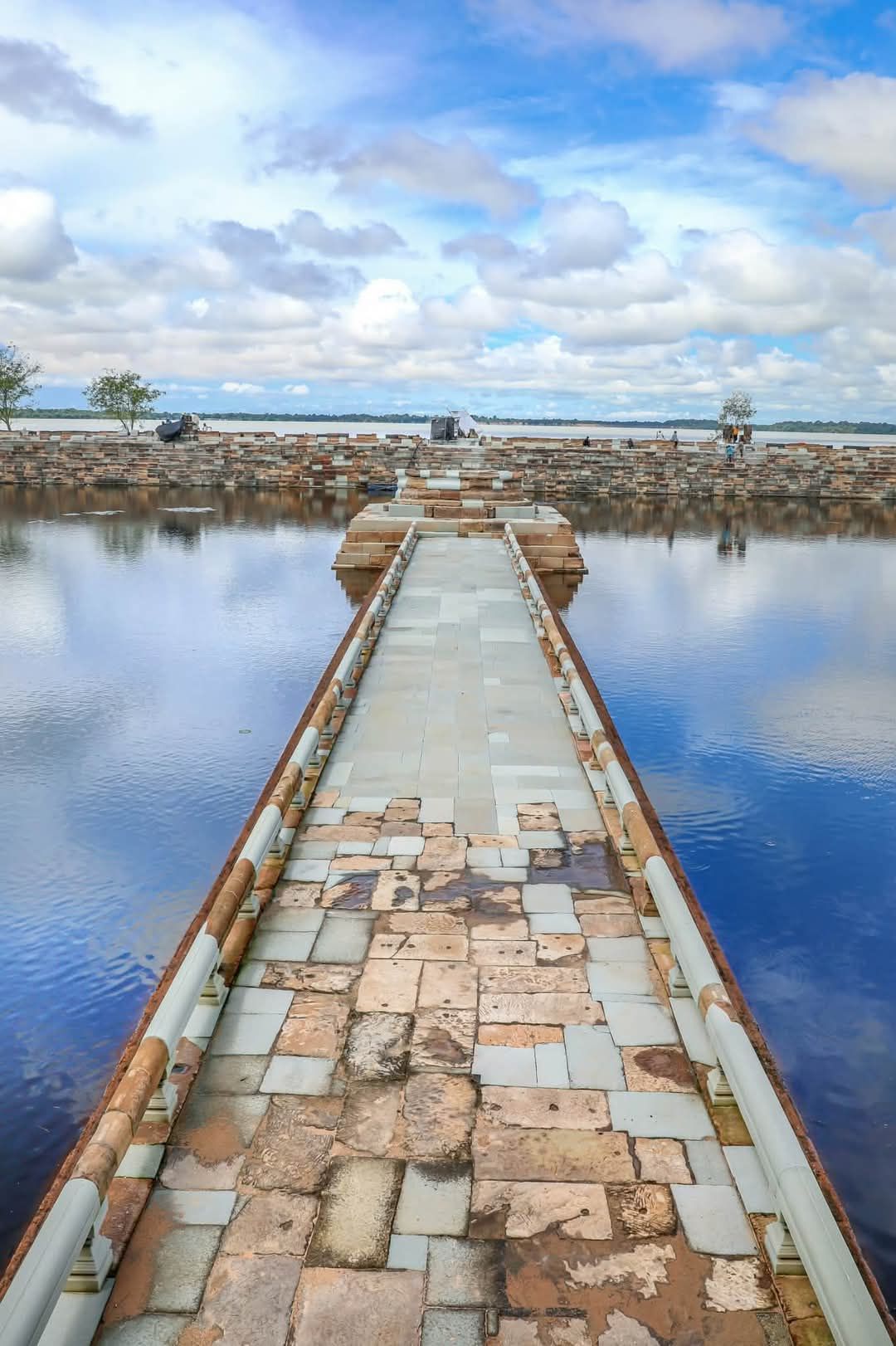
Situated in the middle of the West Baray and surrounded by expansive water, the temple offers a distinctive landscape that changes in appearance throughout the day, from sunrise to sunset.
Its unusual island setting and renewed appearance have made it an increasingly attractive destination for visitors exploring Cambodia’s cultural heritage.
Official opening planned for November
Although restoration work has been completed, the APSARA National Authority is continuing preparations to ensure the site is ready for its official reopening.
West Mebon Temple is scheduled to open officially to visitors in November 2026.
The restoration project highlights ongoing efforts to preserve Cambodia’s historic monuments while making them more accessible to visitors and supporting cultural tourism in the Angkor region.