Cambodia: Force Cannot Create Legitimacy or Lasting Peace
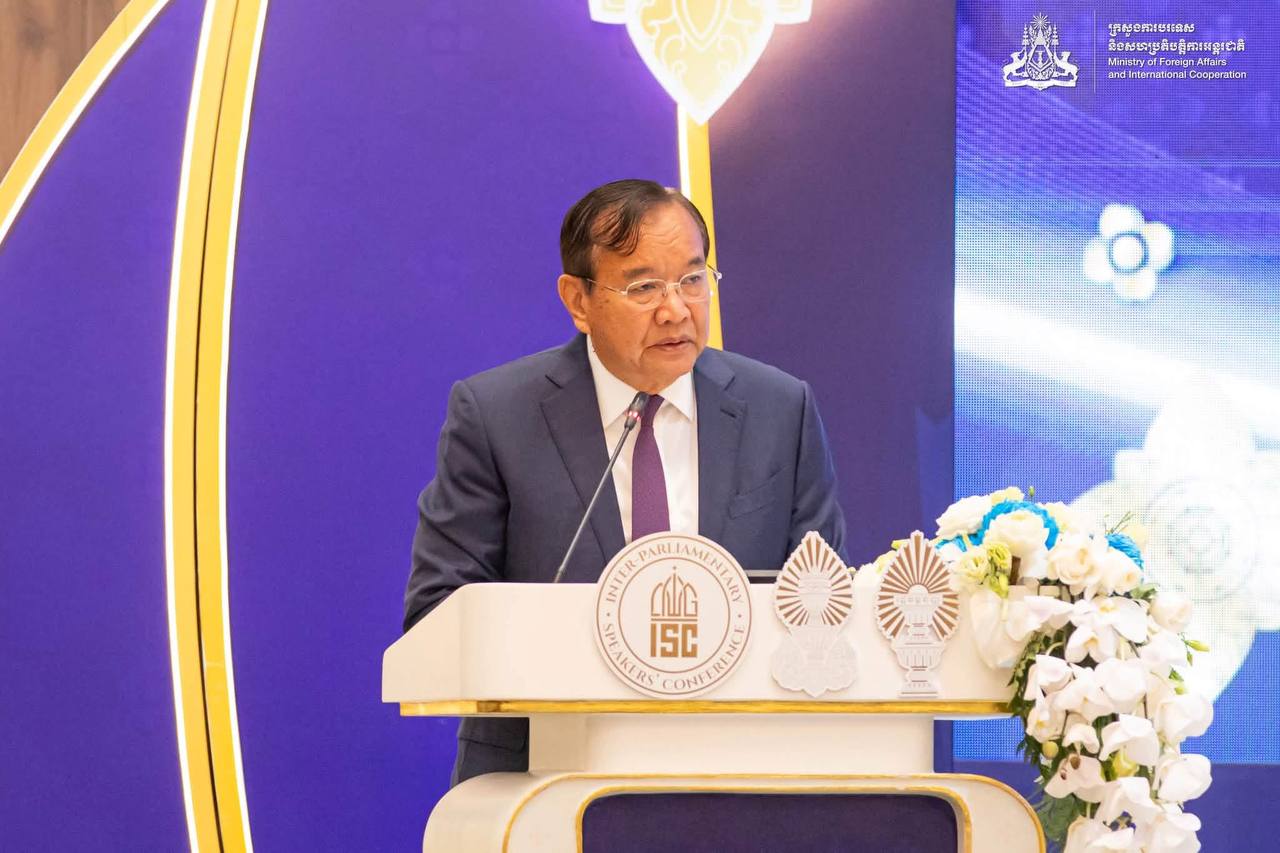 Cambodia: Force Cannot Create Legitimacy or Lasting Peace
PHNOM PENH, Sept. 4, 2026 — Cambodian Deputy Prime Minister and Foreign Minister Prak Sokhonn has stressed that military force may change circumstances on the ground, but cannot create legal legitimacy or lasting peace, as he reaffirmed Cambodia’s commitment to resolving its disputes with Thailand through dialogue and international law.
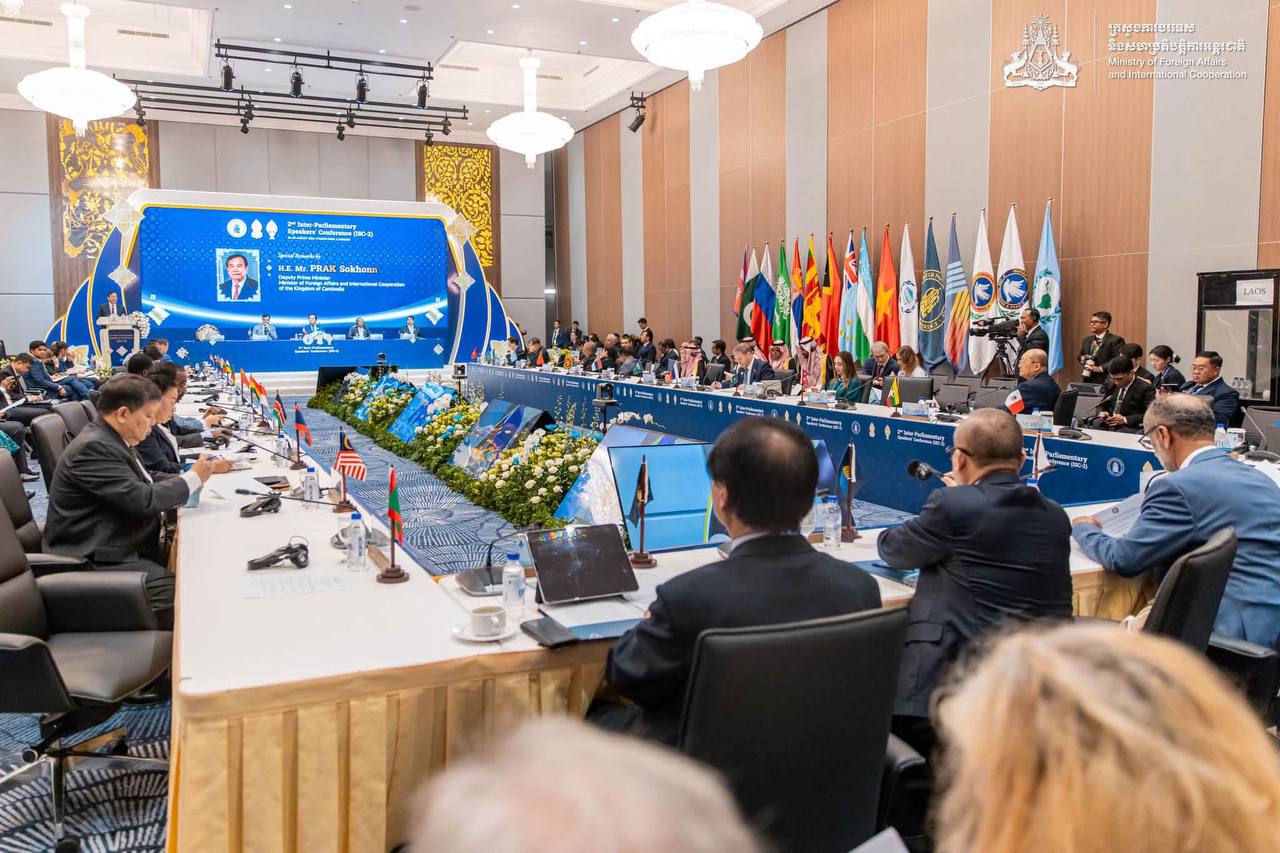
Speaking at the 2nd Inter-Parliamentary Speakers’ Conference (ISC-2) in Phnom Penh on Aug. 28, Prak Sokhonn said lasting peace requires dialogue, justice, mutual respect and adherence to international law. The conference was held under the theme “Solidarity for Peace and Shared Prosperity: Strengthening International Law and Resolving Conflicts Peacefully.”
“Force can change facts on the ground, but it cannot create legitimacy or lasting peace,” Prak Sokhonn said, according to the Cambodian Foreign Ministry account of his remarks. He stressed that states facing disputes should make full use of available peaceful means under international law, particularly existing agreements.
Addressing the Cambodia-Thailand border issue, the foreign minister said the dispute concerns principles at the heart of the UN Charter, ASEAN Charter and Treaty of Amity and Cooperation in Southeast Asia (TAC), including respect for sovereignty and territorial integrity, rejection of the threat or use of force, and peaceful settlement of disputes.
Cambodia has maintained that its recognised international boundary with Thailand was established through historical treaties and maps, including the 1904 Convention and 1907 Treaty between France and Siam. Prak Sokhonn said Cambodia would not accept any attempt to alter or determine the border through force or a fait accompli.
Despite the challenges, he said Cambodia remained committed to pursuing peaceful and lawful solutions to outstanding disputes over both land and maritime boundaries, within existing agreements and legal mechanisms.
On the maritime issue, Prak Sokhonn has said Cambodia and Thailand are engaged in compulsory conciliation under the 1982 UN Convention on the Law of the Sea (UNCLOS), describing the process as a peaceful and constructive avenue for resolving their maritime differences.
The 2nd Inter-Parliamentary Speakers’ Conference concluded on Aug. 28 with the adoption of the Phnom Penh Declaration, reaffirming participating parliamentary leaders’ commitment to international law, multilateralism, dialogue and the peaceful settlement of disputes.