Cambodia Rejects Claims Ancient Temples Were Used for Military Purposes
 Cambodia Rejects Claims Ancient Temples Were Used for Military Purposes
PHNOM PENH, October 22, 2026 — Cambodia’s Ministry of Culture and Fine Arts has rejected repeated allegations by Thai military authorities that Cambodia used ancient temples for military purposes, while protesting the alleged presence of Thai forces and unilateral activities at Cambodian cultural heritage sites along the border.
In a statement dated October 22, 2026, the ministry said the allegations were unfounded and distorted the facts, arguing that they diverted attention from damage inflicted on Cambodian cultural heritage by Thai armed forces.
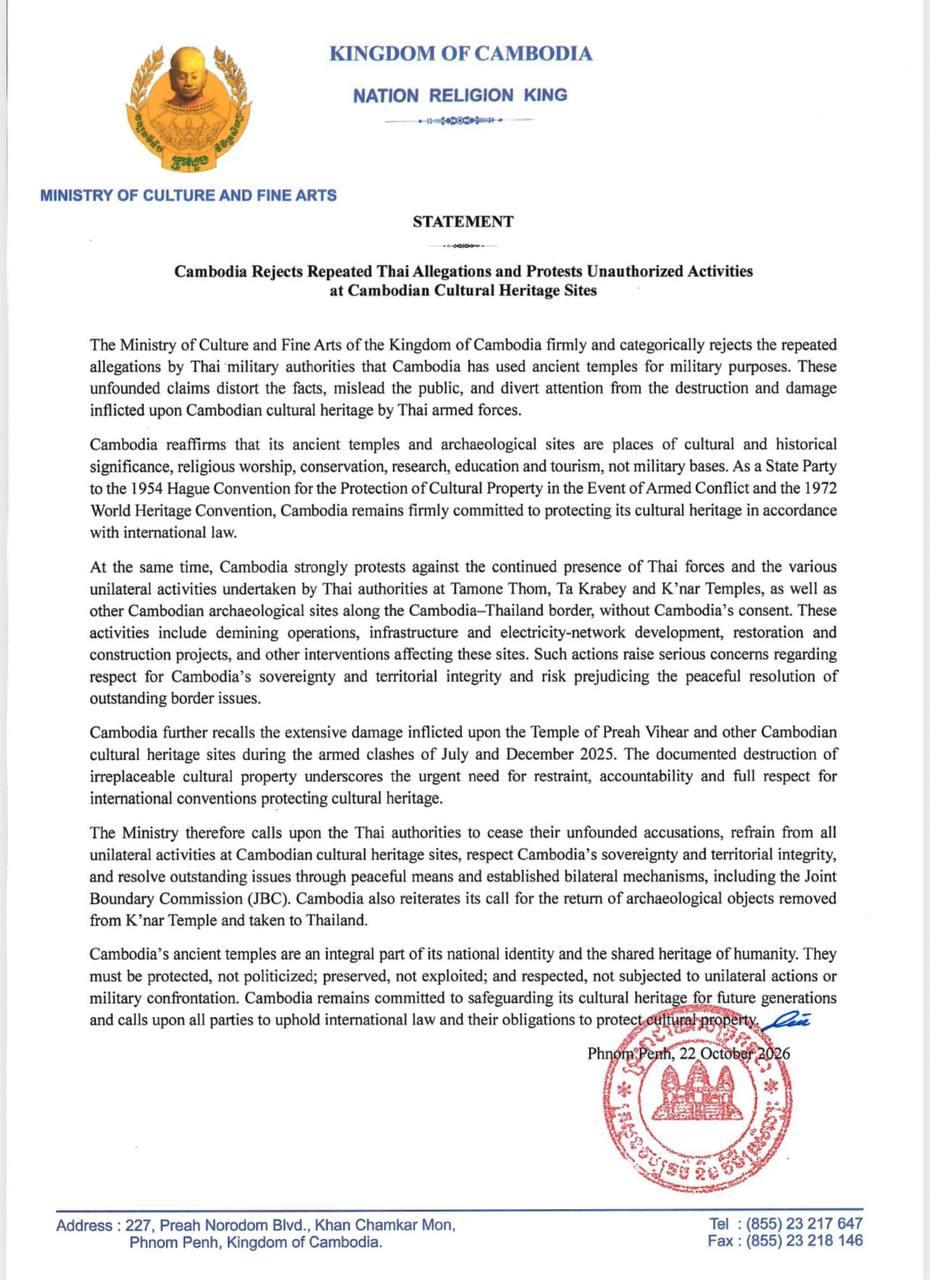
Cambodia reaffirmed that its ancient temples and archaeological sites serve cultural, historical, religious, conservation, research, educational and tourism purposes, rather than functioning as military bases.
Cambodia Protests Activities at Border Temples
The ministry strongly protested what it described as the continued presence of Thai forces and unilateral activities at Tamone Thom, Ta Krabey and K’nar temples, as well as other Cambodian archaeological sites along the Cambodia-Thailand border.
According to the statement, these activities include demining operations, infrastructure and electricity-network development, restoration and construction projects, and other interventions carried out without Cambodia’s consent.
The ministry said such actions raised serious concerns about Cambodia’s sovereignty and territorial integrity and could undermine efforts to resolve outstanding border issues peacefully.
Cambodia cited its obligations under the 1954 Hague Convention for the Protection of Cultural Property in the Event of Armed Conflict and the 1972 World Heritage Convention, saying the country remained committed to safeguarding its cultural heritage in accordance with international law.
Cambodia Recalls Damage to Preah Vihear Temple
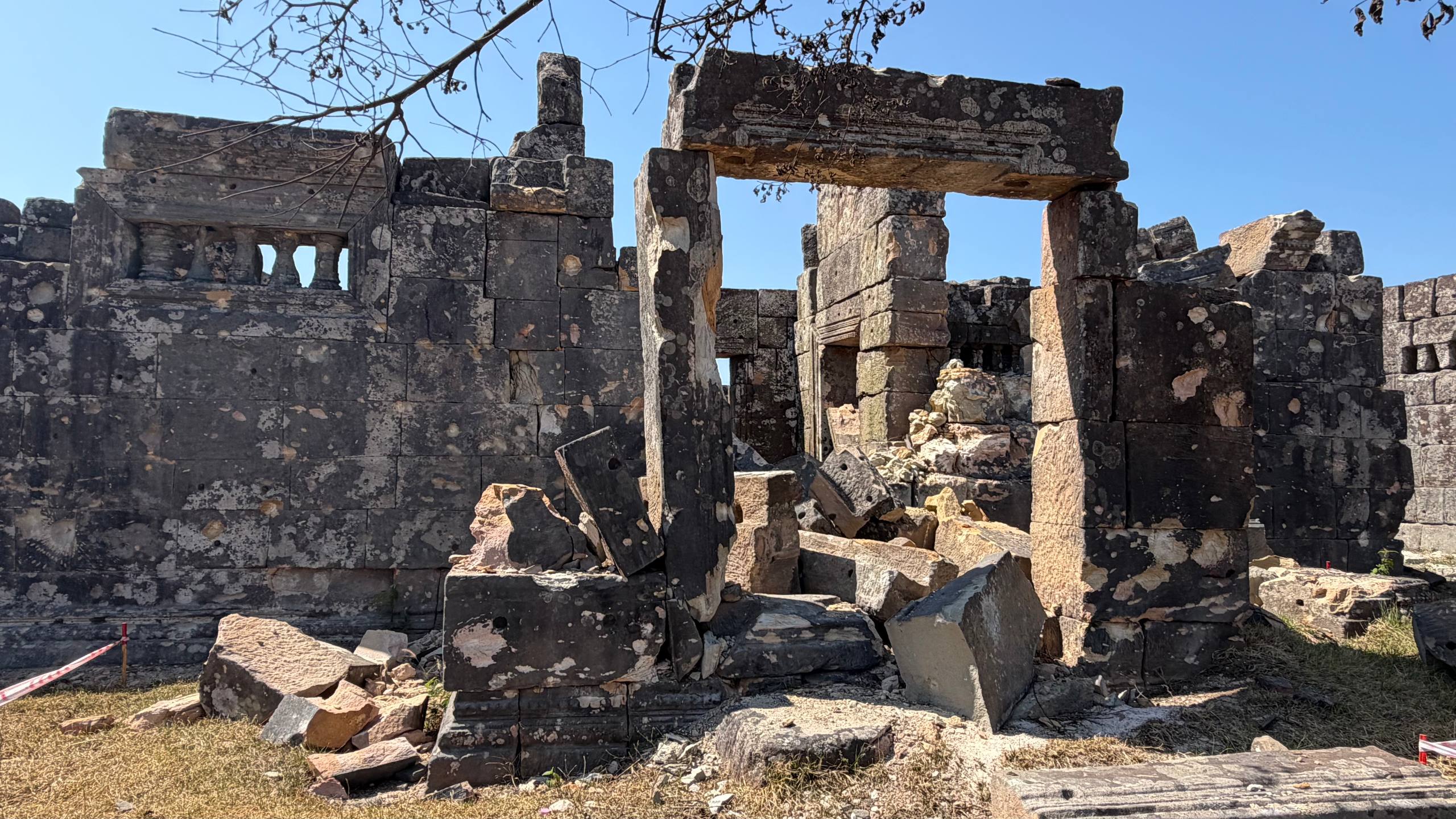
The statement also recalled extensive damage to Preah Vihear Temple and other Cambodian cultural heritage sites during armed clashes in July and December 2025.
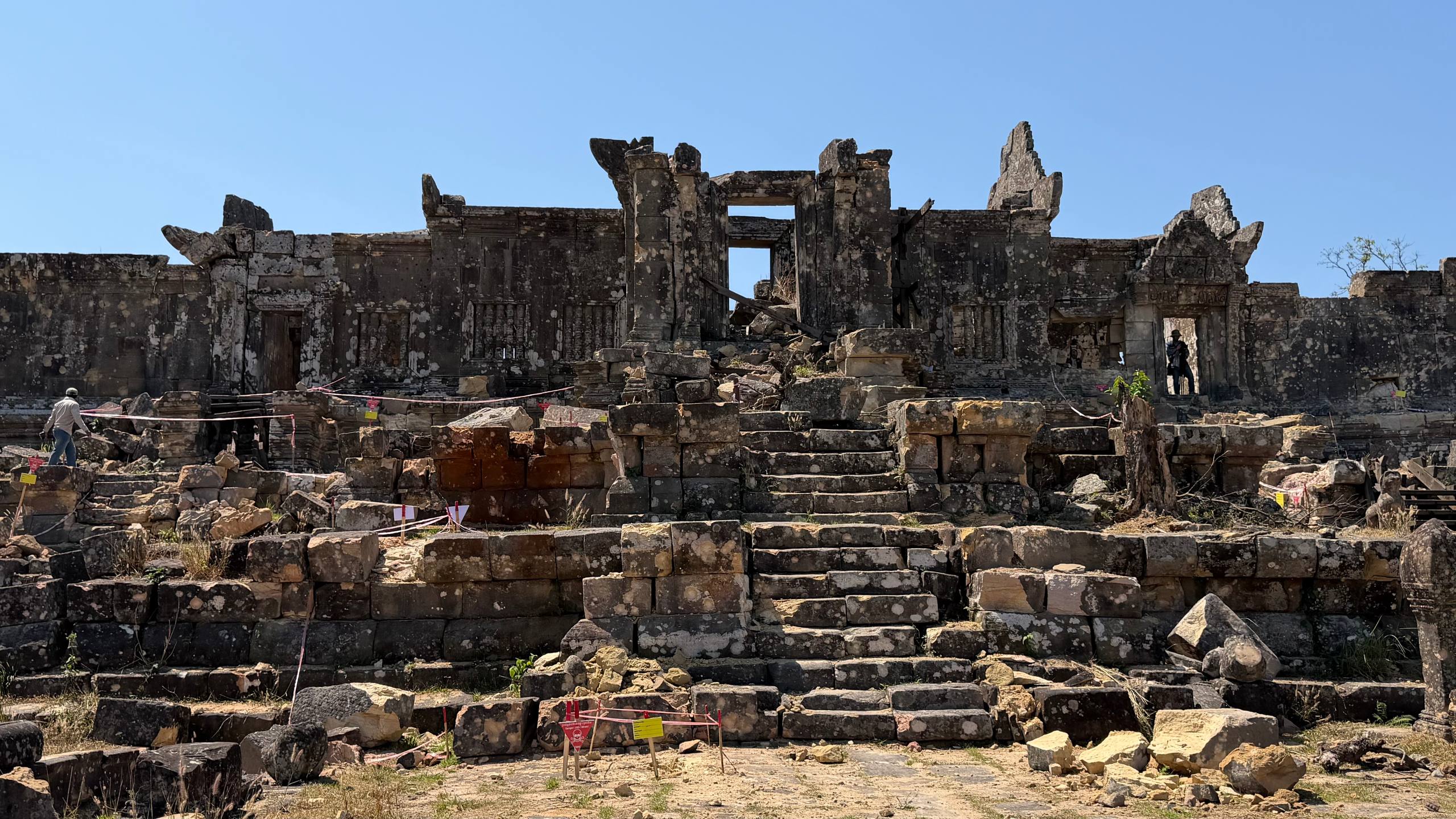
The ministry said the documented destruction of irreplaceable cultural property underscored the need for restraint, accountability and respect for international conventions protecting cultural heritage.
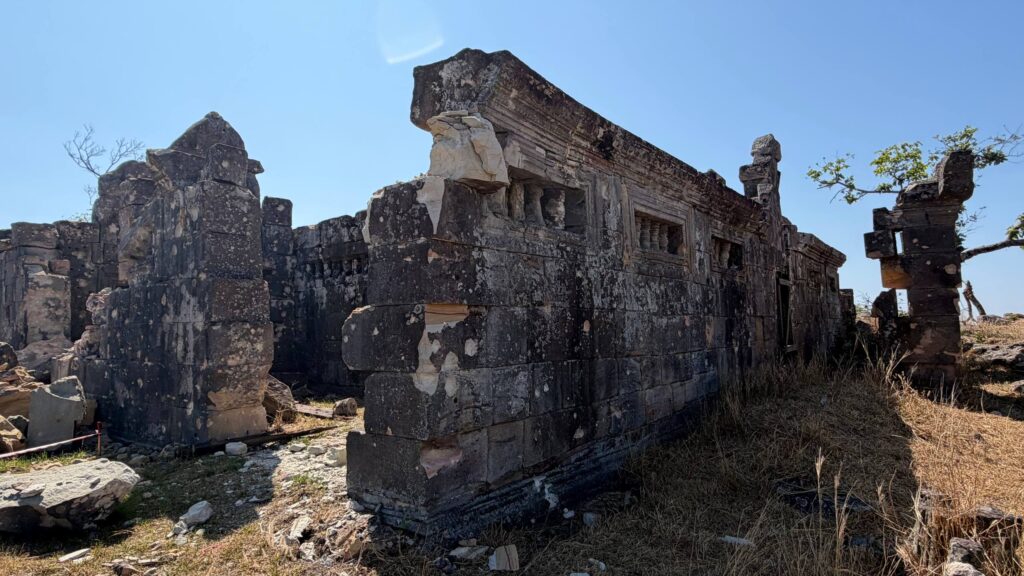
It called on Thai authorities to stop what it described as unfounded accusations, refrain from unilateral activities at Cambodian heritage sites, and respect Cambodia’s sovereignty and territorial integrity.
The ministry also urged both countries to resolve outstanding issues through peaceful means and established bilateral mechanisms, including the Joint Boundary Commission (JBC).
Cambodia Calls for Return of Archaeological Objects
In addition to its objections over activities at border heritage sites, Cambodia reiterated its call for the return of archaeological objects that it said had been removed from K’nar Temple and taken to Thailand.
The ministry stressed that Cambodia’s ancient temples formed an integral part of the country’s national identity and the shared heritage of humanity.
“Cambodia’s ancient temples are an integral part of its national identity and the shared heritage of humanity,” the statement said, calling for the sites to be protected and preserved rather than politicised or subjected to military confrontation.
The ministry concluded by reaffirming Cambodia’s commitment to protecting its cultural heritage for future generations and urging all parties to uphold international law and their obligations to safeguard cultural property.