Cambodia Accuses Thai Military of Continued Occupation and Widespread Civilian Devastation
 Cambodia Accuses Thai Military of Continued Occupation and Widespread Civilian Devastation
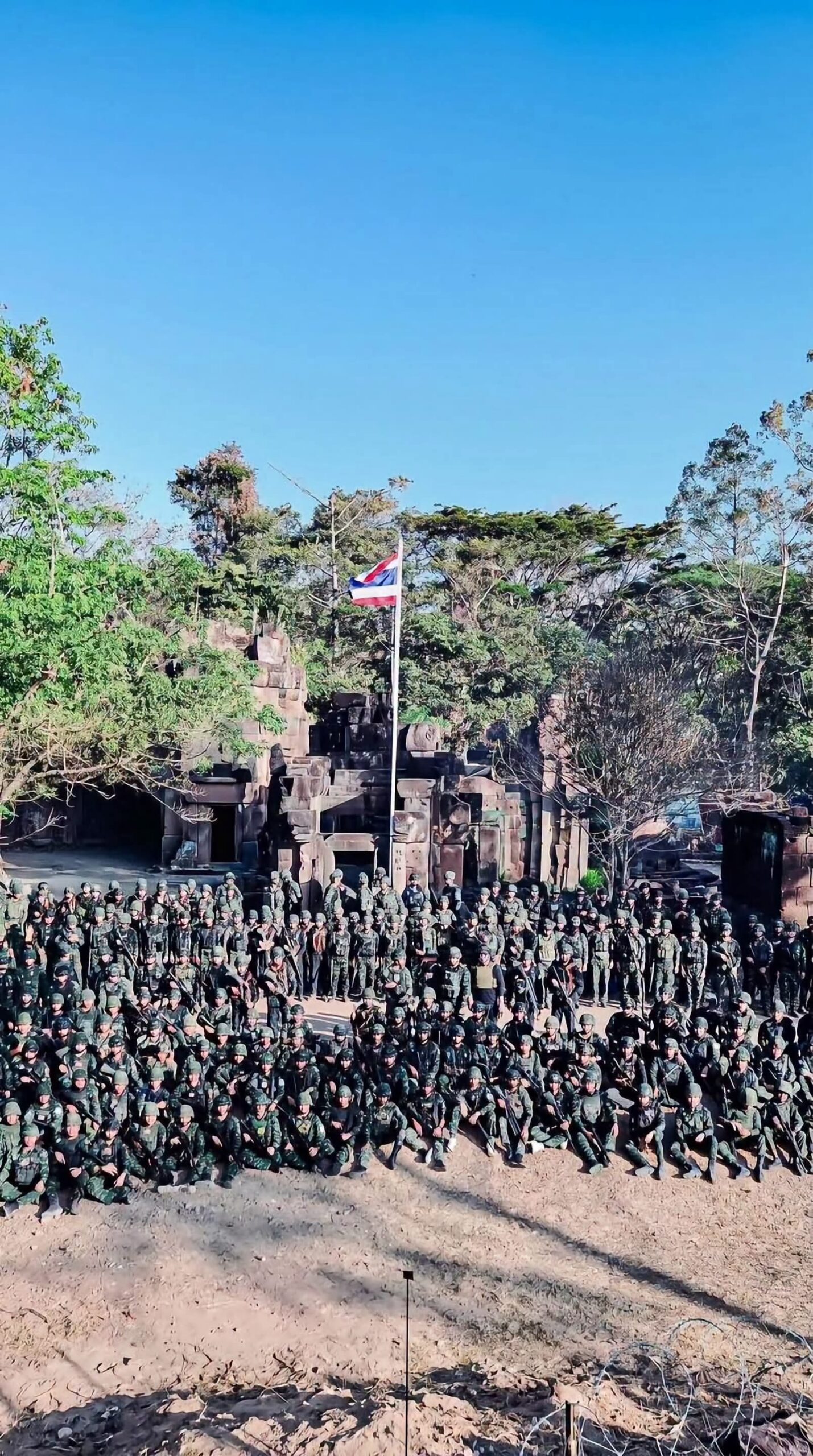
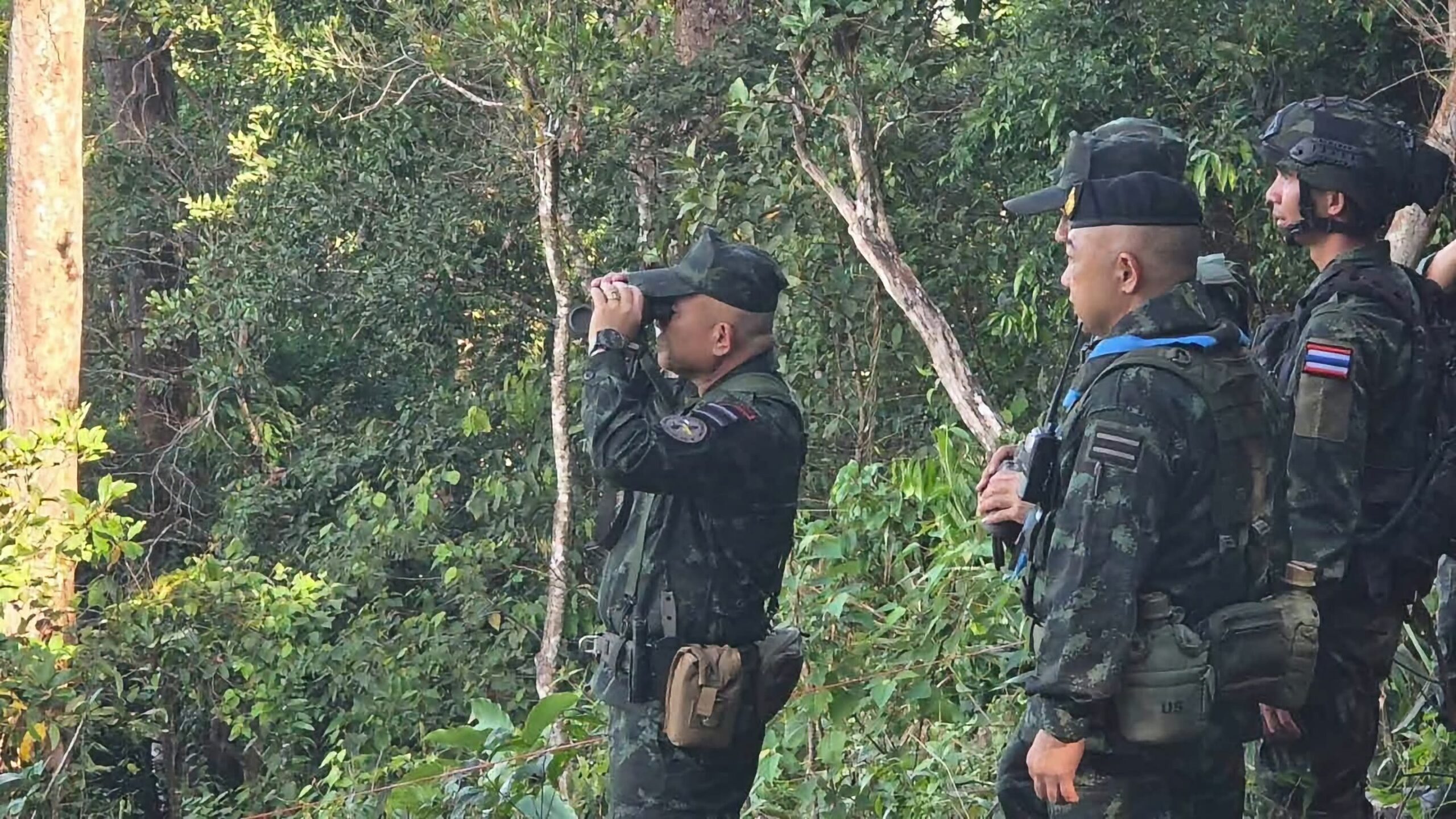
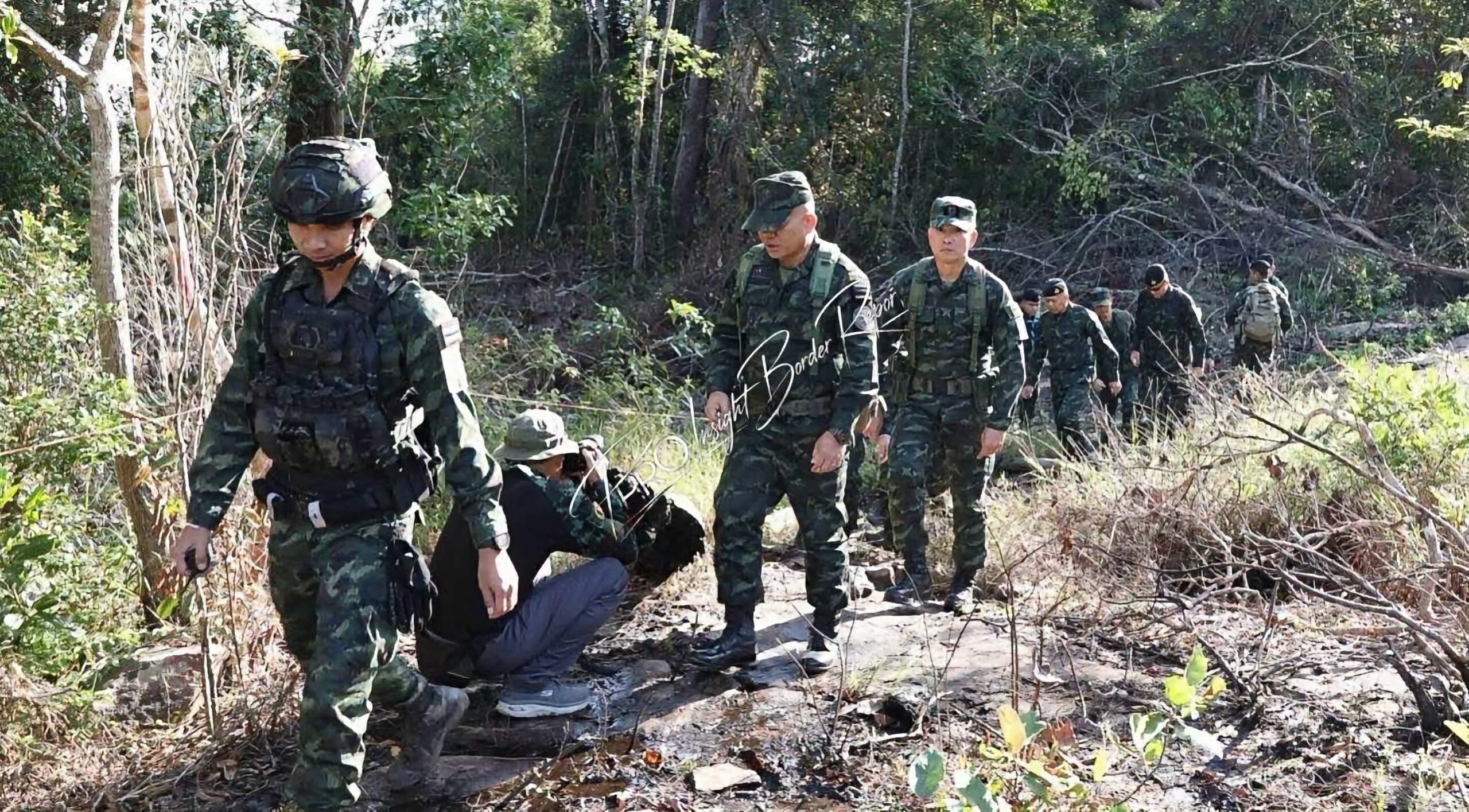
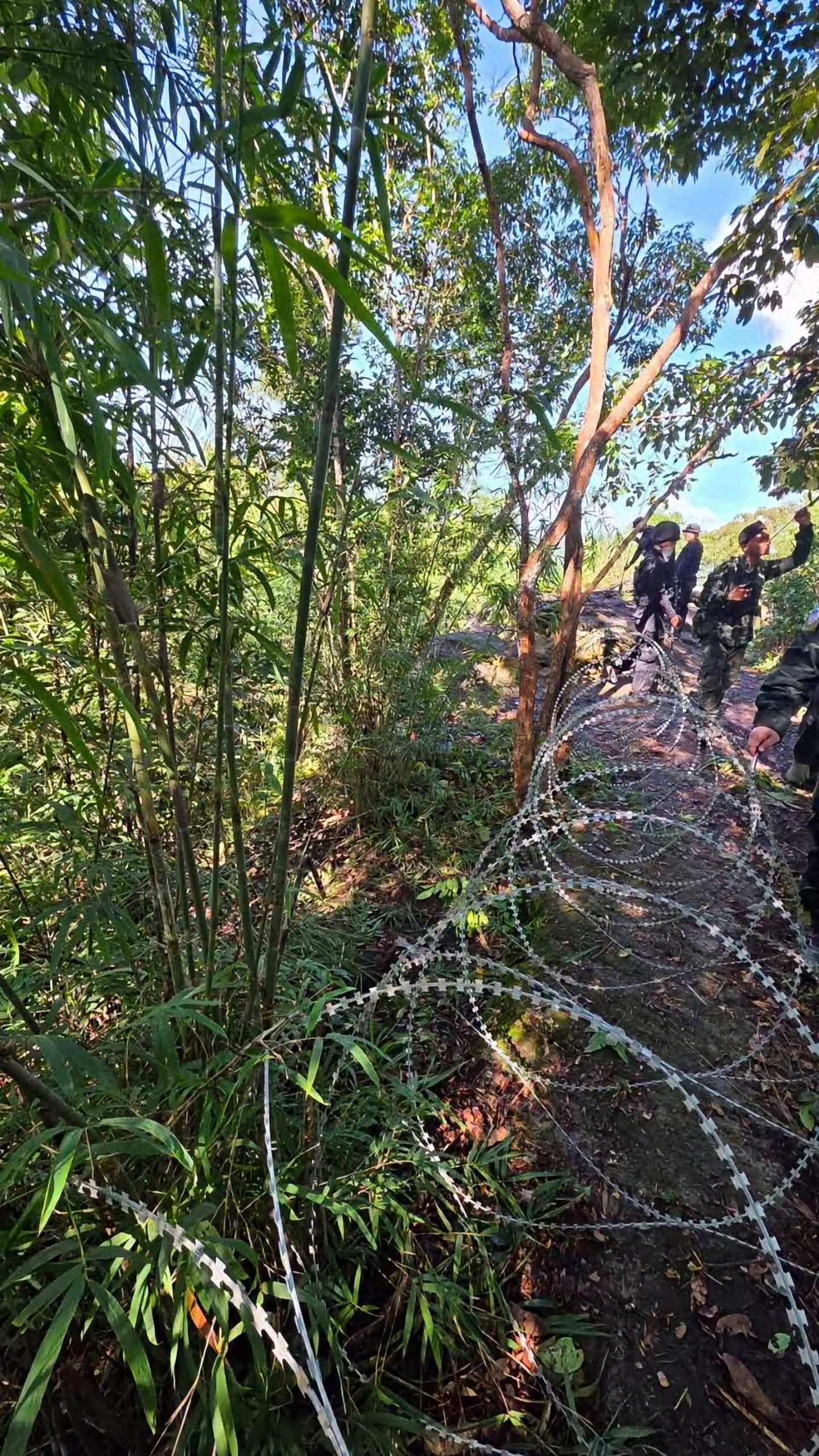
PHNOM PENH, November 15, 2026 — Cambodia has accused the Thai military of continuing to occupy parts of Cambodian territory and causing widespread civilian devastation and a humanitarian crisis, despite the ceasefire between the two countries.
In a press release issued on November 15, the Cambodian side said the Thai military had yet to fully implement the Joint Statement of the Third Special Meeting of the General Border Committee (GBC), which calls for accelerated border surveying and demarcation to enable displaced Cambodian residents to return home safely.
According to the statement, 32 Cambodian civilians were killed and 94 injured, while more than 600,000 people were forced to flee their homes following attacks involving various weapons, including light and heavy firearms, drones and fighter jets.
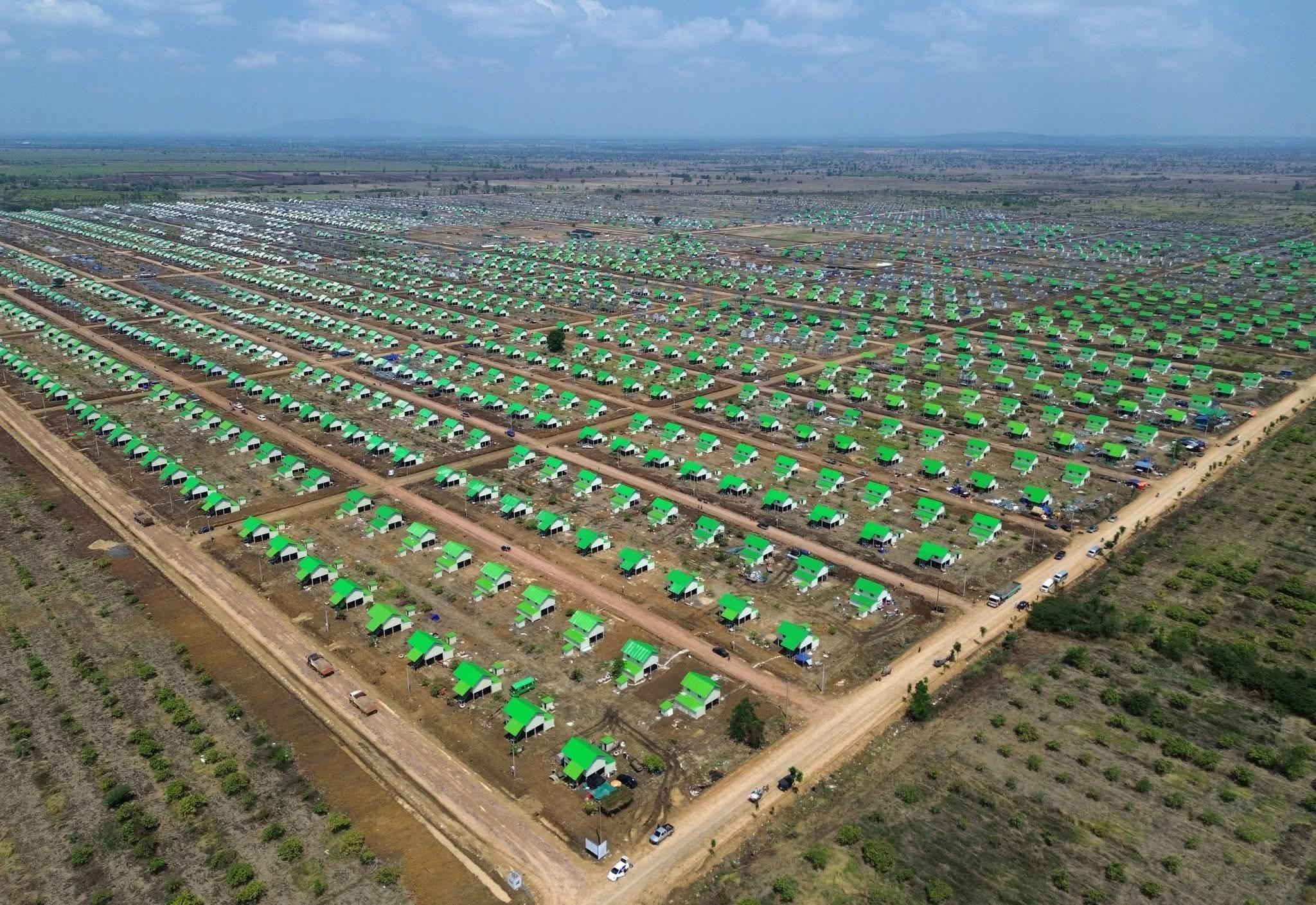
The statement said approximately 649,000 people had been recorded as displaced, with around 20,000 others still staying at various temporary sites. Of those accommodated in temporary housing arranged by the Royal Government, 3,318 units were in Banteay Meanchey, 759 in Oddar Meanchey, 691 in Preah Vihear and 27 in Pursat provinces.
It added that many displaced families had relocated to other cities and provinces to live and work, while others remained afraid to return because their homes had come under attack and they feared renewed armed clashes.
Cambodia reports extensive damage to civilian areas and cultural sites
The press release also accused the Thai military of using prohibited weapons and munitions against civilian areas and cultural heritage sites, particularly World Heritage sites.
It alleged that between 120,000 and 130,000 artillery shells containing an estimated six to seven million unexploded submunitions had been fired into civilian areas covering nearly 3,000 square kilometres across at least 335 of the 349 affected villages.
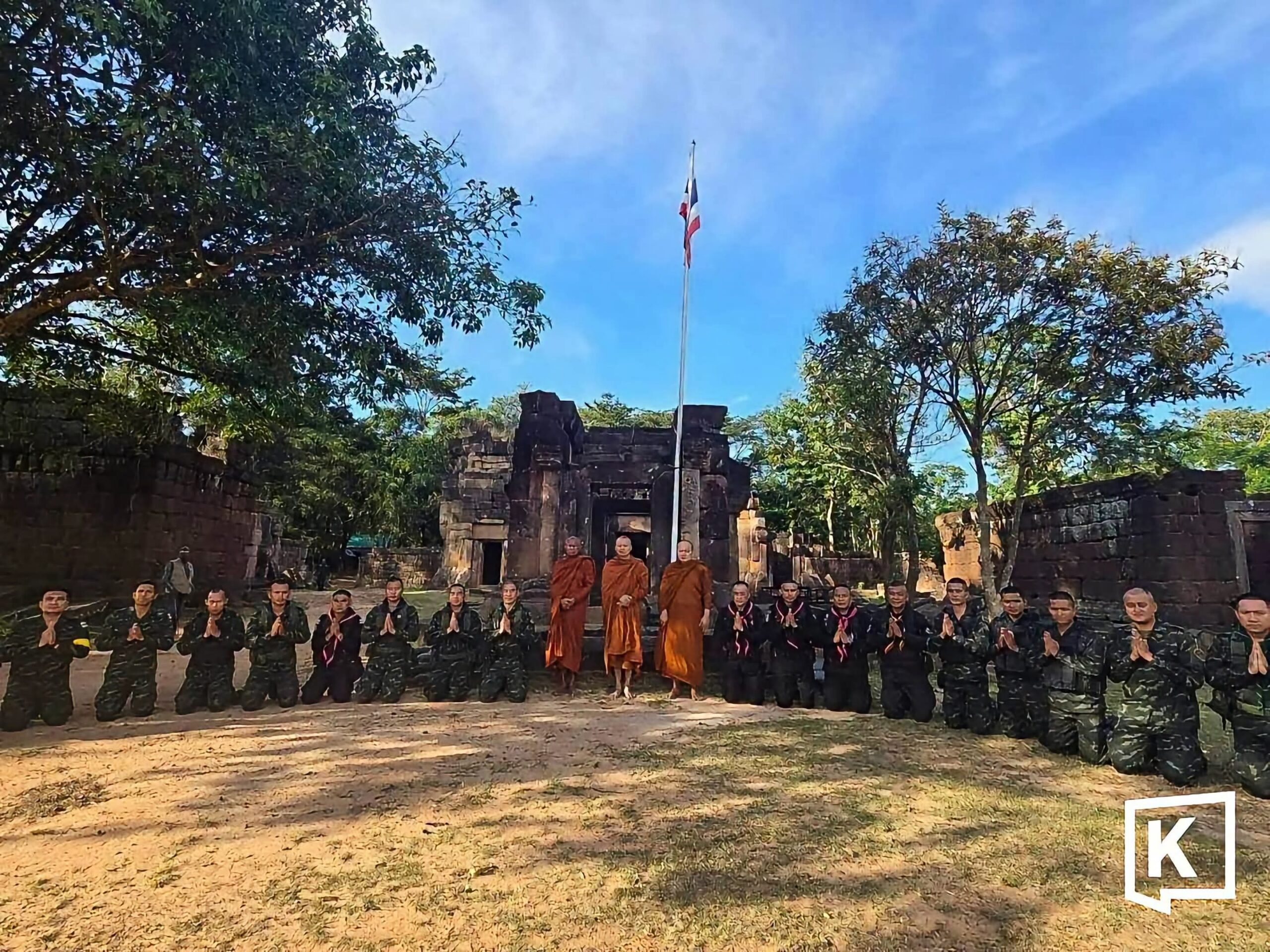
According to the Cambodian statement, Preah Vihear Temple, Ta Muen Thom, Ta Muen Toch, Ta Krabei and Kh’na temples were among the sites heavily shelled and damaged.
The statement further claimed that Preah Vihear Temple had been shelled and bombed at 501 targets, causing damage in 562 locations. It alleged that the attacks involved strategic and tactical planning, coordination and command direction, with the specific intention of destroying the temple.
The reported damage extended beyond cultural heritage sites. The press release listed damage to 1,558 houses, seven civilian buildings, 10 hotels and apartment buildings, four gas stations, one private market, 34 vehicles, 39 mobile phone towers, six water supply systems, 26 schools, 14 hospitals and health centres, 74 administrative buildings, 19 pagodas, five bridges, 87 road sections, one market and three electricity transmission lines, along with other public and private properties.
Cambodia said the continued occupation and failure to fully implement the GBC agreement were preventing displaced residents from returning safely to their homes.