Cambodia Urges Calm After Cultural Debate Involving Khmer Heritage
 Cambodia Urges Calm After Cultural Debate Involving Khmer Heritage
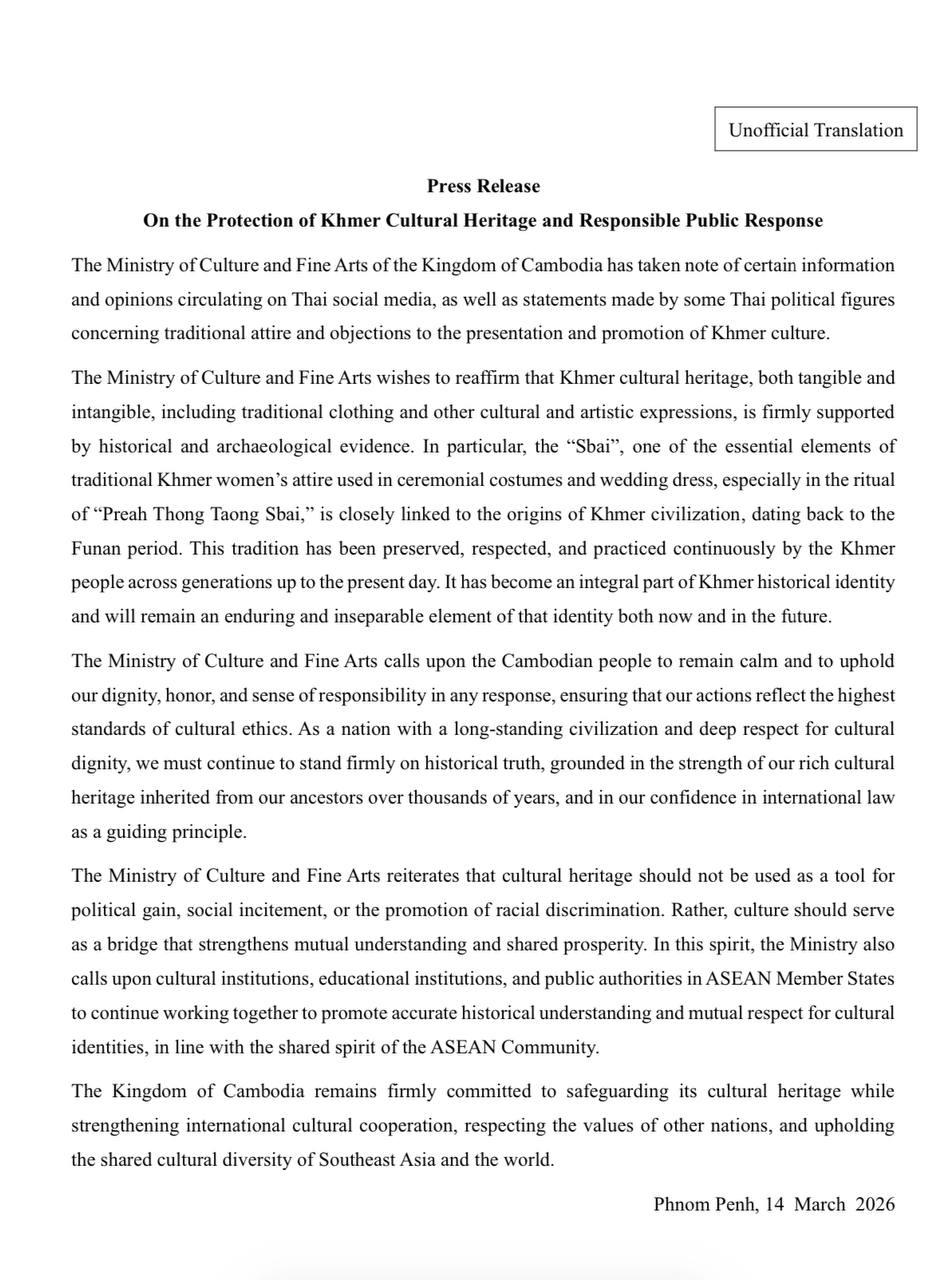
PHNOM PENH, March 14, 2026 — Cambodia’s Ministry of Culture and Fine Arts has defended the historical origins of Khmer cultural heritage, calling for calm and responsible public responses following debate on Thai social media over traditional attire and cultural identity.
In a statement released on Saturday, the ministry said Khmer cultural heritage — both tangible and intangible, including traditional clothing and artistic expressions — is firmly supported by historical and archaeological evidence.
The ministry specifically highlighted the “Sbai,” a traditional scarf worn as part of Khmer women’s ceremonial and wedding attire, saying the garment is closely linked to the origins of Khmer civilization and dates back to the Funan period, one of Southeast Asia’s earliest kingdoms.
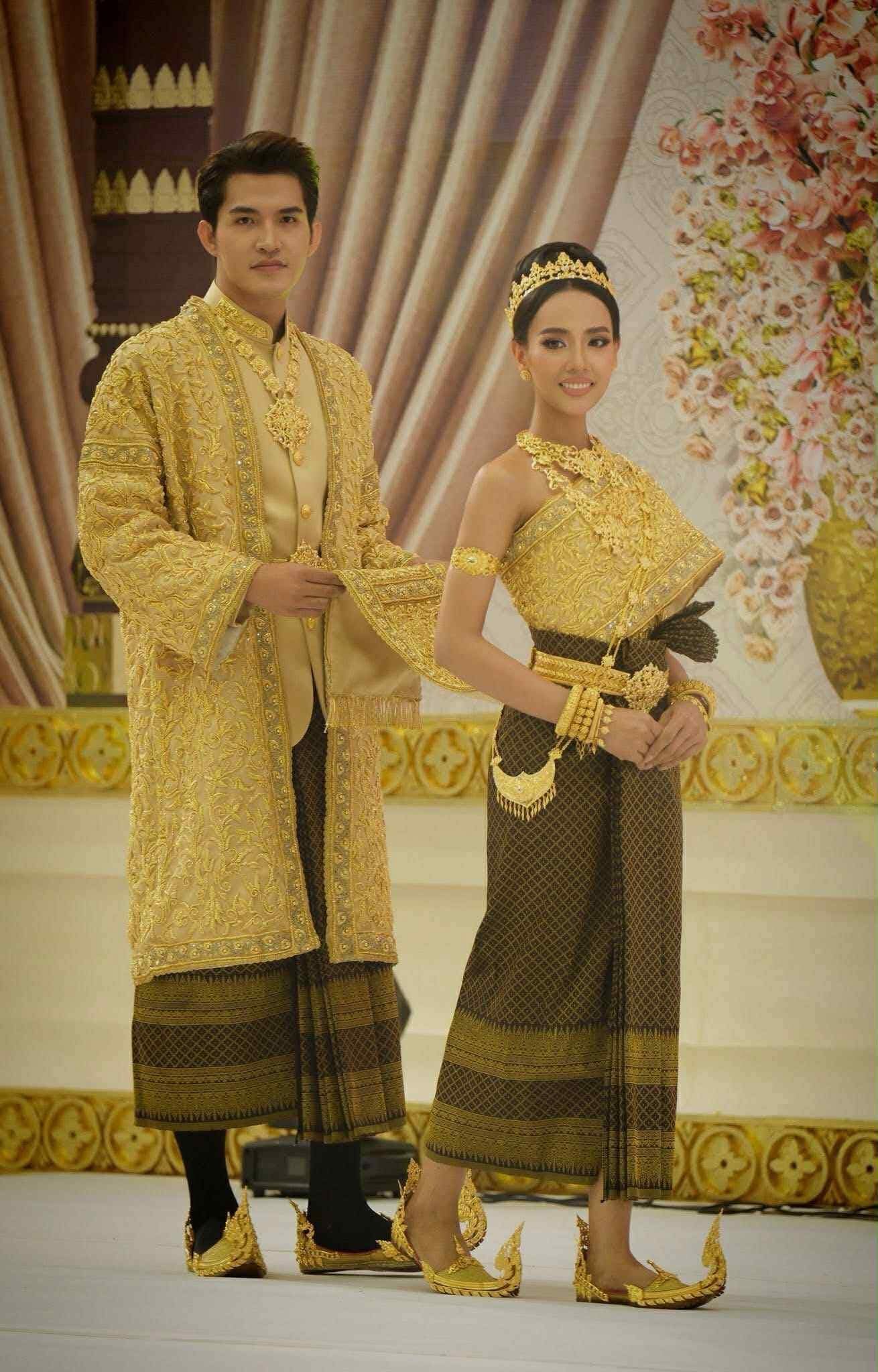
The statement came after online discussions and comments by some Thai political figures raised objections to the presentation and promotion of Khmer culture.
Cambodia said the tradition has been preserved and practiced continuously across generations, becoming an integral part of Khmer historical identity.
The ministry urged Cambodian citizens to remain calm and uphold dignity and responsibility in their responses, emphasizing that cultural heritage should not be used for political purposes, social incitement or racial discrimination.
Instead, culture should serve as a bridge to strengthen mutual understanding and shared prosperity, the statement said.
Cambodia also called on cultural institutions, educational bodies and public authorities across ASEAN to work together to promote accurate historical understanding and respect for cultural identities.
The government reaffirmed its commitment to protecting Khmer cultural heritage while promoting international cultural cooperation and respect for the cultural diversity of Southeast Asia.