Thailand Ready for UN Maritime Conciliation Process Following Cambodia’s Move
 Thailand Ready for UN Maritime Conciliation Process Following Cambodia’s Move
BANGKOK, June 4, 2026 — Thailand has said it is fully prepared to participate in the compulsory conciliation mechanism under the United Nations Convention on the Law of the Sea (UNCLOS), following Cambodia’s formal move to initiate the process over overlapping maritime claims between the two countries.
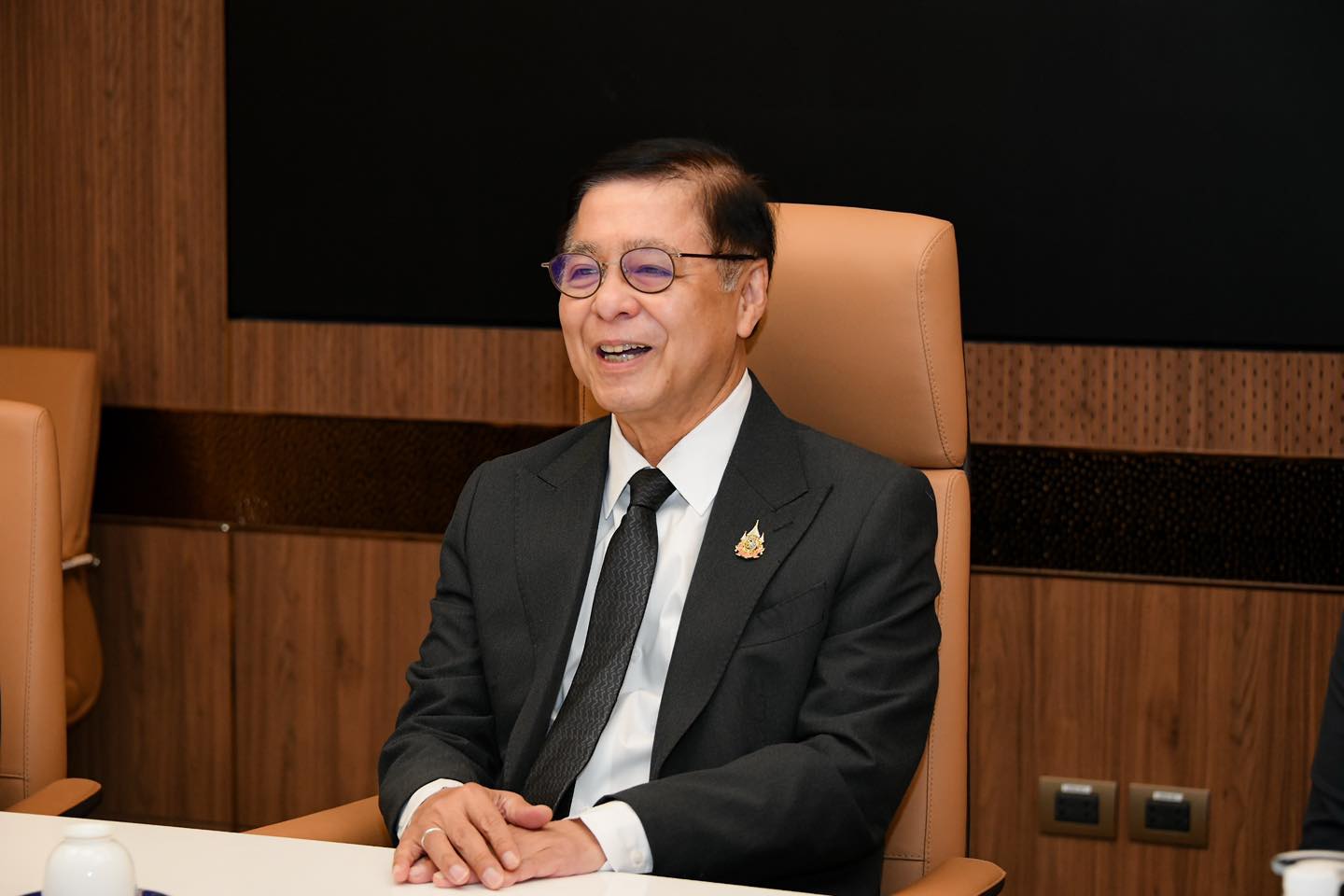
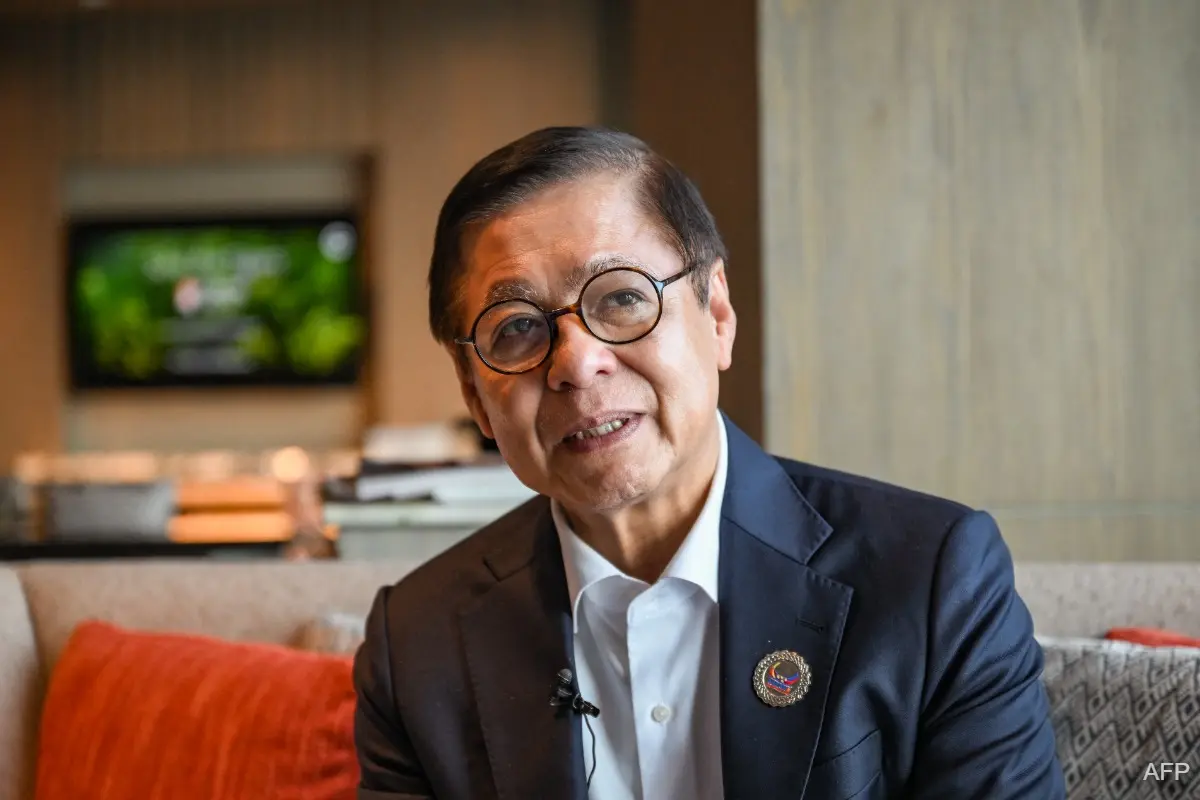
Thai Deputy Prime Minister and Foreign Minister Sihasak Phuangketkeow said on Wednesday that Thailand was ready to take all necessary actions in accordance with UNCLOS while placing the highest priority on protecting the country’s national interests.
“Thailand is fully prepared to undertake the necessary actions in accordance with UNCLOS, while attaching the utmost importance to safeguarding Thailand’s national interests,” Sihasak said, according to comments cited by AFP.
The statement came two days after Cambodian Prime Minister Hun Manet announced that Cambodia had formally notified both Thailand and United Nations Secretary-General António Guterres of its decision to initiate compulsory conciliation proceedings under UNCLOS.
Cambodia’s move follows Thailand’s unilateral withdrawal from the 2001 Memorandum of Understanding (MoU), which had served as the legal framework for bilateral negotiations on overlapping maritime claims for more than two decades.
The compulsory conciliation mechanism is a peaceful dispute-settlement process provided under UNCLOS. It allows both parties to present their positions before an independent five-member conciliation commission composed of experts in international law.
The Cambodian government has described the decision as a responsible and lawful step aimed at achieving a peaceful resolution based on international law. Cambodian officials have argued that the mechanism offers a constructive alternative to prolonged deadlock and helps prevent tensions from escalating.
Prime Minister Hun Manet said earlier this week that Cambodia remains committed to resolving disputes through peaceful means and legal mechanisms, stressing that international law provides a more sustainable solution than confrontation.
Both Cambodia and Thailand are parties to UNCLOS, the international treaty governing maritime rights and responsibilities. The conciliation process is expected to provide a new avenue for addressing the longstanding maritime dispute after years of inconclusive bilateral talks.
While Thailand previously expressed concerns that the UNCLOS process might complicate efforts to restore bilateral relations, Bangkok’s latest remarks indicate it is prepared to engage with the mechanism while continuing to defend its legal position and national interests.