Thailand Could Be Hit With Additional 12.5% US Import Tax
 Thailand Could Be Hit With Additional 12.5% US Import Tax
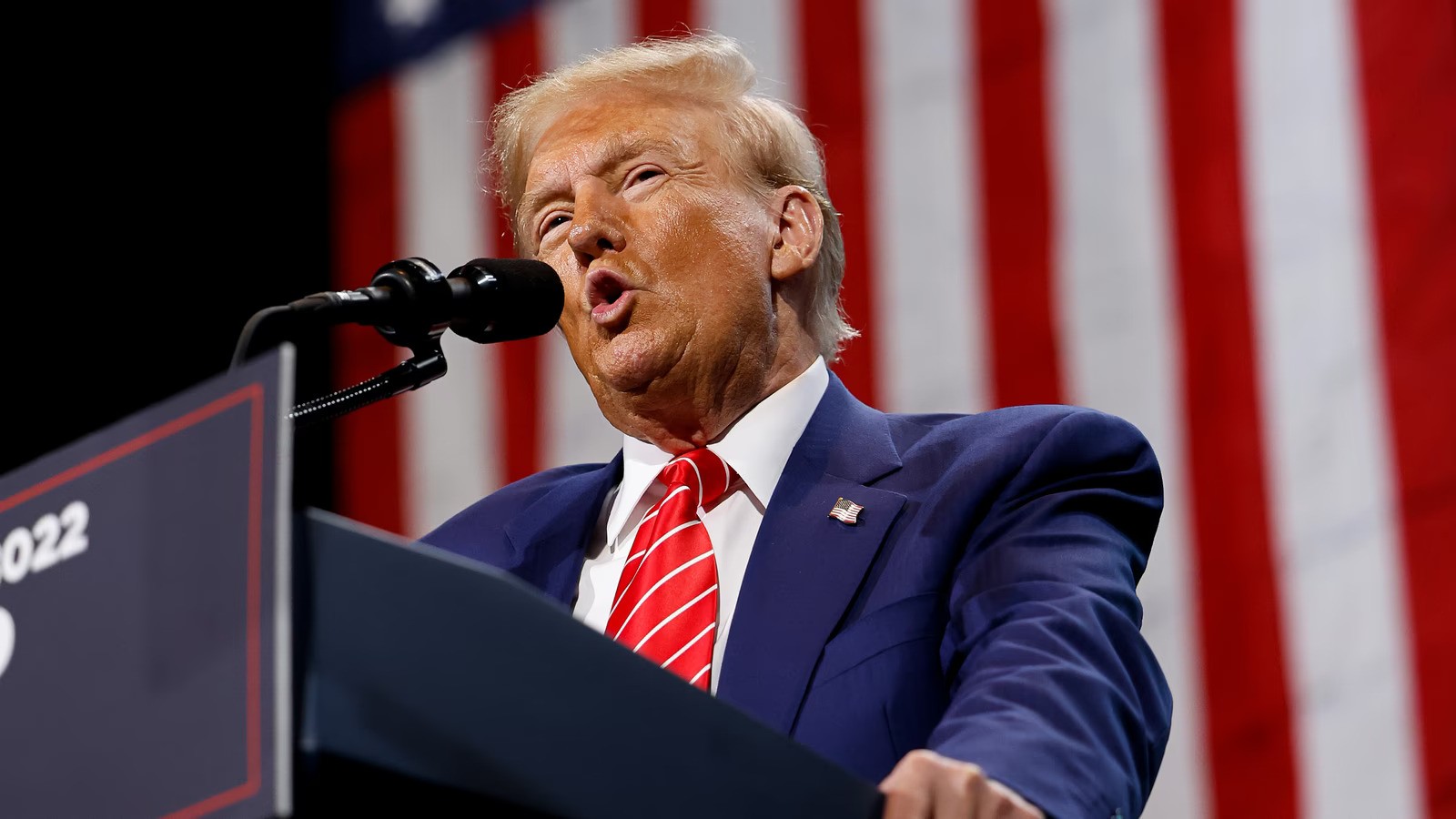
BANGKOK, June 4, 2026 — Thailand could face an additional 12.5% tariff on exports to the United States under a new proposal by the administration of U.S. President Donald Trump aimed at addressing concerns over forced labour in global supply chains.
The proposal, announced by the Office of the United States Trade Representative (USTR), would impose extra import duties on goods from 60 countries. The tariff rates would vary between 10% and 12.5%, depending on whether countries have effective measures in place to prevent imports linked to forced labour.
Thailand is among 45 countries identified for the higher 12.5% tariff rate, potentially increasing costs for Thai exporters seeking access to the U.S. market.
The measure is the latest development in a Section 301 unfair trade investigation and follows efforts by the Trump administration to restore tariff measures that were previously struck down by the U.S. Supreme Court. U.S. officials argue that goods produced with forced labour create unfair competitive advantages and place American workers at a disadvantage.
According to the USTR, a lower 10% tariff would apply to imports from countries and regions including Canada, the European Union, Mexico, Indonesia, Malaysia, Cambodia, Bangladesh, Taiwan and the United Kingdom. The agency said those jurisdictions have either implemented restrictions on forced-labour imports or adopted relevant commitments through trade agreements.
By contrast, the USTR said existing laws and enforcement mechanisms in the remaining 45 countries, including Thailand, do not sufficiently prevent imports linked to forced labour.
“The failure of some of our most important trading partners to address imports made with forced labour is unacceptable,” U.S. Trade Representative Jamieson Greer said in a statement.
“This creates a dynamic in which American workers are forced to compete globally on an uneven playing field,” he added.
The proposal also includes separate measures affecting textile and apparel imports. Under the plan, specified quantities of clothing and textile products could be allowed to enter the United States at reduced tariff rates, although detailed quotas and tariff levels have not yet been announced.
The announcement comes ahead of July 24, when a temporary 10% tariff imposed by the Trump administration in February is scheduled to expire. The same date marks the aftermath of a U.S. Supreme Court decision that overturned tariffs previously imposed under emergency economic powers legislation.
The USTR said it will accept public comments on the proposal until July 6, with hearings scheduled for July 7 before any final decision is made.
Several categories of imports would be exempt from the proposed tariffs, including energy products, rare earth minerals, selected metals, pharmaceuticals, aircraft parts, organic chemicals, beef, coffee, and certain fruits and vegetables.
If implemented, the measure could add pressure on Thai exporters at a time when the country remains heavily dependent on the United States as one of its largest export markets.