Message from Kazan: Cambodia Reaffirms Its Unchanged Stance on Resolving Border Disputes with Thailand
 Message from Kazan: Cambodia Reaffirms Its Unchanged Stance on Resolving Border Disputes with Thailand
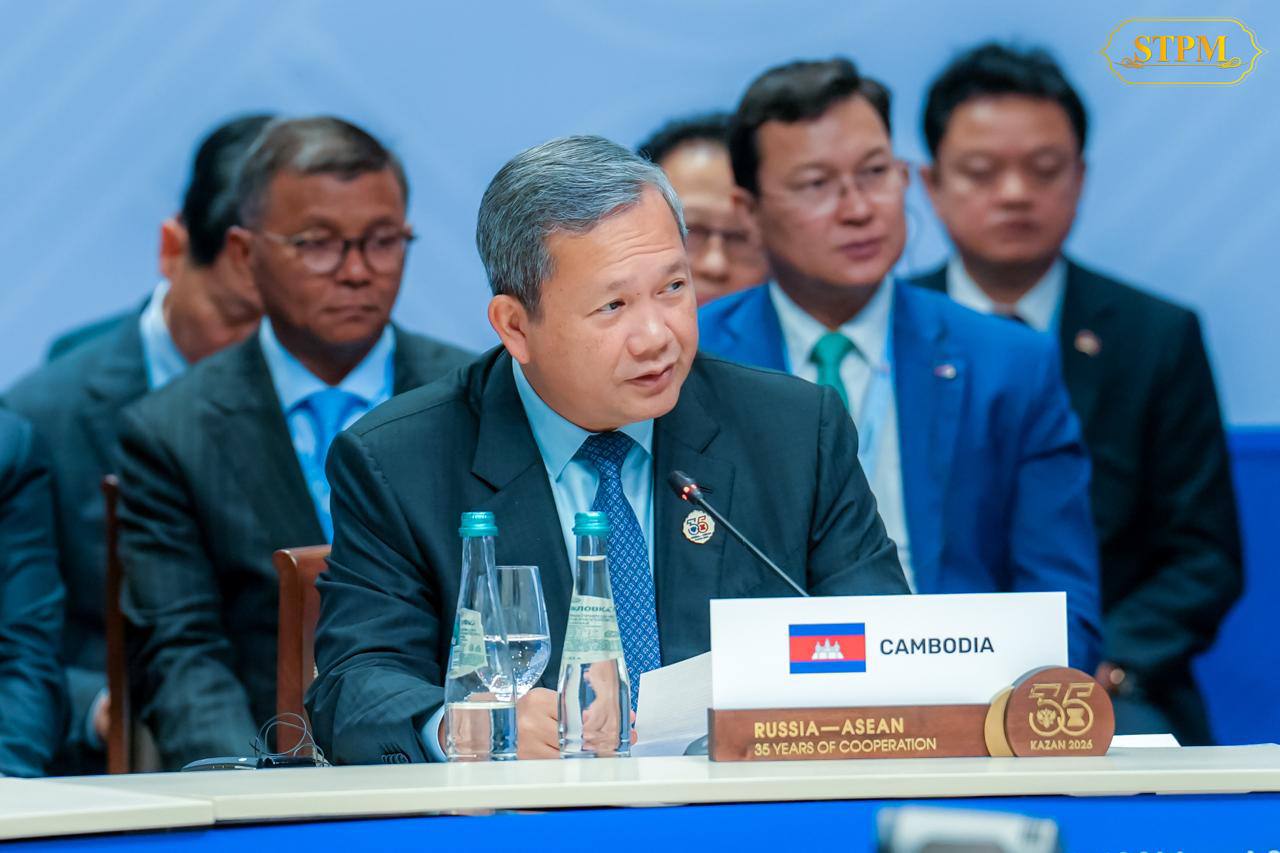
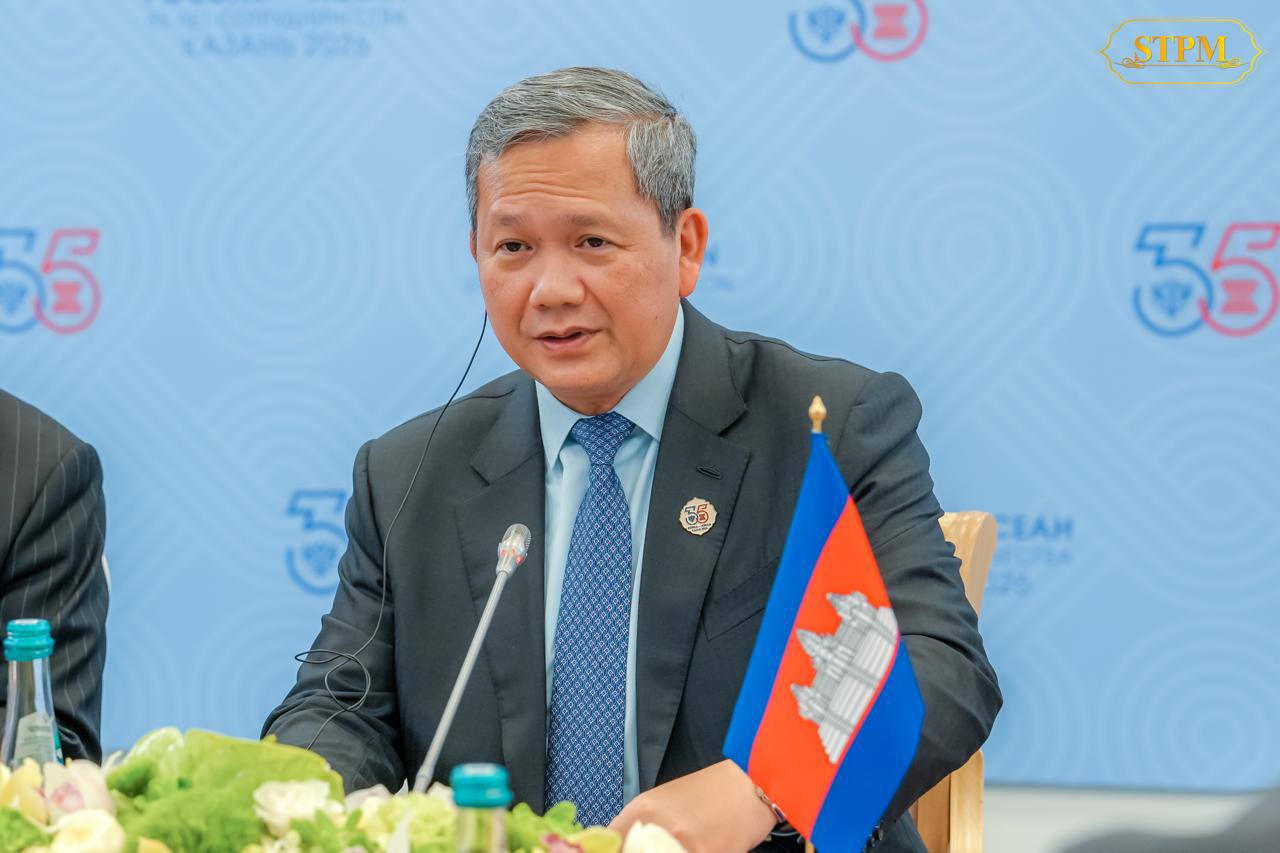
While attending a meeting in the city of Kazan in the Russian Federation, Cambodian Prime Minister Hun Manet took the opportunity to hold an informal discussion with Thai Prime Minister Anutin Charnvirakul. Although it was not an official meeting with a clearly defined agenda, the issues raised by the Cambodian Prime Minister regarding the Cambodia–Thailand border dispute clearly reflected Cambodia’s direction and position in resolving conflicts with Thailand.
What is particularly noteworthy is that Cambodia continues to adhere firmly to the principle of peaceful resolution in accordance with international law. At a time when many border disputes around the world often lead to tensions or confrontation, Cambodia’s position demonstrates that safeguarding national sovereignty should not be carried out through the use of force or power, but rather through legal mechanisms and diplomacy that are internationally recognized.
Regarding the maritime dispute, Cambodia reaffirmed that both sides will continue the process of compulsory conciliation under the United Nations Convention on the Law of the Sea (UNCLOS). This statement means that Cambodia wants the process already underway to continue without obstacles and does not want the issue to be removed from the international legal framework currently in progress. It also reflects Cambodia’s confidence and trust in legal solutions and in international institutions capable of helping mediate disputes between the two countries.
As for the land border issue, Cambodia continues to rely on bilateral mechanisms and has not yet chosen to pursue international legal action as in the maritime case. Instead, Cambodia still prioritizes the existing bilateral mechanisms, namely the Joint Boundary Commission (JBC) and the implementation of agreements previously reached by both parties. Cambodia’s call for Thailand to appoint a JBC chairperson and promptly begin surveying and demarcating the border demonstrates that Cambodia wishes to see concrete work carried out on the ground, rather than prolonged discussions without results or a clear timeline.
In particular, Cambodia emphasized Point 3 of the Joint Statement dated December 27, 2025, which both sides signed together. This indicates that Cambodia is pushing for the practical implementation of border surveying and demarcation based on previously agreed terms, rather than negotiating merely to create new agreements. This is an important point because, in international relations, trust between countries is not measured only by public declarations or commitments, but also by the willingness and actions taken to implement agreed commitments in practice.
Another point of interest is that the Cambodian Prime Minister stated there is currently no urgent need to discuss reopening land border checkpoints. This can be interpreted as Cambodia wanting to focus first on resolving the core issues already under discussion — namely border demarcation and the implementation of existing agreements — before moving on to technical matters or other measures resulting from what Cambodia describes as Thailand’s acts of aggression against Cambodian territory.
Overall, the remarks made by Prime Minister Hun Manet during the informal meeting with Anutin Charnvirakul reflected a clear policy stance. Cambodia places confidence in international law for resolving maritime border disputes, while continuing to prioritize existing bilateral mechanisms for land border issues. This not only demonstrates responsibility as a nation, but also confirms Cambodia’s desire to see Cambodia–Thailand border disputes resolved peacefully, lawfully, and sustainably for the long-term future of both countries.
By Pin Vichey
Political Science Scholar