Cambodia Details Alleged Thai Military Abuses in Meeting With OHCHR
 Cambodia Details Alleged Thai Military Abuses in Meeting With OHCHR
PHNOM PENH, 8 July 2026 — Cambodia’s human rights chief has raised allegations of serious human rights violations by the Thai military against Cambodian civilians during a meeting with the country representative of the United Nations Human Rights Office.
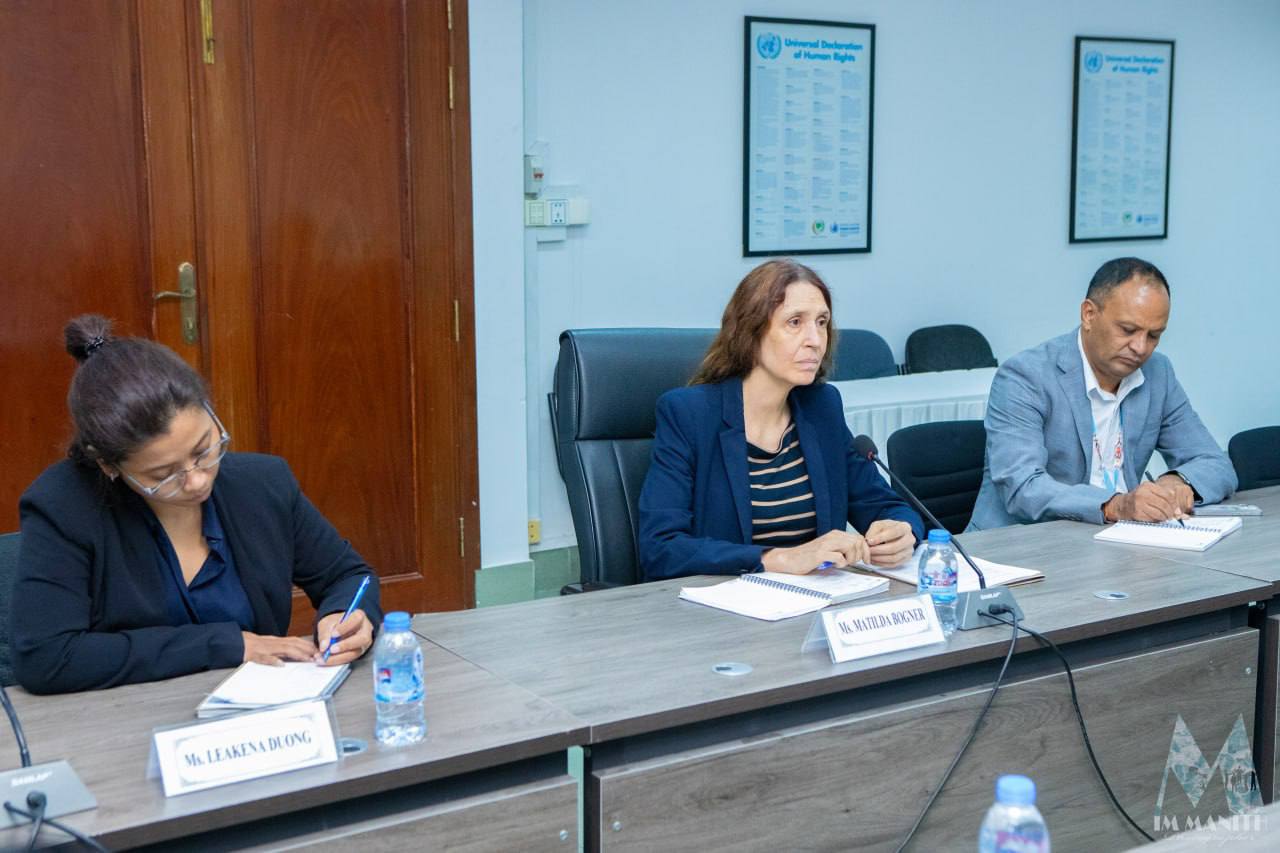
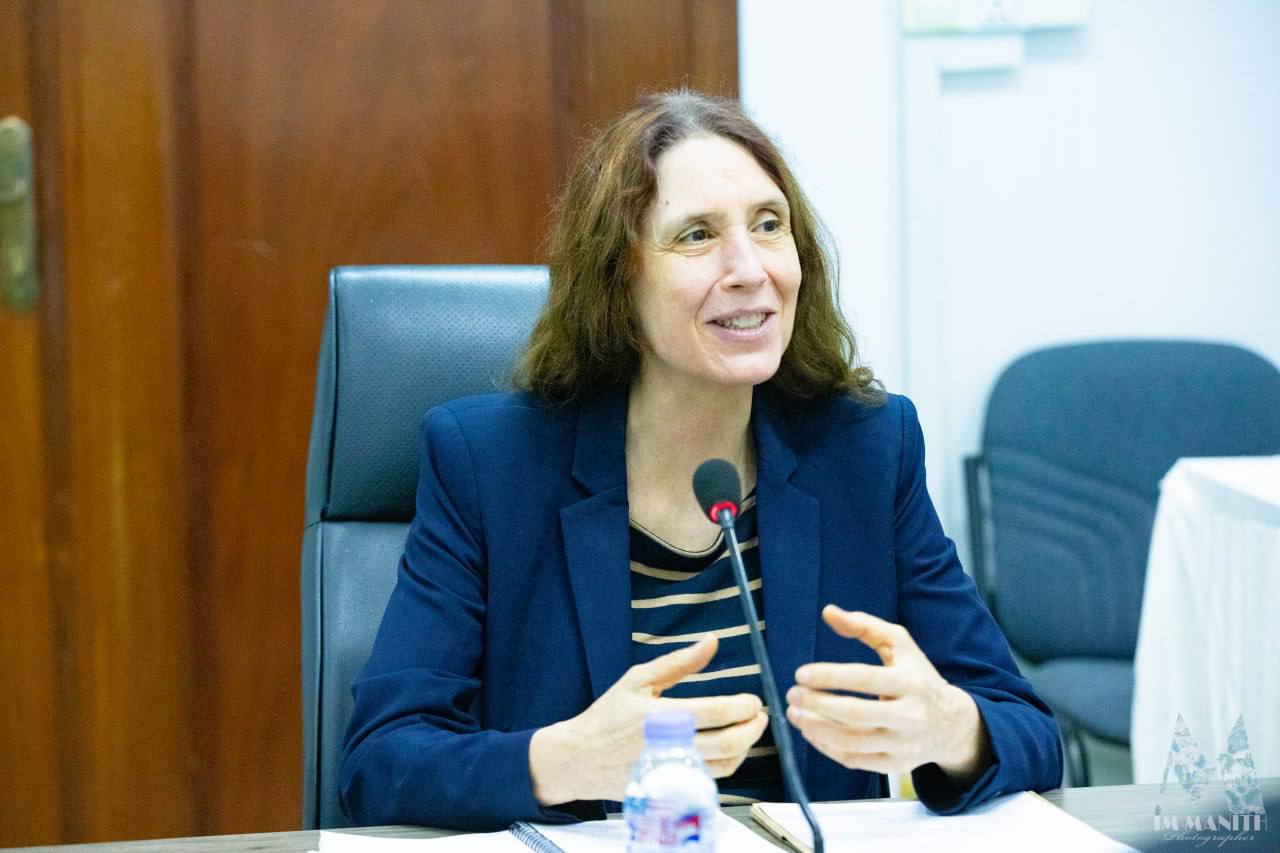
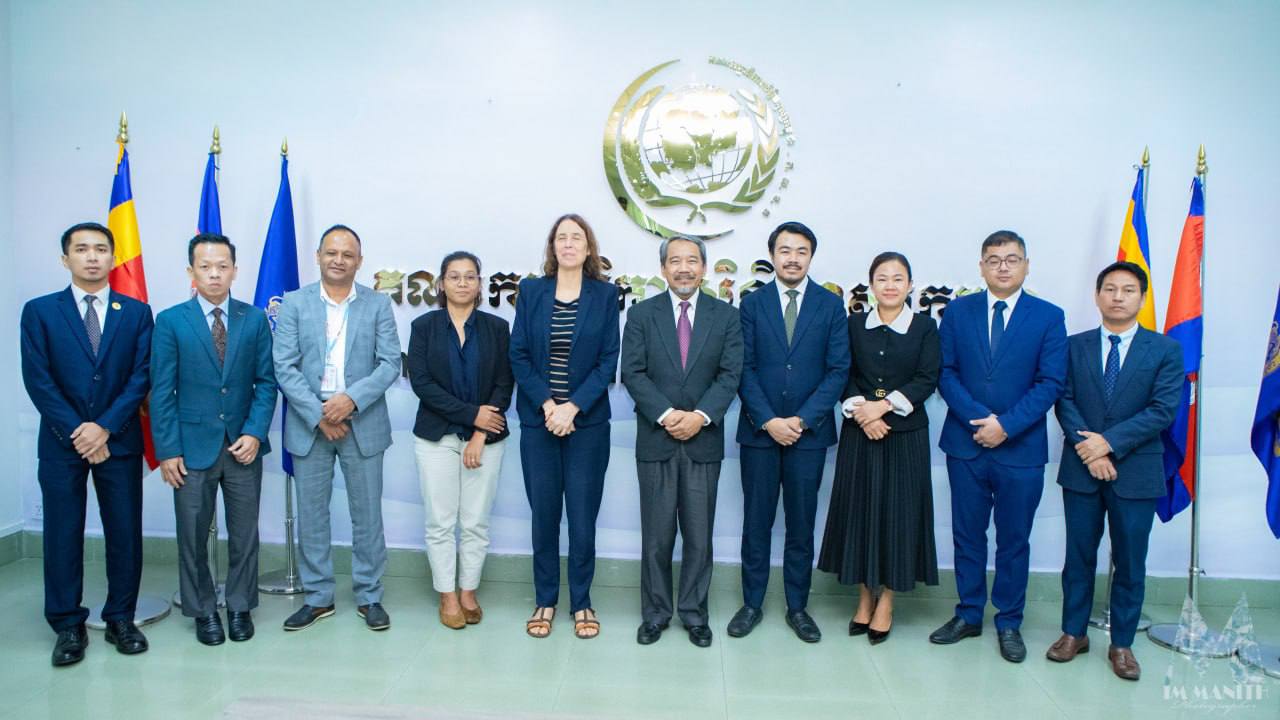
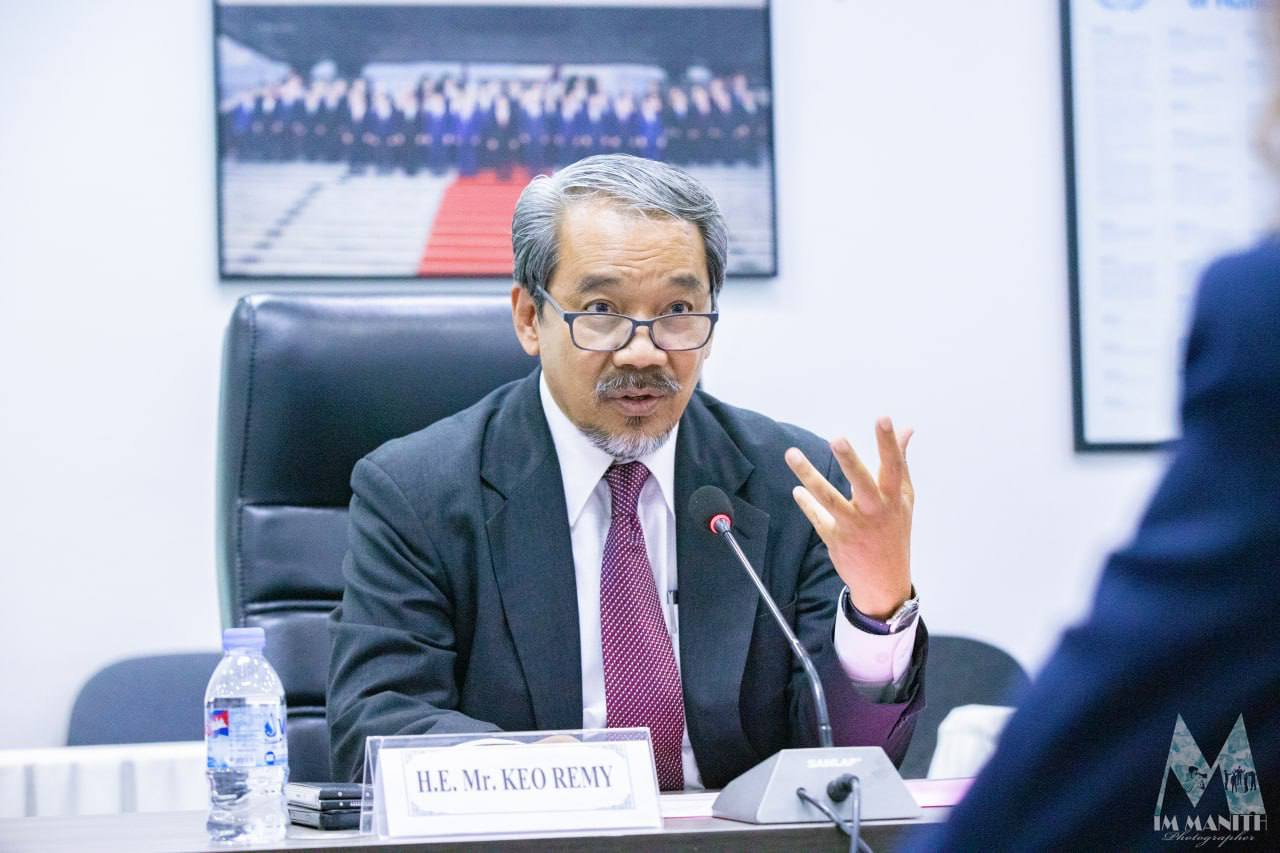
Senior Minister Keo Remy, president of the Cambodian Human Rights Committee (CHRC), presented the allegations during talks with Matilda Bogner, representative of the Office of the United Nations High Commissioner for Human Rights (OHCHR) in Cambodia, on the afternoon of 7 July 2026.
During the meeting, Keo Remy outlined what he described as serious violations of international law, international human rights law and international humanitarian law arising from the Cambodia-Thailand border conflict.
He raised concerns over alleged discrimination, threats and violence against Cambodian migrant workers living and working in Thailand.
The Cambodian rights chief also highlighted the case of a Cambodian female migrant worker who was allegedly gang-raped by Thai soldiers while returning from Thailand to Cambodia. He described the case as a grave and inhumane violation of human rights.
Keo Remy further accused Thai forces of carrying out indiscriminate attacks deep inside Cambodian territory using heavy weapons, cluster munitions, toxic smoke and F-16, Gripen and T-50 fighter aircraft.
According to the Cambodian side, the attacks caused extensive damage to private and public property, including Preah Vihear Temple, a World Heritage Site, and displaced more than 640,000 people.
The senior minister also accused Thailand of attempting to create a fait accompli in disputed areas by demolishing Cambodian homes and constructing new infrastructure in areas he said were illegally occupied.
He further alleged that Thai forces continued to occupy Cambodian territory and that Cambodian residents’ property had been looted.
Despite a ceasefire agreement reached on 27 December 2025, Keo Remy said more than 20,000 displaced Cambodians remain unable to return home because of the continued presence of Thai forces, barbed-wire barriers, shipping containers and the destruction of civilian homes.
The Cambodian rights chief also discussed Cambodia’s cooperation with France in drafting a resolution titled “Towards Universal Decriminalization of Homosexuality,” which is expected to be considered during the 62nd session of the United Nations Human Rights Council.
Bogner thanked Keo Remy for sharing the information and welcomed Cambodia’s continued efforts to promote and protect the rights of homosexual people, as well as its consideration of ratifying the Second Optional Protocol to the International Covenant on Civil and Political Rights, which seeks the abolition of the death penalty.
The OHCHR representative also said the UN human rights office had been closely monitoring the situation and had visited displaced Cambodian civilians to assess their living conditions and better understand the situation on the ground.
Keo Remy thanked OHCHR for visiting and assessing the conditions of displaced Cambodians, reiterating Cambodia’s commitment to seeking justice for its citizens and promoting universal human rights principles.