Cambodia, Russia Discuss Expanding Cooperation From Trade to Security
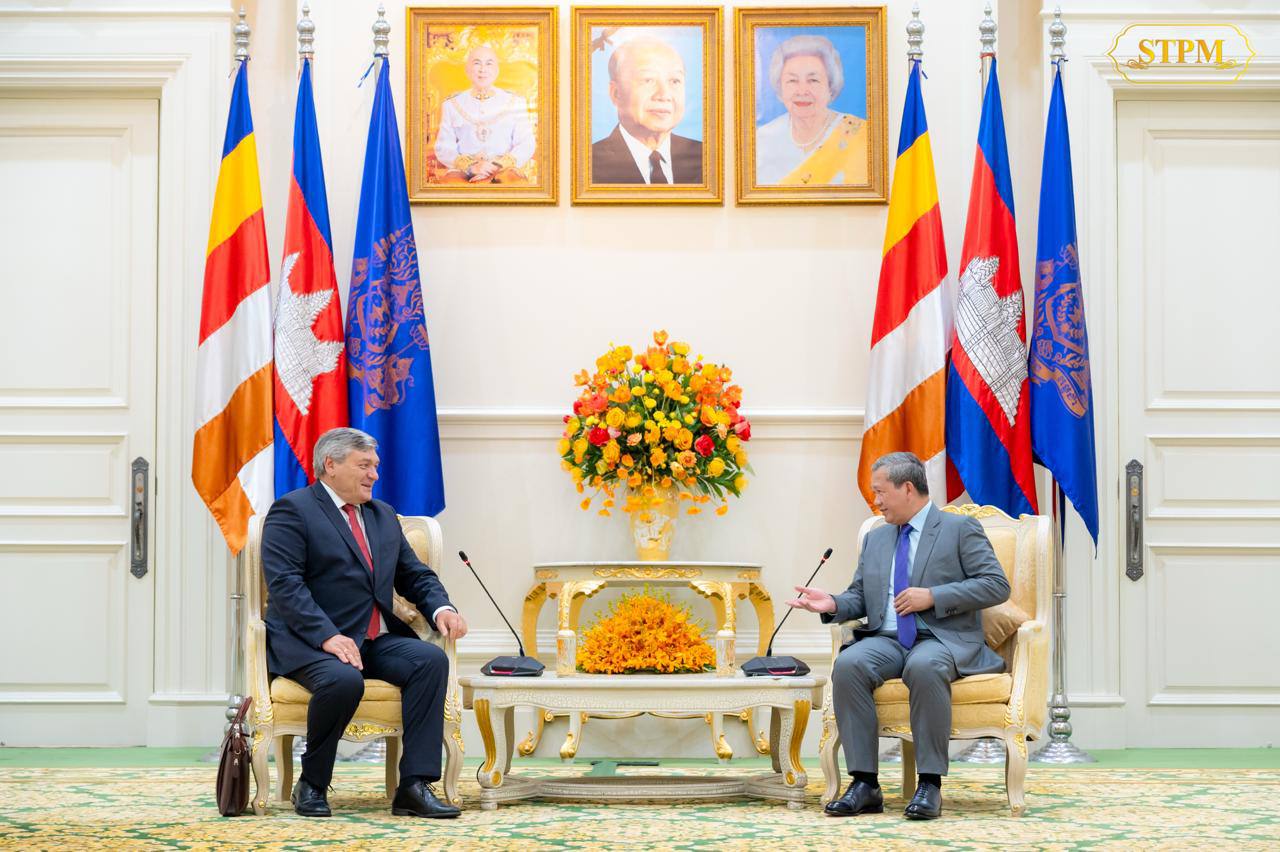 Cambodia, Russia Discuss Expanding Cooperation From Trade to Security
PHNOM PENH, 24 August 2026 — Cambodia and Russia have agreed to further strengthen bilateral relations and expand cooperation across a range of sectors, including trade, investment, education, energy, tourism, agriculture and security.
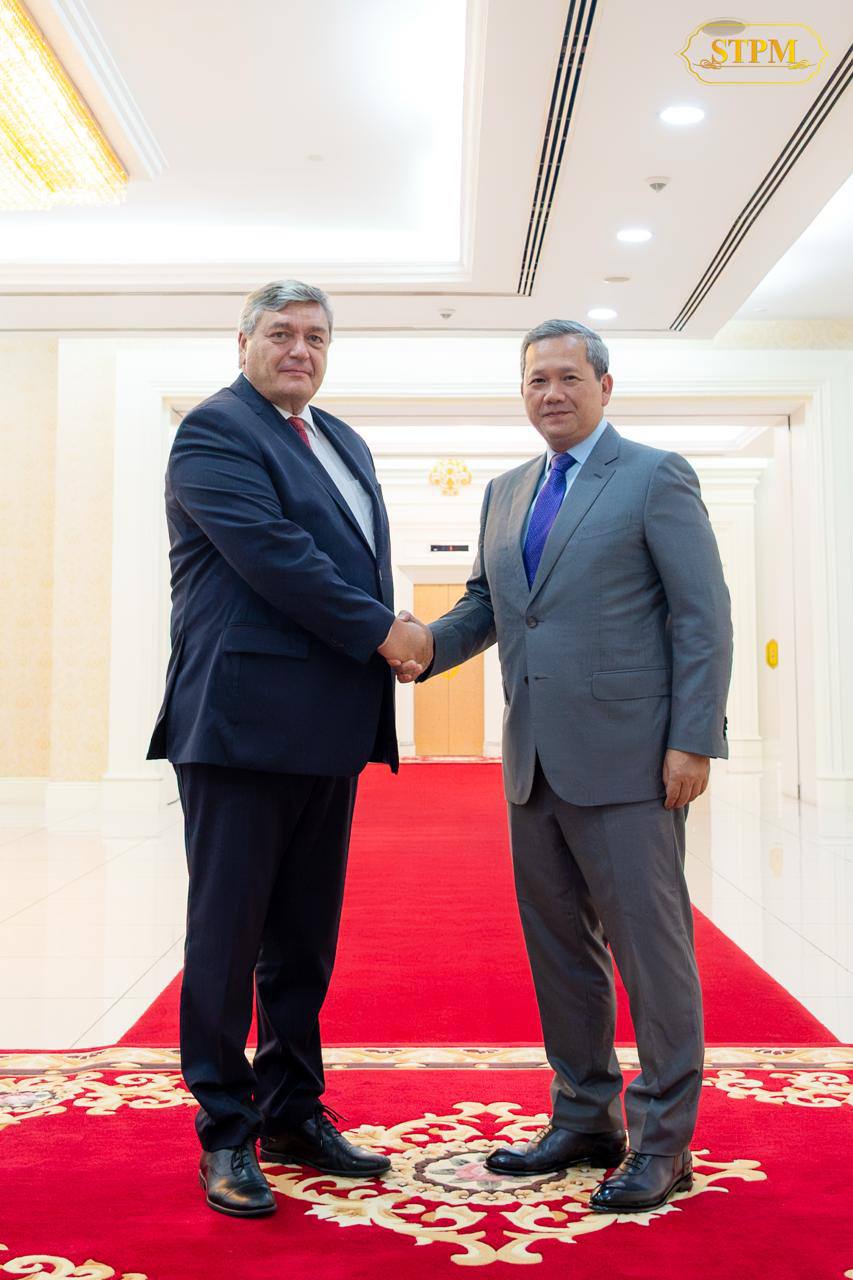
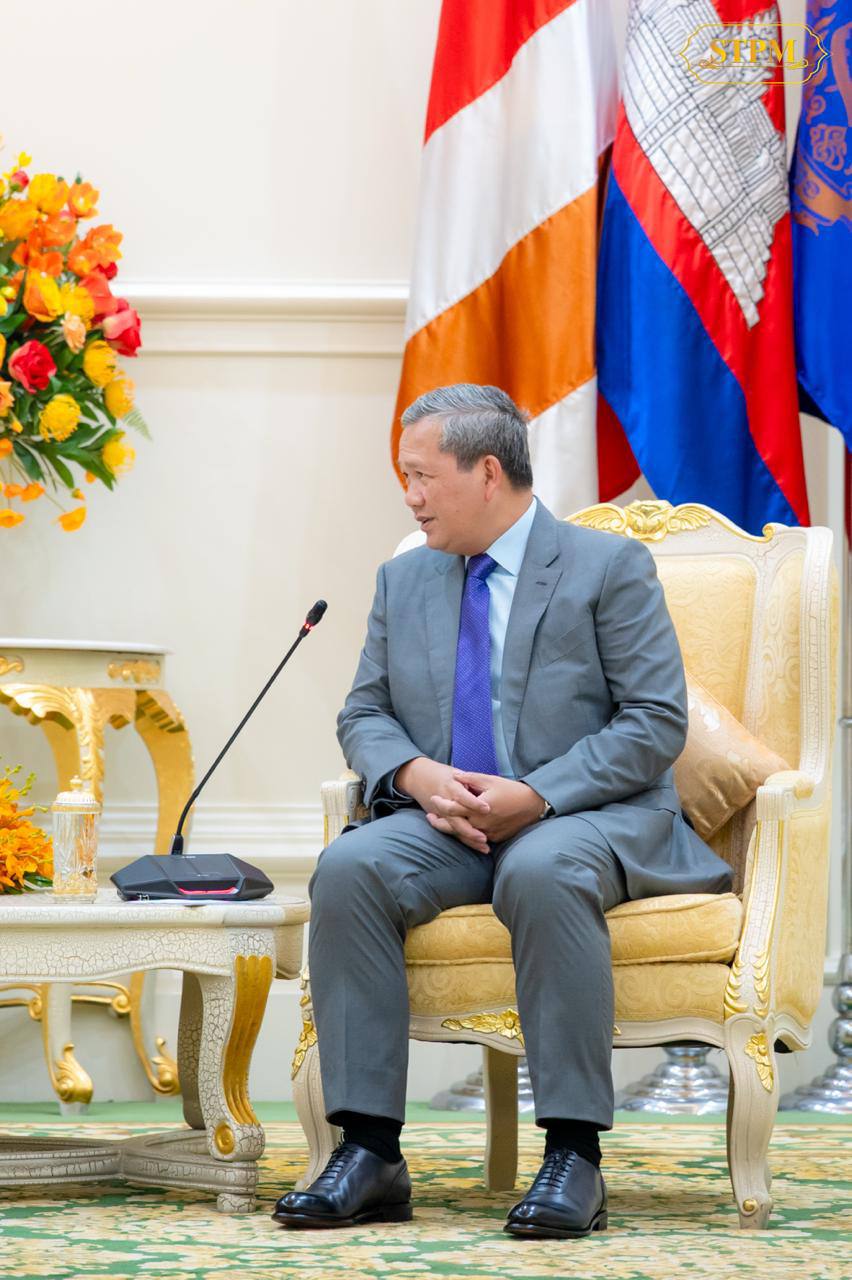
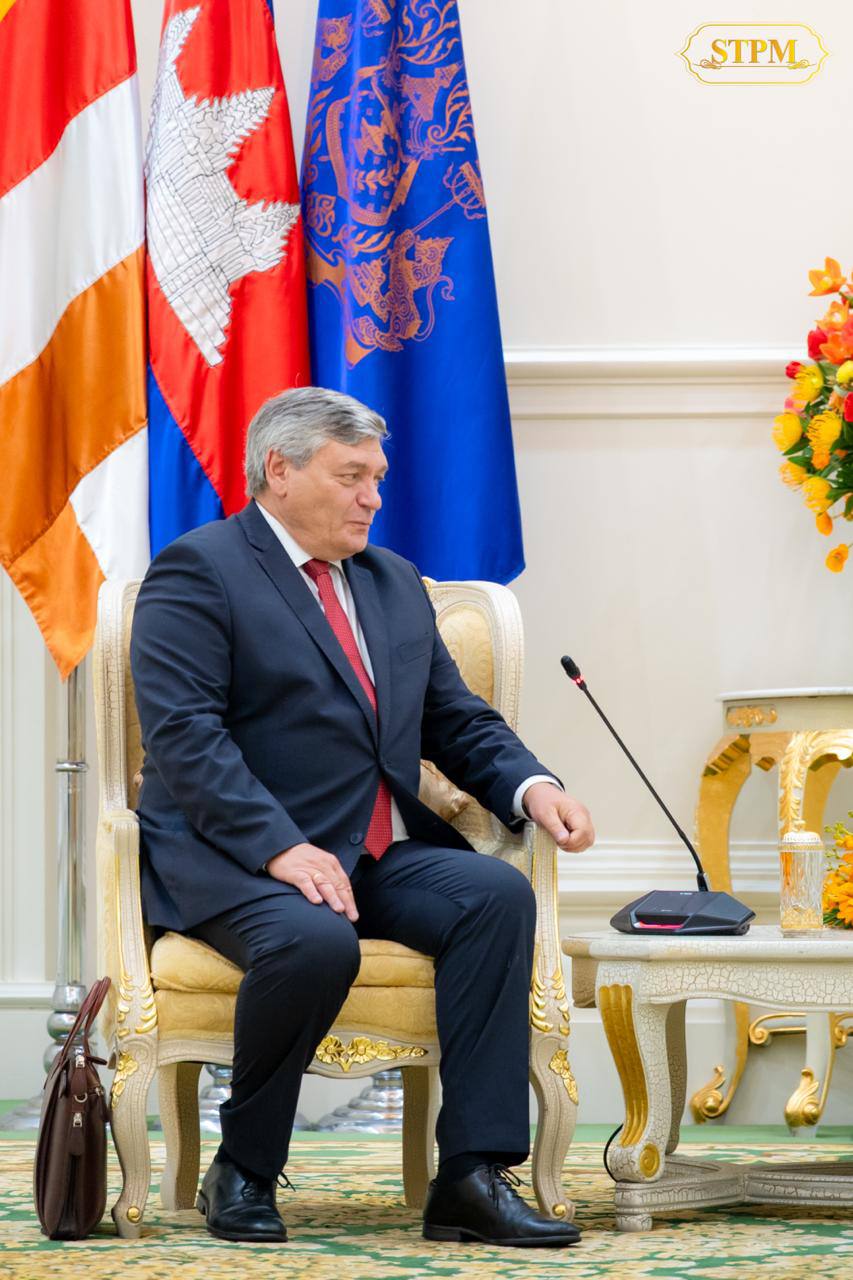
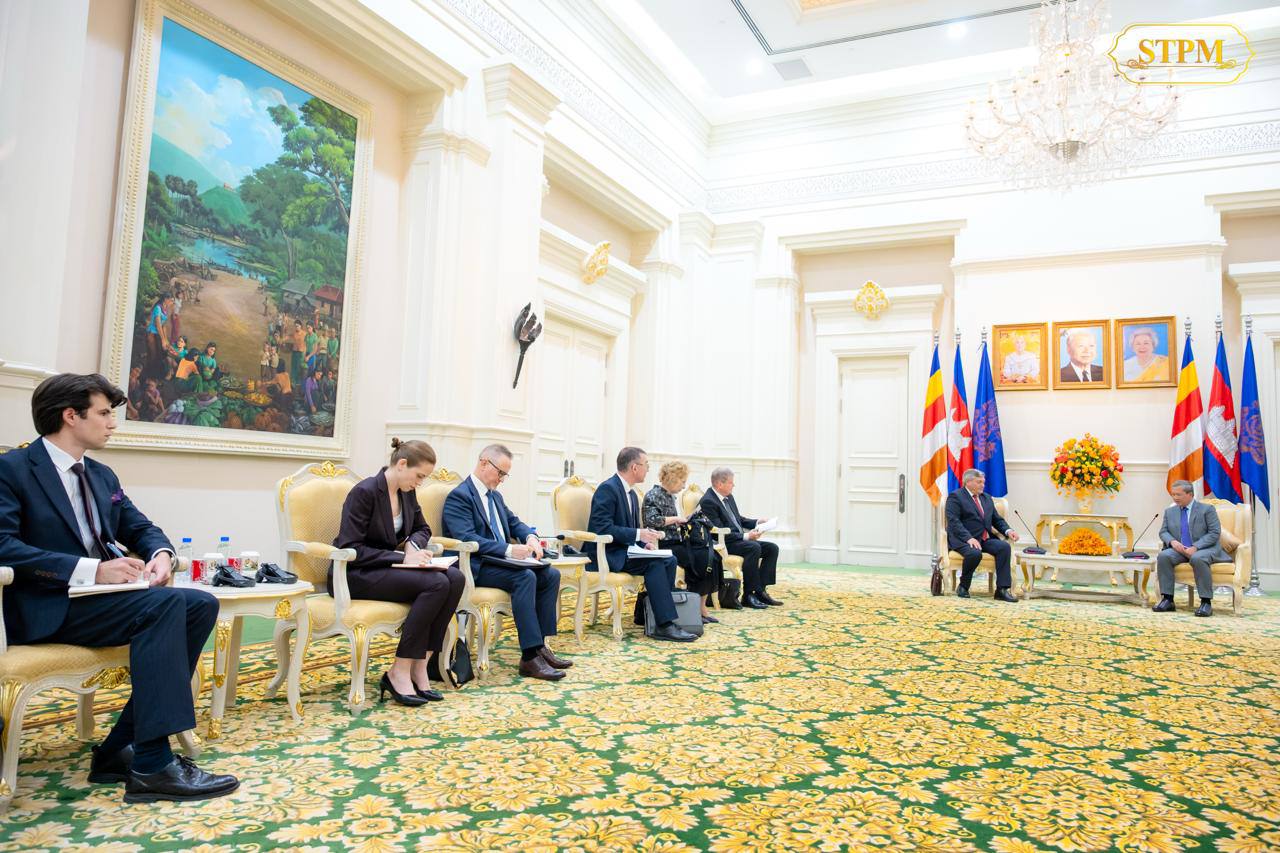
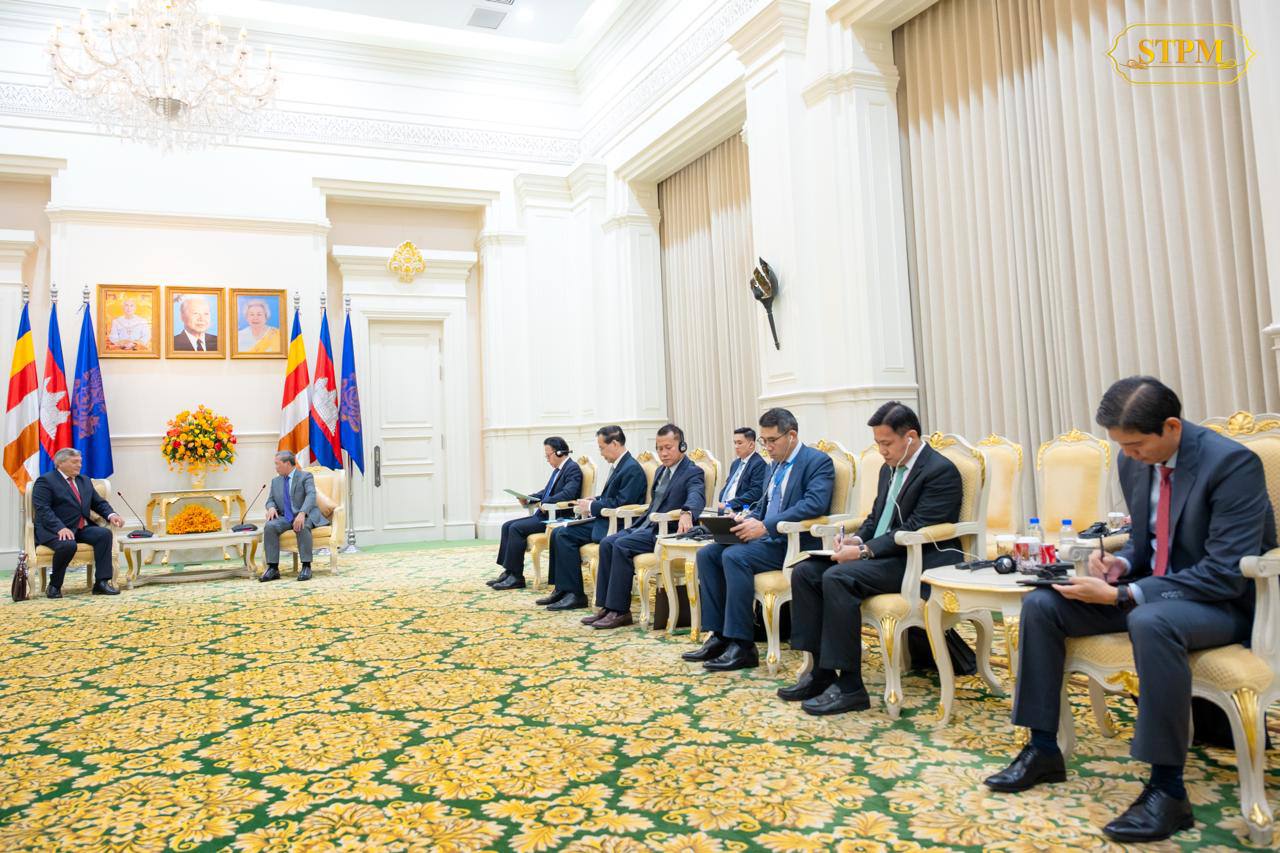
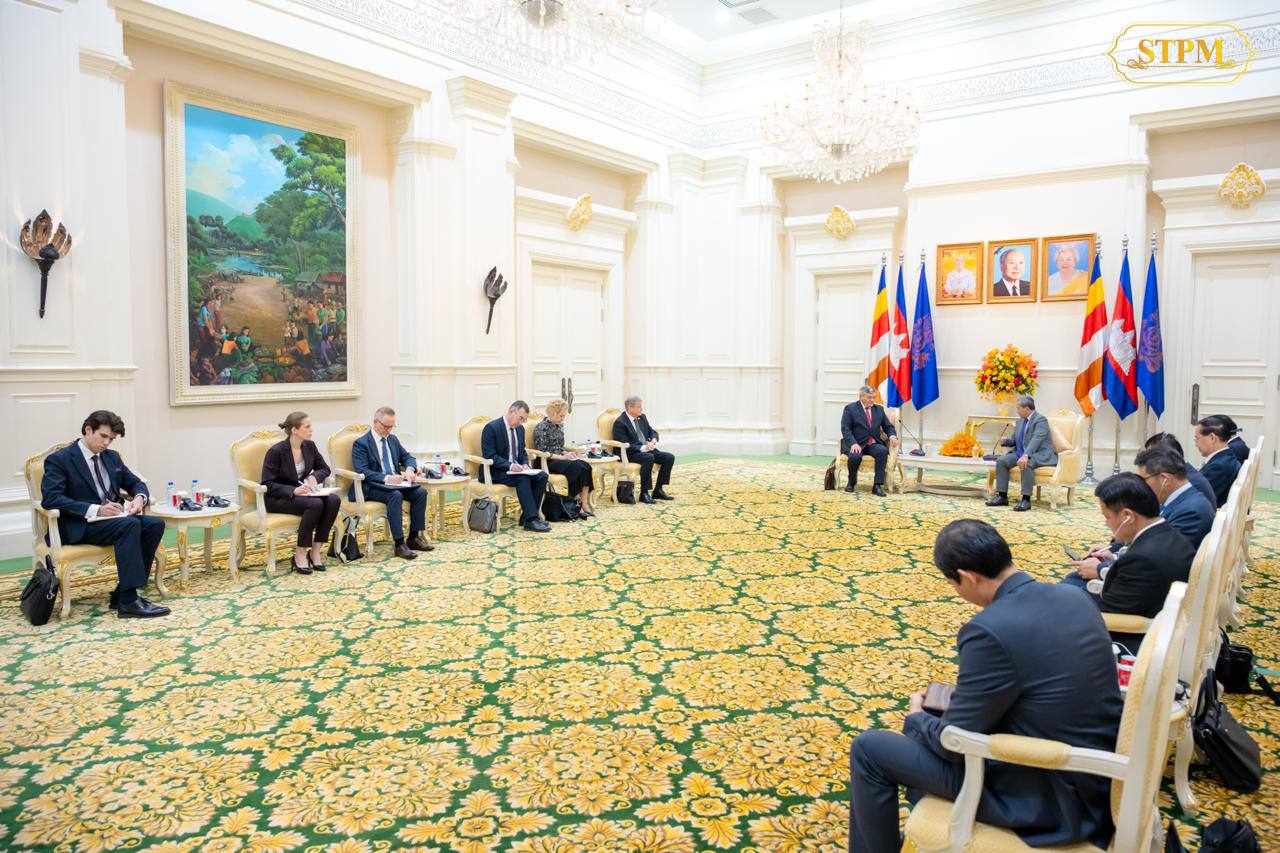
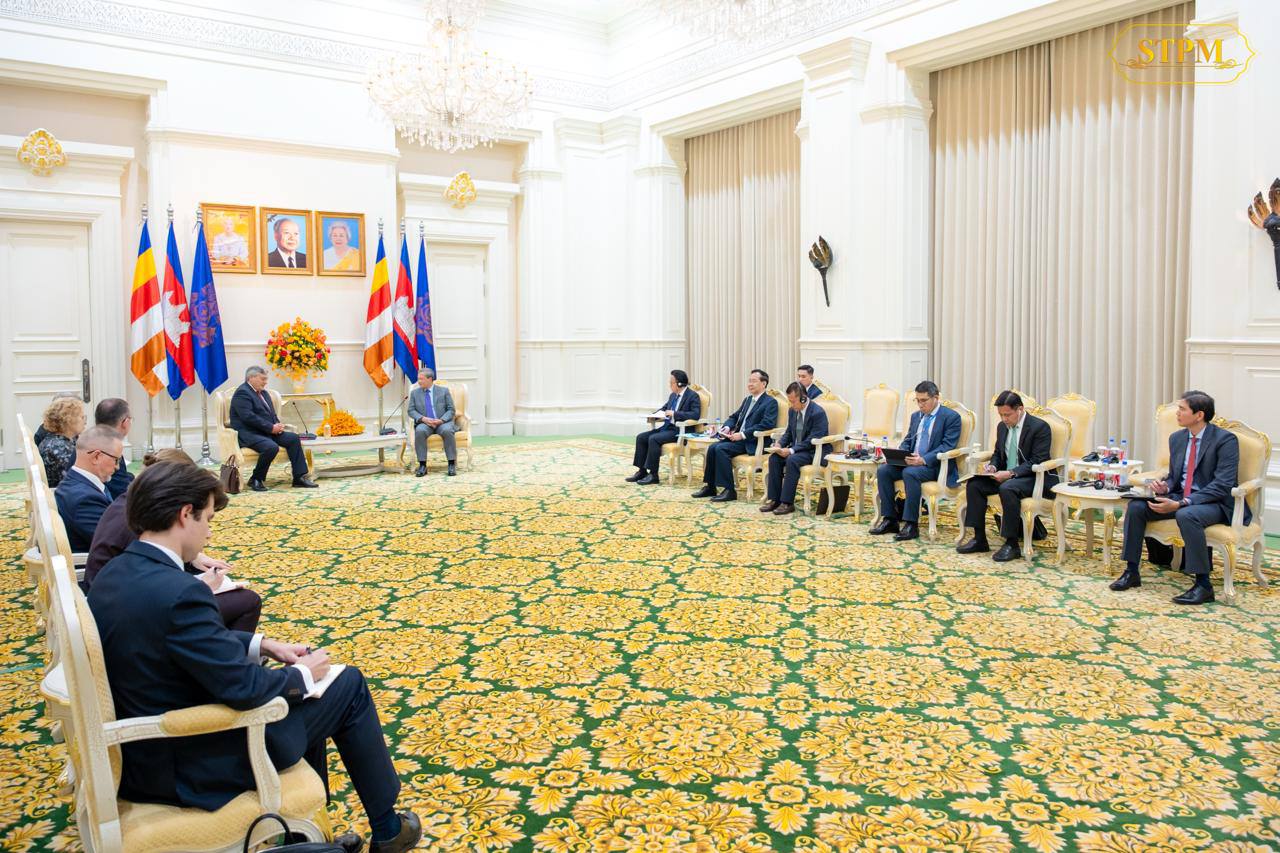
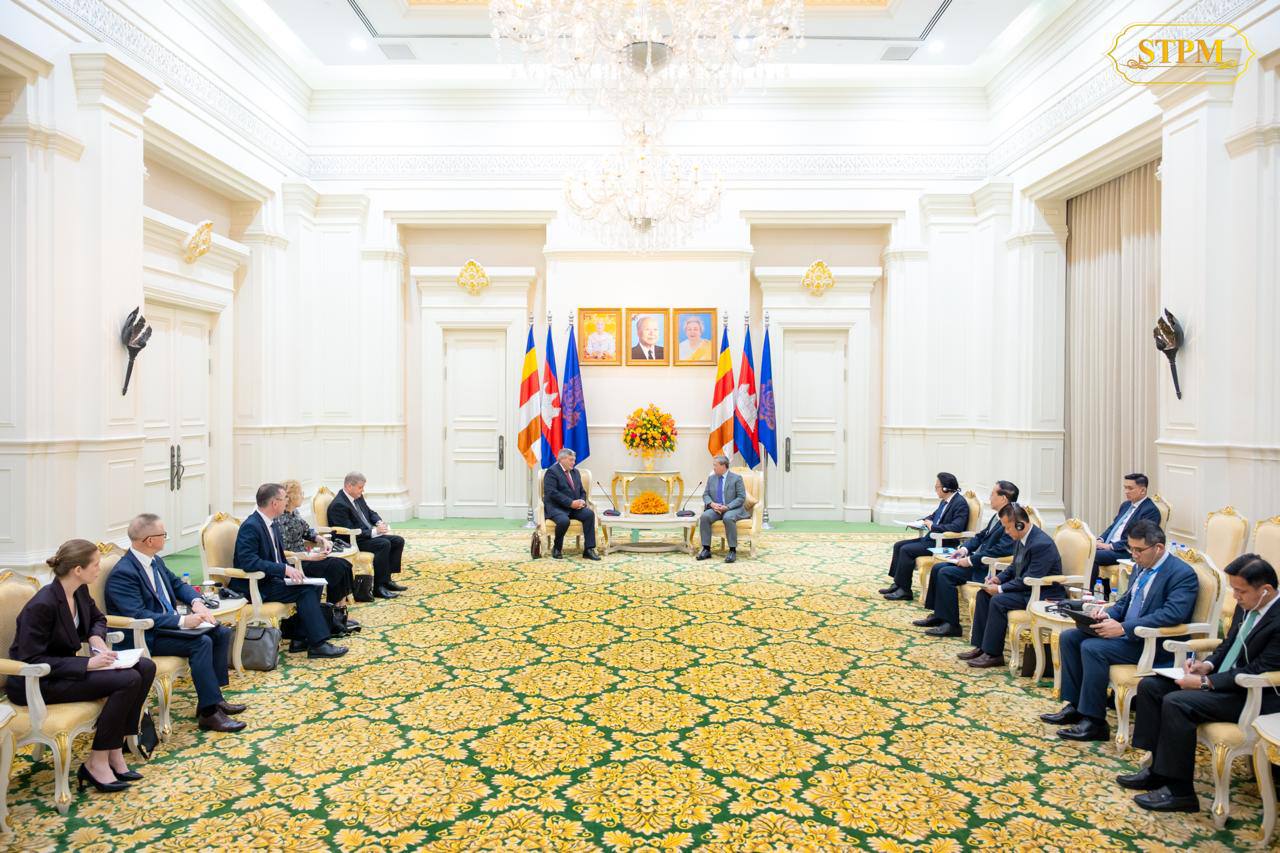
The agreement was reached during a meeting between Cambodian Prime Minister Hun Manet and Russian Deputy Foreign Minister Andrey Rudenko at the Peace Palace in Phnom Penh on Monday afternoon, Aug. 24, 2026.
Rudenko spoke highly of the longstanding relations and cooperation between the two countries, describing Cambodia as a long-term and trusted partner in the Asia-Pacific region.
He also recalled the contribution of the former Soviet Union and the Russian Federation to Cambodia’s post-liberation recovery, reconstruction and socio-economic development.
Rudenko praised Cambodia’s rapid development and expressed confidence that the Cambodian government would overcome challenges and continue improving the livelihoods of its people.
He said Russia expected bilateral relations to continue developing and called for deeper cooperation in areas with potential for further growth.
The Russian deputy foreign minister also reaffirmed Russia’s continued provision of scholarships for Cambodian students to study in Russia.
He briefed Hun Manet on the outcomes of the third bilateral consultation between the foreign ministries of Cambodia and Russia, which the two sides said would help further advance bilateral relations and cooperation.
Hun Manet thanked Russia and the former Soviet Union for their significant contributions to Cambodia’s reconstruction and socio-economic development, as well as for their continued support through scholarships for Cambodian students.
The Cambodian prime minister also welcomed the outcome of the bilateral consultations, which Cambodia hosted, and stressed the importance of continuing to elevate cooperation between the two countries to a new level.
The two sides exchanged views on expanding cooperation in key areas, including trade and investment, education, energy, people-to-people ties, tourism, agriculture, security and defense.