Cambodia Says Philippines May “Make History” in Resolving Thai Border Tensions
 Cambodia Says Philippines May “Make History” in Resolving Thai Border Tensions
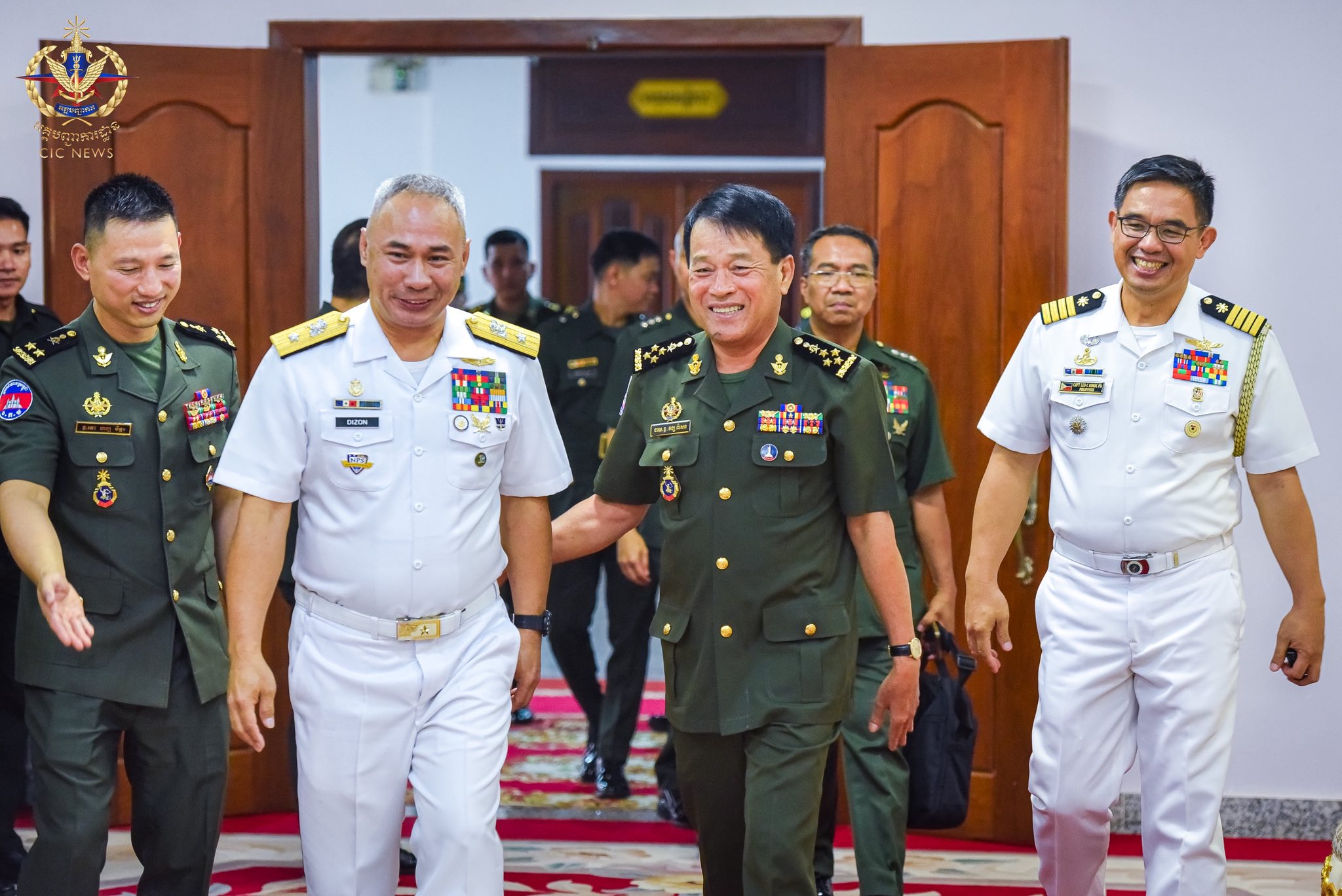
PHNOM PENH, May 6, 2026 — Cambodia’s military chief said on Wednesday he believed the Philippines could help “make history” by contributing to an end to armed tensions along the Cambodia-Thailand border, as Manila assumed leadership of the ASEAN Observer Team (AOT) mission.
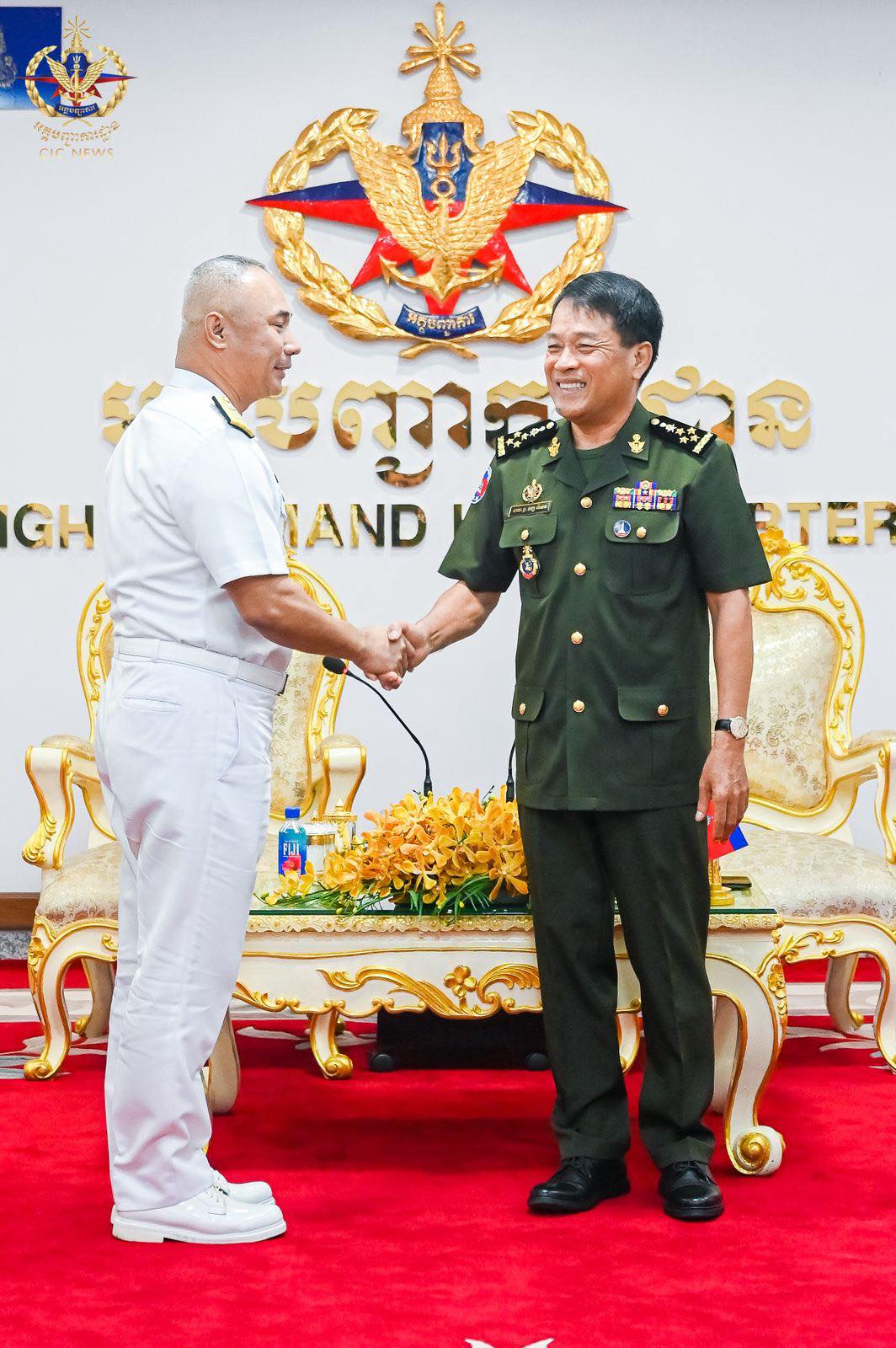
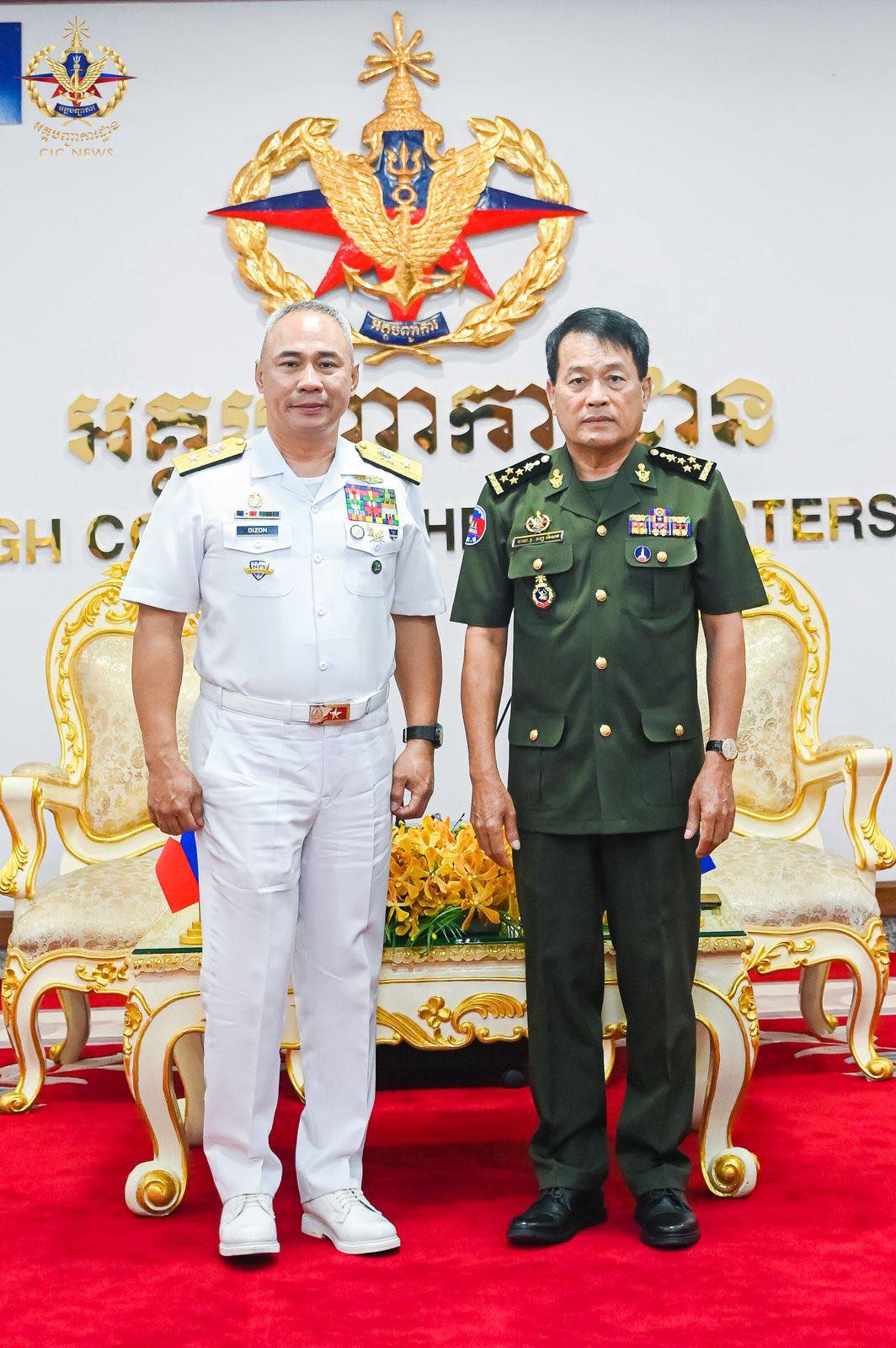
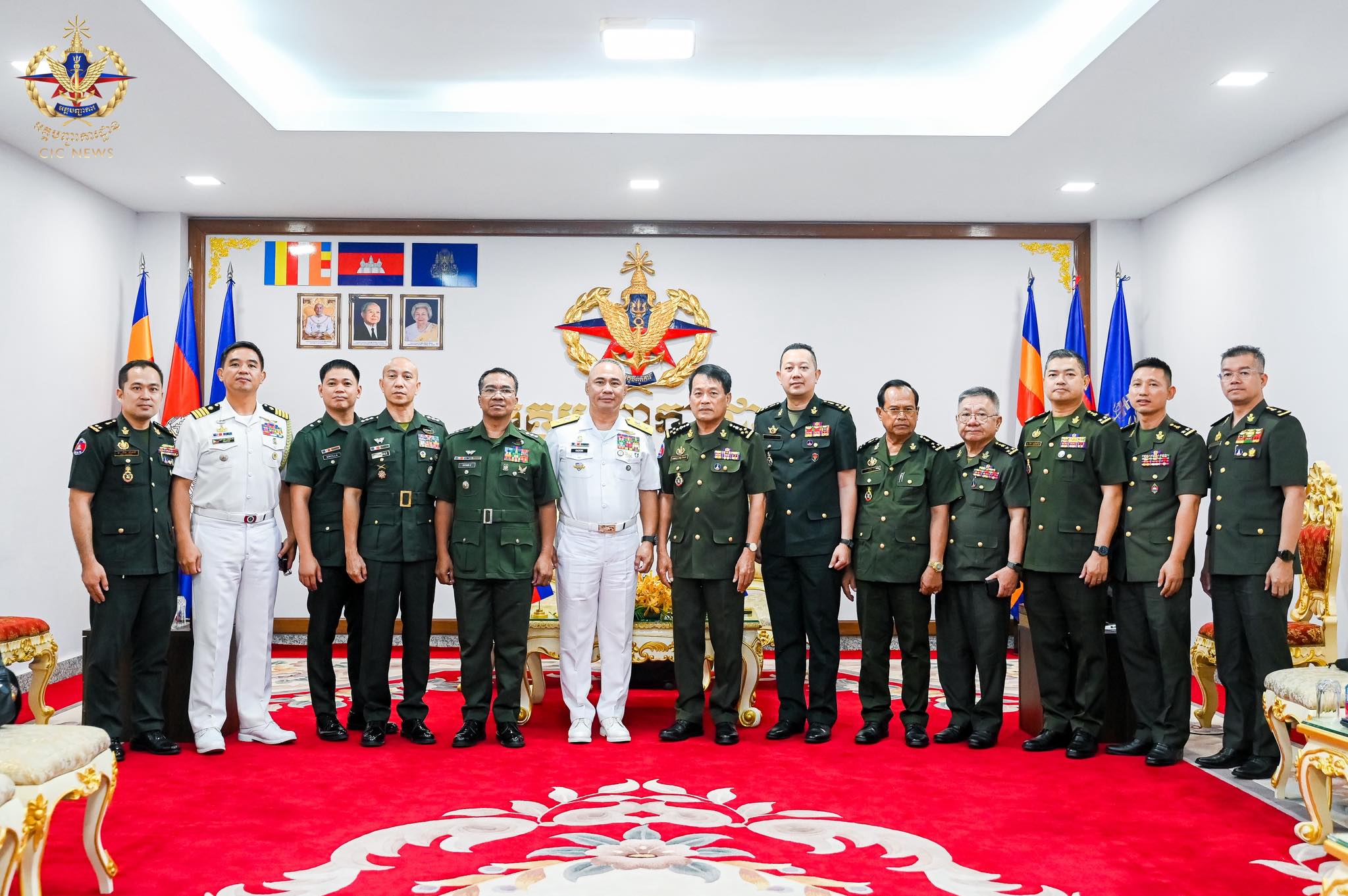
The remarks were made during a meeting in Phnom Penh between Cambodia’s commander-in-chief, General Vong Pisen, and Commodore Glenn Z. Dizon, the newly appointed Philippine head of the ASEAN Observer Team in Cambodia.
According to the Cambodian military, Dizon pledged that the Philippine-led mission would continue operating actively and impartially, while increasing patrols in disputed border areas to help prevent violations and maintain stability.
The ASEAN Observer Team is tasked with monitoring implementation of the ceasefire and related agreements between Cambodia and Thailand following armed clashes along sections of the border in 2025.
Cambodian officials said the Philippines formally took over leadership of the observer mission from Malaysia following a transition ceremony held in Manila on April 30.
During the meeting, Vong Pisen thanked ASEAN member states for supporting regional peace and stability and reaffirmed Cambodia’s commitment to resolving border disputes peacefully through international law and existing bilateral agreements.
He also reiterated Cambodia’s position that borders must not be altered through the use of force.
The Cambodian commander said Phnom Penh would continue cooperating closely with the ASEAN Observer Team during the Philippine-led mandate, expressing confidence that the mission could help achieve a lasting resolution to the Cambodia-Thailand border conflict.
The observer mission operates under agreements reached during previous Cambodia-Thailand military negotiations and is intended to promote transparency, confidence-building and ceasefire monitoring along sensitive border areas.
Tensions between Cambodia and Thailand escalated in 2025 following armed incidents along disputed frontier zones, prompting ASEAN involvement and the deployment of regional observers to help stabilize the situation.