Hun Manet Says Zero Export Tax Helps Cambodian Tire Industry Grow
 Hun Manet Says Zero Export Tax Helps Cambodian Tire Industry Grow
TBONG KHMUM, May 27, 2026 — Prime Minister Hun Manet said Cambodia does not impose export taxes on locally manufactured vehicle tires, stressing that the policy is intended to strengthen the competitiveness of Cambodian products in international markets and support domestic rubber farmers.
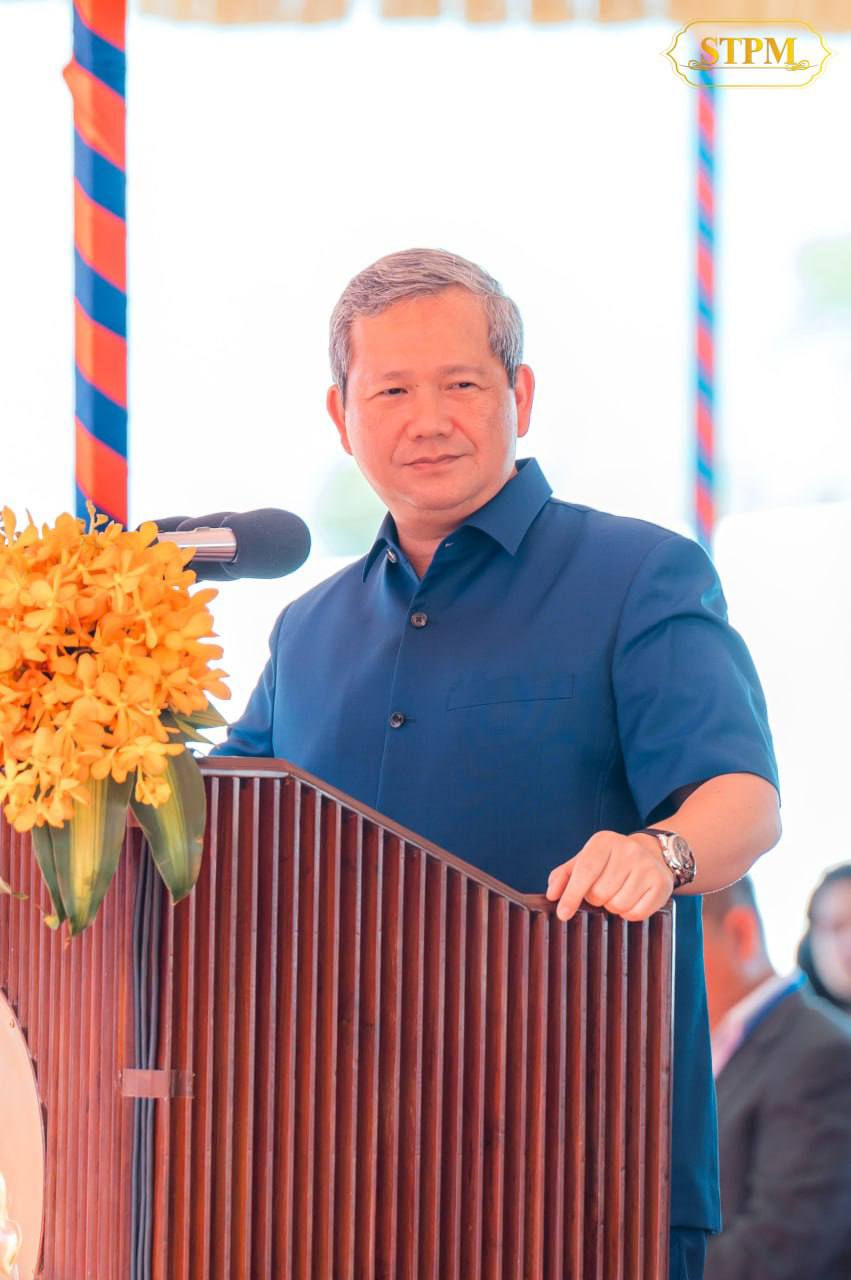
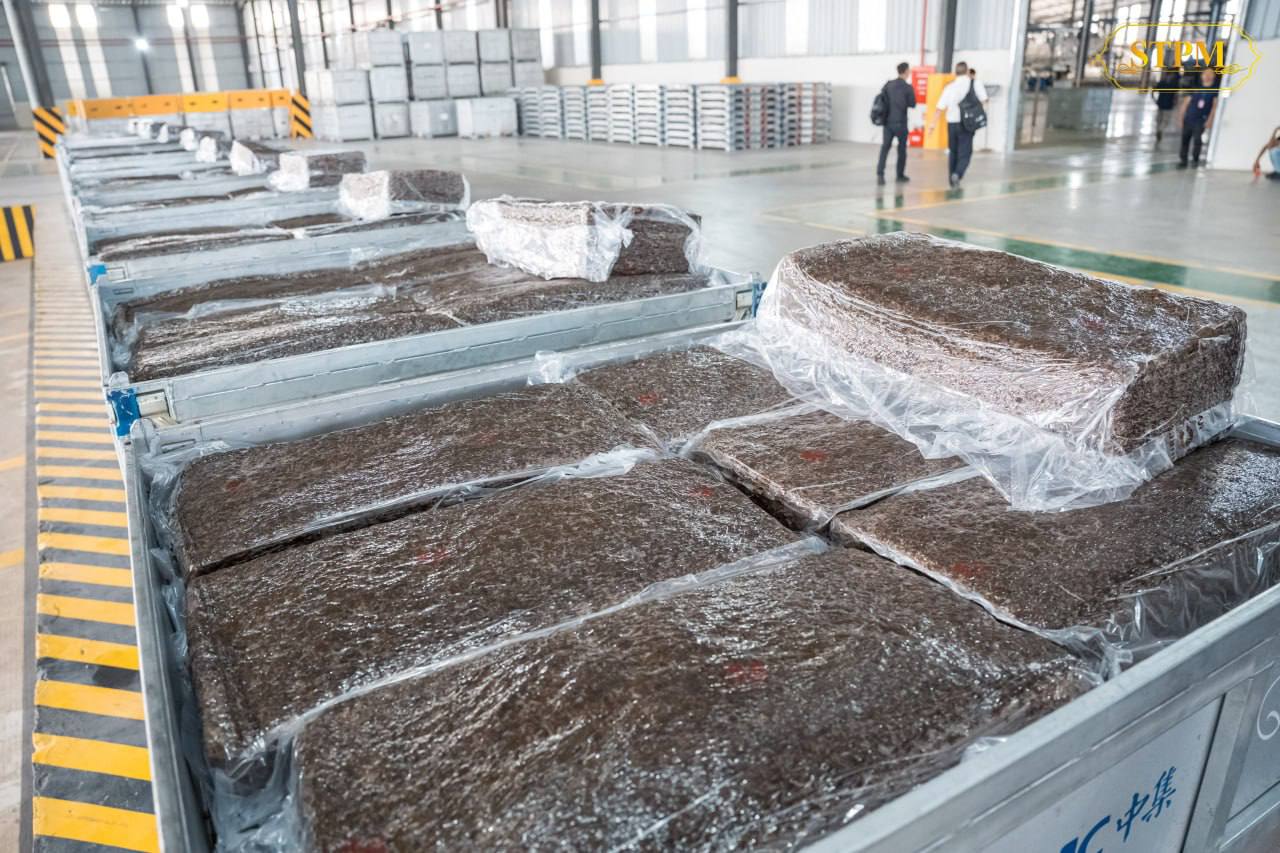
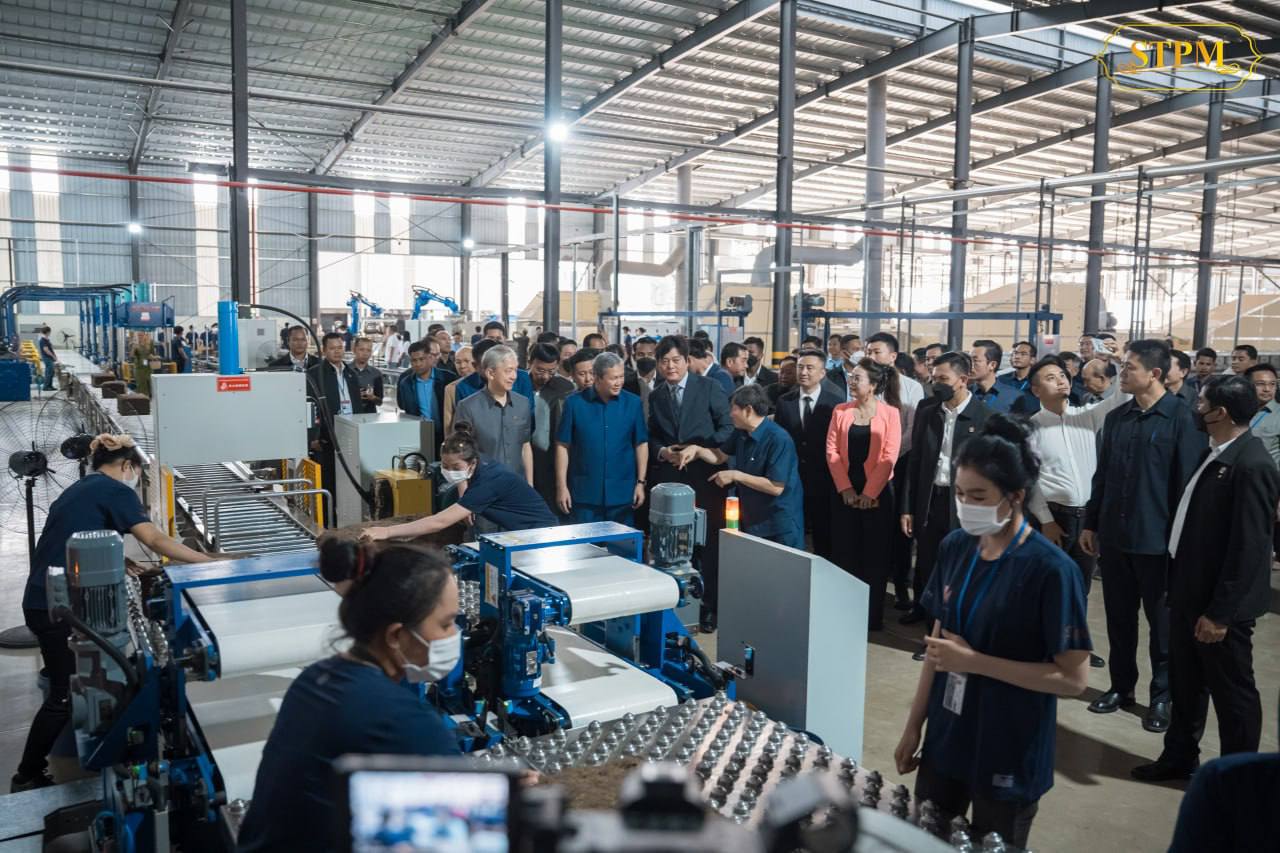
Speaking during the inauguration ceremony of the Kim’s Rubber (Cambodia) processing factory in Tbong Khmum province on Wednesday, Hun Manet said the government deliberately waived export taxes on tire products to help manufacturers reduce costs and improve profits.
“Even finished products like vehicle tires exported abroad are not subject to export tax. We waive the tax so these products can compete internationally,” the prime minister said.
He added that when factories remain profitable and competitive, they are better positioned to purchase rubber from Cambodian farmers at higher prices, creating wider economic benefits for the agricultural sector.
Hun Manet emphasized that the government prioritizes broader economic gains over short-term state revenue collection, saying policies that improve people’s livelihoods and stimulate economic activity ultimately benefit the country as a whole.
According to official figures, Cambodia exported more than US$472 million worth of vehicle tires during the first three months of 2026, an increase of 42.37% compared with the same period in 2025. The United States remained the largest export market, importing more than US$358 million worth of Cambodian-made tires.
For the whole of 2025, Cambodia’s tire exports reached approximately US$1.38 billion, marking a 57.86% increase from 2024.
The rapid growth has been driven largely by increased foreign investment in Cambodia’s tire manufacturing industry, supported by government investment incentives and the country’s expanding rubber production sector.