Thailand Faces US Tariff Risk as Washington Probes Factory Capacity and Chinese Transshipment
 Thailand Faces US Tariff Risk as Washington Probes Factory Capacity and Chinese Transshipment
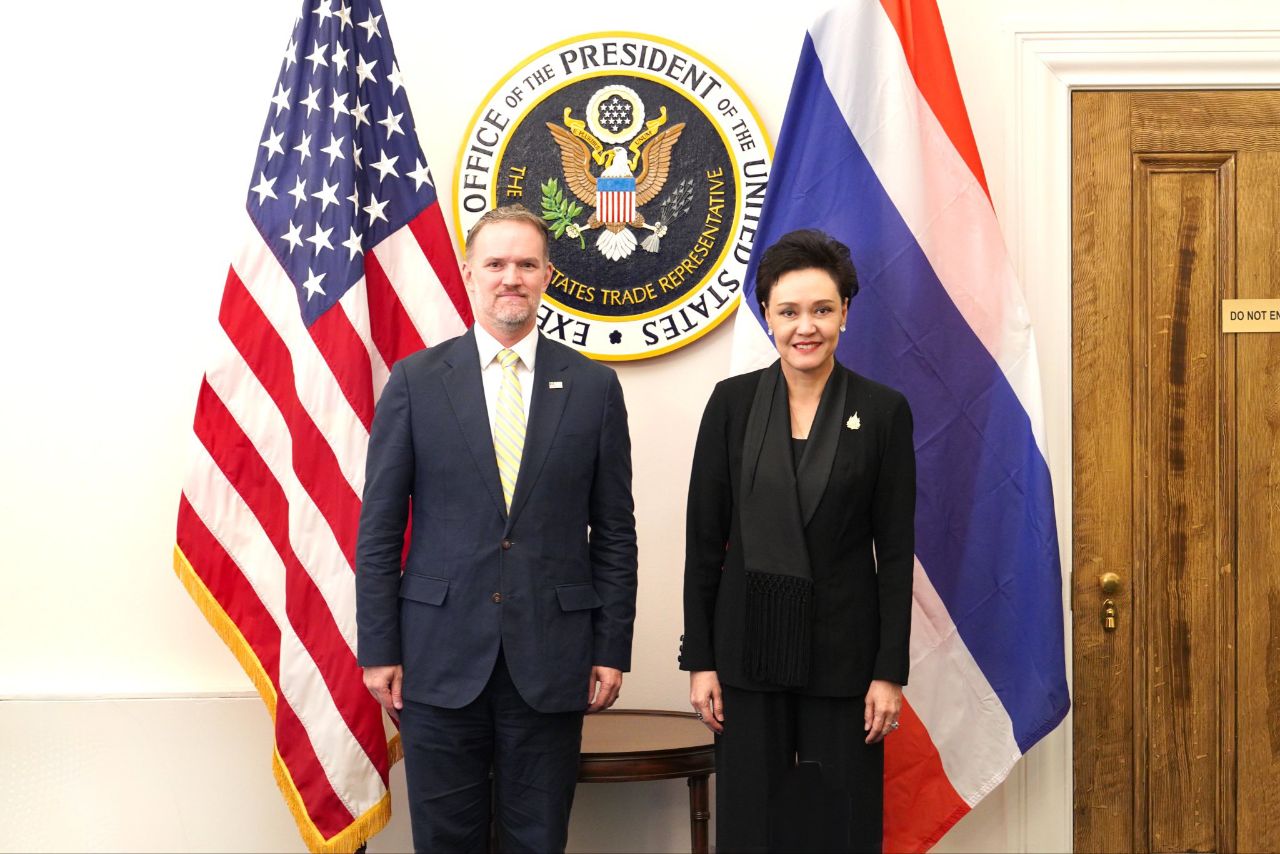
BANGKOK, Oct. 4, 2026 — Thailand’s efforts to secure a favourable trade agreement with the United States are facing additional pressure as Washington examines the country’s manufacturing capacity, growing trade surplus and possible transshipment of Chinese goods through Thailand.
US concerns include data suggesting that Thailand’s manufacturing capacity utilisation has fallen below 60%, raising questions in Washington about industrial overcapacity and the potential impact of Thai exports on the US market.
Thailand disputes whether those national figures accurately represent factories producing goods for the American market.
The Commerce Ministry has collected data from major exporters shipping to the US over a period of one to two months and found that the relevant factories were operating at approximately 75% to 90% capacity, according to Thai officials.
Officials argue that older national statistics included businesses that had already ceased operations while failing to capture newer factories. Thailand is now revising its Manufacturing Production Index, while also providing Washington with targeted data on major US-bound exporters ahead of the US decision.
Rising Trade Surplus Adds Pressure
Thailand’s growing trade surplus with the United States is another issue attracting Washington’s attention.
Thailand ranked 11th among countries with trade surpluses with the US in the second quarter of 2025. It moved to seventh by the end of that year and reached fifth during the first six months of 2026.
The increase has added to US scrutiny of Thailand’s trade relationship with America as Bangkok seeks to complete the proposed Agreement on Reciprocal Trade (ART).
Chinese Transshipment Under US Scrutiny
Washington is also examining the possibility that Chinese goods could be illegally transshipped through third countries, including Thailand, to enter the US market.
However, Chinese ownership or investment in Thai factories does not by itself establish illegal transshipment. Thai factories can legitimately produce goods using Chinese capital, technology or components, provided the products meet the applicable rules of origin.
The key issue for US authorities is therefore whether goods claiming Thai origin actually satisfy the relevant origin requirements.
Thailand has increased inspections aimed at detecting false certificates of origin and has provided Washington with information from those inspections.
For Thai businesses — particularly manufacturers that source components or materials from China — maintaining clear records of product origin and strong compliance procedures is expected to become increasingly important as US scrutiny intensifies.
Thailand Seeks Protection From Additional Tariffs
According to Commerce Minister Suphajee Suthumpun, Washington has indicated that any tariffs imposed over excess industrial capacity would be applied on a fair and competitive basis.
However, such an assurance does not amount to a publicly guaranteed ceiling on Thailand’s overall tariff exposure in the US market.
Thailand is therefore seeking to finalise the ART while attempting to ensure that separate US trade measures do not push tariffs on Thai exports beyond the level that Thai officials consider commercially viable.
The negotiations come as Bangkok faces the challenge of demonstrating that its exports to the United States are supported by genuine domestic production and compliant supply chains, while addressing Washington’s concerns over trade imbalances and possible Chinese transshipment.