
Thailand Floods Kill 19 and Disrupt 49 Health Facilities as Hospitals Face Rising Risks
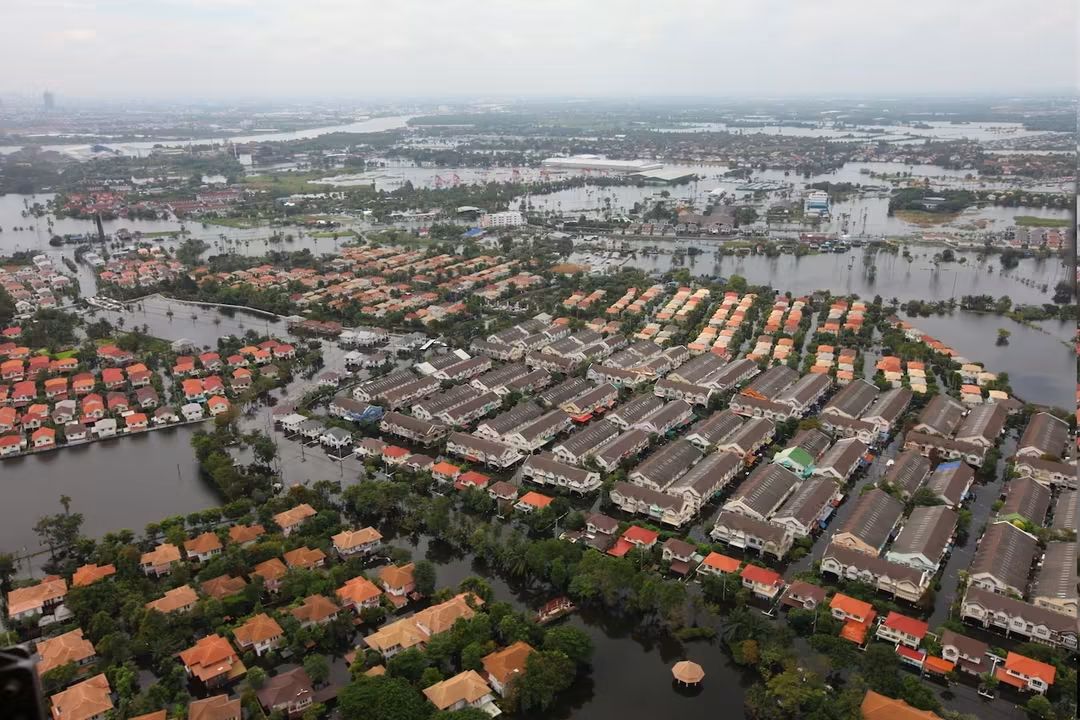 Thailand Floods Kill 19 and Disrupt 49 Health Facilities as Hospitals Face Rising Risks
BANGKOK, Sept. 29, 2026 — Thailand’s worsening floods have killed at least 19 people and affected 49 health facilities across 23 provinces, including hospitals and primary healthcare centres, according to the Ministry of Public Health.
The ministry said on Sept. 28 that 24 of the affected facilities remained fully operational, three were operating partially and 22 had suspended services completely as floodwaters disrupted healthcare services in several areas.
Most of the reported deaths were caused by drowning and electric shocks, prompting health authorities to warn residents to take extra precautions when moving through flooded areas.
The ministry advised people who must enter floodwater to carry flotation equipment, such as life jackets or other devices that can help keep them afloat in an emergency. Residents were also urged to immediately cut electricity if floodwater enters their homes and avoid using electrical appliances while standing in or near floodwater.
Hospitals face mounting pressure
Health authorities identified Kanchanaburi, Ratchaburi, Prachin Buri, Rayong, Nakhon Nayok, Bangkok and surrounding areas as high-risk areas requiring close monitoring.
The ministry has instructed affected hospitals to prepare patient-transfer plans, coordinate with receiving hospitals and maintain backup arrangements in case water levels rise further. It has also prepared medical teams, medicines and supplies for affected communities.
In Rayong, Ban Khai Hospital was reported to be providing emergency treatment only, while preparations were under way to transfer patients if conditions deteriorated. Klaeng Hospital was also preparing for possible patient transfers, including seriously ill patients, as floodwater entered the hospital grounds.
The ministry said it was coordinating with provincial authorities, local administrative organisations and military units to provide personnel, vehicles and water pumps and to protect continuity of medical services.
The situation is particularly concerning for people who depend on continuous medical care. Health teams have been conducting proactive outreach to older people, bedridden patients, children, pregnant women, people with disabilities and patients with chronic illnesses in affected communities.
As of Sept. 28, the ministry said its teams had provided proactive care to 8,942 vulnerable people and delivered medical services 10,845 times in flood-affected areas. It had also supplied more than 31,000 items of medicines and medical supplies.
Authorities warn of changing flood dangers
Health officials stressed that flood conditions can change quickly, with water levels and currents potentially differing from previous conditions. Hidden electrical hazards and submerged objects can also increase the danger.
The ministry’s warning comes as flooding continues to affect large parts of Thailand, including Bangkok and surrounding provinces.
The public has been urged to follow official flood and health updates and seek assistance from local authorities if they are unable to safely access medical care.
With 19 deaths already reported and dozens of healthcare facilities affected, Thailand’s flood emergency is increasingly becoming not only a disaster-response challenge but also a test of the country’s ability to maintain essential healthcare services while communities remain underwater.