Thailand Voices Concern Over Cambodia’s UNCLOS Route as Both Sides Open Maritime Talks
 Screenshot
SINGAPORE, Sept. 15, 2026 — Thailand has expressed reservations over Cambodia’s decision to bring their maritime boundary dispute into a compulsory conciliation process under the United Nations Convention on the Law of the Sea (UNCLOS), even as Bangkok confirmed it would participate in the proceedings and abide by international law.
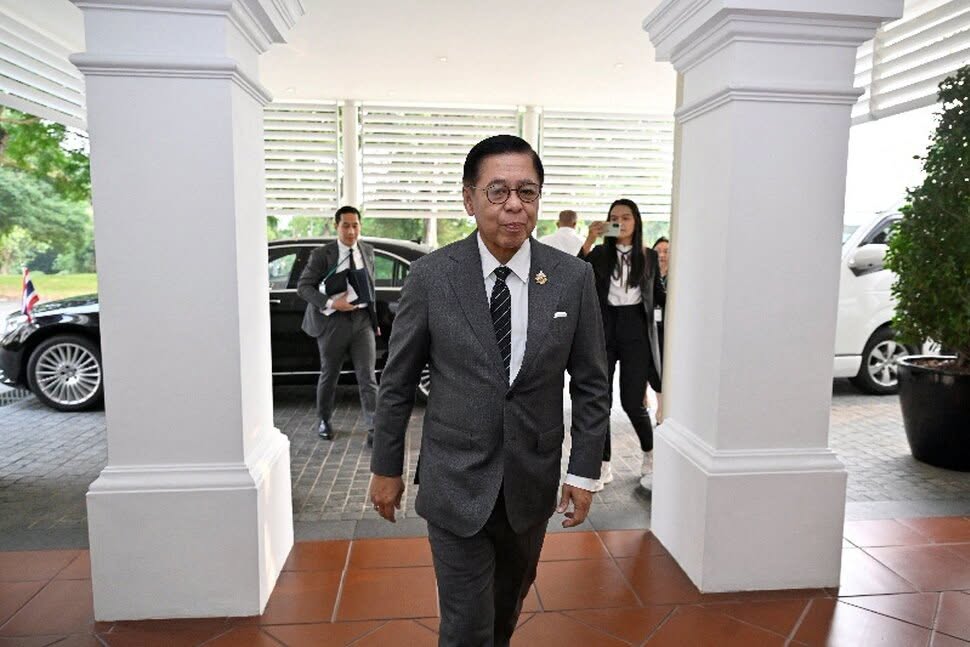
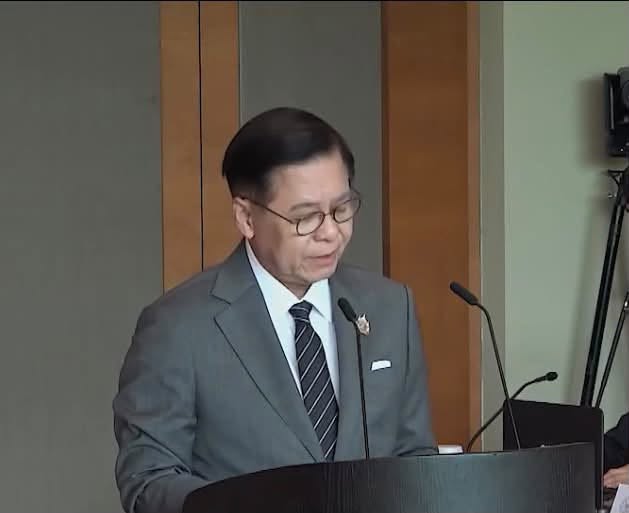
Thai Deputy Prime Minister and Foreign Minister Sihasak Phuangketkeow, who is leading Thailand’s delegation and serving as the country’s Agent before the Conciliation Commission, raised concerns about Cambodia’s decision to pursue the UNCLOS mechanism during his opening statement in Singapore on Tuesday.
Sihasak indicated that Cambodia’s decision to bring Thailand into the UNCLOS process could have implications for bilateral relations, arguing that the mechanism differs from a conventional diplomatic process between the two countries.
The Thai position comes as Cambodia and Thailand formally begin the first meeting of the Conciliation Commission established under UNCLOS to address their longstanding overlapping maritime claims.
Despite its reservations, Thailand has repeatedly confirmed that it will participate in the process and respect international law. Thailand’s Foreign Ministry has said Bangkok is prepared to cooperate fully with the Commission and engage in the proceedings in accordance with UNCLOS, with the aim of contributing to a sustainable resolution of the maritime boundary dispute.
In his statement, Sihasak also stressed Thailand’s commitment to international law, indicating that Bangkok would engage with the process while protecting its national interests.
The Thai position contrasts with Cambodia’s framing of the mechanism. Cambodia has consistently described compulsory conciliation as a peaceful, rules-based international mechanism, rather than an escalation or a departure from diplomacy.
Cambodian Deputy Prime Minister and Foreign Minister Prak Sokhonn, speaking earlier before the same Commission, reaffirmed Cambodia’s commitment to resolving disputes peacefully and in accordance with international law.
He said Cambodia’s decision to invoke compulsory conciliation was rooted in its confidence in international institutions and reflected the country’s longstanding belief that even disputes of the highest national importance can be addressed through legal and multilateral mechanisms rather than force.
Cambodia initiated the UNCLOS process after Thailand unilaterally cancelled the 2001 Memorandum of Understanding on the countries’ overlapping maritime claims in May. Phnom Penh said the cancellation removed the sole bilateral framework that had governed negotiations over the disputed maritime area.
Cambodia subsequently chose the compulsory conciliation mechanism under UNCLOS, arguing that it provides a structured international framework through which both countries can continue seeking a peaceful settlement.
The current proceedings are not a court case or arbitration. The five-member Conciliation Commission is tasked with assisting the parties in finding an amicable solution and will eventually issue a report containing conclusions and recommendations. The recommendations are not legally binding, although they may provide a basis for further negotiations.
Cambodia has proposed that the two countries ultimately conclude a treaty establishing a single, all-purpose maritime boundary. Alternatively, it has said it is prepared to consider a joint development and equitable resource-sharing arrangement pending a final boundary agreement.
If neither arrangement can be reached, Cambodia has asked the Commission to prepare a report containing recommendations that could subsequently serve as a basis for both countries to conclude an agreement consistent with their obligations under UNCLOS.
The proceedings therefore place the two countries in an unusual position: while Thailand has raised concerns about the mechanism and its possible impact on bilateral relations, both sides have nevertheless entered the process and publicly committed themselves to international law.
The three-day first meeting of the Conciliation Commission is being held in Singapore from Sept. 14 to 16, with the opening statements delivered publicly on Sept. 15. The Permanent Court of Arbitration is serving as the Registry for the proceedings.