Cambodia Cites Timor Sea Settlement as Model for Peaceful Resolution of Maritime Dispute With Thailand
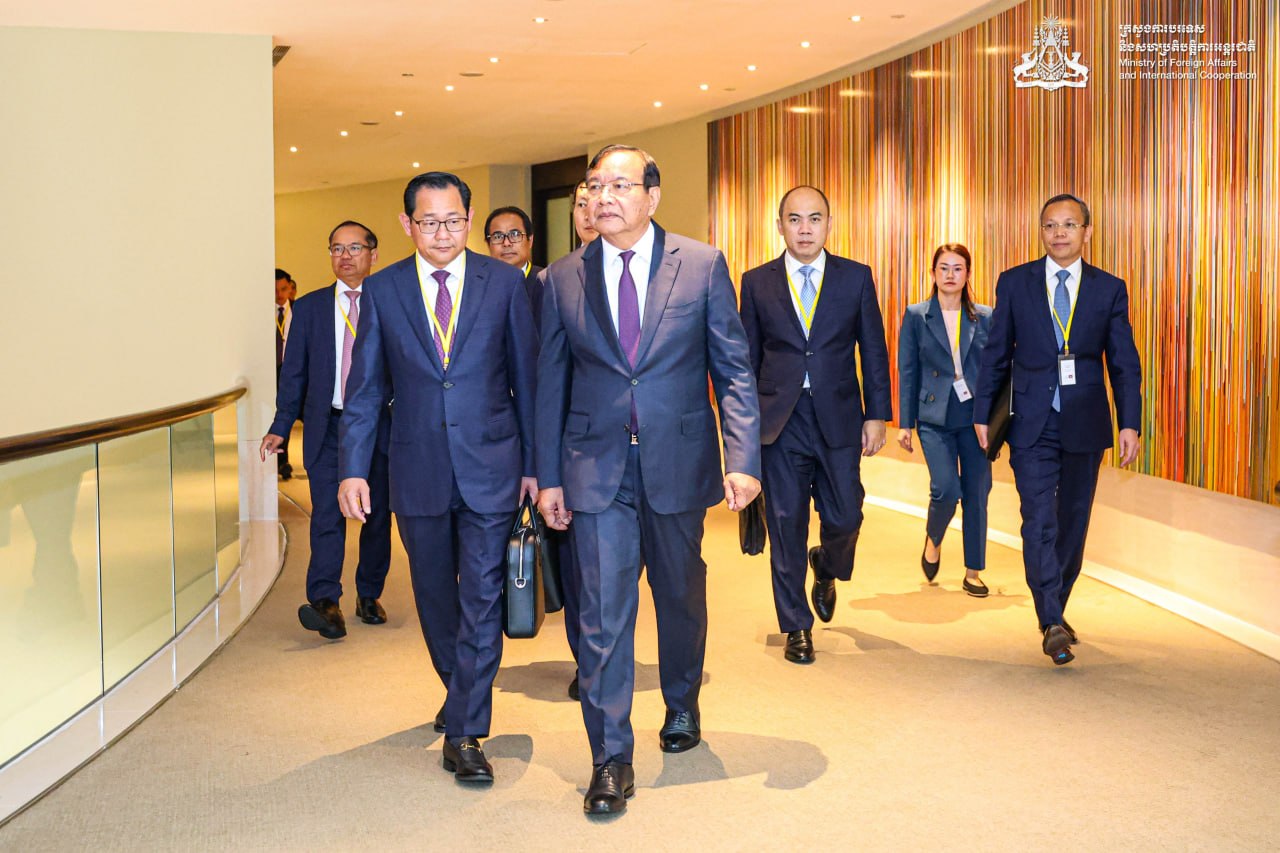 Cambodia Cites Timor Sea Settlement as Model for Peaceful Resolution of Maritime Dispute With Thailand
SINGAPORE, Sept. 15, 2026 — Cambodia has pointed to the successful settlement of the Timor Sea maritime dispute between Timor-Leste and Australia as a powerful example of how neighbouring countries can overcome longstanding maritime differences through international law, peaceful conciliation and negotiation rather than confrontation.
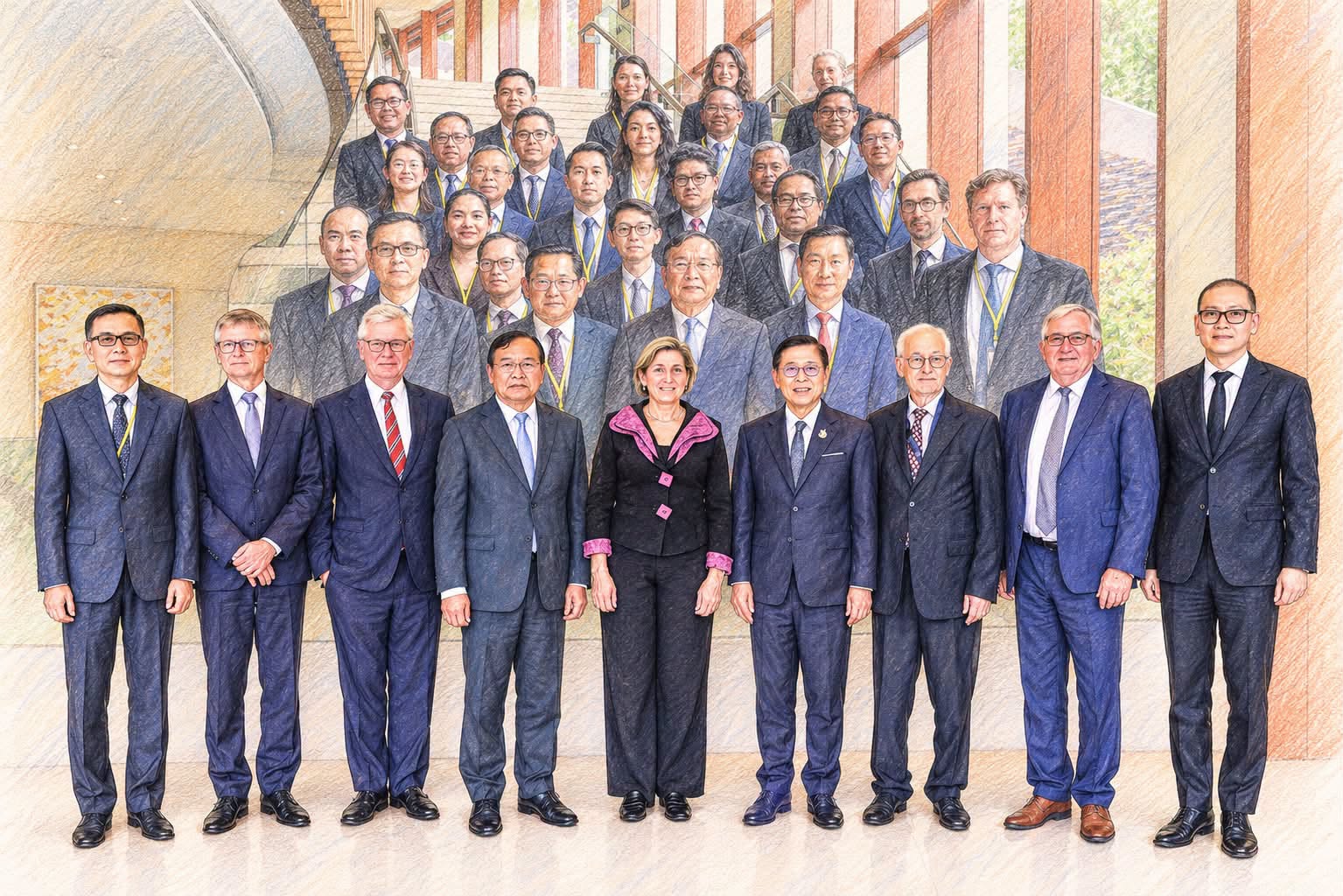
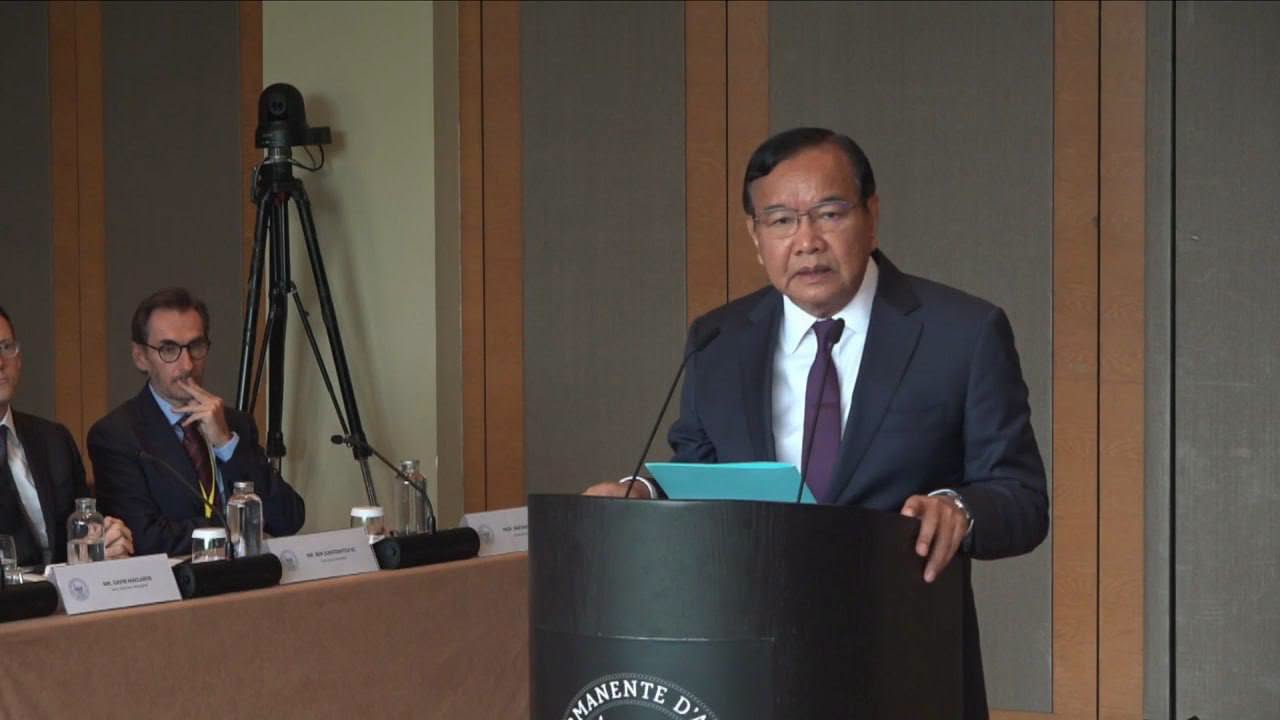
Speaking at the first meeting of the Conciliation Commission in Singapore on Tuesday, Cambodian Deputy Prime Minister and Foreign Minister Prak Sokhonn, acting as Cambodia’s Agent, said Cambodia draws encouragement from the experience of Timor-Leste and Australia as it seeks to resolve its own maritime boundary dispute with Thailand.
“We draw encouragement from the outcome of the conciliation between the Democratic Republic of Timor-Leste and the Commonwealth of Australia concerning the Timor Sea,” Prak Sokhonn said in his opening statement.
He said the case demonstrated that compulsory conciliation under UNCLOS can break long-standing deadlocks between neighbouring states and lead to a lasting treaty settlement.
The Timor Sea case is particularly relevant because it followed the same UNCLOS compulsory conciliation mechanism now being used in the Cambodia-Thailand maritime dispute.
On April 11, 2016, Timor-Leste initiated compulsory conciliation proceedings against Australia under Article 298 and Annex V of UNCLOS, making it the first compulsory conciliation proceeding of its kind under the Convention. The Permanent Court of Arbitration (PCA) administered the proceedings.
The process brought together a five-member Conciliation Commission chaired by Ambassador Peter Taksøe-Jensen, with Dr Rosalie Balkin, Judge Abdul G. Koroma, Professor Donald McRae and Judge Rüdiger Wolfrum serving as members.
Rather than ending in an adversarial legal judgment, the process focused on helping the two countries negotiate a mutually acceptable settlement.
Following extensive meetings between the Commission and the parties, Timor-Leste and Australia reached agreement on the text of a draft maritime boundaries treaty in October 2017. They subsequently signed the Treaty Between Australia and Timor-Leste Establishing Their Maritime Boundaries in the Timor Sea on March 6, 2018, in New York at United Nations Headquarters.
The treaty established permanent maritime boundaries between the two countries and also created a special regime for the Greater Sunrise petroleum fields, linking maritime delimitation with resource development and economic interests shared by both sides.
The PCA describes the Timor Sea process as an example of how conciliation can help states move beyond purely legal positions and explore their common interests, including through flexible discussions and confidence-building measures. The PCA says the process ultimately enabled Timor-Leste and Australia to negotiate and sign their 2018 maritime boundary treaty.
For Cambodia, the precedent is particularly significant because Phnom Penh has chosen the same broad legal pathway in its maritime dispute with Thailand.
Cambodia initiated compulsory conciliation under UNCLOS after Thailand announced on May 5, 2026, that it was cancelling the 2001 Memorandum of Understanding concerning the two countries’ overlapping maritime claims.
Rather than allowing the breakdown of the bilateral framework to become an obstacle to further negotiations, Cambodia turned to an international mechanism established under UNCLOS.
Prak Sokhonn said Cambodia’s reliance on the Timor Sea example reflects its broader confidence in international law and international institutions.
“Respect for international law, the peaceful settlement of disputes, and the institutions that uphold these principles is deeply rooted in Cambodia’s national experience,” he said.
He added that Cambodia’s previous experience with the International Court of Justice had reinforced its belief that matters of the highest national importance could be addressed peacefully through multilateral mechanisms rather than force.
That principle, he said, now shapes Cambodia’s approach to its relationship with Thailand.
“We draw encouragement from the outcome” of the Timor Sea conciliation, Prak Sokhonn said, expressing confidence that the Cambodia-Thailand Commission could similarly help the two countries “turn a new page for their mutual benefit.”
Cambodia’s objective is to conclude, with the assistance of the Commission and in accordance with international law, a treaty establishing a single, all-purpose maritime boundary between Cambodia and Thailand.
As an alternative, Cambodia has also indicated that it would be prepared to pursue an agreement on joint development and equitable sharing of maritime resources while awaiting final agreement on the boundary.
If neither a maritime boundary agreement nor a joint development arrangement can be concluded, Cambodia has asked the Commission to prepare a report containing recommendations to both parties, which could subsequently provide a basis for reaching an agreement consistent with their obligations under UNCLOS.
The Timor Sea experience provides an important precedent for this approach. The process did not require either Timor-Leste or Australia to abandon its national interests. Instead, the parties used international conciliation to build confidence, identify areas of common interest and negotiate a final settlement.
The 2018 treaty itself describes the settlement as an overall negotiated solution reached with the assistance of the Conciliation Commission and emphasises that the two countries resolved their maritime boundaries “as good neighbours and in a spirit of co-operation and friendship.”
The Australian government has likewise described the Timor Sea settlement as an example of how international law and UNCLOS can reinforce regional stability and enable countries to resolve disputes peacefully without resorting to force or coercion.
For Cambodia, the precedent therefore carries a clear diplomatic message: the use of international legal mechanisms is not an escalation, but a means of preventing escalation and creating a structured pathway toward agreement.
As the Cambodia-Thailand Conciliation Commission begins its work in Singapore, Phnom Penh is presenting the Timor Sea settlement as evidence that even difficult and longstanding maritime disputes can ultimately be resolved through international law, dialogue, compromise and mutual benefit.
Cambodia said it remains confident that the Commission can assist both countries in achieving a similar outcome — one that brings greater peace, stability and shared prosperity to the region.