UNGA81: Cambodia Urges Collective Action to Eradicate Online Scams
 UNGA81: Cambodia Urges Collective Action to Eradicate Online Scams
NEW YORK, Sept. 26, 2026 — Cambodia has called for stronger international cooperation to combat online scams, warning that transnational criminal networks are exploiting technological advances and operating across borders.
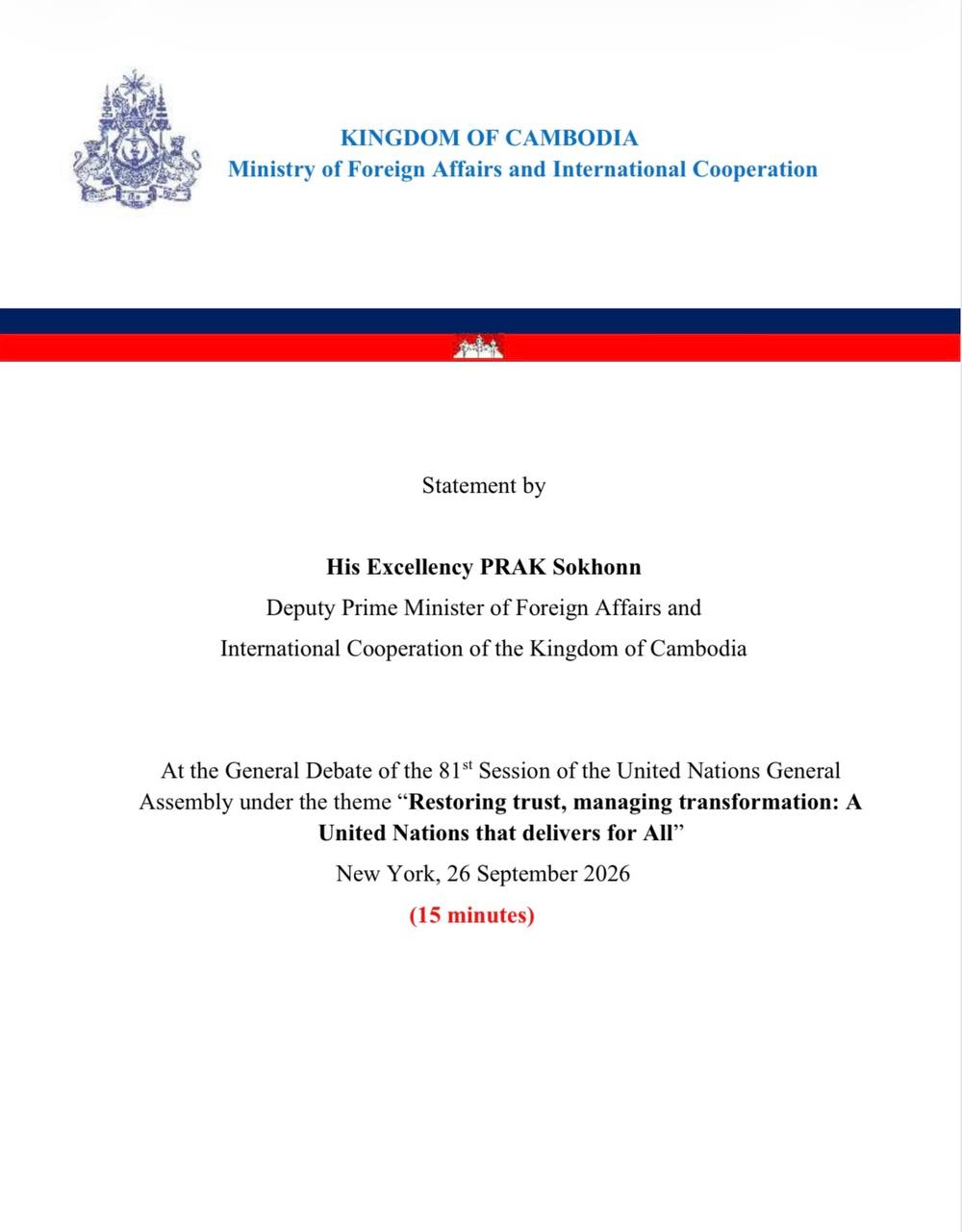
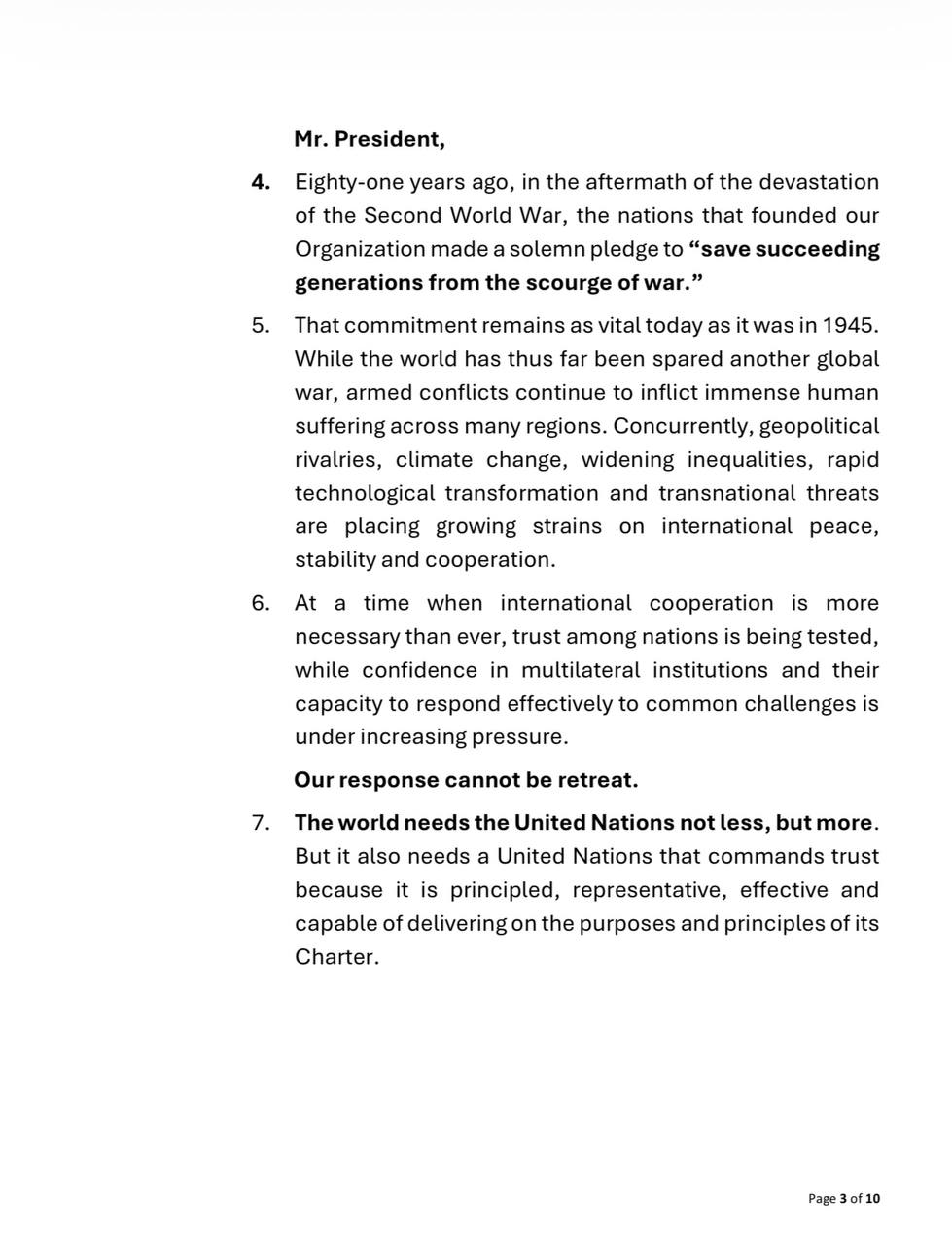
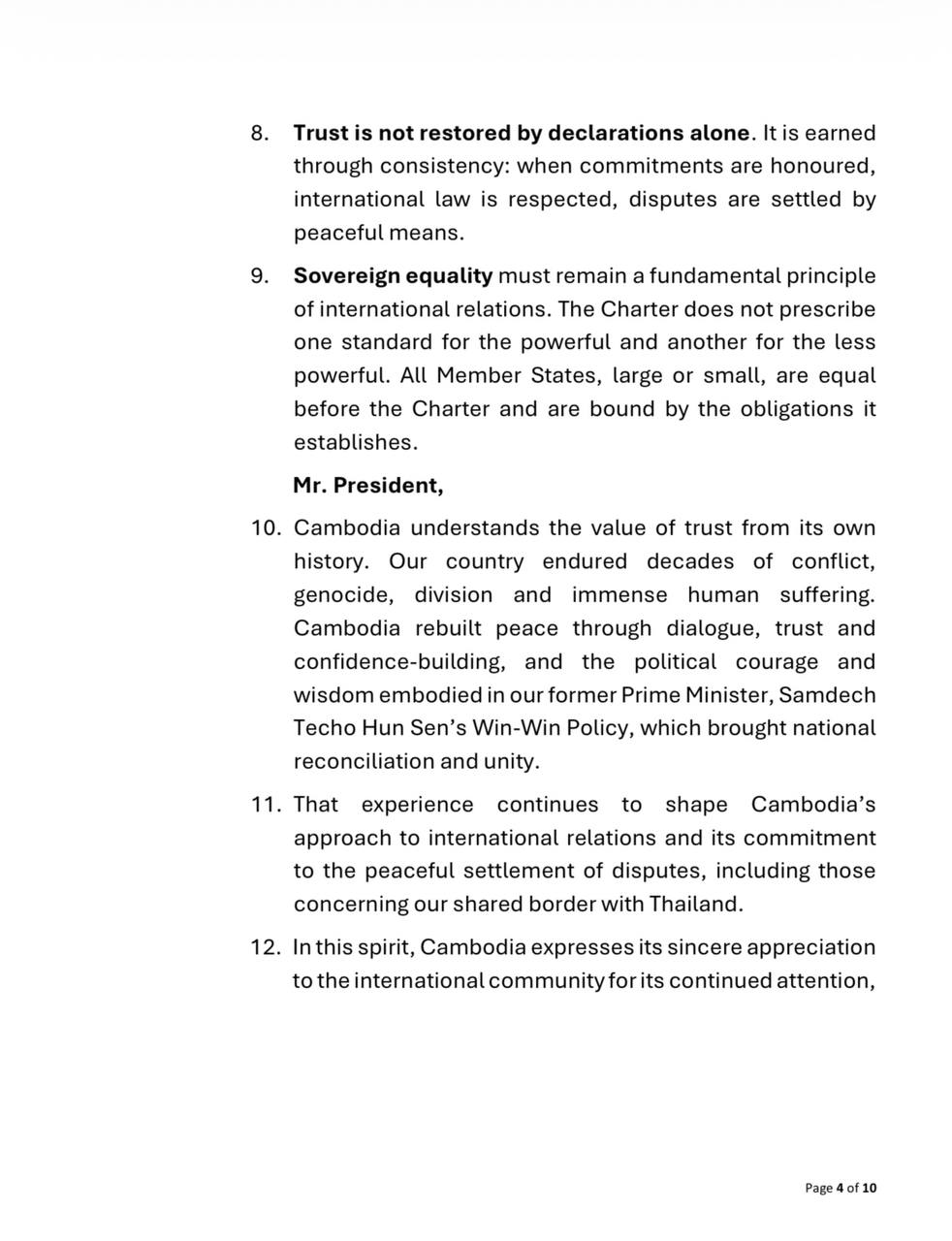
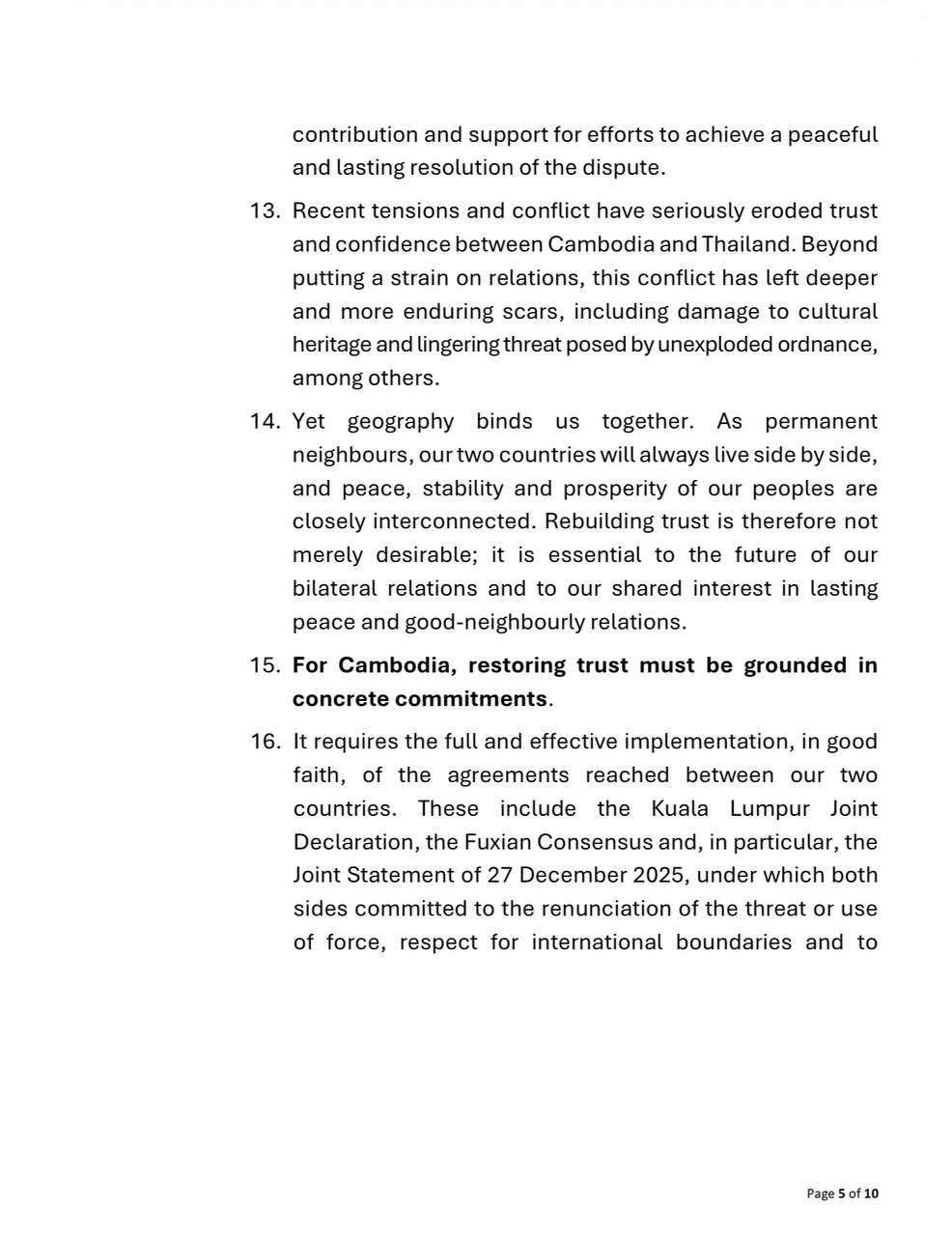
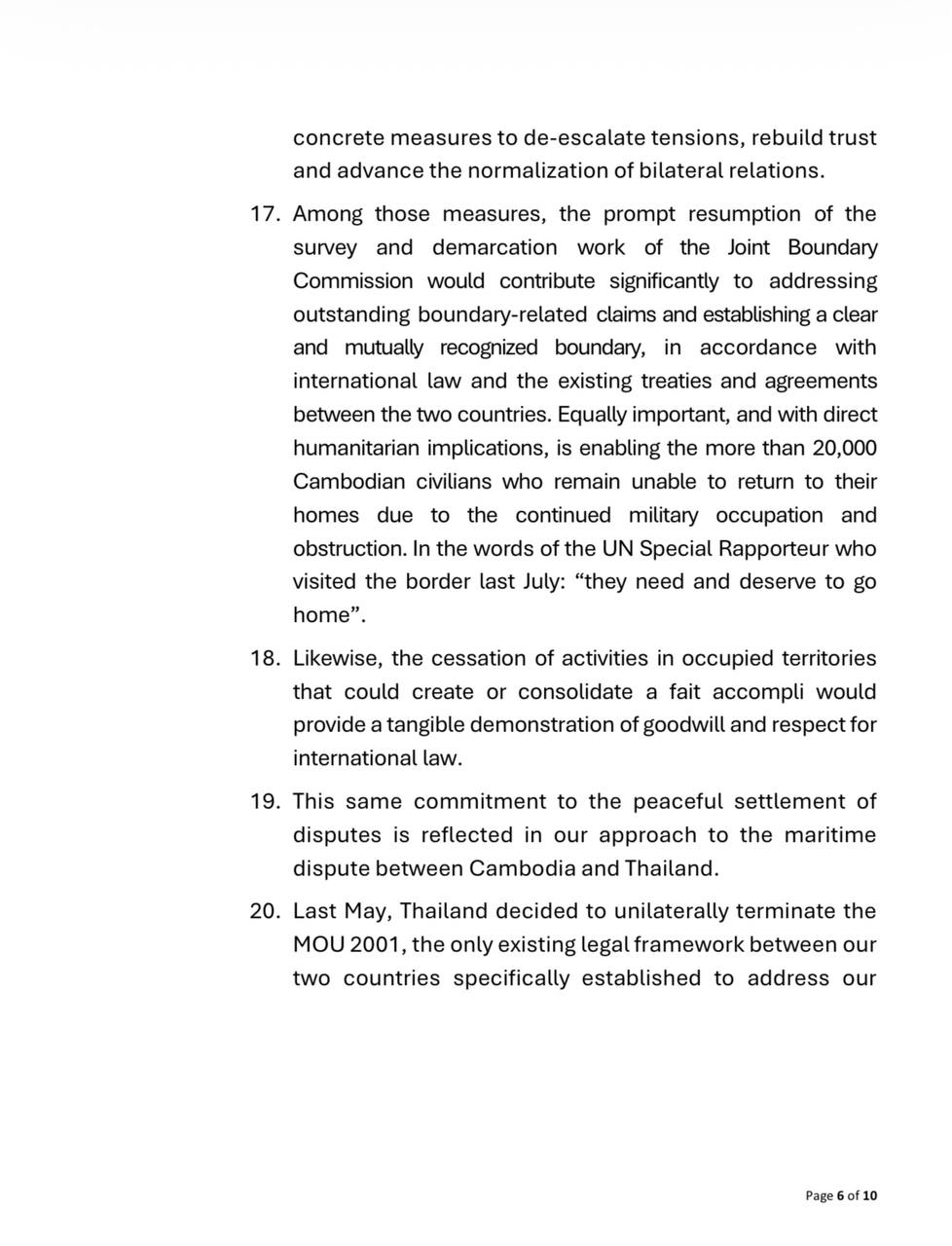
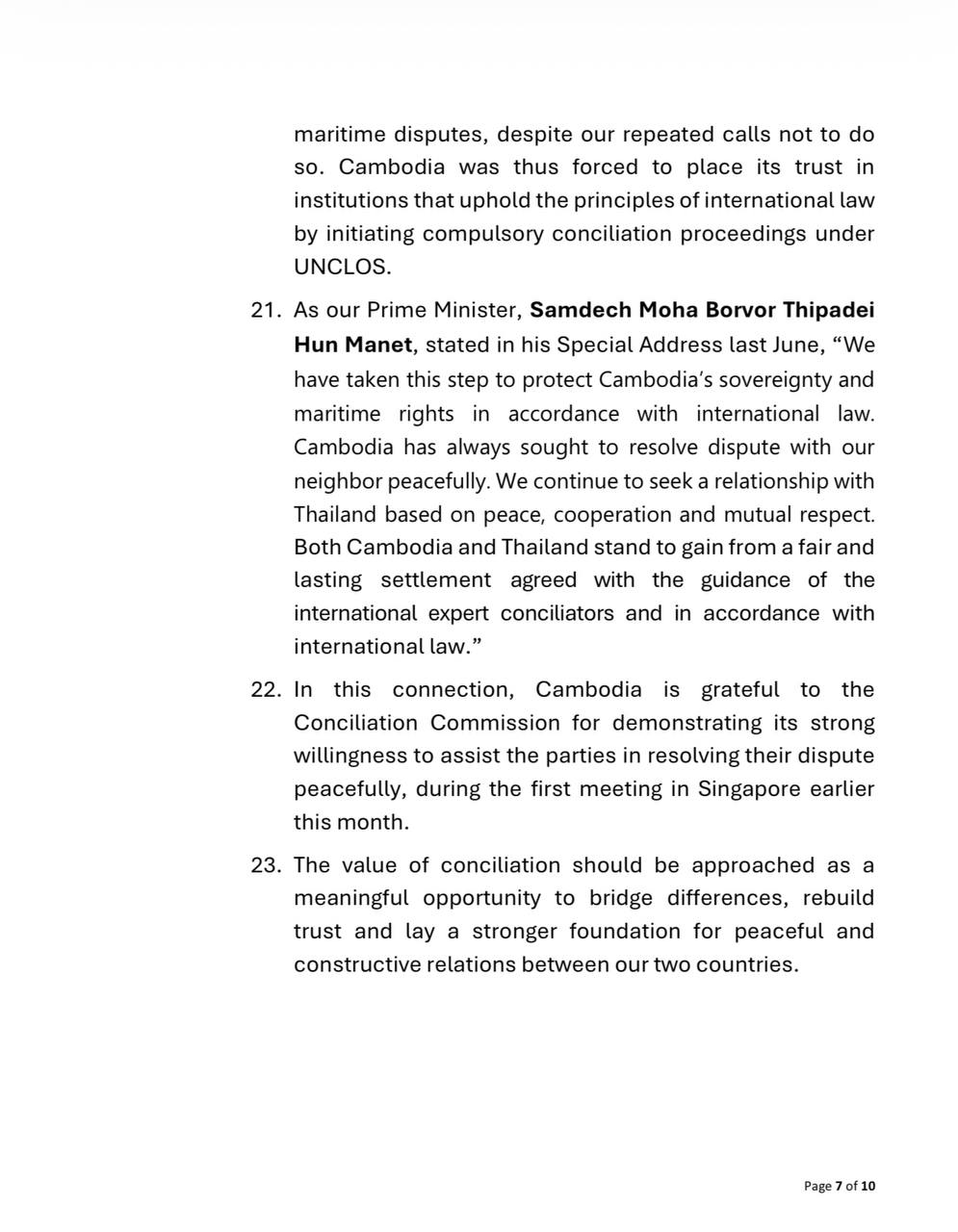
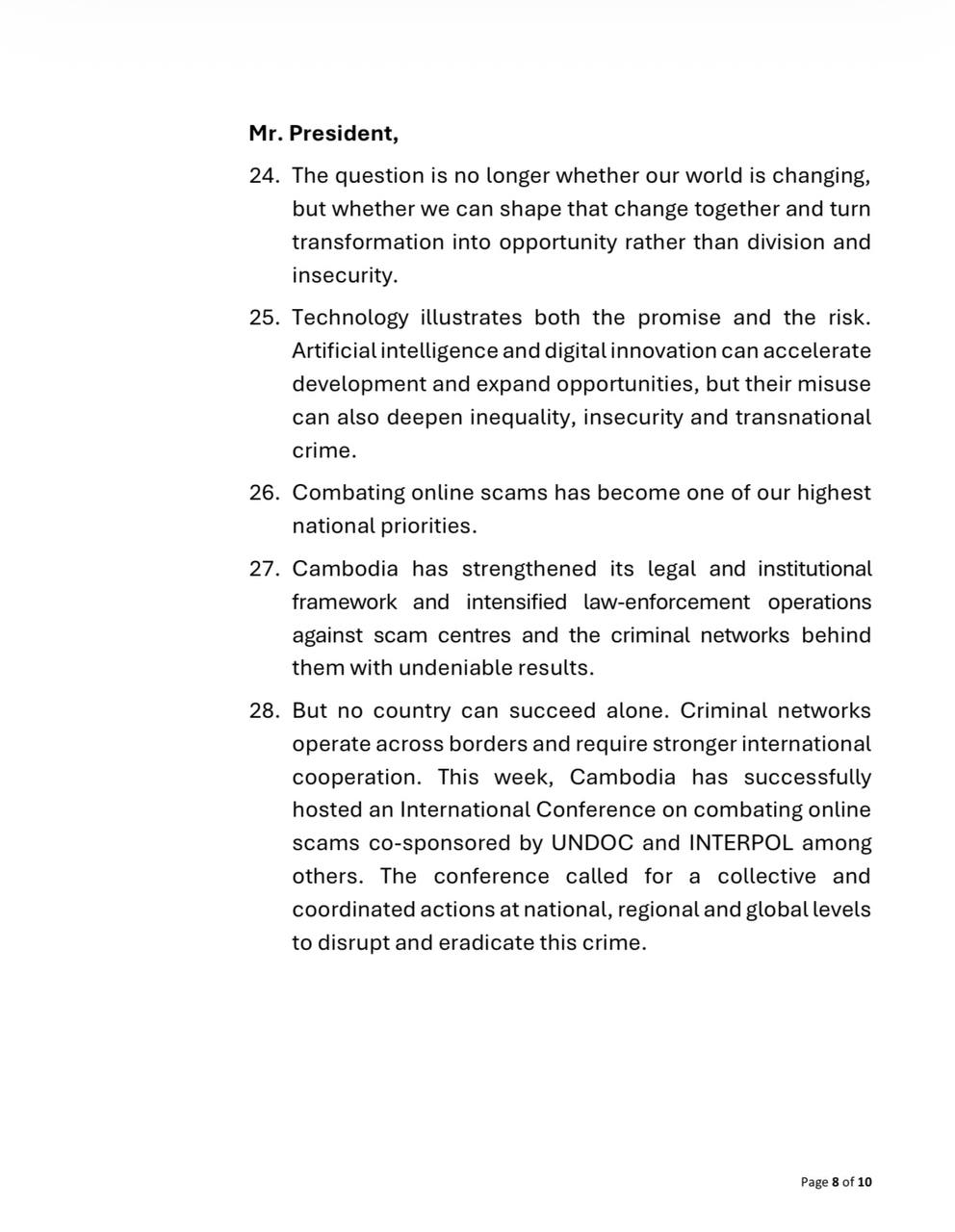
Addressing the General Debate of the 81st Session of the United Nations General Assembly in New York, Cambodian Deputy Prime Minister and Minister of Foreign Affairs and International Cooperation Prak Sokhonn said combating online scams had become one of Cambodia’s highest national priorities.
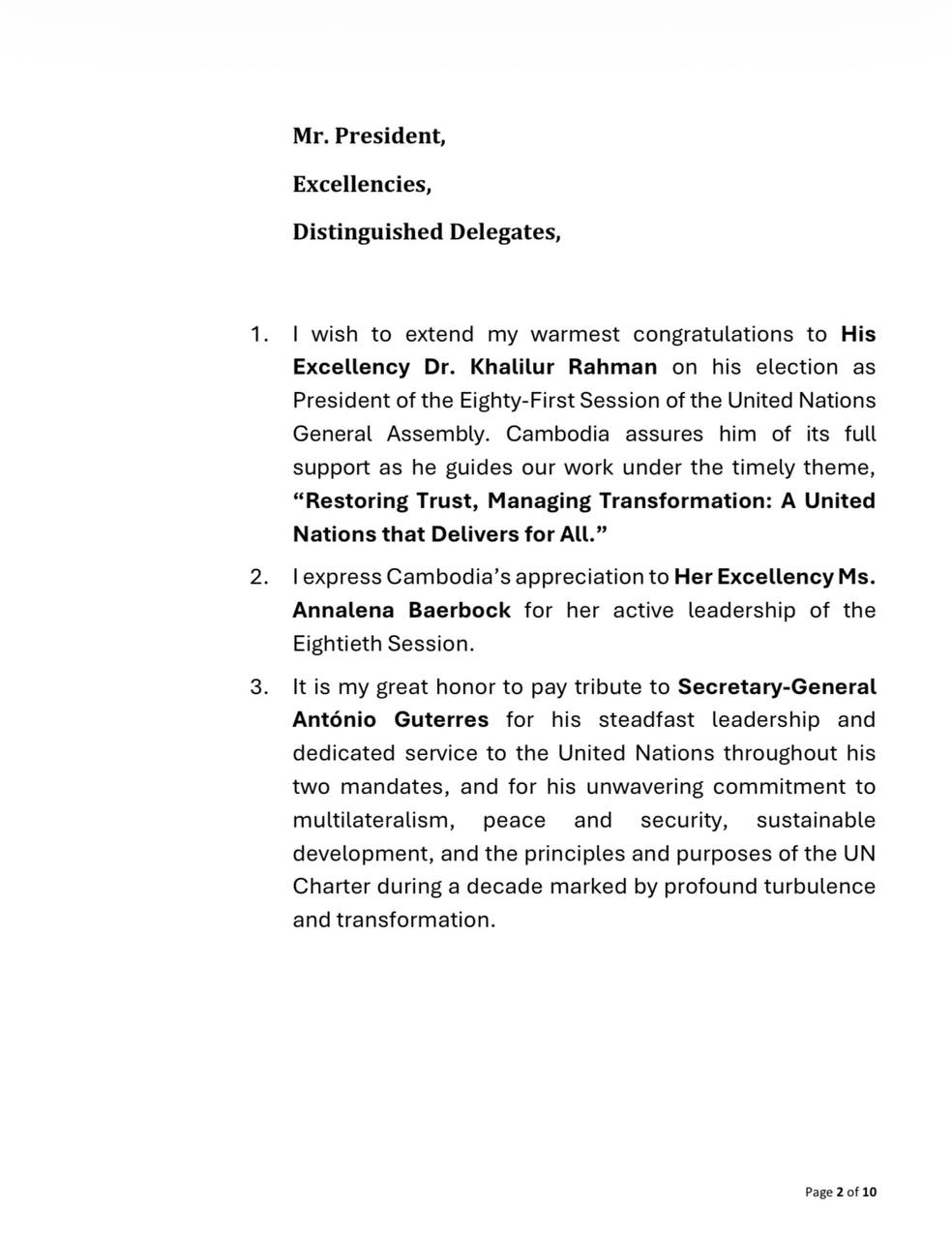
Prak Sokhonn said artificial intelligence and digital innovation offered significant opportunities to accelerate development and expand access to new possibilities, but warned that their misuse could deepen inequality, insecurity and transnational crime.
“Technology illustrates both the promise and the risk,” he said, according to his prepared statement. “Artificial intelligence and digital innovation can accelerate development and expand opportunities, but their misuse can also deepen inequality, insecurity and transnational crime.”
He said Cambodia had strengthened its legal and institutional frameworks and intensified law-enforcement operations against scam centres and the criminal networks behind them.
However, Prak Sokhonn stressed that no country could address the problem alone because criminal networks operate across national borders.
“Criminal networks operate across borders and require stronger international cooperation,” he said.
His remarks came shortly after Cambodia hosted the International Conference on Combating Online Scams (ICCOS-2026) in Phnom Penh on Sept. 23–24, bringing together governments, international organisations, law-enforcement agencies and other stakeholders to strengthen coordinated action against online scams.
The conference concluded with the adoption of the Phnom Penh Declaration, which contains 11 commitments covering international cooperation, disruption of criminal networks and illicit proceeds, technological innovation, stronger legal frameworks, victim protection, public-private partnerships and the dismantling of scam compounds and related infrastructure. The declaration was adopted by participating delegates from 28 countries and seven international organisations.
Prak Sokhonn said the conference, co-sponsored by the UN Office on Drugs and Crime (UNODC), INTERPOL and the Lancang-Mekong Integrated Law Enforcement and Security Cooperation Centre, called for collective and coordinated action at the national, regional and global levels to disrupt and eradicate online scams.
He also linked the fight against online scams to the broader need for international cooperation and multilateral action, arguing that the international community must strengthen its ability to respond to emerging transnational threats.
“No country can succeed alone,” Prak Sokhonn said, calling for greater cooperation to address criminal networks that exploit technology and operate across jurisdictions.
Cambodian authorities have recently intensified their campaign against online scams, while also expanding cooperation with foreign law-enforcement agencies. Cambodia’s Ministry of Interior said on Sept. 24 that cooperation with South Korean authorities had led to the detention of 179 South Korean nationals allegedly connected to online scam offences.
The Cambodian government has also repeatedly stressed that online scams are a global challenge requiring shared responsibility. During ICCOS-2026, Singaporean Minister of State Zhulkarnain Abdul Rahim said online scams were not an issue confined to Cambodia or Singapore but a global problem requiring all countries to work together.
In his UN address, Prak Sokhonn therefore urged the international community to strengthen collective action against the growing threat, placing the fight against online scams within the wider framework of international cooperation, technological governance and transnational crime prevention.