When a Bed Becomes a Cage: Who Protects Thailand’s Most Vulnerable?
 When a Bed Becomes a Cage: Who Protects Thailand’s Most Vulnerable?
A bed is supposed to represent safety. It is where we rest when we are tired, recover when we are sick and feel protected when we are at our most vulnerable. But what happens when that bed is surrounded by metal bars? What happens when a vulnerable person wakes up and realizes that the structure around them is locked—and that someone else has the key?
That is the uncomfortable question Thailand must confront following an inspection of an elderly and psychiatric patient care centre in Tha Muang district, Kanchanaburi.
Thailand’s Central Investigation Bureau inspected the facility on October 5 after a woman, identified only as “M,” appeared on the television programme Hone Krasae and alleged that she had been taken to the centre against her will and held there for more than two and a half years.
She alleged that she was assaulted, threatened and forced to take medication before eventually managing to contact her sister for help. Those allegations must be investigated. And they are being investigated.
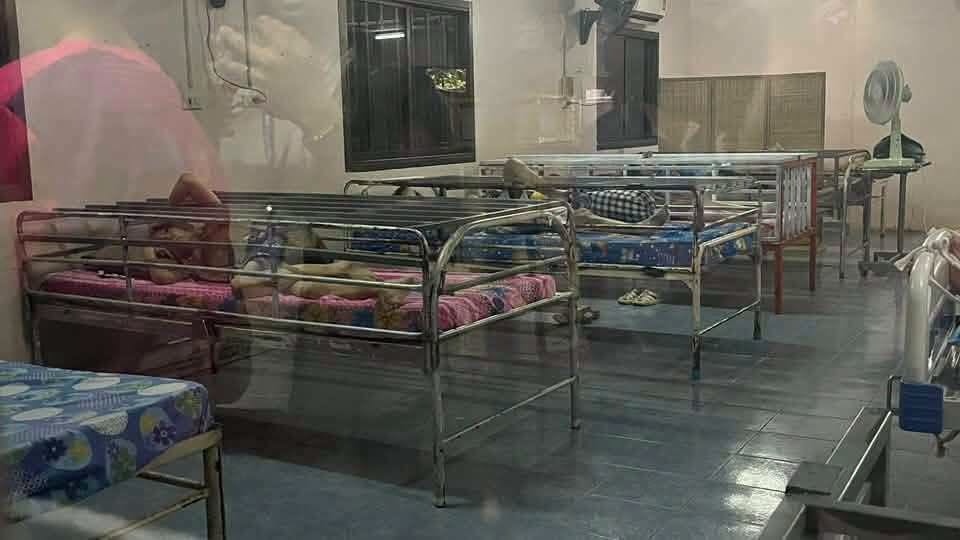
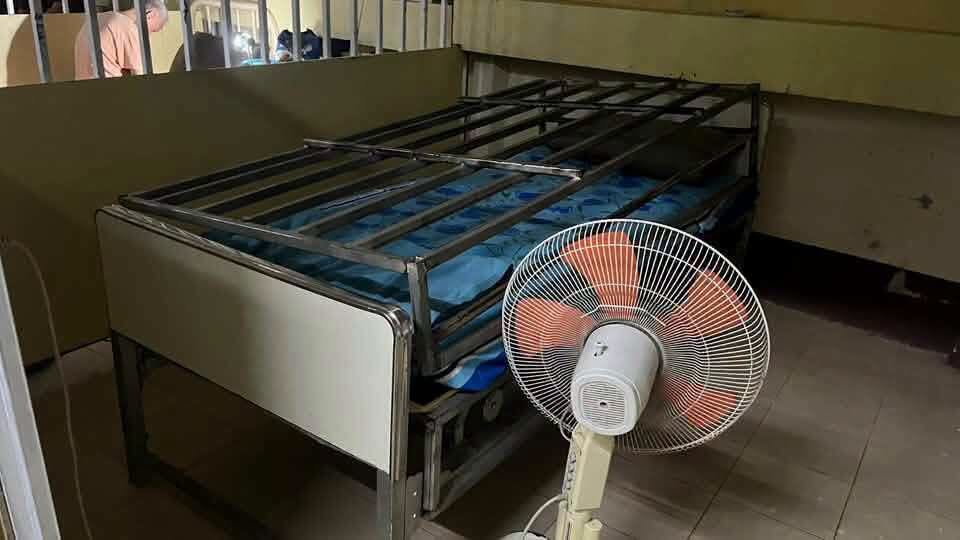
But what police reportedly found at the centre raises a broader question that deserves attention regardless of how the investigation ultimately concludes. Why does a care facility need cage-like structures attached to patients’ beds?
A facility caring for 92 people
According to information provided during the inspection, the centre employs 19 carers and was caring for 92 people. Of those, 75 were male patients—68 psychiatric patients, five elderly patients and two rehabilitation patients. Among the 17 female patients, 13 were psychiatric patients, three were elderly patients and one was undergoing rehabilitation.
The facility says it is properly licensed and has been operating since around 2006, becoming a facility for elderly and dependent patients in 2021. Its management told officers that the facility is inspected and its licence renewed annually, most recently on August 3. The owner also said the centre had been properly authorised and inspected by Health Service Support Centre 5 under Thailand’s Ministry of Public Health.
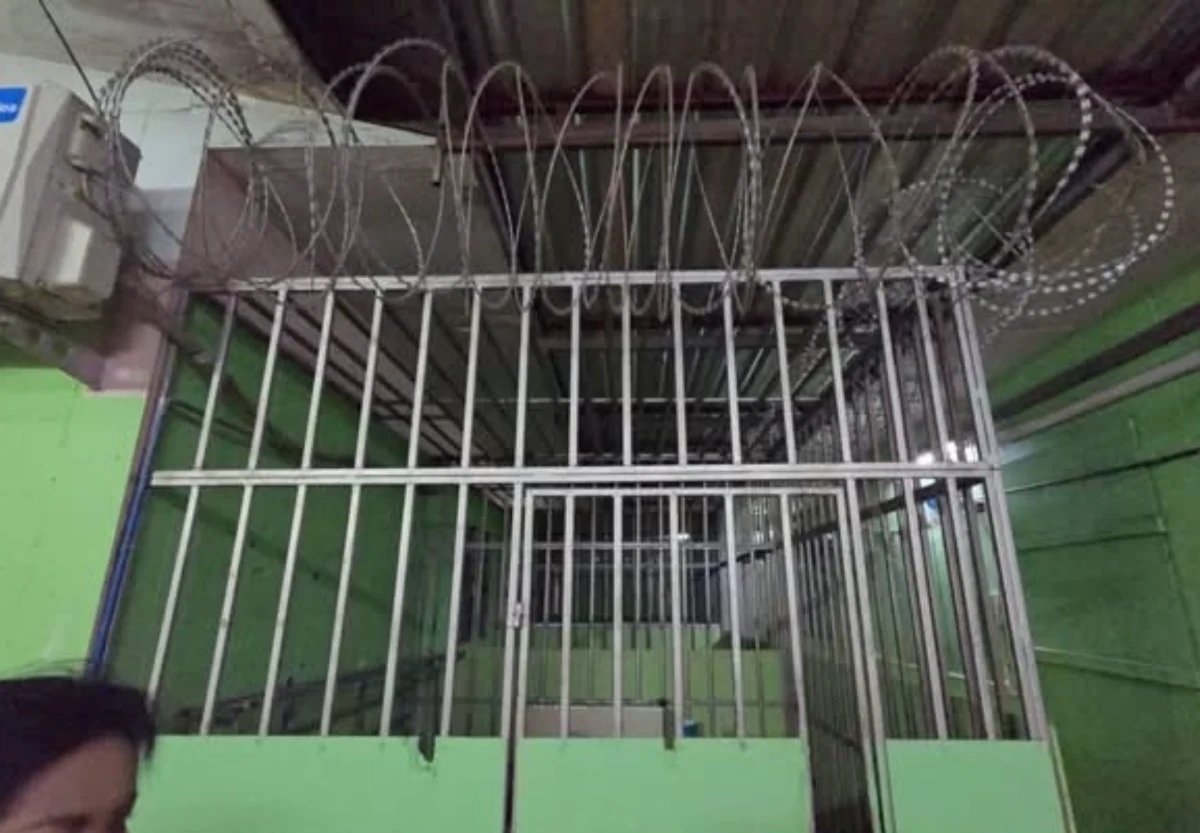
A licensed facility is not automatically an abusive facility. And the presence of restraints does not, by itself, prove that patients were unlawfully mistreated. The centre’s owner has offered an explanation for the barred rooms. According to the owner, some patients with severe psychiatric conditions can become violent, damage property or wander away. The iron-barred rooms and metal structures were therefore installed for strength and safety.
That explanation deserves to be examined rather than dismissed. But it also deserves scrutiny.
Safety cannot erase dignity
There is an important distinction between protecting someone and controlling someone. There may be circumstances in which temporary physical restraint is necessary to prevent an immediate danger to a patient or another person.
But restraint should always raise questions. Was it necessary? Was it proportionate? Was it temporary? Who authorized it? Was the patient continuously monitored? Were medical professionals involved in the decision? Were less restrictive alternatives considered?
And perhaps the most basic question of all: How would we want to be treated if we were the person inside?
Imagine being elderly. Imagine suffering from a psychiatric condition. Imagine being frightened or confused. Imagine waking up and seeing metal bars around your bed. You cannot simply open the door. You cannot walk outside. You cannot decide to leave. Someone else controls the key. Imagine needing to use the bathroom. Imagine becoming frightened during the night. Imagine calling for help. And imagine knowing that, regardless of what you say, you cannot leave without somebody else deciding that you can.
That is not a theoretical question about institutional policy. It is a question about what human dignity feels like from the inside.
The investigation must establish the facts
CIB officers are reportedly questioning the centre’s owner and collecting CCTV footage and witness statements before deciding whether further action is warranted. That process should be allowed to run its course.
The allegations made by “M” should not automatically be treated as established fact. Likewise, the centre’s explanation should not automatically end the discussion. Evidence must determine what happened.
If investigators establish that the woman was unlawfully confined or abused, those responsible should face the appropriate legal consequences.
If the investigation finds that the facility acted within the law and that restraints were used appropriately for genuine safety reasons, that should also be clearly communicated to the public.
But even then, Thailand should not lose sight of the larger issue. Who speaks for people who cannot speak for themselves?
The most vulnerable people in society often have the least ability to complain. A healthy adult can walk away from a dangerous situation. An elderly person with limited mobility may not be able to. A psychiatric patient may struggle to communicate what happened. A dependent person may rely entirely on caregivers for food, medication, hygiene and safety. That creates an enormous imbalance of power.
When one person controls another person’s movement, medication, living conditions and access to the outside world, oversight becomes essential.
A licence and annual inspection are important. But vulnerable people need more than paperwork. They need independent oversight. They need channels through which they can safely report mistreatment. They need relatives who can access them. They need records of restraint and medication. And they need systems capable of detecting abuse before it becomes a television investigation or a police case.
A cage should never become the default answer
The most disturbing element of this case is not simply that metal bars reportedly exist. It is the possibility that confinement could become a routine substitute for care.
If a patient is violent, the answer should begin with professional assessment and appropriate treatment. If a patient wanders, the answer should include safe environments, supervision and appropriate care. If a patient poses an immediate danger, restraint may sometimes be necessary. But restraint should be the exception—not the architecture of everyday life.
A person should not lose their dignity because they have become difficult to care for. Mental illness does not remove someone’s humanity. Age does not remove someone’s humanity. Disability does not remove someone’s humanity. Dependency does not remove someone’s humanity.
Thailand should ask a bigger question
This case should not become an argument about whether Thailand’s care system is good or bad. It should become an opportunity to ask whether the system has enough safeguards for people who cannot protect themselves.
If 92 vulnerable people are living inside one facility, society has a responsibility to ensure that their welfare does not depend entirely on the goodwill of the people holding the keys.
Thailand has the opportunity to demonstrate that caring for vulnerable people means more than keeping them physically safe. It means protecting their dignity. It means respecting their humanity. And it means remembering that a person who needs care is not a person who has surrendered their rights.
The investigation in Kanchanaburi will determine what happened to “M” and whether anyone broke the law. But the images of cage-like beds have already raised a question that deserves a much bigger answer: When does protecting a vulnerable person become confining them—and who is watching when that line is crossed?
A bed should be a place of rest. A care facility should be a place of safety. And for the people who have the least power to defend themselves, neither should ever become a cage.
By: Keo Chesday, Affiliate Researcher at the University of Cambodia