Thai Journalist Calls Border Buddha Statue Project ‘Unnecessary and Immature’
 Thai Journalist Calls Border Buddha Statue Project ‘Unnecessary and Immature’
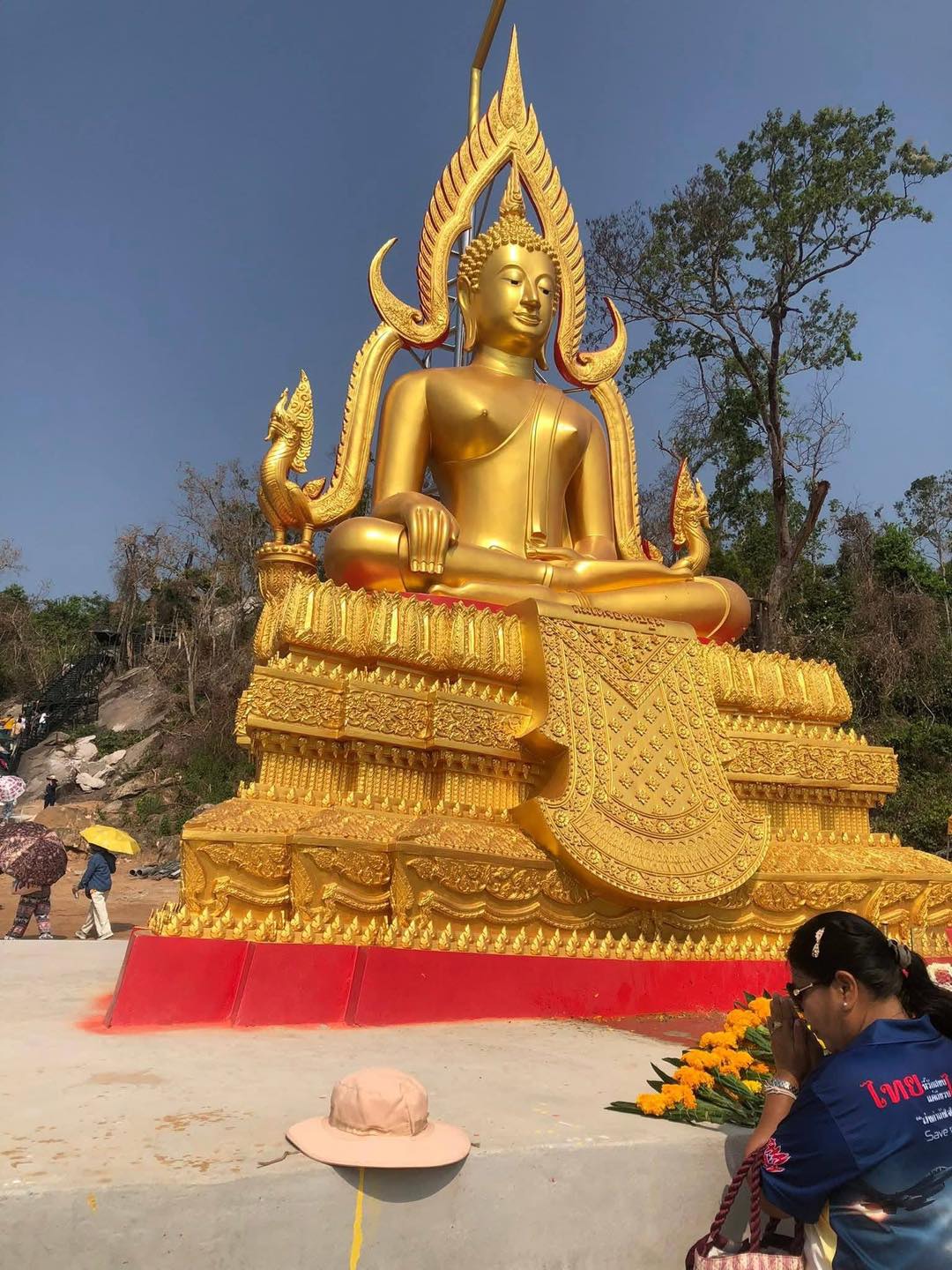
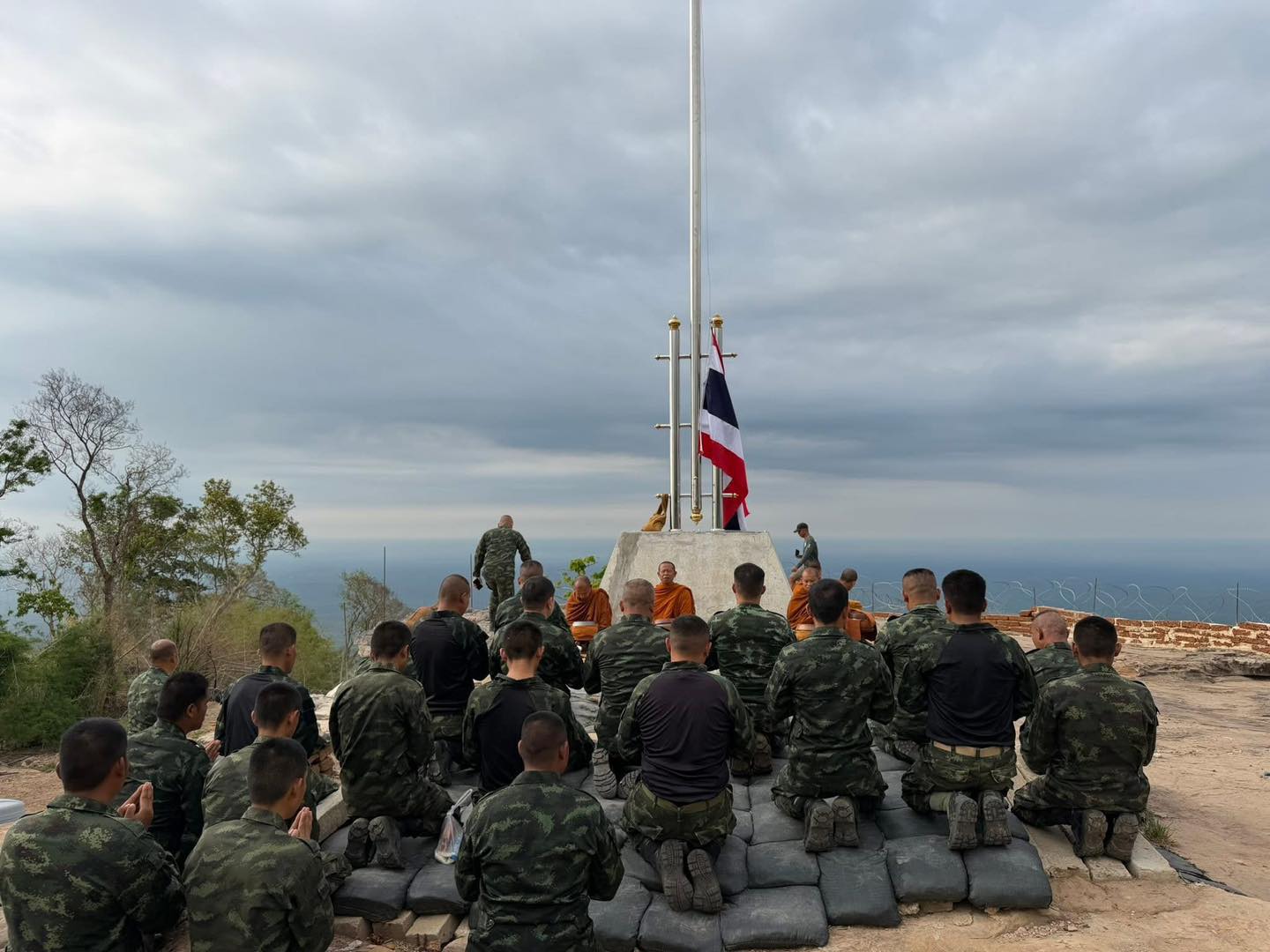
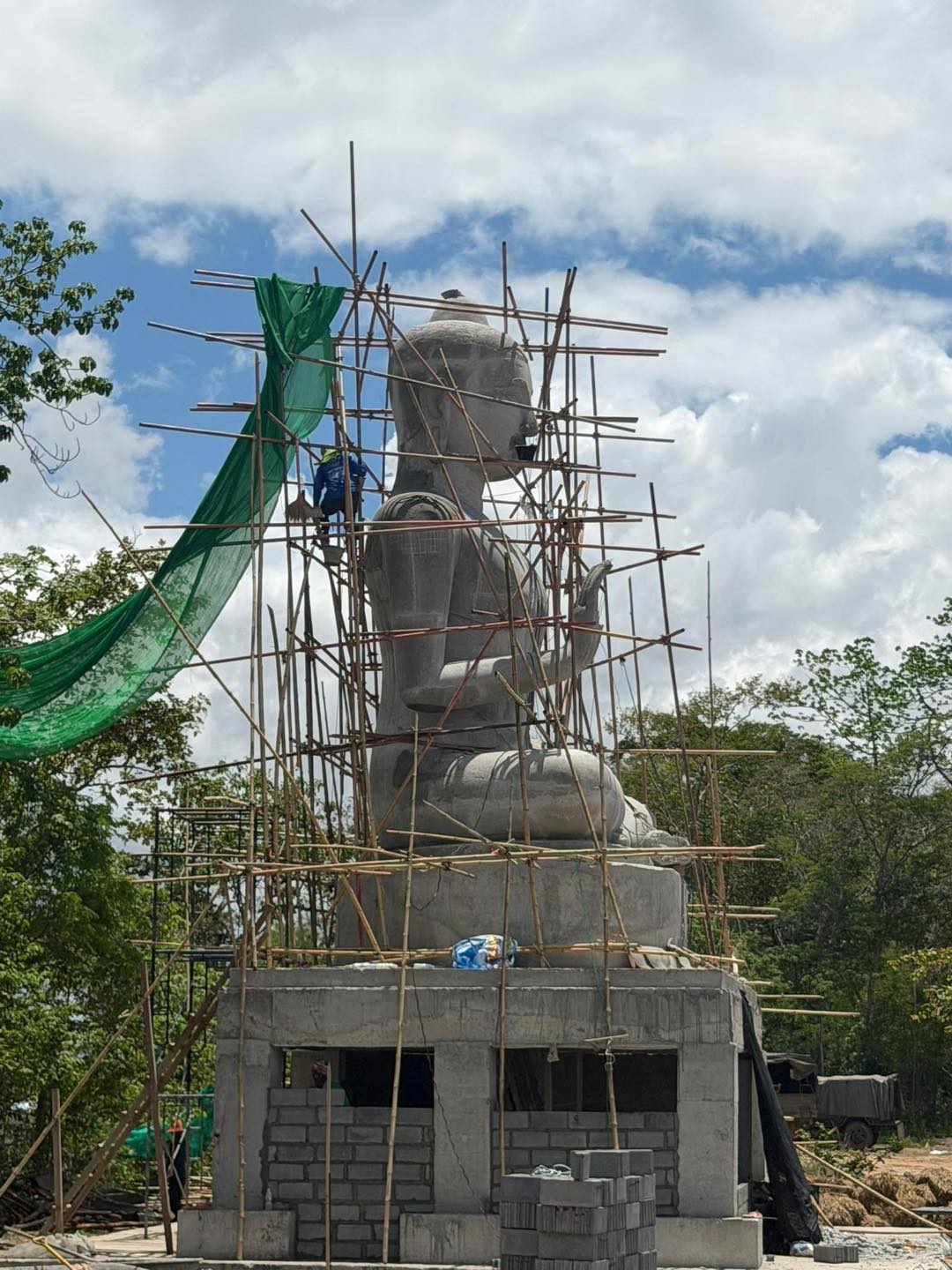
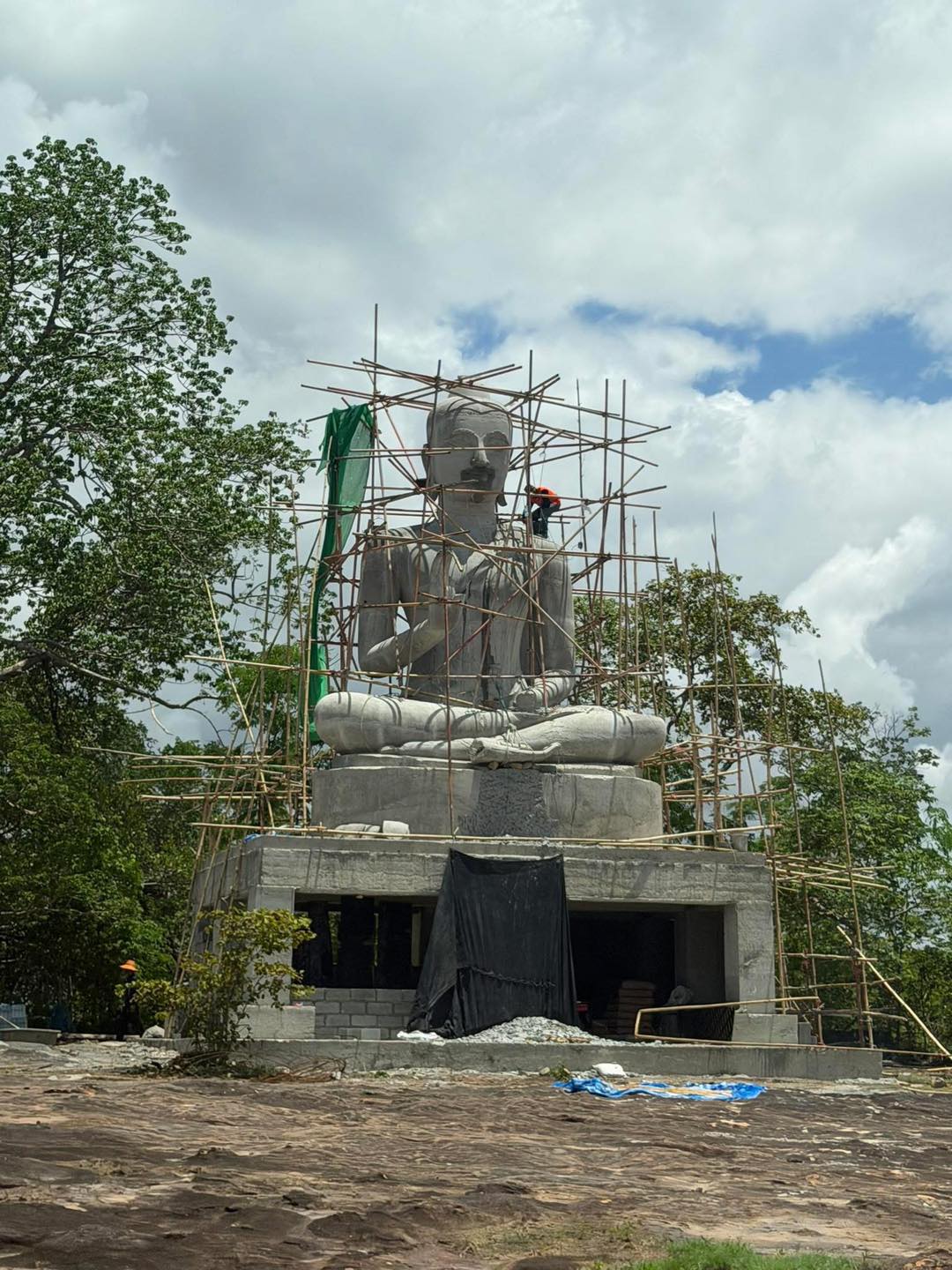
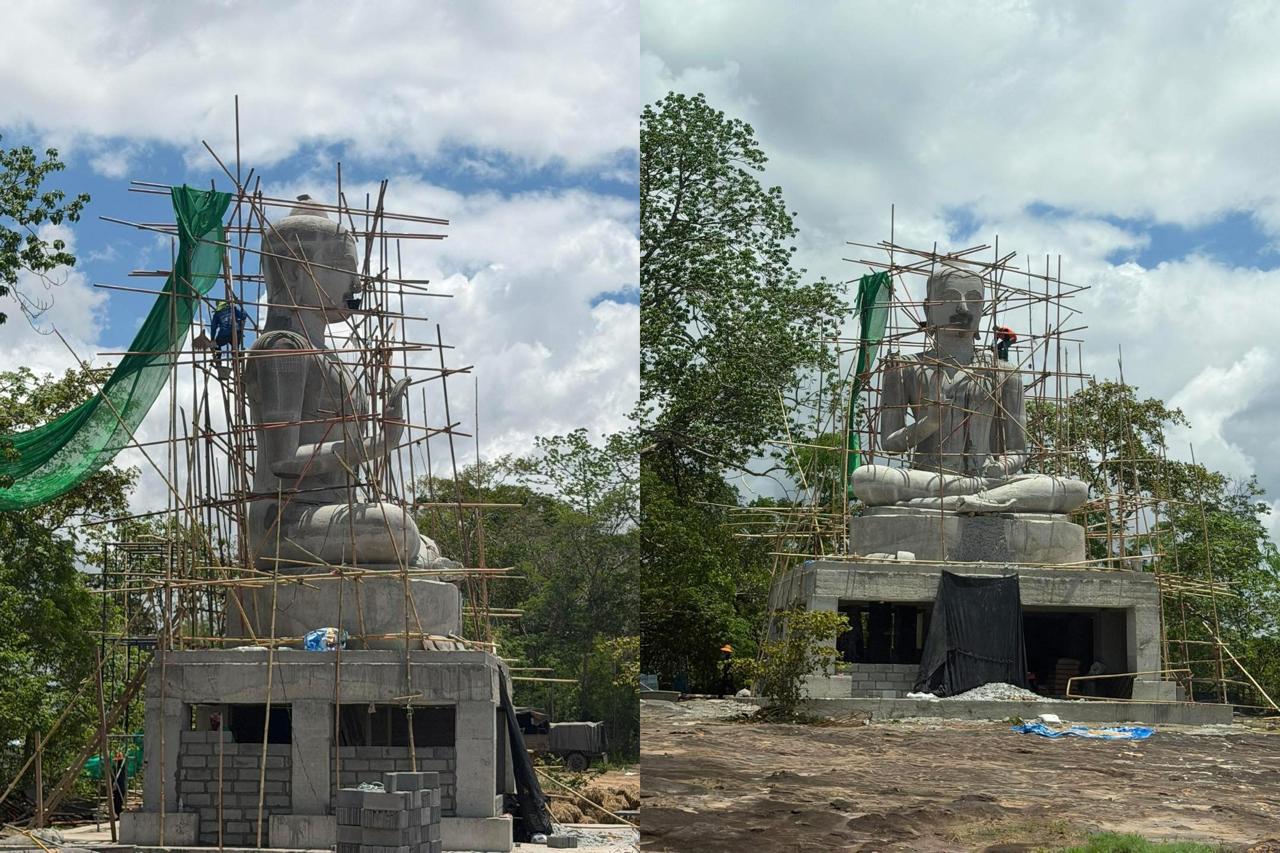
BANGKOK, June 2, 2026 — A prominent Thai journalist has criticized the construction of a Buddha statue and the display of Thai national flags in a disputed border area claimed by both Thailand and Cambodia, arguing that such actions are unnecessary and could further complicate efforts to improve relations between the two neighboring countries.
Pravit Rojanaphruk, a well-known Thai journalist and political commentator, said in a Facebook post that Thailand’s actions reflected a misunderstanding of the nature of a disputed territory and risked prolonging tensions between Bangkok and Phnom Penh.
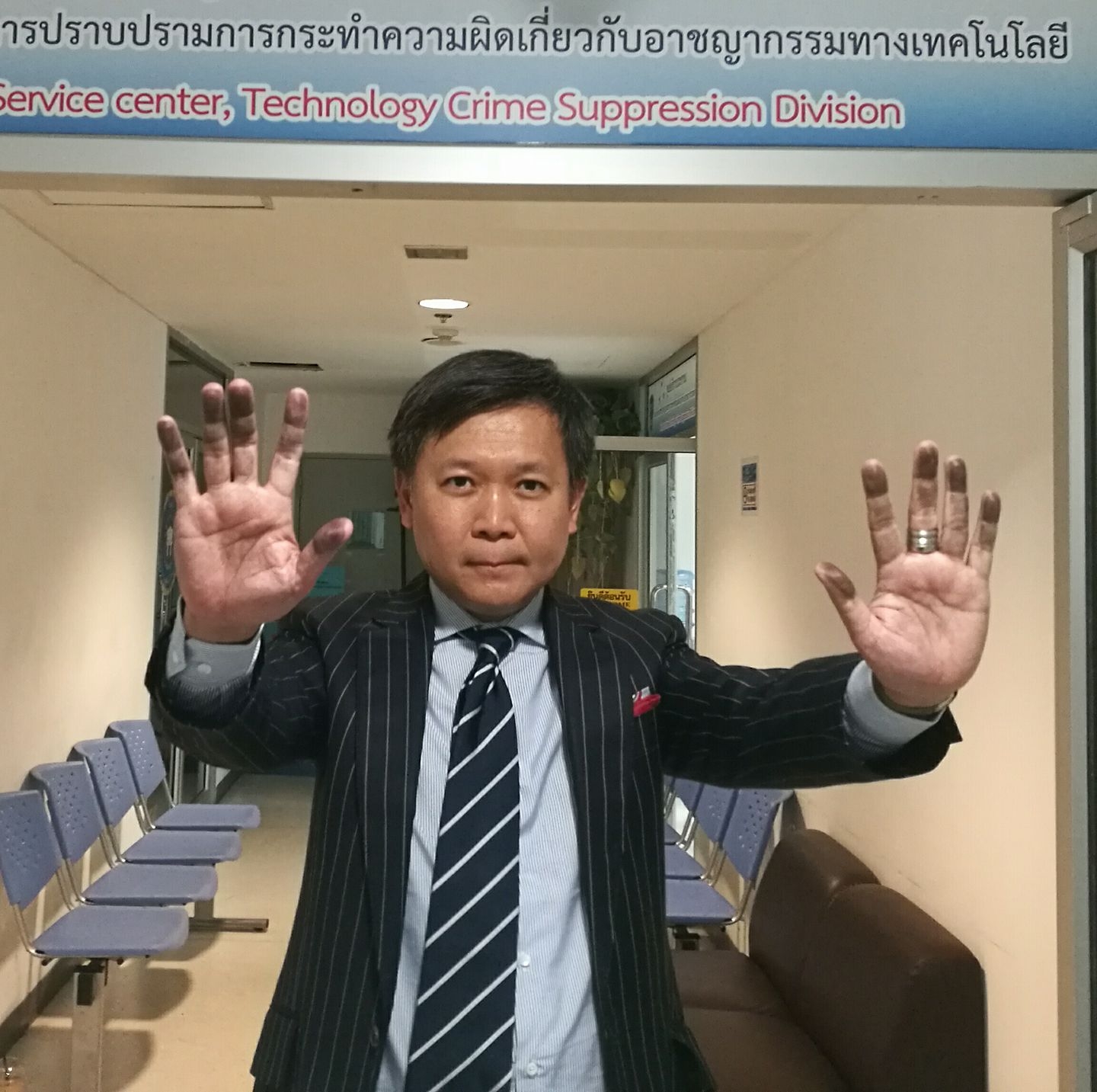
“It’s an unnecessary and immature move by Thailand,” Pravit wrote, adding that the construction of religious monuments and the raising of national flags in a contested area could provoke further disagreements rather than contribute to a peaceful resolution.
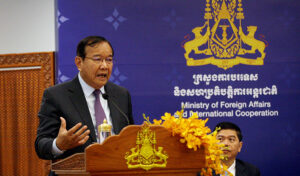
The comments came amid renewed sensitivity over border issues between Thailand and Cambodia. Cambodia’s Ministry of Foreign Affairs recently protested what it described as unilateral activities carried out by Thailand in the disputed area, arguing that such actions could affect ongoing efforts to manage the border situation peacefully.
Pravit said some people appeared to believe that constructing permanent structures in a disputed zone would somehow strengthen territorial claims or settle the dispute. He argued instead that both sides should recognize the contested nature of the area and avoid actions that could be interpreted as asserting sovereignty.
According to the journalist, the construction project and the display of Thai flags have generated concern because they may undermine confidence-building efforts and delay the normalization of relations between the two countries.
Thailand and Cambodia have long maintained overlapping claims in several sections of their shared border. While both governments have generally emphasized dialogue and peaceful solutions in recent months, disputes over activities conducted in contested areas continue to attract public attention on both sides of the border.
Pravit’s remarks are significant because they represent criticism from within Thailand itself rather than from Cambodian officials. However, the comments reflect his personal views and do not represent the position of the Thai government.
Neither Thai authorities nor Cambodian officials immediately responded to the journalist’s comments.