Anutin Warns Thailand’s Cannabis Industry Could Be Shut Down
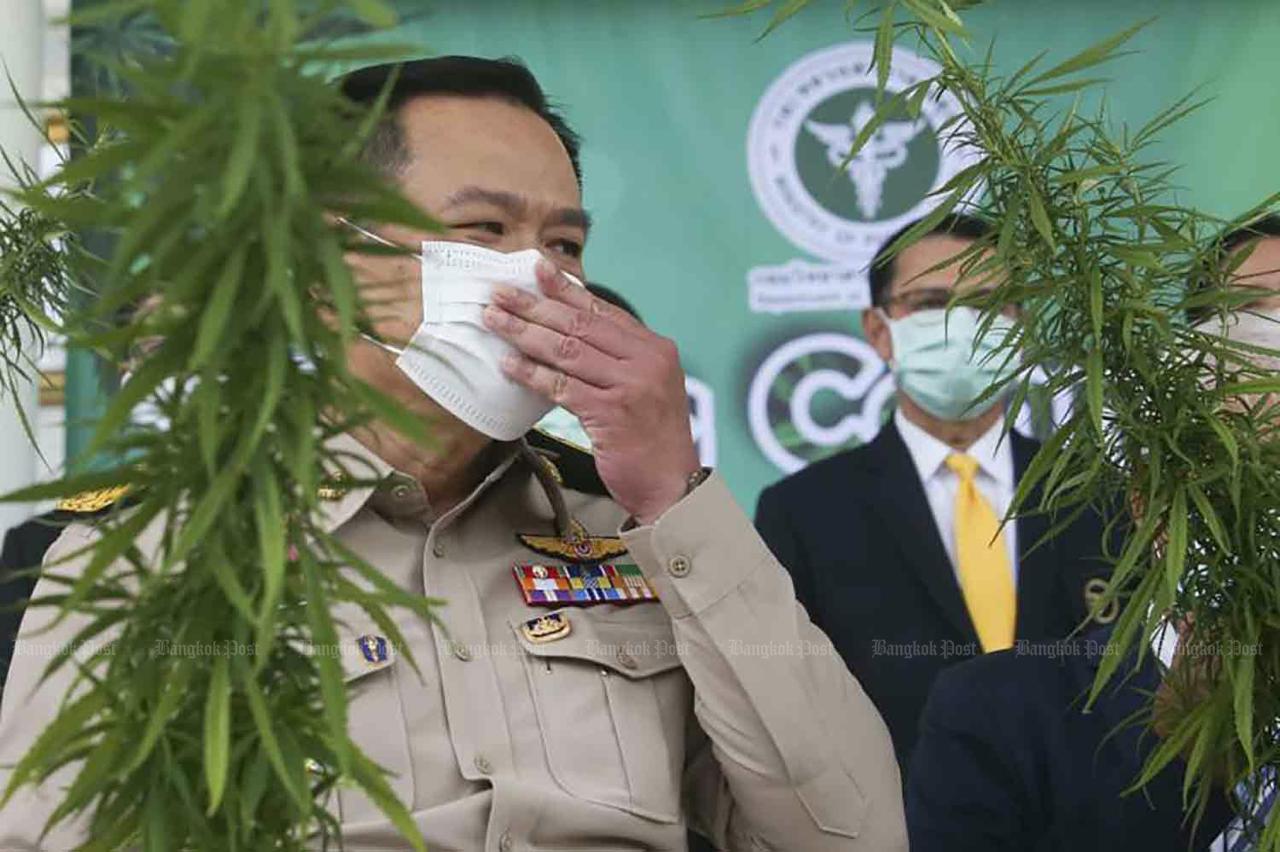 Anutin Warns Thailand’s Cannabis Industry Could Be Shut Down
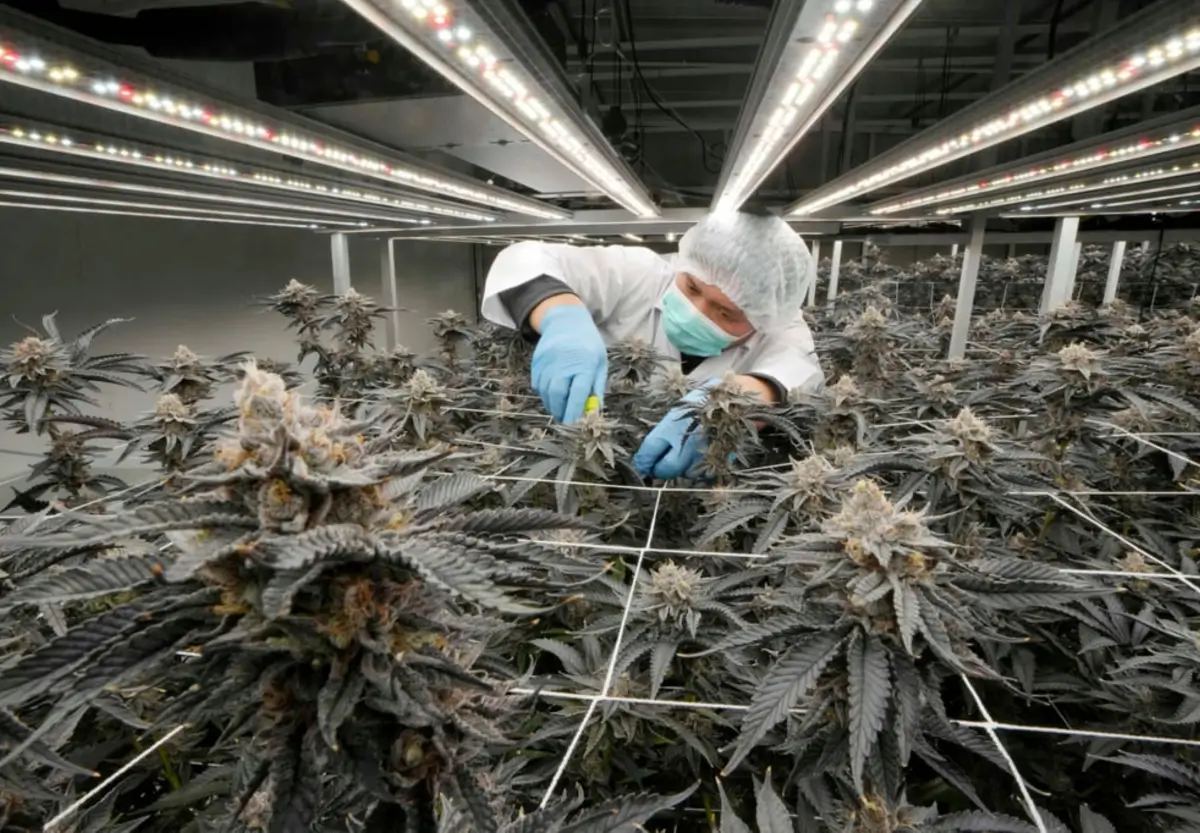
BANGKOK, 8 July 2026 — Prime Minister Anutin Charnvirakul has warned that Thailand’s cannabis industry could be shut down if authorities conclude it is causing more harm than benefit, following a series of major international seizures involving cannabis smuggled from the country.
Thailand became the first country in Asia to decriminalise cannabis in 2022, promoting the plant primarily for medical use and as a potentially valuable economic crop. Four years later, however, lawmakers are still debating legislation to regulate the industry, while widespread recreational sales and falling domestic prices have raised concerns about illegal exports.
Speaking to reporters, Anutin said the government would have to reassess its cannabis policy if stricter enforcement measures failed to stop the drug from being smuggled overseas.
“No matter how strict our measures are, if people can still smuggle drugs out, we need to go back and reassess our approach,” Anutin said.
The prime minister warned that Thailand must prevent other countries from viewing it as a “weak link” in international efforts to combat drug trafficking, adding that he was prepared to shut down the industry if necessary.
His comments follow a series of large-scale cannabis seizures linked to Thailand.
On 2 July, German customs authorities announced they had dismantled a maritime smuggling route used to transport cannabis from Thailand to Europe. Two shipments containing a combined 1.2 tonnes of cannabis, with an estimated street value exceeding US$13 million, were seized.
Investigators said the drugs had been concealed inside containers carrying building materials and linked the trafficking operation to a German-Polish criminal network.
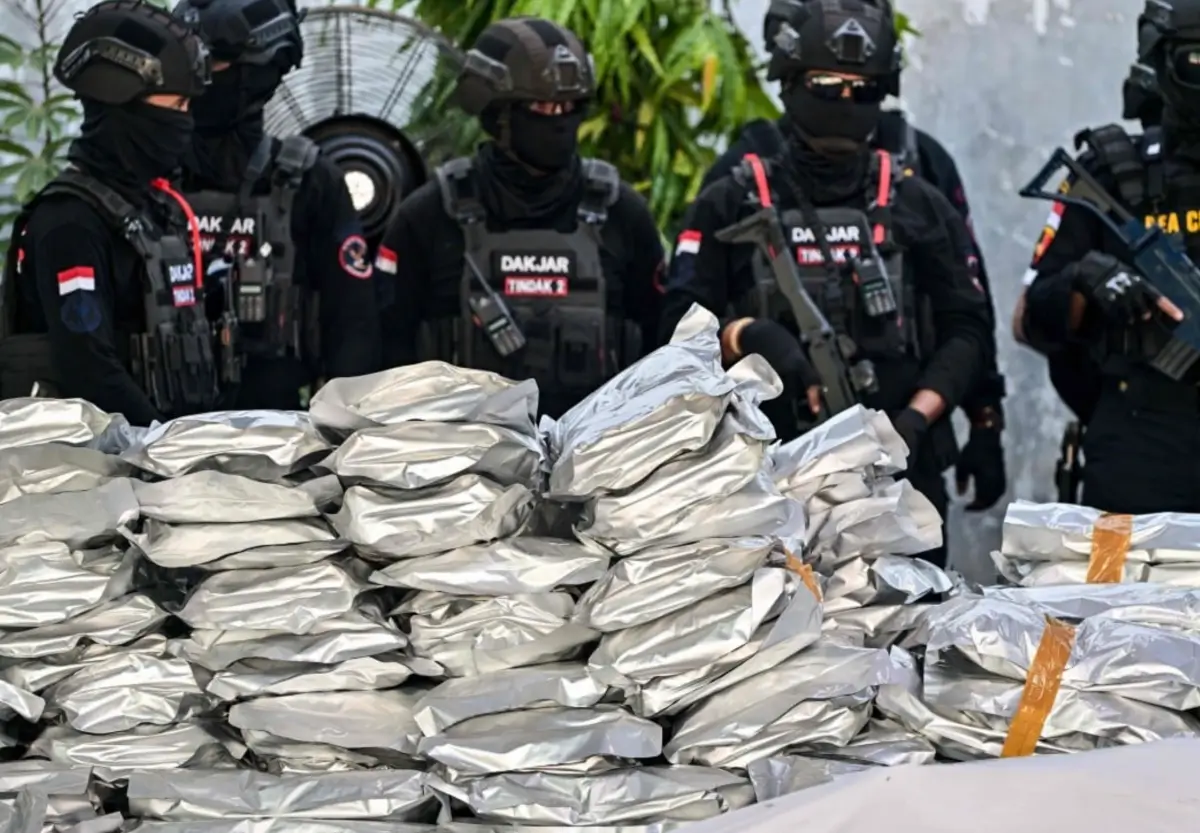
On the same day, Indonesian authorities announced the seizure of 3.37 tonnes of cannabis buds originating from Thailand in East Java. The shipment was allegedly intended for the production of cannabis vape products destined for markets in Jakarta and Bali. Twelve suspects, including several Thai nationals, were arrested.
Authorities have also reported a growing number of British nationals being arrested while attempting to fly out of Thailand with large quantities of cannabis concealed in their luggage.
Investigators believe organised crime networks have recruited some couriers through the Telegram messaging app, offering free holidays in Thailand in exchange for transporting cannabis overseas.
The British Embassy in Thailand recently repeated its warning that travellers should never carry cannabis or packages on behalf of other people. Those caught attempting to leave Thailand with cannabis can face substantial fines and possible imprisonment.
Hong Kong customs authorities also arrested two travellers arriving from Thailand last week after allegedly discovering 13 kilogrammes and 10 kilogrammes of suspected cannabis buds in their luggage.
Thailand has already tightened regulations governing the domestic cannabis industry, including licensing requirements for dispensaries and medical certificate requirements for buyers. Hundreds of cannabis shops have reportedly closed, although recreational use remains widespread and proposed cannabis legislation continues to move through parliament.
Some growers have also questioned whether the economic benefits promised after decriminalisation have materialised. Falling prices and increasing criminal involvement in the industry have reportedly forced some legitimate producers out of business.
One former grower said cannabis prices had fallen from more than 10,000 baht per kilogramme to around half that amount and argued that the plant should be made illegal again.
The South China Morning Post reported that the government’s next steps are likely to depend on whether tighter regulations and proposed legislation can curb illegal exports while preserving Thailand’s legal medical cannabis sector.