
Thailand Faces Rising Youth Depression and Suicide Concerns, MP Says
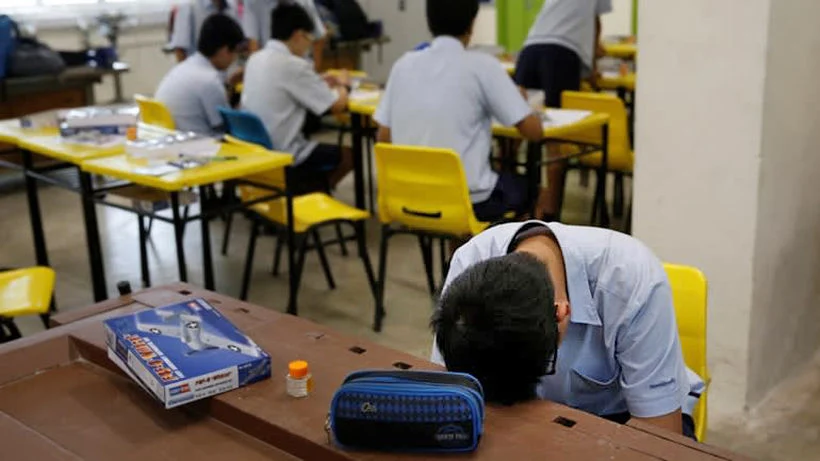 Thailand Faces Rising Youth Depression and Suicide Concerns, MP Says
BANGKOK, May 7, 2026 — A Thai opposition lawmaker has urged the government to strengthen mental health support for young people after citing rising depression and suicide concerns among youth, warning that the issue has become a national structural crisis.
Speaking during a parliamentary session on Wednesday, Democrat Party MP Karndee Leopairote said growing levels of stress, depression and self-harm among young people required urgent and coordinated government action.
Karndee said she was motivated to raise the issue both as a legislator and a mother after learning that two former classmates of her daughter had died by suicide within a short period.

Citing official data, she said 26.9% of Thais aged between 18 and 24 were experiencing depression, while 17.6% of secondary school students had seriously considered suicide.
The party-list MP and deputy leader of the Democrat Party called on Thailand’s public health, education and higher education ministries to improve frontline mental health support for students and young adults.
She said pressures linked to education, social media and family economic hardship were contributing to worsening mental health conditions among teenagers and young adults.
Karndee proposed three main measures, including accelerating implementation of mental health policies beyond formal agreements, increasing funding for school counsellors and psychologists, and improving public understanding to reduce stigma surrounding mental illness.
She said every school and university should have dedicated mental health personnel to support students.
The appeal comes as Thailand marks “Mind Month” in May, with authorities and advocacy groups promoting mental health awareness nationwide.
In a separate initiative, Thailand’s Department of Mental Health said it is expanding its “Hope Task Force” network across the country to improve intervention and support for individuals at risk of suicide.
Mental health experts in Thailand have increasingly warned of rising psychological stress among young people in the aftermath of economic pressures, social change and the long-term effects of the COVID-19 pandemic.